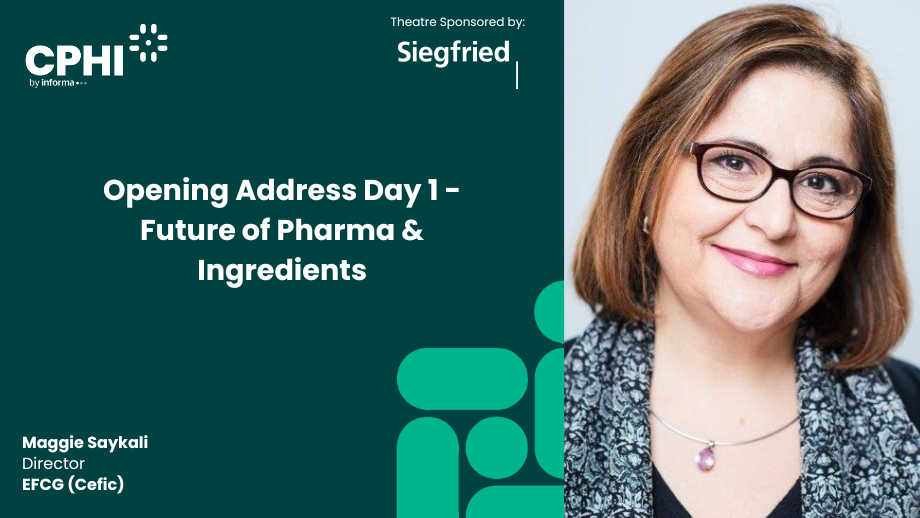
Keynote: Healthcare as a Right: the Headwinds Outweigh the Tailwinds
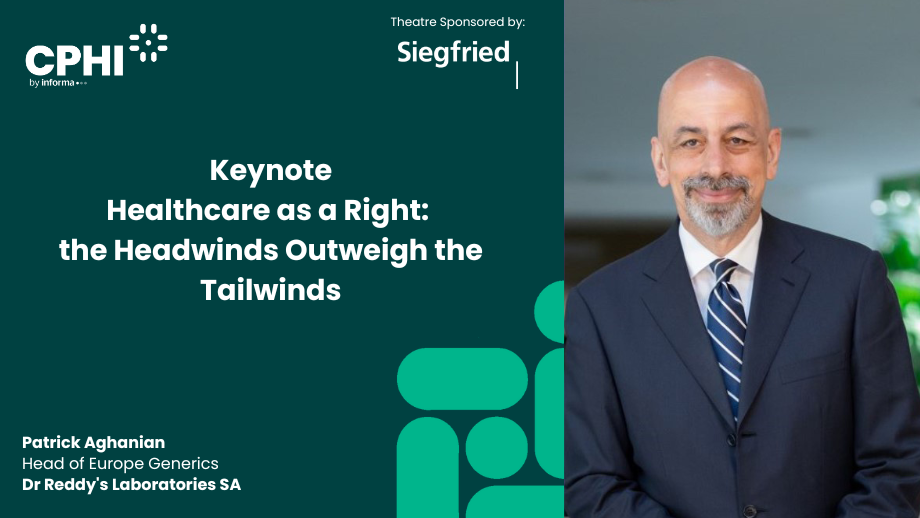
The rise of pharma has coincided with the rise in globalization. Over the last few years, massive blows have been inflicted on globalization, i.e., the COVID pandemic, geopolitical realignments and now tariffs (and potentially trade war). As the most socialized healthcare continent, all major stakeholders will face challenges, which have been unknown for decades. I offer to discuss different scenarios, without forecasting how things will be (a foolish exercise in the current environment).
Siegfried

-
Country/Region:United States
-
On CPHI since:2017
Other Content from Siegfried (18)
-

News Tracking Innovation with Siegfried: CPHI Frankfurt Track Sponsor interview
CPHI Frankfurt, to be held at Messe Frankfurt from October 28-30, 2025, will once again bring the pharmaceutical industry together for 3 days of collaboration and innovation. Our Track Sponsor interview series sits down with some of our conference track sponsors to discuss key themes and trends impacting the industry.
-

Video Accelerating early-stage CMC development for oral drug products
Bringing an oral drug candidate into the clinic is not simply a question of moving faster. Success depends on making the right CMC decisions at the right time. In this webinar, we will explore practical strategies to accelerate early-stage CMC development while balancing speed, scientific rigor, and risk. Learn how early CMC involvement, targeted drug substance investments, fit-for-purpose formulation approaches, and smarter development execution can shorten timelines to Phase I and Phase II studies. Discover how informed decision-making and streamlined development strategies can help bring promising therapies to patients faster. Register now. -

Industry Webinar Challenges to the Sustained Availability of Excipients
Ensuring the sustained availability of excipients is becoming increasingly complex due to evolving regulations, supply chain vulnerabilities, and the pressing demand for sustainable solutions. This panel will explore critical challenges and opportunities for securing the long-term availability of excipients across industries.
Key discussion points include: How shifting legislation, particularly in other sectors, is limiting excipient options—such as restrictions on recycled plastics for food-grade applications. The growing need for novel excipients to meet evolving industry requirements while maintaining safety and efficacy. Best practices for fortifying supply chains against disruptions and ensuring consistent availability. Exploring how green practices can be effectively incorporated into excipient production and supply, balancing innovation with environmental responsibility. -
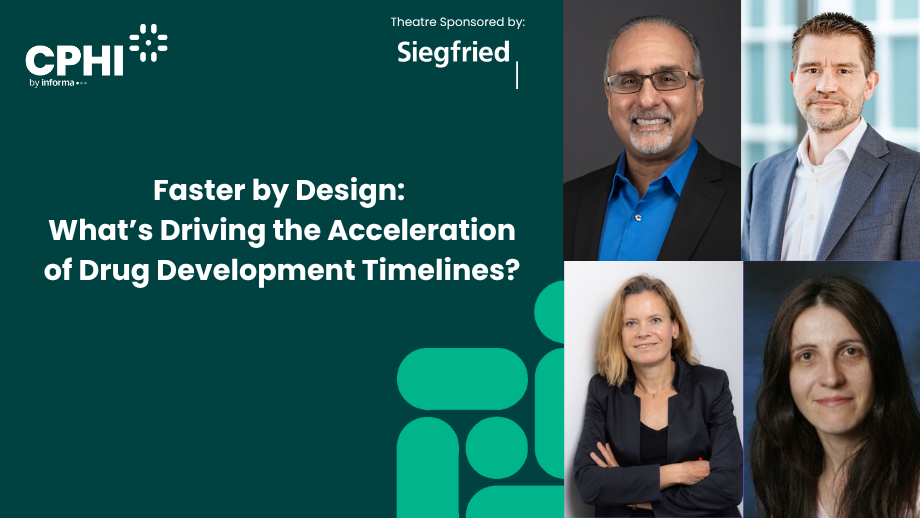
Industry Webinar Faster by Design: What’s Driving the Acceleration of Drug Development Timelines?
Accelerated timelines are no longer the exception—they’re becoming the norm across the pharmaceutical industry. From oncology to rare diseases, an increasing number of molecules are receiving conditional or expedited approvals, often at earlier stages of development. This trend is reshaping expectations not only for clinical progress but also for chemistry, manufacturing, and controls (CMC), where development windows are tightening significantly. In fact, nearly two-thirds of recent FDA novel drug approvals have occurred under some form of accelerated pathway. In this panel discussion, industry leaders will explore the forces driving this shift—from regulatory evolution to economic pressures—and how companies are adapting. We’ll discuss the operational, strategic, and scientific implications of accelerated timelines and share practical insights on how to stay competitive without compromising quality. -
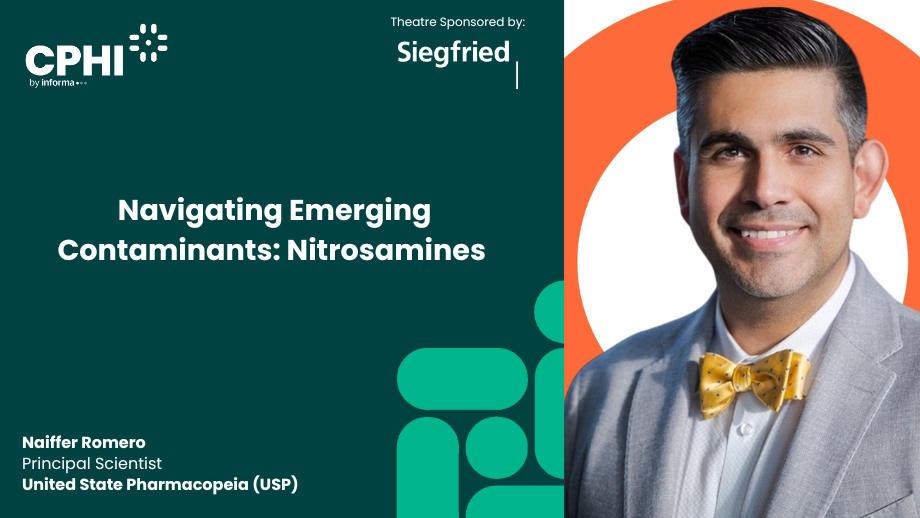
Industry Webinar Navigating Emerging Contaminants: Nitrosamines
Nitrosamine impurities—potent, regulatory-scrutinized carcinogens—can arise throughout the drug lifecycle via amine–nitrite reactions during API synthesis, in-process nitrosation, or post-pack degradation. This talk distills the essentials: how and where nitrosamines form; current ICH M7, FDA, and EMA expectations for assessing and setting limits; analytical challenges duringconfirmatory testing, and exploration of the risk-based mitigation tools that marries synthetic-route redesign, raw-material controls, and data-driven process optimisation. -
Industry Webinar Shedding Light on Pharmaceutical Ingredient Supply Chains for a More Stable and Efficient Supply of Medicines
Today, patients in the United States and around the world depend on medicines—and the ingredients used to make those medicines—sourced from and manufactured around the globe. These dependencies create vulnerabilities which can ripple through the supply chain and affect the delivery of effective healthcare and compromise national security. Onshoring manufacturing and leveraging advanced manufacturing technologies have been touted as potential solutions to address emerging threats and increase stability of the pharmaceutical supply chain. However, given the highly complex and fragmented nature of the pharma supply chain, where does one start? We will discuss the development and implementation of a systematic approach to understand and analyze the upstream pharmaceutical supply chain, identify vulnerabilities, and actionable solutions. -
Industry Webinar Beyond Traditional Markets: The Strategic Importance of Emerging Pharma Trends and CDMO Innovation
The pharmaceutical industry is evolving rapidly, driven by emerging markets, innovative trends, and the growing importance of Contract Development and Manufacturing Organizations (CDMOs). This session will explore how these factors are reshaping the global pharmaceutical landscape, offering new opportunities for investment, growth, and collaboration. Our expert panel will provide insights into the strategic shifts that are driving the industry forward, focusing on innovation, regulatory advancements, and the role of CDMOs in enabling agile and efficient operations. -
Industry Webinar The Fragile Economics of Essential Medicines: What Future for Pharma?
Essential medicines are the backbone of global healthcare, yet the economic model sustaining them is under increasing strain. While pharma is often criticised for high prices, the paradox is that many essential drugs—antibiotics among them—are chronically undervalued. The result is fragile supply chains, shuttered facilities, and recurring shortages. At the same time, shifting geopolitical dynamics, tariffs, and trade disputes are redrawing the global map of pharmaceutical production, amplifying vulnerabilities in access and innovation. This paradox exposes the elephant in the room: can pharma remain true to its purpose of access when the system itself is broken? In this keynote, Alexander Krujatz, who leads the commercial operations for Centrient, a key supplier of antibiotic APIs, will explore how purpose and pragmatism must be reconciled in today’s volatile environment. He will argue that the future of critical medicines depends on a new compact—where governments, industry, and society share responsibility for building resilient, affordable, and purpose-driven healthcare. -
Industry Webinar Navigating Emerging Contaminants: Annex 1 & Contamination Control
Overview: EU GMP Annex 1 - Manufacture of Sterile Medicinal Products. Relevance: Emphasis on Contamination Control Strategy (CCS) aligning with efforts to control Nitrosamines, PFAS, and other impurities. Implementation: Risk-based approach, monitoring systems, holistic mitigation strategies. -
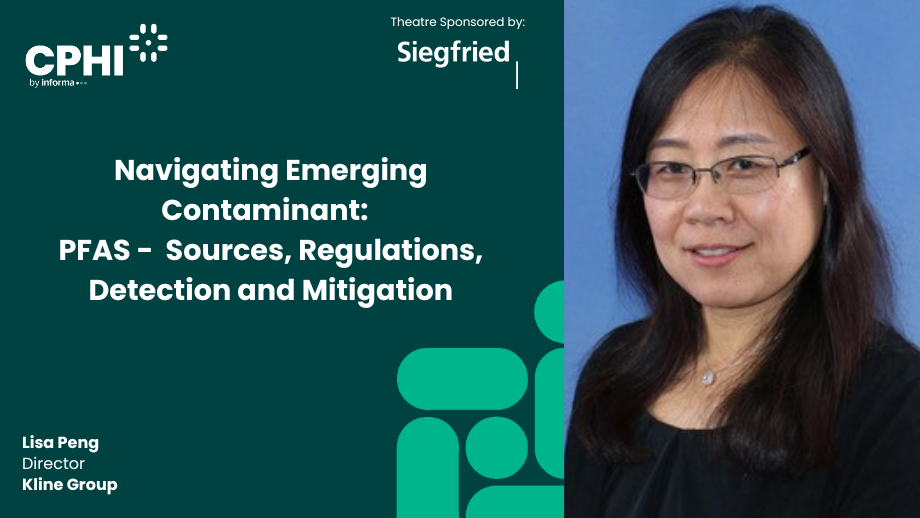
Industry Webinar Navigating Emerging Contaminant: PFAS - Sources, Regulations, Detection and Mitigation
PFAS are a large family of synthetic chemicals highly resistant to heat, water, and chemical breakdown. They can accumulate in the environment and living organisms, raising health and regulatory concerns. They are widely used across industries—including pharmaceuticals, where they appear in fluorinated APIs, process equipment, packaging, analytical instruments and process wastewater. In the U.S., the EPA is tightening controls on PFAS through its PFAS Strategic Roadmap, including drinking water limits, wastewater discharge standards. In the EU, REACH has proposed one of the broadest chemical restrictions ever, aiming to ban or phase out most PFAS. Pharma companies are engaging regulators to seek exemptions for critical medicinal uses under EU REACH, while at the same time exploring safer alternatives, improved waste management, and greener chemistries to limit environmental release. Pharmaceutical companies also face significant challenges in PFAS detection and compliance due to extremely low levels (1-100 ppt for example) and the diversity of PFAS compounds. The combination of ultra-trace levels, variable limits, and complex matrices makes PFAS monitoring and compliance particularly challenging for the pharmaceutical industry. -
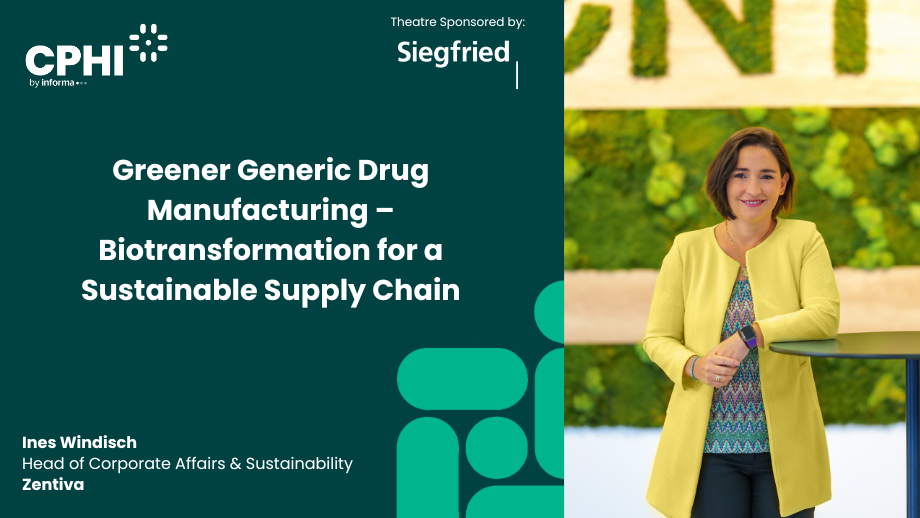
Industry Webinar Greener Generic Drug Manufacturing – Biotransformation for a Sustainable Supply Chain
As pharmaceutical companies push toward bold sustainability goals, transforming manufacturing processes for generic drugs is becoming a vital focus. While advancements in energy efficiency, packaging reduction, and logistics play a role, the most meaningful environmental impact may be found further upstream—in cleaner, more sustainable approaches to material sourcing and production. Emerging technologies like biocatalysis, synthetic biology, and fermentation-based methods present compelling alternatives to conventional chemical synthesis. These biotransformation techniques can significantly lower environmental footprints, improve process efficiency, and enhance scalability. However, broader adoption faces hurdles including technical barriers, cost implications, and regulatory complexity. -
.png)
Industry Webinar Science-Led Regulatory Reform: Accelerating Biosimilar Development to Expand Patient Access to Life-Changing Medicines
How can streamlined regulation unlock access to biosimilar medicines and ease pressures on healthcare systems? Regulatory harmonization and efficient development pathways are key to accelerating access to biosimilars. While biologics have transformed care for conditions like cancer and autoimmune diseases, their high cost can limit patient access. Biosimilars offer a more affordable alternative with the same efficacy, safety and quality, broadening treatment options and freeing up resources for patient care. Yet, barriers to access remain. This session explores how science-based regulatory reforms, such as waiving unnecessary comparative efficacy studies, can help speed up development across more therapeutic areas, and deliver greater value for patients globally. -

Industry Webinar Rescripting Global Pharma Manufacturing Footprint – Regional capacity undoing erstwhile global consolidation
Rescripting Global Pharma Manufacturing Footprint Quest for onshoring pharma manufacturing – Regional capacity undoing erstwhile global consolidation COVID-19 laid bare vulnerability of global health systems as a result of highly consolidated global supply chain in pharmaceuticals. This stark realization triggered focus across regions on nurturing regional capacity in the interest of supply security. This is true of high income geographies such as Europe, America or the Middle East as well as Low and Middle Income Countries. While Governments and Global Health actors are championing regional manufacturing capacity with the objective of health security, industry is also keen to pursue expanded capacity across regions to de-risk supply chain vulnerability. This undoing of global consolidation will have significant ramifications for the pharma industry. Historically consolidated global manufacturing landscape is unlikely to be the future of pharma. The panel will spotlight strategic perspective from across geographic regions and ideate implications. Industry leaders from key regional hubs and catalytic partners will reflect on momentum around regional capacity development and implications for future industry investments. -
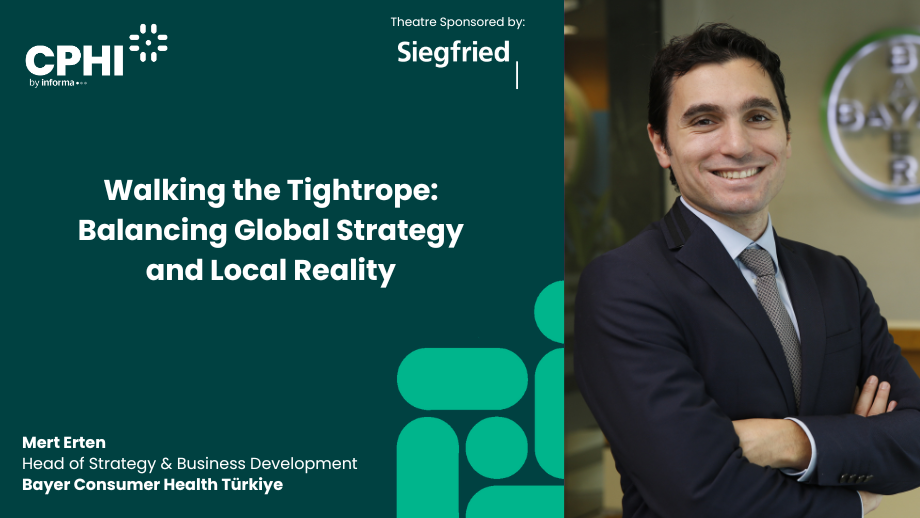
Industry Webinar Walking the Tightrope: Balancing Global Strategy and Local Reality
In the dynamic landscape of the pharmaceutical industry, local market executives often find themselves at the crossroads of adhering to global directives while addressing unique regional challenges. This session delves into actionable strategies that empower local leaders to craft and implement effective market-specific approaches without deviating from overarching corporate guidelines. Attendees will gain insights into leveraging local expertise, fostering open communication channels with global teams, and balancing innovation with compliance. Through real-world examples and interactive discussions, participants will learn to navigate the complexities of global-local dynamics, ensuring both global alignment and local relevance. -
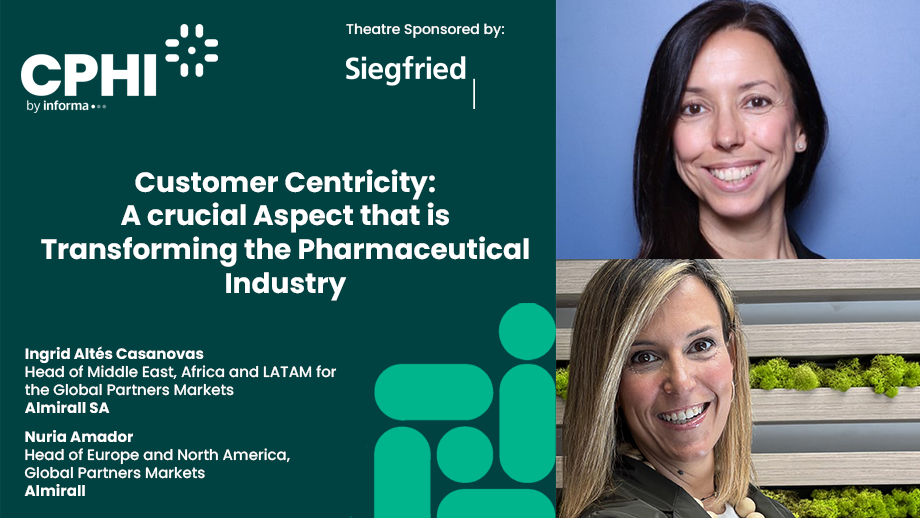
Industry Webinar Customer Centricity: A Crucial Aspect That Is Transforming the Pharmaceutical Industry
In an era where patient outcomes and satisfaction are paramount, placing the customer at the heart of our strategy and operations is not just beneficial but essential. Understanding Customer Centricity: Customer centricity means prioritizing the needs and experiences of our customers—patients, healthcare providers, and caregivers—throughout every stage of the pharmaceutical lifecycle. It involves understanding their needs, preferences, and challenges, and using this knowledge to guide our decisions and actions. Why Customer Centricity Matters: Focusing on patient-centric approaches leads to improved health outcomes, enhanced trust and loyalty, regulatory compliance, market differentiation, and feedback-driven innovation. Recent Industry Trends: AI is revolutionizing drug discovery, digital health technologies are enhancing personalized medicine, emerging therapeutic modalities are expanding treatment options, precision medicine is tailoring therapies to genetic profiles, and patient engagement is driving better health outcomes and satisfaction. Challenges in Implementing Customer Centricity: The main challenges in implementing a customer-centric approach include data silos, resistance to change, regulatory and compliance issues, technology integration, and measuring success. Implementing Customer Centricity: Actively involving patients, collaborating with healthcare providers, integrating technology, and continuously improving strategies based on feedback are key to enhancing customer centricity in healthcare. Conclusion: In conclusion, customer centricity is not just a buzzword; it is a fundamental shift in how we operate in the pharmaceutical industry. By putting our customers at the center of everything we do, we can improve patient outcomes, build trust, comply with regulations, differentiate ourselves in the market, and drive innovation. Let us commit to this approach and work together to create a healthier, more patient-focused future. c. -
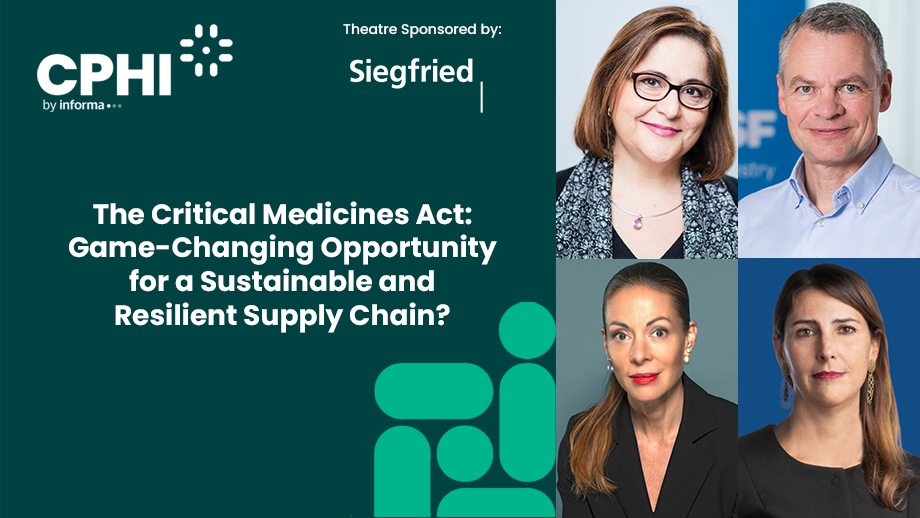
Industry Webinar The Critical Medicines Act: Game-Changing Opportunity for a Sustainable and Resilient Supply Chain?
What opportunities can the new Critical Medicines Act bring to EU manufacturers of Active Pharmaceutical Ingredients and their intermediates and starting materials? How can it help enhance innovation and competitiveness of our industry and what will the global implications be. -
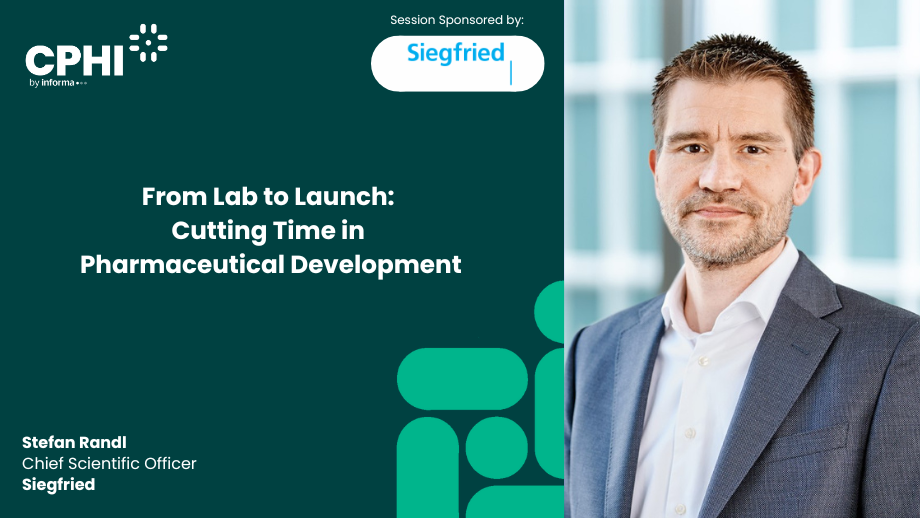
Industry Webinar From Lab to Launch: Cutting Time in Pharmaceutical Development
In an industry where drug development often spans over a decade, accelerating timelines is critical to both reduce costs and improve patient access to life-saving therapies. This session explores strategies to streamline the development phase without compromising on safety or quality. Participants will gain insights into how innovative approaches in CMC (chemistry, manufacturing, and controls), combined with early regulatory engagement successfully reduces time to market. Join us to learn how smarter, faster development is both achievable and essential.