
Tracking Innovation with Siegfried: CPHI Frankfurt Track Sponsor interview
.png)
CPHI Frankfurt, to be held at Messe Frankfurt from October 28-30, 2025, will once again bring the pharmaceutical industry together for 3 days of collaboration and innovation. Our Track Sponsor interview series sits down with some of our conference track sponsors to discuss key themes and trends impacting the industry.
Leading CDMO Siegfried sponsors this year's Future of Pharma & Ingredients track, focusing on supply chain and market insights, and pharmaceutical ingredient innovations. We sat down with Siegfried's Chief Scientific Officer Stefan Randl to discuss the therapeutic areas generating the most demand for pharmaceutical ingredient procurers and manufacturers, as well as what the Future of Pharma really entails.
1. Which therapeutic areas are generating the greatest interest for pharmaceutical ingredient manufacturers and suppliers?
There is significant momentum in oncology, driven by a strong pipeline of small molecules for novel targeted therapies. Oncology is one growth driver for cell and gene therapies, a field that is rapidly expanding, with a growing number of candidates advancing into clinical stages, requiring specialised capabilities. Metabolic disorders, particularly the GLP-1 class of drugs, continue to significantly impact the CDMO industry across multiple fronts, both on the drug substance and the drug product side. Across the board, there is a trend toward more complex molecules, often targeted at smaller patient populations, which raises the bar for development speed, scalability, and manufacturing excellence.
2. How is artificial intelligence changing API development and manufacturing processes?
AI is enabling a shift from classical empirical experimentation toward predictive process development. With advanced modelling and simulation, developers can now better anticipate how a molecule and/or a process will behave under different conditions, long before large-scale production begins. This includes modelling of reaction kinetics, mixing behavior, heat transfer, and impurity formation. As such, these tools support a Quality by Design (QoD) approach and can shorten development timelines. Tech transfers will become more robust, and there will be fewer surprises during scale-up – all these factors are increasingly critical as speed-to-market becomes a competitive differentiator.
In production, once AI is integrated into process monitoring and quality control, it will enable faster root-cause analysis, proactive maintenance, and minimise downtime and failed batches. Predictive analytics will expedite continuous improvement and yield greater consistency and enhanced product quality.
3. What regions do you see emerging as new hubs for ingredient manufacturing excellence?
While traditional strongholds like Western Europe, the US, and parts of Asia remain vital, we are seeing growing interest in regional diversification. Regulatory and geopolitical factors are prompting companies to expand capabilities closer to end markets. For example, there is increasing investment in North America for both API and drug product manufacturing, particularly for high-value therapies. Eastern Europe and Southeast Asia are also developing as cost-competitive hubs with improving technical and regulatory standards. The overarching theme is resilience – building supply chains that are not just cost-efficient but also agile and dependable.
4. What will be the most disruptive change to the pharmaceutical ingredients market by 2030?
One of the most disruptive changes will be the integration of digital technologies across development and manufacturing. AI, automation, and advanced data analytics will reshape how we design processes, monitor quality, and manage supply chains. This transformation will support greater process predictability, faster decision-making, and improved compliance. Another major shift is the rise of complex modalities, which add to the infrastructure and expertise built for traditional small molecules and mAbs. The convergence of these trends will redefine what technical and operational excellence looks like by the end of the decade.
5. What does it mean for Siegfried to sponsor this year’s Future of Pharma track?
Sponsoring the Future of Pharma track is an opportunity for us to help shape the conversation about where the industry is heading. As a partner to companies advancing both established and emerging therapies, we see firsthand the challenges and opportunities across the development lifecycle. It’s clear that the future will demand more than manufacturing capacity – it will require scientific insight, deep collaboration, and digital fluency. We're proud to support a platform that brings together innovators, regulators, and solution providers to explore how we can collectively build a more agile, connected, and patient-centered pharmaceutical ecosystem.
6. What are you most looking forward to at CPHI Frankfurt 2026?
CPHI is always a place to spot emerging trends – not just in technologies, but in mindset. This year, I’m especially looking forward to discussions on cross-functional collaboration between developers, CDMOs, and regulators. It’s these intersections –between science, operations, and policy – that will shape how quickly and safely we can bring new therapies to patients.
I’m also looking forward to reconnecting with colleagues and contacts and making new connections. It's a great chance to exchange insights, challenge assumptions, and build partnerships.
Discover the full CPHI Frankfurt agenda here and plan your trip today!

Related News
-

News A Day in the Life of a CPHI Attendee
The series aims to highlight some of the indispensable talent involved in all aspects of the pharma value chain, getting to know the people working towards better healthcare across the world. This special edition aims to get to know the people attendin... -

News CPHI Pharma Awards 2026: Recognising Excellence in an Evolving Industry
Submissions now open — deadline May 16
-
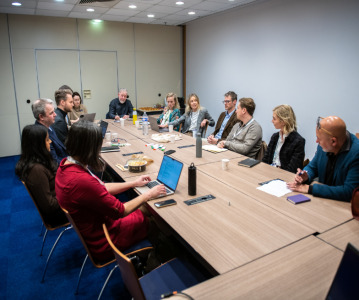
News Packaging Under Pressure: Where Sustainability in Pharma Meets Reality
A Reflection on the Sustainability Collective Roundtable Session at Pharmapack 2026
-
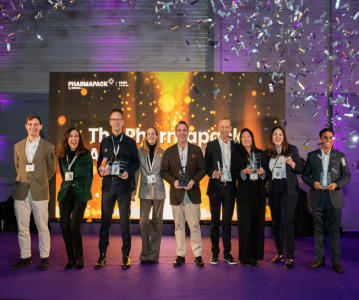
News Where Pharma Innovation Takes the Spotlight: Pharmapack Awards 2026
The 2026 Pharmapack Awards, held January 21, 2026, celebrated and recognised leading companies in the pharmaceutical packaging sector paving the way for packaging and drug delivery excellence in the future.
-
News Pharmapack 2026 - From the Floor
Celebrating its 25th anniversary in the city where it all started, Pharmapack 2026 is back in Paris! From January 21-22, 2026, Paris Expo Porte de Versailles opens its doors again to the pharmaceutical packaging and drug delivery sectors, ready for 2 d... -
News Reshaping Pharmaceutical Packaging’s Sustainable Future at Pharmapack 2026
Pharmapack 2026 returns as the pharmaceutical packaging industry's premier gathering, bringing together global leaders, innovators, and decision-makers for an unparalleled showcase of cutting-edge solutions and strategic insights.
-
News CPHI Frankfurt 2025 – From the Floor
In a full-circle moment, our From the Floor blog returns to Frankfurt for the 2025 edition of CPHI Frankfurt. Taking place over 3 days from 28–30 October, we're excited to be back in a city of global innovation to meet, collaborate, and grow ... -
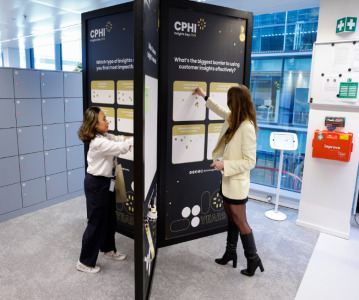
News Pharma in Focus: Key Findings from the CPHI community
Explore what the CPHI community has to say about the top trends emerging from the pharmaceutical industry and supply chain with our annual Strategic Insights infographic.