
Reshaping Pharmaceutical Packaging’s Sustainable Future at Pharmapack 2026
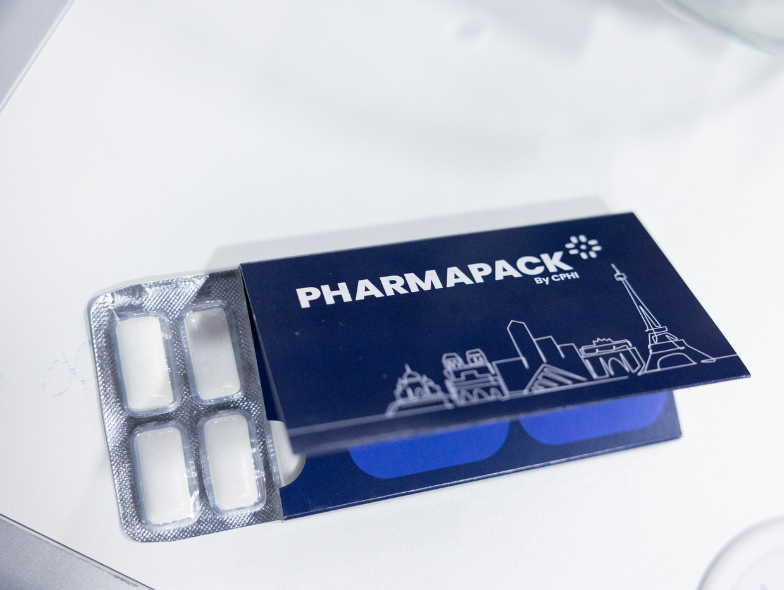
Pharmapack 2026 returns as the pharmaceutical packaging industry's premier gathering, bringing together global leaders, innovators, and decision-makers for an unparalleled showcase of cutting-edge solutions and strategic insights.
Celebrating its 25th anniversary, this boutique event has even more to showcase in the world of pharmaceutical packaging with a unique blend of networking opportunities, technology demonstrations, and educational workshops. Ahead of our ”PDA Innovation in Sustainable Packaging Workshop 2026”, we caught up with Morten Munk, Senior Commercial Program Director at FUJIFILM Biotechnologies, to discuss the regulatory landscape for sustainable pharmaceutical packaging. The workshop itself, scheduled for January 22, 2026 from 9am-12:30pm, represents a unique convergence of expertise, bringing together specialists from AM Instruments, Alliance to Zero, and Inductio AG. With only 30 spots available exclusively to Pharmapack pass holders, this intimate setting promises a deep and collaborative learning experience set amongst practical approaches to two of the pharmaceutical packaging industry’s most pressing challenges: regulatory compliance and environmental sustainability.
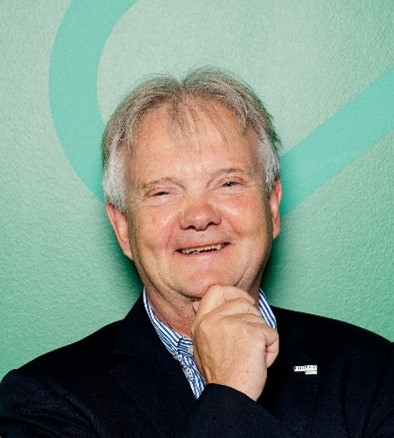 Morten Munk focus and success in making pharmaceutical products available for patients, is founded on more than 35 years of industry experience in biopharmaceutical development and manufacturing, which has made him a globally recognized technical expert in the field.
One common denominator for his work has been to use his business and quality mindset in combination with a broad perspective on biomanufacturing, to support all stages of development and the full supply chain of high-quality pharmaceuticals. This includes experience in addressing the areas critical for commercial manufacturing during the process development and subsequent scale-up stages, as well as handling drug product operations and distribution aspects. Morten holds a position as Senior Commercial Program Director at FUJIFILM Biotechnologies (FLB), supporting the strategic partnership collaboration with several FLB’s key partners. Before joining FLB in 2020, Morten worked at NNE as Global Technology Partner since 2015. In 2001 he co-founded CMC Biologics (now AGC Biologics), after working 14 years at Novo Nordisk.
Morten is active in the biopharmaceutical community as member of scientific committees for various international conferences and as volunteer in international industry organizations such as PDA, ISPE and BPOG. Currently, Morten is member of the Board of Directors at PDA and member of the Advisory Board for Master studies at Copenhagen University.
The Parenteral Drug Association (PDA) is the leading global provider of science, technology, and regulatory information. PDA creates awareness and understanding of important issues facing the pharma community and delivers high-quality, relevant education to the industry. Since its founding in 1946 as a nonprofit organization, PDA has been committed to developing scientifically sound, practical technical information and expertise to advance pharma manufacturing science and regulation, so members can better serve patients.
1. What are the most urgent global or regional regulations companies need to consider when looking at sustainable pharmaceutical packaging?
With a focus on sourcing, supplier collaboration and Scope 3, some of the key regulations to keep an eye on include the EU Packaging and Packaging Waste Regulation (PPWR), the EU Deforestation Regulation (EUDR), as well as the Corporate Sustainability Reporting Directive (CSRD), and European Sustainability Reporting Standards (ESRS ) – while these last two don’t target packaging specifically, they do push for transparency on environmental impact, including packaging emissions and waste.
In general, it is expected that the industry will keep focusing on high quality and reliable data, traceability, and that supplier engagement will grow. Even though pharma packaging is highly regulated, we’ll likely need to demonstrate more in terms of lifecycle impact and supplier due diligence going forward.
With focus on reliable data, we find it important for companies to use the Science Based Targets initiative (SBTi), which focuses on reducing GHG emissions and combating climate change.
However, it can be recommended to take an even more holistic and broader view on the industry’s impact on the environment.
To support such an approach, I recommend considering the Taskforce on Nature-related Financial Disclosure (TNFD). TNFD is a global initiative that provides a framework for businesses and financial institutions to report on their impacts and dependencies on nature, including considerations around both the climate, but also other natural elements such as biodiversity, water, land, and oceans.
2. What approaches are most effective for harmonising packaging designs across different markets with varying sustainability infrastructure and regulations?
There’s no simple answer here, especially not in pharma. We’re dealing with highly regulated formats, long qualification times, and strict stability requirements. But we’ve seen that supplier engagement makes all the difference.
One of our approaches is to go beyond our usual ESG questionnaire and introduce a more structured sustainability evaluation, where we ask suppliers about:
- Their access to CO₂ and lifecycle data
- Use of recyclable, certified, or renewable materials
- Supplier roadmaps and future ambitions
- How they’re working to improve sustainability in packaging
This process has given us a better picture of what’s possible – but just as importantly, it has highlighted how important early dialogue is. We need to understand what suppliers can realistically offer, and where co-development is needed to find the best solutions for sustainability.
Next steps will be to work even closer with our suppliers on biodiversity and the sourcing of raw materials for packaging materials, where wood is a key component. I believe that we will see more focus on how trees are grown and how it impacts the environment where they are produced.
3. How do you anticipate packaging regulations evolving in the next 5 years and how can companies actively respond to these changes?
Sustainability regulations continue to evolve. In 5 years, we anticipate that there will continue to be a focus on CO₂ reduction and recyclability, with additional new sustainability requirements advancing to the forefront. New expectations may include reducing amounts of raw materials to be used, especially where water consumption and amounts of plastic will be some of the key areas. Moreover, other key areas to focus on will be deforestation, traceability, biodiversity, and working conditions.
Some of those areas are already being looked at, for example through our involvement in EUDR mapping, we’re identifying and reviewing suppliers of packaging materials that may be affected.
It’s still early days, but we apply a stepwise approach which helps us to prepare for future reporting requirements and due diligence expectations.
Those steps include the following initiatives:
- Including ESG questions in tenders and assessments
- Updating our contractual terms
- Engaging in cross-industry collaborations like PSCI, STBI, and TNFD
Having open conversations with suppliers and customers on sharing best practices, goals and initiatives
4. How can companies best manage the implementation of sustainable packaging changes across multiple product lines and manufacturing facilities in different regions?
It’s not straightforward, especially in pharma. Packaging is often tightly regulated, and we’re dealing with many sites, product types, and setups. What works at one place may not be possible somewhere else.
We use shared tools like our ESG questionnaire, training materials, and templates, and rely highly on close collaboration and partnership with our suppliers.
This includes sharing approaches and collaborating on which tools to use to evaluate the impact on the environment from different raw materials used to make the packing materials. This can include sharing the cost for making certification of different raw materials, which can be a complicated task, as, for example, hundreds of different raw materials might have been used even to make a relatively simple paper or cardboard product.
Some of the best ideas come from meeting in person with suppliers and customers and exchanging ideas. A successful part of such meetings has shown to be visiting the production areas together and including personnel at all levels in the organisation as part of the discussions. Such in-person visits to the production floor often result in someone making suggestions for how something might be done in a smarter way. It could be small changes to reduce packaging, improve working conditions, or adjust bulk packaging to avoid waste.
In general, many Lean tools can successfully be applied for such in-person meetings, such as having a group of people with different competencies and job functions making a visualisation of the full supply chain as well as the production flow for both the raw materials and the final product.
5. What metrics are most meaningful when reporting on packaging sustainability achievements to stakeholders and regulatory agencies?
Packaging-related reporting is still a relatively new discipline. We’re starting to explore how we can better reflect the impact of packaging on our Scope 3 footprint, particularly under Category 1. In some cases, packaging is a purchased component and can be included in calculations – but this depends on our setup and on data availability from suppliers.
At this point, we are not tracking packaging CO₂ separately, but we are moving in that direction by:
- Asking suppliers about emissions and material data
- Discussing packaging choices in tender processes and supplier meetings
- Looking at opportunities for waste reduction, including bulk packaging setups
We also recognise that packaging is not just about emissions – it connects to waste, resource use, and even working conditions. While customer demand is not always consistent yet, we see potential for change if the industry aligns and pushes in the same direction. Just like with other sustainability areas, shared expectations tend to drive maturity and make better solutions more accessible over time.
Additionally, we continue working on and refining all the other metrics discussed previously as well as being inspired and exploring new metrics.
Finally, another element which helps to garner attention from a broader group of stakeholders, is to consider and discuss sustainability, not only as a good thing to do for the climate, but to focus on the business impact. This can be directly on the possible saving of more effective use of raw materials, but also the resilience considerations. For example, if access to water gets restricted to a level where it impacts the output or possibility to expand the production of in the first instance the packing material, but in the next instance a pharmaceutical product, it might catch the attention of a few more stakeholders including in the higher management level at both the supplier and end-user organisations.
The PDA Innovation in Sustainable Packaging Workshop 2026's structure – combining expert presentations with collaborative group sessions – reflects a growing recognition that the most effective solutions emerge from peer exchange and collective problem-solving. In an industry where regulatory requirements continue to evolve, and sustainability pressures intensify, this hands-on approach to learning and networking has never been more valuable.
Pharmapack 2026 serves as the catalyst for partnerships, knowledge exchange, and business development that drive the pharmaceutical packaging industry forward. Whether you're seeking solutions for complex packaging challenges, exploring sustainable alternatives, or staying ahead of regulatory developments, Pharmapack 2026 is where the industry's future takes shape.
Register your interest to participate here*.
*Workshop participation requires an event pass. When you register to purchase your event pass, select the PDA workshop as an add-on.
Related News
-

News A Day in the Life of a CPHI Attendee
The series aims to highlight some of the indispensable talent involved in all aspects of the pharma value chain, getting to know the people working towards better healthcare across the world. This special edition aims to get to know the people attendin... -
News CPHI Pharma Awards 2026: Recognising Excellence in an Evolving Industry
Submissions now open — deadline May 16
-
News Packaging Under Pressure: Where Sustainability in Pharma Meets Reality
A Reflection on the Sustainability Collective Roundtable Session at Pharmapack 2026
-
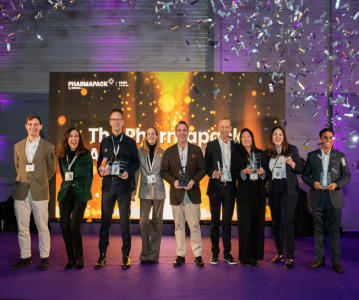
News Where Pharma Innovation Takes the Spotlight: Pharmapack Awards 2026
The 2026 Pharmapack Awards, held January 21, 2026, celebrated and recognised leading companies in the pharmaceutical packaging sector paving the way for packaging and drug delivery excellence in the future.
-
News Pharmapack 2026 - From the Floor
Celebrating its 25th anniversary in the city where it all started, Pharmapack 2026 is back in Paris! From January 21-22, 2026, Paris Expo Porte de Versailles opens its doors again to the pharmaceutical packaging and drug delivery sectors, ready for 2 d... -
News CPHI Frankfurt 2025 – From the Floor
In a full-circle moment, our From the Floor blog returns to Frankfurt for the 2025 edition of CPHI Frankfurt. Taking place over 3 days from 28–30 October, we're excited to be back in a city of global innovation to meet, collaborate, and grow ... -
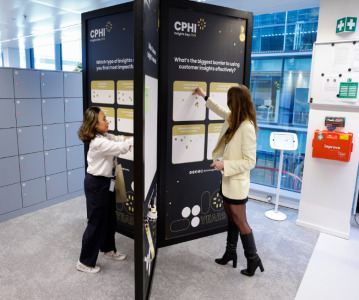
News Pharma in Focus: Key Findings from the CPHI community
Explore what the CPHI community has to say about the top trends emerging from the pharmaceutical industry and supply chain with our annual Strategic Insights infographic.
-
News Shaping the industry: Insights into the Future of Pharmaceutical Events
Discover key insights into the future of pharmaceutical events and explore how CPHI is shaping industry collaboration through tailored, innovative event experiences in this infographic.