
Pharmapack 2026 - From the Floor
.png)
Celebrating its 25th anniversary in the city where it all started, Pharmapack 2026 is back in Paris! From January 21-22, 2026, Paris Expo Porte de Versailles opens its doors again to the pharmaceutical packaging and drug delivery sectors, ready for 2 days of innovation and collaboration.
As with all our CPHI events, we're excited to bringing back our From the Floor blog to keep you updated on everything there is to do, learn, and explore at Pharmapack this year. Whether you're attending the show in-person or witnessing the action back home, this blog brings you live updates straight from the showfloor so you don't miss a thing.
Happen to be in Paris?
Don't miss out on the action and register for Pharmapack 2026! Click here to register now.
A Week at Pharmapack
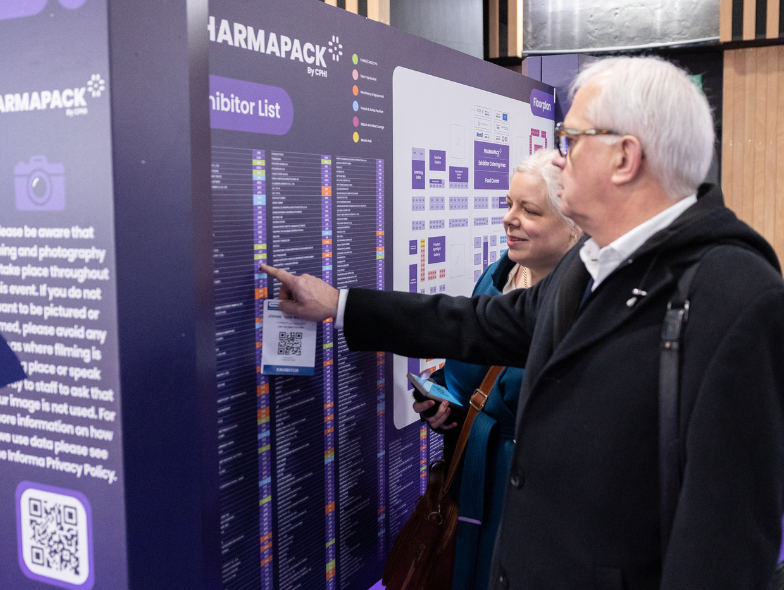
We understand that these trade shows can seem overwhelming. New content formats, interactive learning opportunities, and networking galas - it can be difficult to know where to start! Have no fear - we have laid out what your week at Pharmapack 2026 might look like, highlighting all the new and some returning key features to check out at this year's show.
Pharmapack at 25
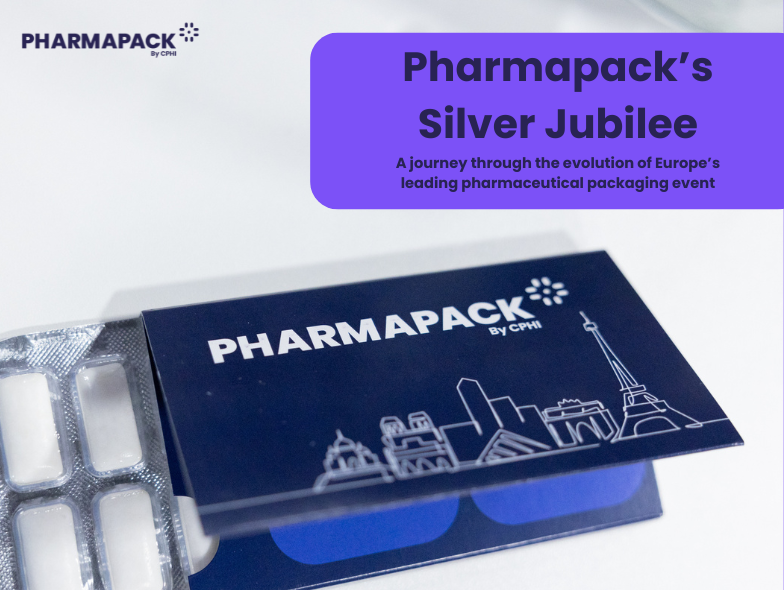 Pharmapack's Silver Jubilee: Celebrating 25 Years of Innovation
For 25 years, Pharmapack has been at the forefront of innovation, collaboration, and progress in the pharmaceutical packaging and drug delivery industry. This infographic takes you on a journey through Pharmapack's remarkable history, including an exclusive interview with Advisory Board Member Dr Pascale Gauthier.
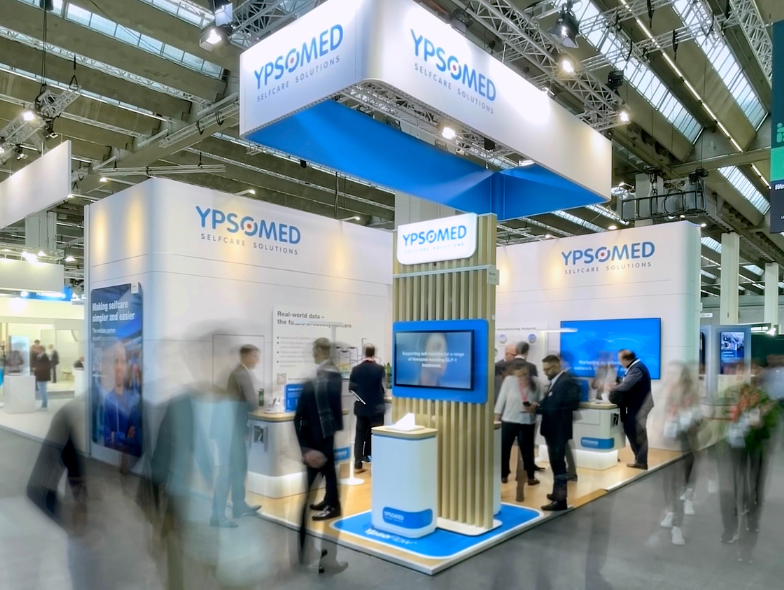 Shaping the future of self-injection: Ypsomed's innovations at Pharmapack's 25th anniversary
Pharmapack 2026 marks a significant milestone as it celebrates its 25th anniversary, bringing together global leaders in pharmaceutical packaging and drug delivery. In this exclusive interview, Ypsomed, a pioneering developer and manufacturer of subcutaneous self-injection solutions, shares insights into their innovative product lineup and their vision for the future of self-injection.
Shining a Light on Sustainability at Pharmapack
 Driving Sustainability with Citeo PRO: An Exclusive Interview
Citeo PRO is transforming professional packaging with innovative solutions, collective action, and a dedication to sustainability within the pharmaceutical sector. Discover how they are supporting companies at Pharmapack 2026 in this interview with Domitille Derennes, Head of Business Development at Citeo PRO.
Day 2
Past, Present, Future: Mapping the Pharma Industry’s Sustainability Journey brought together Silvia Forroava, Director of Partnerships & Sustainability at Informa Markets, and Agnès Maignien, Content Director at Informa Markets, for a timely conversation marking the 25th anniversary of PharmaPack.
The discussion served both as reflection and reminder: sustainability is no longer a peripheral concern but a central pillar of pharma packaging… shaping what the industry does today, and what it must achieve tomorrow. Silvia highlighted the power of collaboration, from partnerships and working groups that operate year-round to the global events where collective effort and shared learning can accelerate meaningful, lasting change.
Agnès traced much of this momentum back to consumer behaviour, noting how growing awareness and expectation around sustainability have driven industry transformation. Shaped by regulation and customer demand, the sector continues to innovate; adapting not only to comply, but to lead.
Informa’s role, they agreed, is to facilitate and support this progress: to provide a platform that showcases best practice, surfaces critical issues and hotspots, and brings the right voices together to find solutions that genuinely change how we work and live. As the Sustainability Collective grows - shaping Informa’s sustainability ethos across conference halls, workspaces and everyday conversations - the call for content is becoming increasingly clear and decisive.
Looking ahead, delegates were invited to help shape the proposition for 2026, a pivotal year in which sustainability will take centre stage with the launch of the inaugural CPHI Sustainability Summit. The expertise already exists within the community; Informa’s commitment is to provide the stage, the audience and the platform to amplify it.
Moderated by David Rakowski, EMEA Life Sciences Sustainability Lead at Deloitte, this panel brought together Jon Powell, Head of Manufacturing at Cambridge Design Partnership, and Régis Gautier, Executive Director of Packaging Development & Technology and Environmental Sustainability Lead at AstraZeneca.
The discussion explored how circularity is being embedded into AstraZeneca’s packaging strategy, with a particular focus on eliminating halogenated materials, reducing carbon footprint, designing for recyclability, and driving pack standardisation across the portfolio.
Using blister packs as a working example, the panel examined the principle that the pack comes first, then the overwrap. While blister packs play a critical protective role, the ambition is to create a fully recyclable system - meaning any protective overwrap must itself be recyclable. This highlighted the complexity of balancing product integrity, patient safety, and environmental performance.
A recurring theme was collaboration: innovation at this scale cannot happen in isolation. Equally important is how innovation is communicated internally. The panel stressed the need to translate complex, technical work into clear, simple narratives for senior leadership. The ability to “zoom out”, see the bigger picture, and elevate the headline impact - rather than dwelling solely in detail - was identified as key to securing engagement and momentum.
Questions from the audience addressed practical hurdles, including the availability of suitable materials, lengthy testing and validation timelines, and the reality that innovation can span many years. Yet, as several speakers noted, those years often pass faster than expected - reinforcing the importance of starting early and thinking long-term.
Ultimately, the panel challenged an industry often characterised by silos to step outside traditional boundaries, collaborate more openly, and rethink how progress towards circular packaging is achieved and communicated.
The Industry Power Hour, hosted by the Sustainability Collective, once again delivered a strong, insight-rich session on collaboration and progress in sustainable pharmaceutical packaging.
Nic Hunt (Nelipak / Healthcare Plastics Recycling Council) opened with an overview of HPRC’s cross-value-chain work to improve the handling, measurement, and recyclability of healthcare plastics. He highlighted collaboration with hospitals, the need for standardised design, and new design guidance - now adopted by MedTech designers - showing that recyclability can be improved without compromising performance.
Representing CIPPPA, Duncan Flack (Solstice Advanced Materials) stressed the importance of pre-competitive collaboration. CIPPPA brings industry players together to tackle packaging circularity, carbon reduction, and regulatory challenges through focused task forces on blister packs, injectables, and inhalers, forming part of a three-year plan to reduce waste and drive systemic change.
Nicholas Longhitano from Polymeris shared insights from a hospital-based field study examining polymers in healthcare settings. Polymeris connects the full value chain around research and innovation, with a shared goal of building confidence in the safe use of recycled plastics in medical applications.
From the Pharmaceutical Supply Chain Initiative (PSCI), Simon Hodgson outlined the organisation’s reach - representing over 70% of the industry- and its Three Pillars of Audit, Capability, and Projects. Guided by strong ESG principles, PSCI is well positioned to identify issues, scale solutions, and accelerate decarbonisation.
Closing the session, Marion Briggs spoke on behalf of the Alliance to Zero, which takes a deliberately narrow but deep focus on decarbonising auto-injectors. Again, utilising Three Pillars, her message was clear: targeted, cross-sector collaboration can deliver meaningful progress towards circular, low-carbon medical devices.
A concise, thought-provoking session that reinforced the power of focused collaboration across the pharmaceutical packaging ecosystem.
Lucy Baldwin (Head of Research & Strategy, Ensera Design), presented a riveting case study on a partnership between Ensera Design & AstraZeneca for the design and development of a combination drug delivery packaging ecosystem that put users at the centre.
.jpg) Discussing the partnership’s methodology, Baldwin began with a short quiz to test the audience’s knowledge on the true cost and risk of user-factor studies and behaviour. Between 30-45% of products that go to market after approval fail. Patient non-adherence, failure of the product in market, and other factors all contribute to this number. However, for companies that include user studies from the very start of a product’s design and development, they can make US$100 for every US$1 invested into it. With all that being said, Baldwin emphasised the importance in integrating the user and maximising user value throughout the development of a drug delivery packaging ecosystem, not only benefitting patients but also companies looking to de-risk their product pipelines.
Discussing the partnership’s methodology, Baldwin began with a short quiz to test the audience’s knowledge on the true cost and risk of user-factor studies and behaviour. Between 30-45% of products that go to market after approval fail. Patient non-adherence, failure of the product in market, and other factors all contribute to this number. However, for companies that include user studies from the very start of a product’s design and development, they can make US$100 for every US$1 invested into it. With all that being said, Baldwin emphasised the importance in integrating the user and maximising user value throughout the development of a drug delivery packaging ecosystem, not only benefitting patients but also companies looking to de-risk their product pipelines.
The final day of Pharmapack 2026 is upon us - the final deals are being made, attendees are rolling their luggage through the cloakrooms, and stands are starting to come down. However, there is still so much to do before the doors officially close on the 25th edition of Pharmapack.
Wandering the show floor, there is a palpable buzz from last night's announcement - Pharmapack is headed to Asia in November 2026! The Southeast Asian region is ready to welcome this exciting and collaborative initiative between Informa Markets and the Singaporean Government, recognising it as a key region in the future development of the pharmaceutical packaging sector.
.jpg) The day isn't done yet - be sure to check out all the remaining conference sessions and workshops, and pick up the last of your freebies such as these adorable notebooks from D.O.G. GmBH.
The day isn't done yet - be sure to check out all the remaining conference sessions and workshops, and pick up the last of your freebies such as these adorable notebooks from D.O.G. GmBH.
Day 1
.jpg) The Pharmapack 2026 Awards Ceremony was a night to remember, filled with celebration, recognition, and exciting announcements! The evening honoured the brightest innovations in pharmaceutical packaging and drug delivery, while also paying tribute to a true industry icon. Marie-Christine Giacone of BD Pharmaceuticals was celebrated for her remarkable dedication, retiring after 25 years of unwavering attendance at Pharmapack. Her contributions and commitment to the event and the industry were met with heartfelt applause and admiration.
The Pharmapack 2026 Awards Ceremony was a night to remember, filled with celebration, recognition, and exciting announcements! The evening honoured the brightest innovations in pharmaceutical packaging and drug delivery, while also paying tribute to a true industry icon. Marie-Christine Giacone of BD Pharmaceuticals was celebrated for her remarkable dedication, retiring after 25 years of unwavering attendance at Pharmapack. Her contributions and commitment to the event and the industry were met with heartfelt applause and admiration.
.jpg) Adding to the excitement, the ceremony concluded with the thrilling announcement of Pharmapack Asia, set to debut in Singapore this November 2026. This expansion marks a new chapter for the Pharmapack community, bringing its spirit of innovation and collaboration to a dynamic new region. It was a fitting end to an unforgettable evening, as the industry came together to celebrate its achievements and look forward to the future.
Adding to the excitement, the ceremony concluded with the thrilling announcement of Pharmapack Asia, set to debut in Singapore this November 2026. This expansion marks a new chapter for the Pharmapack community, bringing its spirit of innovation and collaboration to a dynamic new region. It was a fitting end to an unforgettable evening, as the industry came together to celebrate its achievements and look forward to the future.
Perhaps most exciting of all for the Content team was this macaron tower, filled with blueberry and vanilla macarons.
Anna Ma discussed the role of product-level carbon footprints in supporting climate action within the healthcare sector. She opened by sharing contextual figures commonly referenced in the industry, highlighting the importance of upstream Scope 3 emissions and the growing number of organisations setting long-term net-zero ambitions.
The session focused on how carbon footprint data can be used to identify patterns, challenges, and opportunities for improvement, rather than being treated as an end in itself. Anna also reviewed emerging standards and guidance, including ISO standards, TfS guidelines, PAS 2090 for pharmaceuticals, and wider regulatory and sector initiatives.
To illustrate practical application, Anna referenced real-world case studies involving BASF, GSK, and Johnson & Johnson, focusing on how data can help highlight priority areas for engagement.
She concluded by suggesting that product-level data can support more focused, informed approaches to addressing emissions hotspots across the industry.
Sustainability is often described as meeting present needs without compromising the ability of future generations to meet their own. In practice, however, it tends to unfold through a series of small, practical decisions. As Michael Earl (CEO, Eco-inject Ltd) noted in his session on 'Sustainability Without Compromise', environmental ambition frequently meets the realities of cost, expectation, and delivery.
.jpg) Against this background, Michael shared the story behind the development and launch of Eco-Inject, focusing less on bold claims and more on the questions that shaped the process along the way.
Against this background, Michael shared the story behind the development and launch of Eco-Inject, focusing less on bold claims and more on the questions that shaped the process along the way.
Rather than starting with fixed answers, the project evolved through exploration… looking to other industries for reference points, considering the use of plant-based mouldings, and examining whether more localised manufacturing could play a role. Each idea brought its own considerations, requiring evaluation rather than assumption.
What emerged was not a single solution, but a clearer picture of how sustainability is often approached in practice: incrementally, thoughtfully, and with an awareness of the compromises that sit alongside progress.
Anthony Chuter, a self-employed healthcare researcher and advocate, delivered a compelling keynote addressing the challenges faced by chronic pain sufferers and the urgent need for patient-centred solutions in healthcare. Drawing on personal experiences, including painful kidney injections and the struggle to feel heard, Anthony highlighted the transformative impact of initiatives like the Expert Patients Programme, which empower individuals to self-manage their health through tools, skills, and support.
He raised critical concerns about patient safety and adherence, emphasising the confusion caused by non-standardised packaging, inconsistent pill shapes and colours, and poorly designed information leaflets. These issues disproportionately affect vulnerable groups, such as older adults and those with learning disabilities. Liquid medications, such as high-viscosity opiates, present additional risks due to difficult measurement, which can lead to dangerous errors.
Anthony proposed practical solutions, including standardising pill shapes, colours, and packaging text across manufacturers, improving information leaflets with clear, accessible content (e.g., QR codes), and involving the public in packaging design to enhance safety and adherence. Innovations such as pre-measured liquid doses and safer delivery methods were also suggested to reduce risks.
Sharing his own experience of switching from testosterone gel to painful injections with varying doses and brands, Anthony underscored how such patient safety incidents can deter individuals from continuing treatment. He called for greater public involvement in healthcare research and collaboration with organisations like Pain UK and ABPI to create safer, more effective, and patient-friendly healthcare systems.
As Pharmapack Paris celebrates its 25th anniversary, the Sustainability Theatre programme opened with a timely session examining how the pharmaceutical sector can move towards nature-positive outcomes… and why this shift is becoming a strategic imperative rather than a moral add-on.
Working Towards Nature Positive Outcomes for the Pharma Sector
Following opening remarks from Marion Briggs (Associate Director, SLR Consulting), speakers Holly Metcalfe (Manager, Nature Action, WBCSD), and Dr Jakob Prüss (Global Lead, Product Sustainability and Stewardship, Takeda) framed the discussion around a powerful business analogy: the risk posed by disruption to a critical supplier. Nature, Holly argued, is the industry’s most indispensable supplier, underpinning more than half of global GDP. Yet despite this dependence, nature continues to be marginalised in business decision-making. The challenge for pharma, she suggested, is to redefine its relationship with nature in operational, measurable terms.
The session highlighted how this reframing also unlocks opportunity. WBCSD’s Roadmap to Nature Positive provides a structured framework for action, identifying priority impact areas for the pharmaceutical sector, including water supply and purification, climate resilience, bio-based products, and the sourcing and use of generic materials. However, translating ambition into action depends on credible measurement. This remains a key barrier across industries, and one that WBCSD’s Nature Action Portal seeks to address by supporting progress towards a globally aligned nature measurement protocol.
Dr Jakob Prüss then shared how Takeda is embedding nature into its corporate strategy through its Patient, People, Planet approach. This framework supports the company in responding to healthcare challenges intensified by climate change, including the growing risks associated with vector-borne diseases. Practical examples included the redesign of pharmaceutical packaging to incorporate recycled plastics without compromising patient safety.
Jakob also underlined the importance of cross-value-chain collaboration, highlighting a joint initiative with Boston Medical to decarbonise medical waste disposal… an approach that shows strong potential for wider adoption.
The session underscored a clear message: nature-positive transformation in pharma will depend on robust measurement, systemic collaboration, and a willingness to rethink long-established practices. But, - and a great takeaway from the opening session - momentum is building, and practical pathways are emerging.
.jpg) The opening ceremony was a cosy yet vibrant affair, perfectly setting the tone for the exciting event ahead. Attendees were welcomed into a warm and inviting atmosphere, where the energy was palpable, and the camaraderie among participants was evident. Adding a touch of indulgence to the morning, guests had the unique option to enjoy a glass of bubbly at 10 a.m., creating a celebratory mood right from the start.
The opening ceremony was a cosy yet vibrant affair, perfectly setting the tone for the exciting event ahead. Attendees were welcomed into a warm and inviting atmosphere, where the energy was palpable, and the camaraderie among participants was evident. Adding a touch of indulgence to the morning, guests had the unique option to enjoy a glass of bubbly at 10 a.m., creating a celebratory mood right from the start.
The stands are up, the halls are buzzing, and the connections are flowing! Pharmapack 2026 has officially opened its doors and we can't wait for an incredible two days of innovation, networking, and groundbreaking advancements in pharmaceutical packaging and drug delivery solutions!
The opening ceremony is slated to start at 10am CET, so be sure to head to the Product Gallery and be part of the fun.
Day 0
.jpg) Paris, je t'aime!
Paris, je t'aime!
The excitement is building as the Pharmapack 2026 show floor begins to take shape on Day 0! Set-up day is in full swing, and the atmosphere is buzzing with energy as exhibitors, organisers, and teams work tirelessly to transform the venue into a showcase of pharmaceutical packaging innovation. From the hum of forklifts to the careful assembly of stands, every corner of the exhibition hall is alive with activity.
Exhibitors are putting the final touches on their displays, ready to unveil cutting-edge solutions and pioneering technologies to the global pharma community. The sense of collaboration and shared purpose is truly inspiring, as everyone works together to ensure this year’s Pharmapack is the best yet. .jpg)
Behind the scenes, the Pharmapack team is hard at work, ensuring every detail is perfect – from signage to networking areas – creating the ideal environment for connections and ideas to thrive. The countdown to the grand opening is on, and the anticipation is electric. Stay tuned to this live blog for exclusive updates, sneak peeks, and behind-the-scenes highlights as we prepare for an extraordinary event!
And there's still time to register to witness all this excitement in Hall 4 for yourself! Register here to attend Pharmapack 2026.
Related News
-

News A Day in the Life of a CPHI Attendee
The series aims to highlight some of the indispensable talent involved in all aspects of the pharma value chain, getting to know the people working towards better healthcare across the world. This special edition aims to get to know the people attendin... -
News CPHI Pharma Awards 2026: Recognising Excellence in an Evolving Industry
Submissions now open — deadline May 16
-
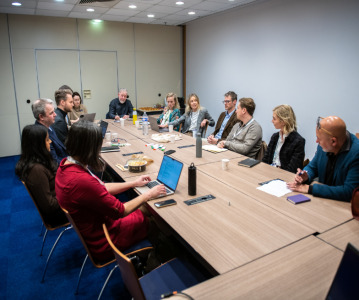
News Packaging Under Pressure: Where Sustainability in Pharma Meets Reality
A Reflection on the Sustainability Collective Roundtable Session at Pharmapack 2026
-
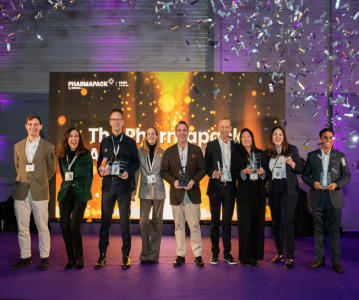
News Where Pharma Innovation Takes the Spotlight: Pharmapack Awards 2026
The 2026 Pharmapack Awards, held January 21, 2026, celebrated and recognised leading companies in the pharmaceutical packaging sector paving the way for packaging and drug delivery excellence in the future.
-
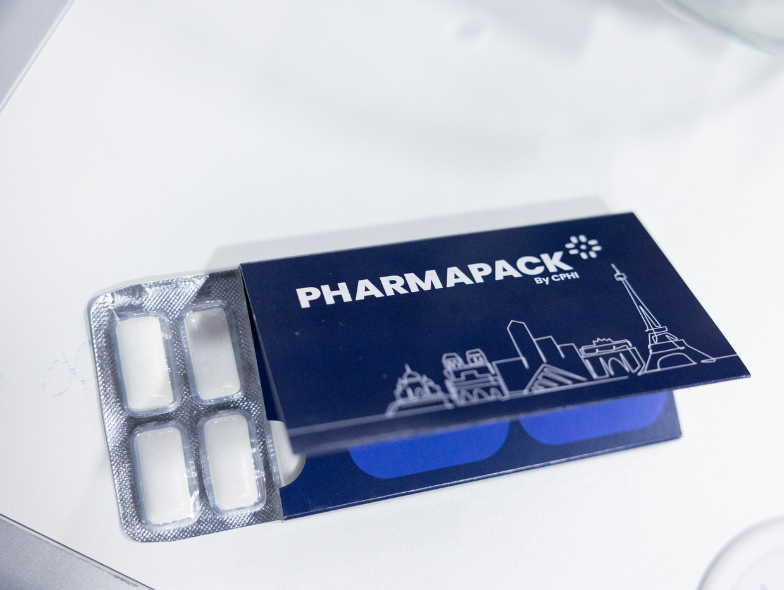
News Reshaping Pharmaceutical Packaging’s Sustainable Future at Pharmapack 2026
Pharmapack 2026 returns as the pharmaceutical packaging industry's premier gathering, bringing together global leaders, innovators, and decision-makers for an unparalleled showcase of cutting-edge solutions and strategic insights.
-
News CPHI Frankfurt 2025 – From the Floor
In a full-circle moment, our From the Floor blog returns to Frankfurt for the 2025 edition of CPHI Frankfurt. Taking place over 3 days from 28–30 October, we're excited to be back in a city of global innovation to meet, collaborate, and grow ... -
News Pharma in Focus: Key Findings from the CPHI community
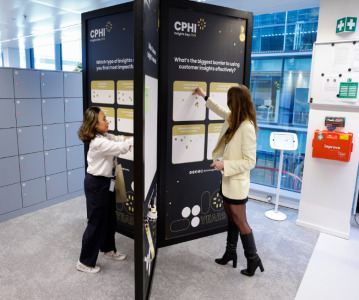
Explore what the CPHI community has to say about the top trends emerging from the pharmaceutical industry and supply chain with our annual Strategic Insights infographic.
-
News Shaping the industry: Insights into the Future of Pharmaceutical Events
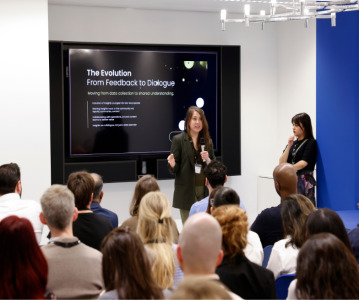
Discover key insights into the future of pharmaceutical events and explore how CPHI is shaping industry collaboration through tailored, innovative event experiences in this infographic.