
Driving Sustainability with Citeo PRO: An Exclusive Interview

Citeo PRO is transforming professional packaging with innovative solutions, collective action, and a dedication to sustainability within the pharmaceutical sector. Discover how they are supporting companies at Pharmapack 2026 in this interview with Domitille Derennes, Head of Business Development at Citeo PRO.
.png) Citeo PRO is an eco-organization approved in March 2024 to structure the EPR (Extended Producer Responsibility) for foodservice packaging in France. As a candidate for approval for the EPR of professional packaging, Citeo Pro supports companies in moving toward more responsible and sustainable packaging management.
Citeo PRO is an eco-organization approved in March 2024 to structure the EPR (Extended Producer Responsibility) for foodservice packaging in France. As a candidate for approval for the EPR of professional packaging, Citeo Pro supports companies in moving toward more responsible and sustainable packaging management.
How has your organisation started? What was your goal?
Citeo Pro is a non-profit eco-organisation dedicated to professional packaging. Its mission is to facilitate, finance, and support the end-of-life management of professional packaging to reduce its environmental impact. Approved since 2024 for the food service packaging EPR (Extended Producer Responsibility) scheme, Citeo Pro has also applied for approval for the new professional packaging EPR scheme, which will come into effect in July 2026.
The EPR system is based on the ‘polluter pays’ principle: companies that place packaging on the market are responsible for financing its end-of-life. This new EPR scheme will apply to a wide range of professional packaging such as pallets, crates, cardboard boxes, plastic films, or industrial glass packaging, with the objective of better structuring their collection, reuse, and recycling.
What are the challenges that you see currently in making pharmaceutical packaging more sustainable?
The professional packaging sector will need to address challenges that are specific to its uses and to the health and pharmaceutical sector.
For the pharmaceutical sector, one of the main challenges is to identify acceptable levers for reduction, reuse, or recycling while ensuring strict hygiene, safety, and product integrity requirements.
The sector also generates healthcare waste, including infectious medical waste, which is subject to specific regulatory and operational constraints. Its interaction with the new professional packaging EPR scheme must be carefully considered.
Finally, according to the scope regulation published by public authorities, glass packaging from the medical and veterinary sectors will now fall under the professional packaging category. This represents a significant challenge, as the sector will need to organise dedicated collection and recycling streams for this specific flow.
What are the opportunities that Citeo PRO brings when it comes to more sustainable packaging?
Citeo Pro’s role is to create the conditions for a structured, efficient, and collective approach to sustainability.
Citeo Pro relies on a principle of mutualisation: by pooling efforts and resources across sectors, we enable economies of scale, innovation, and the deployment of solutions that would be difficult to implement individually.
We also act as a facilitator between all stakeholders to accelerate the development of dedicated recycling channels and improve the environmental performance of professional packaging, including in complex sectors such as pharmaceuticals.
How do you see collaboration across the pharmaceutical supply chain contributing to more sustainable packaging practices?
At Citeo Pro, our role as a Producer Responsibility Organisation is to structure the sector around shared objectives for reduction, reuse, and recycling.
These objectives can only be achieved through close collaboration across the entire value chain. By encouraging dialogue, sharing data, and aligning practices, collaboration enables the development of solutions that are both environmentally efficient and compatible with the sector’s regulatory and safety standards. It is this collective dynamic that will allow the professional packaging EPR scheme to deliver concrete results.
What role do regulations and global sustainability standards play in shaping your approach to eco-friendly pharmaceutical packaging?
Extended Producer Responsibility schemes have already demonstrated their effectiveness in household packaging in France. They have helped embed sorting practices into everyday life and significantly improve recycling performance for many materials. While challenges remain, particularly for plastic recycling, clear progress markers exist, and the levers for improvement are well identified.
A concrete example: in Europe, the recycling rate for plastic packaging increased to 41% in 2021, compared to less than 20% in the early 2000s. Regulations and sustainability standards provide a clear framework, long-term visibility, and measurable targets, which are essential to drive investment, innovation, and behavioural change across the sector.
What are you excited about to see at Pharmapack and what would be the message to your audience?
Pharmapack is a key opportunity to discuss the specific challenges of the health sector, share insights on regulatory developments and continue building this new EPR scheme alongside producers. Our message is clear: this transition can only succeed through anticipation, dialogue, and collective action. Citeo Pro is ready to support pharmaceutical players in this transformation and to build a robust, efficient, and sustainable professional packaging value chain together.
Related News
-

News Swiss pharma industry warns US tariffs could harm global patient care
The Swiss pharmaceutical sector has raised alarms over new US tariffs on medicines, warning of disrupted supply chains, increased costs, and delayed innovation, all of which could jeopardise patient access to essential treatments worldwide.
-

News Women in Pharma: CPHI India – India’s Pharmaceutical Industry and Gender Inclusion Challenges
India’s pharmaceutical industry has emerged as a significant player in the global market, valued at USD 50 billion in FY 2023-2024, according to Frost & Sullivan’s analysis. This sector encompasses a diverse portfolio, including drugs, vacc... -
News Biogen acquires Apellis Pharmaceuticals to boost immunology and rare disease profile
Biogen Inc. has announced its acquisition of Apellis Pharmaceuticals, Inc., a move that is set to significantly enhance its growth portfolio in immunology and rare diseases. The agreement, valued at approximately US$5.6 billion, will see Biogen purchas... -

News Gilead Sciences acquires Ouro Medicines for over US$2 billion
Gilead Sciences confirms a deal to take over Ouro Medicines, adding to a portfolio of therapies for autoimmune diseases.
-
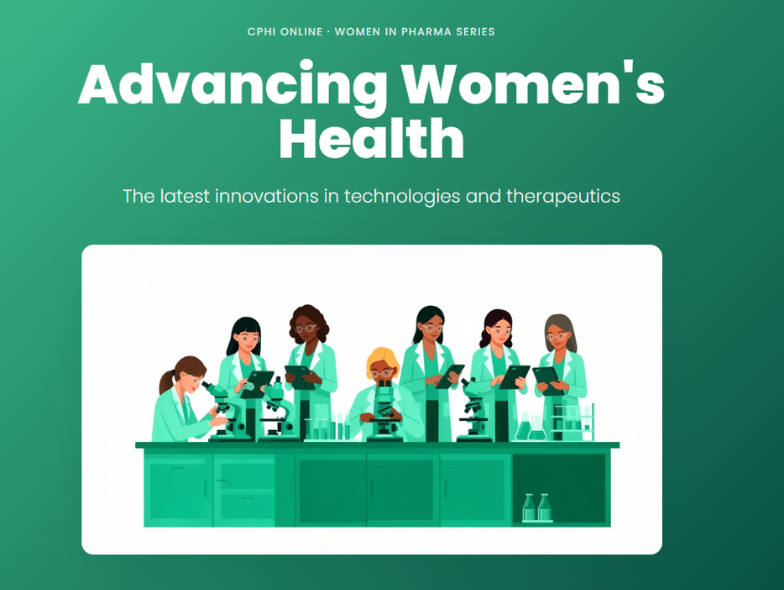
News Women in Pharma: Advancing Women's Health
Discover the latest innovations in technologies and therapeutics that are revolutionising women's health in our latest CPHI Online Women in Pharma infographic.
-

News CPHI Pharma Awards 2026: Recognising Excellence in an Evolving Industry
Submissions now open — deadline May 16
-
News Dr Reddy's to launch generic semaglutide in India
Dr Reddy’s Laboratories, one of India’s leading pharmaceutical companies, is preparing to launch a generic version of semaglutide, branded as Obeda, in March. Obeda is expected to provide a more affordable alternative to Ozempic a... -

News Frontier Biotech and GSK Forge RNA Therapy Partnership
Frontier Biotechnologies and GSK have entered a global licensing agreement to advance small interfering RNA (siRNA) therapeutics. This collaboration grants GSK exclusive rights to develop and commercialise two promising siRNA candidates, marking a mile...