
Women in Pharma: CPHI India – India’s Pharmaceutical Industry and Gender Inclusion Challenges

India’s pharmaceutical industry has emerged as a significant player in the global market, valued at USD 50 billion in FY 2023-2024, according to Frost & Sullivan’s analysis. This sector encompasses a diverse portfolio, including drugs, vaccines, generics, biologics, and biosimilars. The Ministry of Statistics and Programme Implementation (MoSPI) reported that the industry employed approximately 926,000 workers in FY 2022-2023, highlighting its critical role in the economy. However, despite its growth, gender representation within the sector remains disproportionately low, reflecting broader systemic challenges in women’s workforce participation.
A recent report from Frost & Sullivan, in partnership with CPHI India, highlights key takeaways from an industry roundtable exploring the critical challenges for the Indian pharmaceutical in leveraging workforce talent, the opportunities for advancing gender equality and inclusion in India’s pharmaceutical manufacturing sector, and key factors that will help women grow in their careers.
Women’s Workforce Participation: Progress and Barriers
MoSPI’s Periodic Labour Force Survey (PLFS) revealed an increase in female Labour Force Participation Rate (LFPR) from 37.0% in July 2022–June 2023 to 41.7% in July 2023 through to June 2024. However, women’s representation in formal manufacturing sectors, including pharmaceuticals, remains limited, with only 10-12% participation compared to 20% in the broader manufacturing industry. This under-representation persists despite rising overall participation, indicating systemic barriers such as unconscious bias, entrenched gender stereotypes, and limited access to mentorship and leadership opportunities.
To address these challenges, fostering professional networking, mentorship, and gender-neutral environments is essential. These measures can help women overcome barriers and advance into senior roles, driving inclusive growth in one of India’s most strategic industries.
Building and Sustaining Professional Networks
Women’s representation in leadership roles remains low, with only 18% of board seats in NSE-listed companies held by women, and even fewer in manufacturing sectors (14%). Additionally, less than 30% of women enrolled in advanced technical training programs progress into supervisory or leadership roles. These gaps underscore the importance of professional networks, which provide mentorship, sponsorship, and visibility—critical factors for overcoming systemic barriers.
Government initiatives such as the Women Entrepreneurship Platform (NITI Aayog) and Startup India explicitly recognise networking and mentorship as key enablers for women’s career progression. However, societal norms and gendered expectations often hinder women’s confidence and participation in professional events. For instance, NFHS-5 data shows that over 50% of women report needing permission for mobility outside the home, directly impacting their ability to engage in networking opportunities.
Women disproportionately shoulder unpaid care work, averaging 4.5 hours per day compared to 0.5 hours for men, as confirmed by MoSPI’s Time Use Survey (2019). This imbalance leaves limited time for professional development, making formal and informal networks even more vital for mentorship and career advancement.
Informal networking, which fosters deeper connections, is particularly important in India, where 86% of women entrepreneurs report rarely or never participating in networking events. Initiatives like “BOBO” (Be One, Bring One) and “BODO” (Be One, Develop One) have proven effective in encouraging women to break networking barriers and seek mentorship.
Peer Mentorship and Reverse Mentoring
India’s workforce is increasingly young, with approximately 65% under the age of 35. Government-backed programs such as the PM Internship Scheme and Skill India Digital leverage youth talent for mentorship and reverse mentoring. These initiatives enable multi-directional mentoring models, where younger professionals contribute fresh perspectives and digital fluency to enterprise workflows.
Programs like Atal Innovation Mission’s “Mentor India” and NIELIT’s Mentor–Mentee Programme institutionalise mentoring, blending expert guidance with student participation. Similarly, Mission Karmayogi’s iGOT platform tracks mentoring outcomes, linking them to organisational KPIs such as performance improvements.
Reverse mentoring is particularly relevant as Gen Z professionals bring expertise in AI, data, and cybersecurity. Initiatives like Future Skills Prime (MeitY–NASSCOM) certify learners in emerging technologies, positioning them to mentor senior colleagues and accelerate digital adoption.
Visibility and Recognition of Women’s Contributions
A significant portion of women’s work remains unpaid or informal, as revealed by PLFS 2023-24 data. While 36.7% of women contribute to unpaid household work, only 25% engage in paid work compared to 75% of men. This disparity highlights the need to formally recognise women’s contributions, including mentoring, team coordination, and process upkeep.
Government initiatives such as NITI Aayog’s Women Entrepreneurship Platform (WEP) and the Nari Shakti Puraskar celebrate women’s leadership and contributions. These programs combine recognition with ongoing training, mentorship, and market access, turning visibility into sustained capability and growth.
Organisations can emulate these models by incorporating mentoring and team support into performance metrics and celebrating diverse leadership styles. Mission Karmayogi’s competency-based approach offers a template for recognising collaborative, data-driven, and community-oriented leadership styles.
Challenging Stereotypes and Unconscious Bias
Despite progress, unconscious bias and stereotypes continue to shape workplace realities, influencing hiring decisions, promotions, and everyday interactions. PLFS data for July-September 2025 revealed that while female LFPR rose to 33.7%, urban female Work Participation Rate (WPR) remained low at 23.5%. These figures reflect systemic barriers that hinder women’s representation in stable, formal roles.
Bias often manifests subtly, through performance evaluations that undervalue collaborative work or leadership pipelines that favour traditional career trajectories. Working mothers face harsher penalties, including career setbacks and negative changes in pay or role after maternity leave.
Addressing unconscious bias requires measurable actions, such as auditing recruitment and promotion pipelines, protecting maternity transitions, and embedding bias-awareness training for managers and HR. Recognising invisible work and incorporating mentoring into performance metrics can also help create balanced work environments.
Conclusion
India’s pharmaceutical industry offers immense opportunities for women, but systemic barriers must be addressed to fully leverage their talent. Professional networking, mentorship, visibility, and recognition are critical for overcoming unconscious bias and driving inclusive growth. By fostering gender-neutral environments and celebrating diverse leadership styles, India can unlock the potential of women in one of its most strategic industries.
Read the full report below.
Related News
-

News Swiss pharma industry warns US tariffs could harm global patient care
The Swiss pharmaceutical sector has raised alarms over new US tariffs on medicines, warning of disrupted supply chains, increased costs, and delayed innovation, all of which could jeopardise patient access to essential treatments worldwide.
-

News Biogen acquires Apellis Pharmaceuticals to boost immunology and rare disease profile
Biogen Inc. has announced its acquisition of Apellis Pharmaceuticals, Inc., a move that is set to significantly enhance its growth portfolio in immunology and rare diseases. The agreement, valued at approximately US$5.6 billion, will see Biogen purchas... -

News Gilead Sciences acquires Ouro Medicines for over US$2 billion
Gilead Sciences confirms a deal to take over Ouro Medicines, adding to a portfolio of therapies for autoimmune diseases.
-
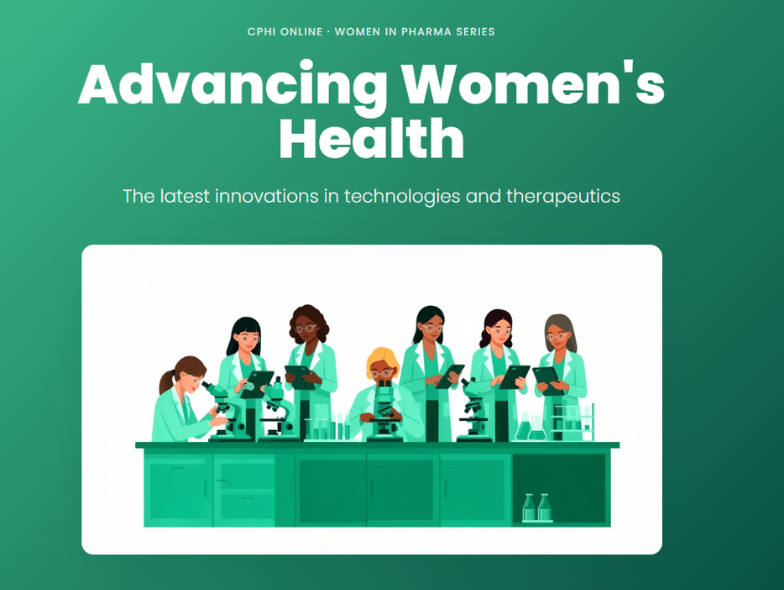
News Women in Pharma: Advancing Women's Health
Discover the latest innovations in technologies and therapeutics that are revolutionising women's health in our latest CPHI Online Women in Pharma infographic.
-

News CPHI Pharma Awards 2026: Recognising Excellence in an Evolving Industry
Submissions now open — deadline May 16
-

News Dr Reddy's to launch generic semaglutide in India
Dr Reddy’s Laboratories, one of India’s leading pharmaceutical companies, is preparing to launch a generic version of semaglutide, branded as Obeda, in March. Obeda is expected to provide a more affordable alternative to Ozempic a... -
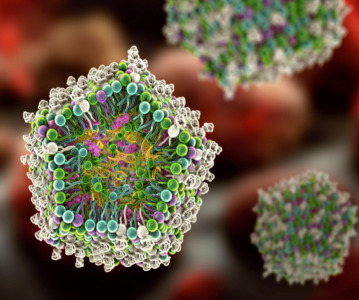
News Frontier Biotech and GSK Forge RNA Therapy Partnership
Frontier Biotechnologies and GSK have entered a global licensing agreement to advance small interfering RNA (siRNA) therapeutics. This collaboration grants GSK exclusive rights to develop and commercialise two promising siRNA candidates, marking a mile... -

News Eli Lilly eyes India as next global export hub
Eli Lilly and Co. is positioning India as a key player in its global supply chain, driven by the booming success of its diabetes and obesity drug, Mounjaro.