- Home
- Biopharmaceutical Products
CPHI Online is the largest global marketplace in the pharma ingredients industry
-
Products551,744
-
Companies7,781
-
Articles11,636
-
Events8
-
Webinars342
Biopharmaceutical Products
- Academia and Research Centres (Biopha...
- Analytical Chemistry (Biopharmaceutic...
- Analytical Methods (Biopharmaceutical...
- Antibody Drug Conjugates (ADCs)
- Antisense, RNA
- Assays
- Bio Clusters
- Bio process technologies
- Bioelectronics
- Bioinformatics (Biopharmaceutical Pro...
- Biomanufacturing
- Biopharmaceuticals (General Category)
- Bioreactors & Fermentation
- Biosimilars
- Biotechnology and related specialities
- Capacity challenges
- Cell & Gene therapy
- Chemistry, Manufacturing and Controls...
- Chinese Hamster Ovaries (CHO) and cel...
- Continuous Bioprocessing
- Critical quality attributes
- Diagnostics (Biopharmaceutical Products)
- Downstream
- Expression platforms
- Genomics & Proteomics (Biopharmaceuti...
- Immunology (Biopharmaceutical Products)
- Leachables/Extractables/Particulates
- Medicinal Chemistry (Biopharmaceutica...
- Molecular Biology
- Monoclonal Antibodies
- Platform technologies
- Process Validation (Biopharmaceutical...
- Protein chemistry (Biopharmaceutical ...
- Regenerative Medicine
- Tech transfer and Scale up
- Technology and Software (Biopharmaceu...
- Tissue Culture Medias
- Toxicology / Virology (Biopharmaceuti...
- Upstream
- Viral Clearance
Biopharmaceutical Products Companies (200)

































.jpg)




























































































































Biopharmaceutical Products News
-

News CPHI Milan 2026: From the Floor
Welcome to our live coverage from the heart of the pharmaceutical industry's most anticipated event of the year! As CPHI Milan 2026 unfolds across the sprawling exhibition halls of Fiera Milano, we're bringing you real-time insights, breakthrou...8 Oct 2026 -

News AstraZeneca shares plunge 8.9% after reports of BMS talks
Britain's largest drugmaker lost more than GBP£17 billion in market value following reports of preliminary merger discussions with Bristol Myers Squibb that could create a pharmaceutical giant worth nearly US$400 billion, though investors rem...4 Aug 2026 -
News Federal judge blocks Colorado's unprecedented price cap on Amgen's Enbrel
A US federal court has halted Colorado's attempt to impose a US$31,200 annual price cap on Amgen's arthritis drug Enbrel, ruling that the pharmaceutical company would likely suffer irreparable harm. The decision represents a significant blow to...2 Jul 2026 -
News Roche maintains German investment commitment whilst rivals scale back
Pharmaceutical giant Roche has reaffirmed its commitment to investing in Germany, standing firm even as competitors Eli Lilly and Boehringer Ingelheim dramatically reduce their planned investments in response to controversial healthcare reforms.
9 Jun 2026 -

News EU drafts deal to end essential medicines shortage
European negotiators have agreed new legislation to tackle persistent shortages of essential medicines by prioritising supply security over price in public procurement and supporting domestic pharmaceutical manufacturing with strategic funding.
12 May 2026 -

News Swiss pharma industry warns US tariffs could harm global patient care
The Swiss pharmaceutical sector has raised alarms over new US tariffs on medicines, warning of disrupted supply chains, increased costs, and delayed innovation, all of which could jeopardise patient access to essential treatments worldwide.
9 Apr 2026 -

News Women in Pharma: CPHI India – India’s Pharmaceutical Industry and Gender Inclusion Challenges
India’s pharmaceutical industry has emerged as a significant player in the global market, valued at USD 50 billion in FY 2023-2024, according to Frost & Sullivan’s analysis. This sector encompasses a diverse portfolio, including drugs, vacc...7 Apr 2026 -
News Biogen acquires Apellis Pharmaceuticals to boost immunology and rare disease profile
Biogen Inc. has announced its acquisition of Apellis Pharmaceuticals, Inc., a move that is set to significantly enhance its growth portfolio in immunology and rare diseases. The agreement, valued at approximately US$5.6 billion, will see Biogen purchas...1 Apr 2026 -
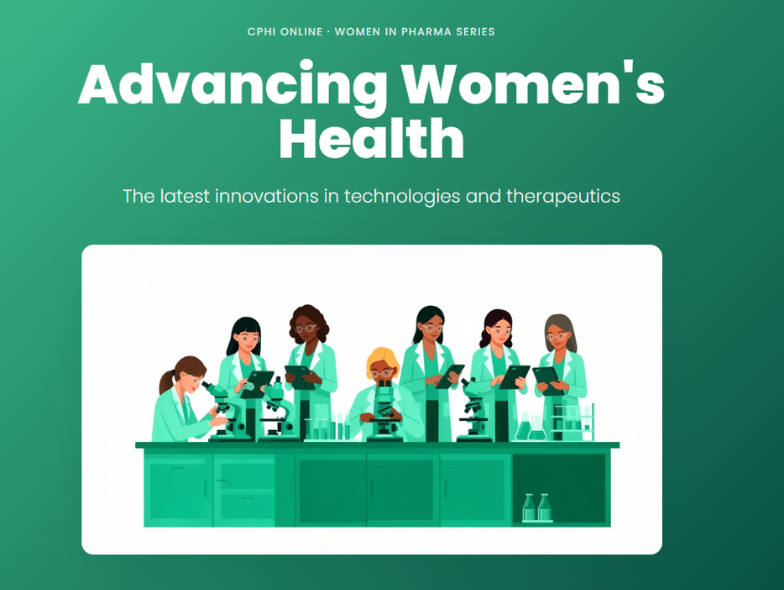
News Women in Pharma: Advancing Women's Health
Discover the latest innovations in technologies and therapeutics that are revolutionising women's health in our latest CPHI Online Women in Pharma infographic.
17 Mar 2026 -

News CPHI Pharma Awards 2026: Recognising Excellence in an Evolving Industry
Submissions now open — deadline May 16
10 Mar 2026 -
News Dr Reddy's to launch generic semaglutide in India
Dr Reddy’s Laboratories, one of India’s leading pharmaceutical companies, is preparing to launch a generic version of semaglutide, branded as Obeda, in March. Obeda is expected to provide a more affordable alternative to Ozempic a...25 Feb 2026 -

News Pharmaceutical Supply Chain People Moves
The latest appointments, promotions, and structural changes across the pharmaceutical supply chain.
28 Jan 2026 -

News Women in Pharma: The Final Chapter of 2025
Our monthly Women in Pharma series highlights the influential lives and work of impactful women working across the pharmaceutical industry, and how the industry can work towards making the healthcare industry and workplace more equitable and ...10 Dec 2025 -
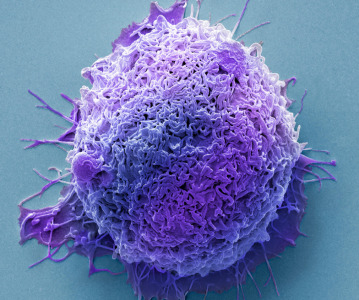
News AI-powered therapy offers hope for rare familial polyposis
Recursion Pharmaceuticals has announced promising results from its ongoing early- to mid-stage trial evaluating its AI-powered treatment, REC-4881, for familial adenomatous polyposis (FAP).
9 Dec 2025 -

News CPHI Frankfurt 2025 – From the Floor
In a full-circle moment, our From the Floor blog returns to Frankfurt for the 2025 edition of CPHI Frankfurt. Taking place over 3 days from 28–30 October, we're excited to be back in a city of global innovation to meet, collaborate, and grow ...27 Oct 2025 -
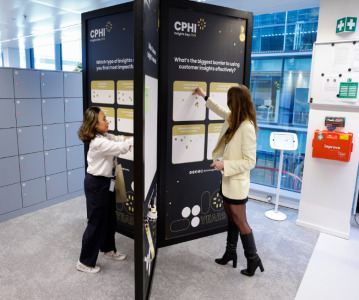
News Pharma in Focus: Key Findings from the CPHI community
Explore what the CPHI community has to say about the top trends emerging from the pharmaceutical industry and supply chain with our annual Strategic Insights infographic.
24 Oct 2025 -

News From Pharma to Table? Direct-to-consumer pharma sales and price cuts ramp up in US
The pharmaceutical industry is witnessing a seismic shift as major companies embrace direct-to-consumer sales models and announce significant price reductions across the United States, responding to mounting pressure from the Trump administration to ta...13 Oct 2025 -
.png)
News Women in Pharma: Celebrating Two Years and Wisdom for the Future
Since the inception of the CPHI Online Women in Pharma series, we have had the privilege of meeting and learning from women leaders across the pharmaceutical value chain. Many of these conversations have sparked similar themes around authenticity, cour...16 Jul 2025 -
News Investigating Innovation at ISPE: 2025 Europe Annual Conference
The 2025 ISPE Europe Annual Conference was held May 12-14, 2025 in London, UK, bringing together a community of pharmaceutical engineers and professionals from all industry levels to discover the latest in pharmaceutical technologies and innovations.&n...25 Jun 2025 -

News CPHI Americas 2025 - From the Floor
Our From the Floor live blog is back in Philadelphia for this year’s CPHI, this time under the new name CPHI Americas to embrace and represent the whole of the pharmaceutical supply chain from north to south.
19 May 2025
Biopharmaceutical Products Products (200)
-
Product Tris Hydrochloride low endotoxin, pharma grade CODE 633654
Tris Hydrochloride low endotoxin, pharma grade

-
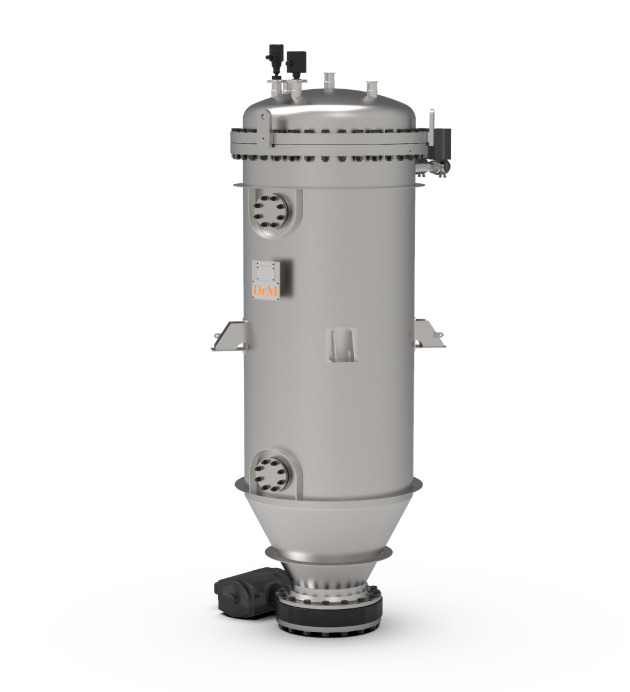
Product FUNDABAC® Candle Filter
Fully automated pressure candle filter for solid-liquid separation, with dry cake discharge in one closed cycle.
• Filters, washes, dries, and discharges; no manual steps • No rotating parts inside the vessel • Patented heel volume filtration for higher yield • 0.012 m² (lab) to 30...
-
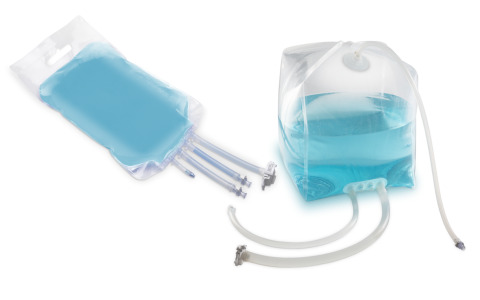
Product ValBioPure
Valbiopure: The new product in Valmed's family.
Single-use bioprocess bag.
Valbiopure 2D - Capacity: up to 20L
Valbiopure 3D - Capacity: 50 - 3000L
Biopure bags are manufactured in certified ISO class 7 cleanroom.Wide variety of components, accessories, t...
-
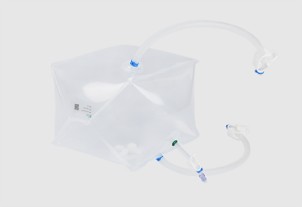
Product DuoMix® Single-use Mixing Bag
3D mixing bag from Duoning can be used with Duoning mixing systems, and bags fit for other industry mixing systems are also available. It is a product specially developed for liquid-liquid and liquid-solid mixing in the biopharmaceutical process. The bags are available from 2 L to 3,000 L, and can be custo...
-
Product Pembrolizumab - Biosimilar
Our product is at an advanced stage of development and is entering the clinical phase, with global clinical studies planned across multiple countries in Latin America, Europe, and other international markets.
Our strategy for the development, aligned with FDA and EMA through Scientific Advice is t...

-
Product Carboxypeptidase-B(CPB)
• Molecular weight: ~34 kDa • Optimal pH: 7.5‑9.0 (peak activity around pH 8.0) • Inhibition: Activity suppressed by metal chelators such as EDTA; Zn²⁺ can restore/enhance enzyme activity. Key Applications • Biopharmaceutical manufacturing (core use) Critical processing enzyme for production of insul...

-
Product Atomoxetine
Treatment for children (over 6 years old), adolescents and adults with Attention Deficit HyperactivityDisorder (ADHD).
Clinical efficacy not affected by the meals .Provides continuous 24-hour symptom control, with therapeutic effects beginning within 2–4 weeks of treatment.Lactose, gluten, egg and latex...

-
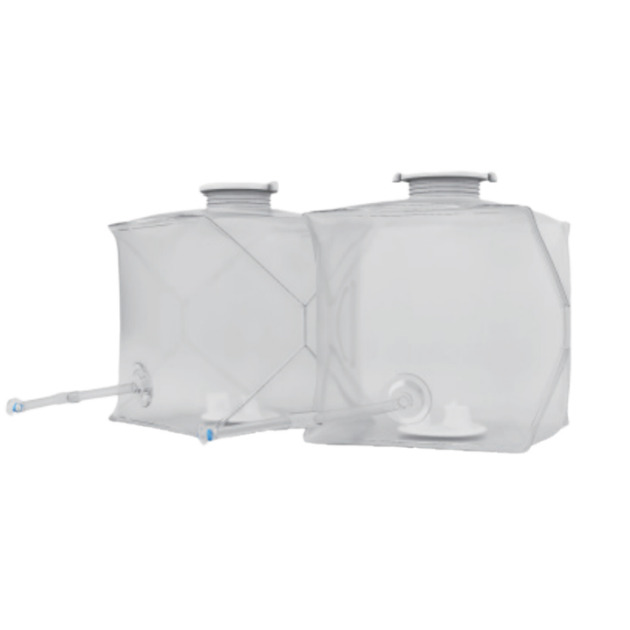
Product LeKrius®Mixing Bag
SU mixing bags offer flexible customization for seamless transitions between powder-liquid and liquid-liquid mixing. The mixing bag adopts a multi-layer co-extrusion film, which ensures extremely low gas permeability, good physical strength, wide chemical compatibility and biocompatibility, and can be safe...
-
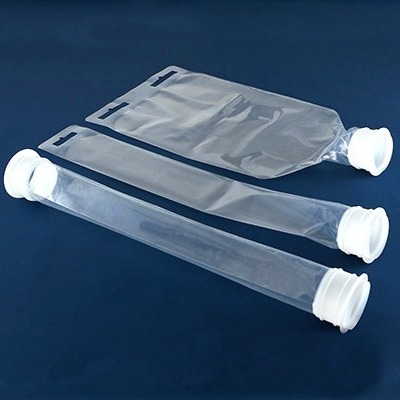
Product FULL-FLAT BAG
Hosokawa Yoko's Full Flat Bags are developed to protect medical and healthcare products throughout storage and distribution while supporting efficient packaging processes. Combining durability, flexibility, and customizable specifications, these bags help manufacturers optimize packaging performance withou...
-
Product Biologic drug substance CDMO services
From early development, including mammalian cell line development, cell culture development, and process development, through to pre-clinical production and commercial supply, Patheon by Thermo Fisher Scientific provides CDMO services for protein-based biologic therapeutics. Patheon offers biotech and ...

-
Product Biotechnology Contract Development and Manufacturing
Bayer is offering CDMO Services for Biotechnological Products! The Future is Now. Bayer is your reliable Partner for your Innovation.
You are looking for a partner to develop and commercialize you biotechnological asset?
Whether it is a Protein, a Cell Therapy or Gene Therapy Product...
-
Product The new testo Saveris 1 Cloud: predictable validation for your pharmaceutical environment.
The new cloud solution makes GxP-compliant monitoring in the pharmaceutical industry easier, safer and more predictable. With its integrated Version Freeze, your validated system version remains stable, helping to reduce revalidation effort. Combined with independent alarm notifications and audit-ready doc...

-
Product Process Characterization, Scale-Up and Technology Transfer
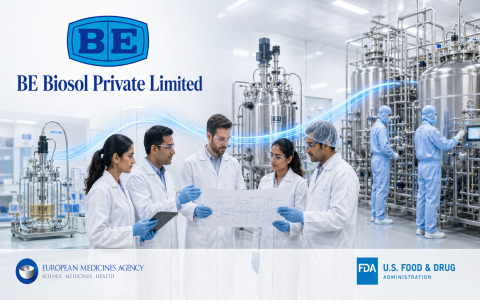
BE BioSol provides integrated process characterization, scale-up and technology-transfer support designed to move biologics, vaccines and sterile injectable products efficiently from development into clinical and commercial manufacturing. Our cross-functional teams work with clients to build a clear unders...
-
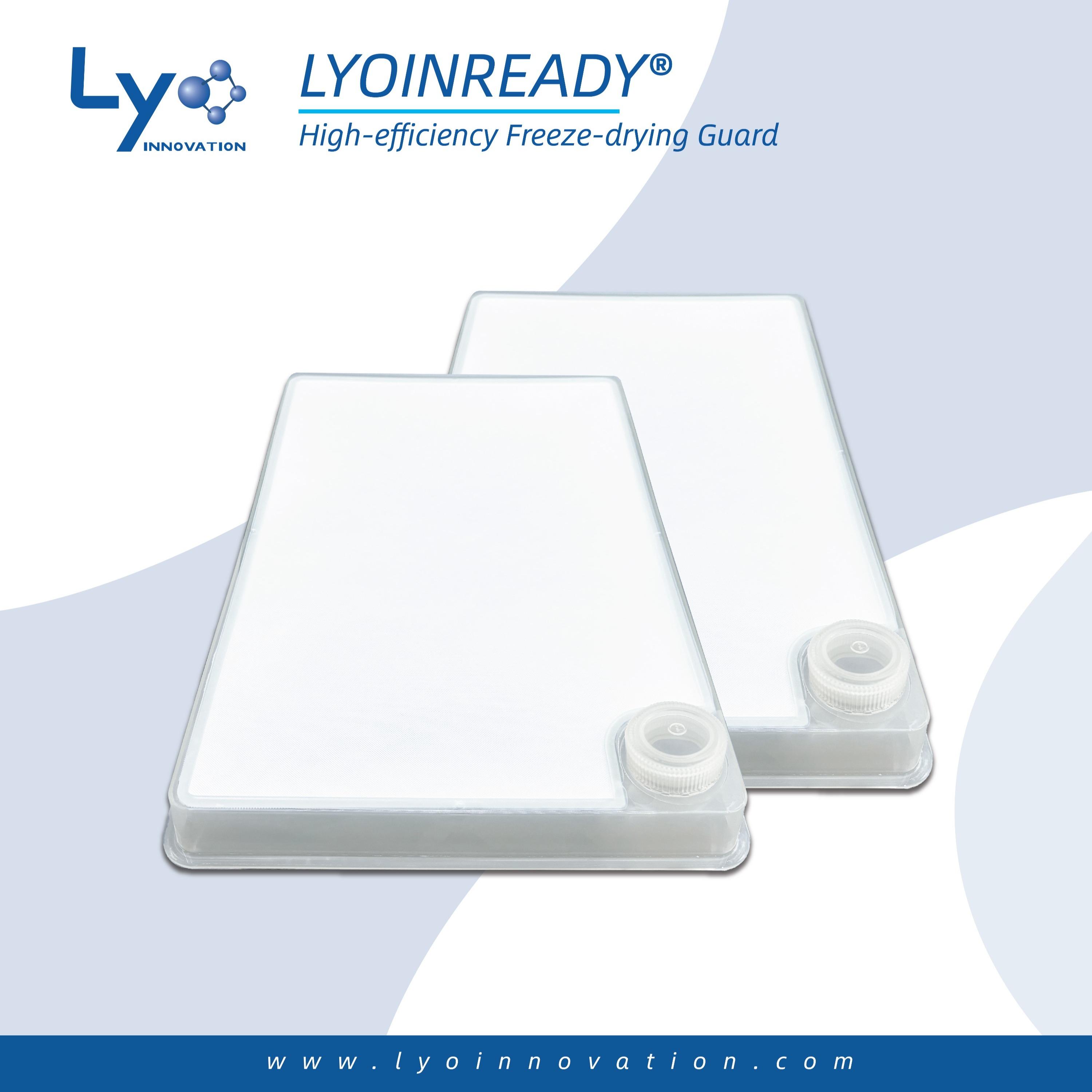
Product LYOINREADY® High Efficiency Freeze Drying Guard
LyoInReady® High efficiency Freeze-drying Guard tray is a ready-to-use freeze drying tray with a unique design to make lyophilization processes easier and more efficient, with better yield. It can significantly reduce operation time and complications, as well as contamination risk, while optimizing process...
-
Product Biotechnology Services
Midas Pharma offers a wide range of pharmaceutical services which include biotechnology services. It offers: • development of biosimilars and proprietary biologicals (starting from gene sequence) • cGMP production (microbial and mammalian cells) • related bioanalytics (from protein biochemical meth...

-
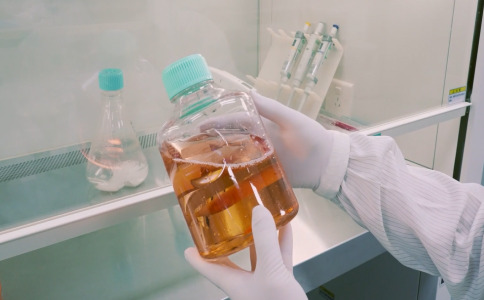
Product Innovative Drug Solutions for Difficult‑to‑Express and Complex Proteins
Integrated development and manufacturing solutions combining molecular engineering, vector optimization, host cell engineering, and customized process development. The platform delivers high titers for mAb production, and DTEasy™ strategies have demonstrated significant yield improvements across various di...
-
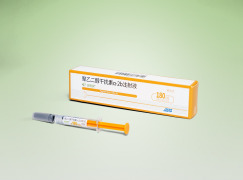
Product Mipeginterferon alfa-2b
Pegylated human interferon alfa-2b
Trade name: PEGBING
Technology
Recombinant gene technology, expressed by Yeast
Amino acid
165 amino acids
Molecular weight
Approximately 59 kD
Indications
Chronic hepatitis B & C
...
-
Product Bivalirudin
Use as an anticoagulant in patients with unstable angina undergoing percutaneous transluminal coronary angioplasty .Bivalirudin is a synthetic 20 residue peptide (thrombin inhibitor) which reversibly inhibits thrombin. Once bound to the active site, thrombin cannot activate fibrinogen into fibrin, t...
-
Product Methyl iodide
Appearance: Clear and transparent liquid
Specific gravity: 2.276-2.286(20℃)Assay: ≥99%Distillation range: 41.5-43.5℃
-
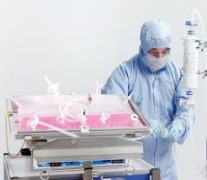
Product NEXCEL® Brand Single-Use Biopharma Film
Sealed Air is the manufacturer of a highly inert single-use bioprocessing film, developed in collaboration with Cytiva, formerly known as GE Life Sciences. Its 10-layer architecture provides structural integrity for single-use systems from 5 liters up to 2,000 liters. Photo ©GE Healthcare

-
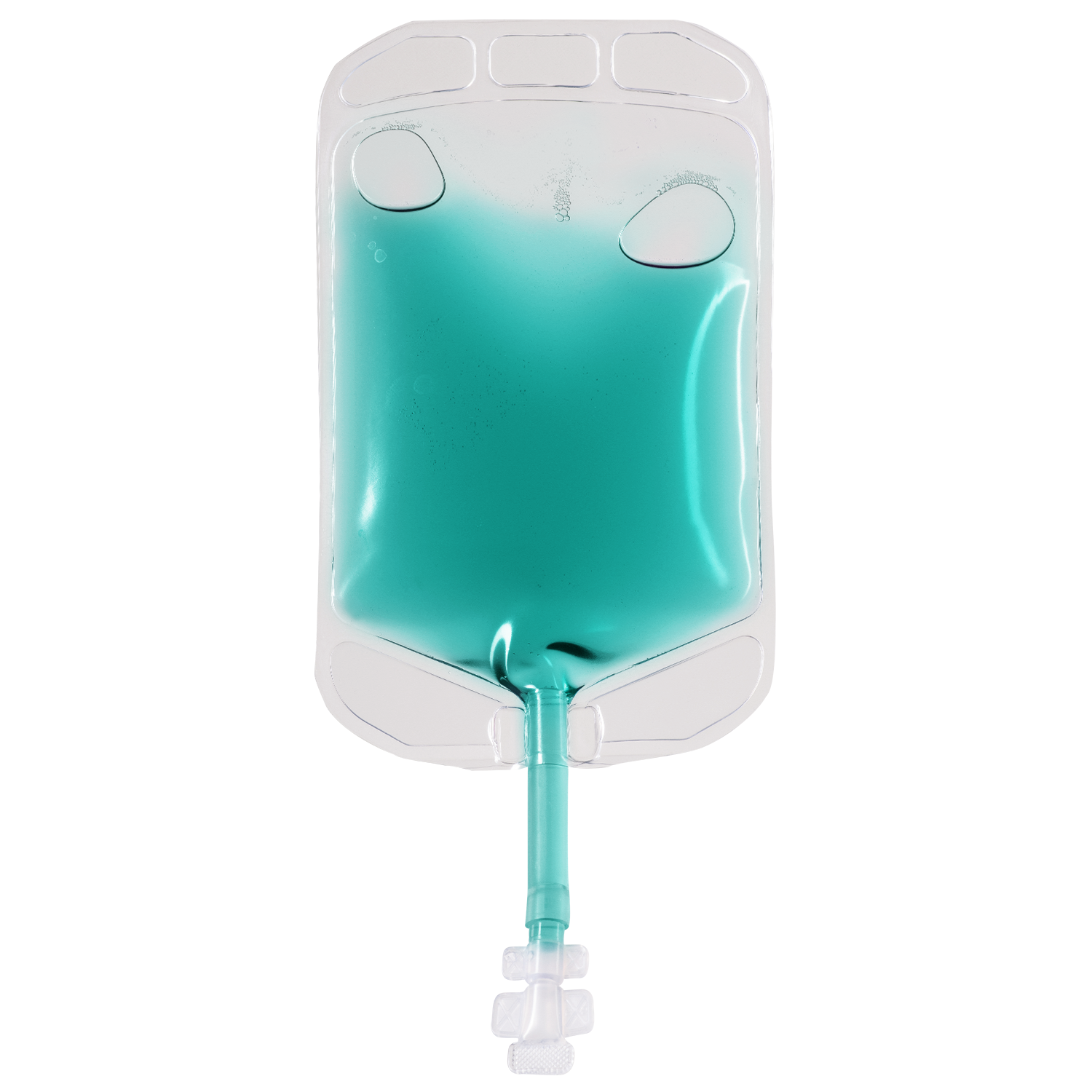
Product Primary Packaging for IV-solution bags
PolyCine offers:
Primary Packaging Films for IV-solution bag
Filling and transfer tubes for Primary Packaging
Hot Foils for IV-solution bag / primary container printing
Compounds for Primary Bag Connectors & Ports
-
Product Proteinase K 39450-01-6
Appearance: white solid Protein purity:95%minSpecific activity:30.0U/mg P min
Rnase activity: none detected
Dnase activity: none detected
-
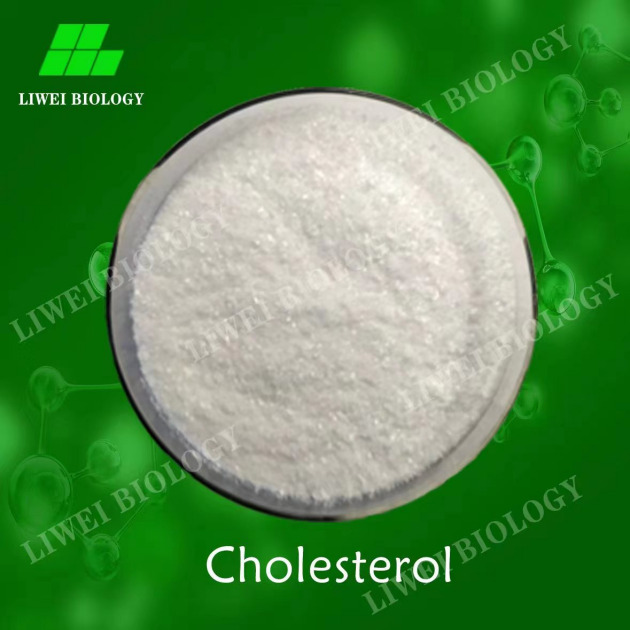
Product Cholesterol
Cholesterol, a vital lipid molecule, serves as a high-value raw material across pharmaceuticals, cosmetics, and feed industries.
In the pharmaceutical sector, cholesterol plays critical roles. It excels as an excipient in drug delivery systems. Its amphiphilic nature enables the form...
-
Product Homogeneous Catalyst
Hindustan Platinum leads the way by providing a complete loop for recovery of PGM from spent homogeneous catalysts.
-
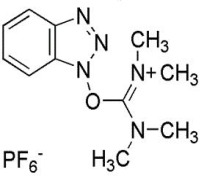
Product HBTU; CAS#94790-37-1 Peptide Coupling Reagent
Coupling Reagents of peptides; Purity(HPLC): 99% min;
-
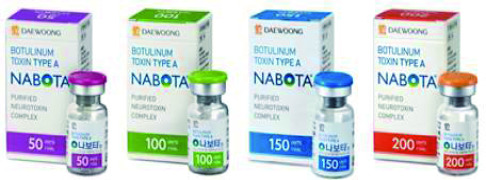
Product NABOTA®
Botulinum toxin type A
Indication: Glabella Lines (Approved in KR, US, CA, EU), Post Stroke Upper Limb Spasticity, Crow's feet, Blepharospasm, Benign Masseteric Hypertrophy (Approved in KR)
- Nabota is the only 900kDa Neurotoxin approved in the US and EU since Botox.- It has demonstra...
-
Product Analytical Services
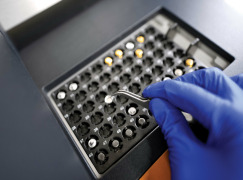
Actylis performs routine and non-routine analytical testing for various industries, in support of manufacturing processes, QA/QC functions, R&D projects, and environmental applications. Leveraging state-of-the-art instrumentation, extensive knowledge base, as well as internal, cross-functional competen...
-
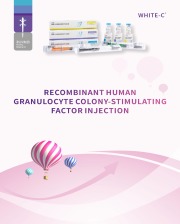
Product Recombinant human granulocyte colony-stimulating factor injection (filgrastim)
Shandong kexing bioproducts offers a wide range of products which includes recombinant human granulocyte colony-stimulating factor injection (filgrastim). It is colorless sterile solution. Packaging: vial. Storage: store at 2?~8?, and protect from light. Contact us for more information.
-
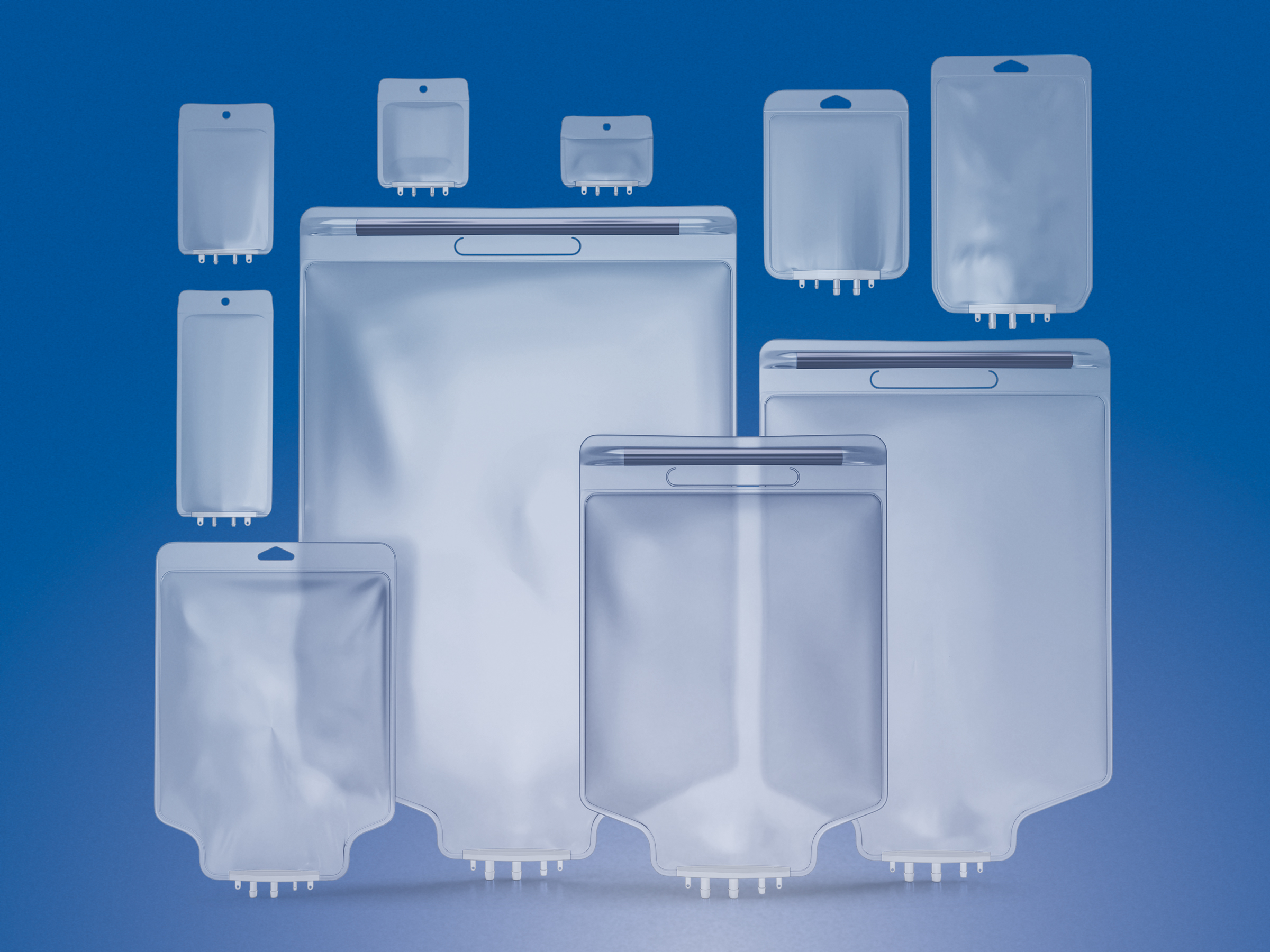
Product Aramus™ 2D Bag Chambers from Entegris
Qosina offers high-performance fluid storage and transfer bag chambers designed to provide reliable protection for critical process fluids and high-value final products.
Manufactured from a high-grade, gamma-stable fluoropolymer, these bag chambers deliver high purity, exceptional chemical compa...
-
Product Quality Control Testing
Bringing a compound from the laboratory to the market is a long and winding road with a great number of scientific, safety and regulatory challenges. SGS has been offering high quality analytical testing and clinical research services to support drug research, registration and production.
SGS leve...

-
Product HCG/Chorionic Gonadotrophin for Injection -OVIGIL HP 5,000 IU
The Gonadotropin That Delivers – Precision, Reliability & Consistency
This product is available as a combi pack of Chorionic Gonadotrophin for Injection BP 5000 IU & Sodium Chloride Injection BP 0.9% w/v (HCG Injection).
• Use: This highly purified Human Chorionic Gonadotropin...
-
Product Mineral Phosphates
Dr. Paul Lohmann(R) offers a wide range of Mineral Phosphates for the Pharmaceutical and Biopharmaceutical industry. They are widely used in various processes such as upstream, downstream and drug formulation and are an essential part of the entire biomanufacturing process. We also offer buffers as solid p...
-
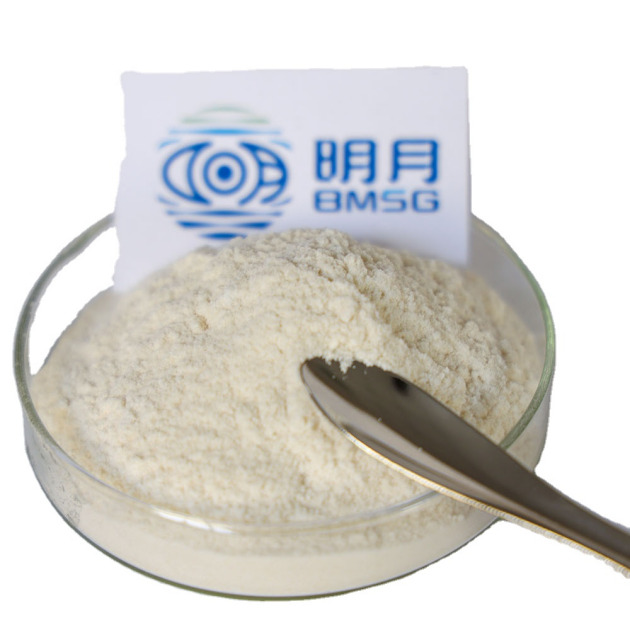
Product BMSG®️SODIUM ALGINATE
Qingdao Bright Moon Seaweed Group Co,Ltd provides wide range of alignate products which includes alginate. It is a natural polysaccharidc cxtractcd from seaweed. It is made of the two types of aldehyde acids. Flaxen powder, isn' t soluble in water. Applications: pharmaceutical industry: main raw material f...
-
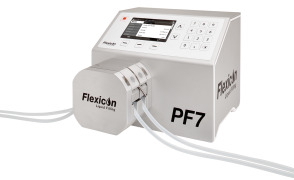
Product Flexicon
At the heart of all the Flexicon filling systems is the low shear, gentle pumping action of our peristaltic fillers which ensure your valuable product is transferred undamaged with high accuracy and precision.
Flexicon offers a range of liquid filling and capping systems that gro...
-
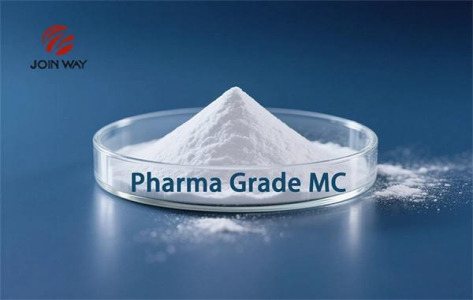
Product Pharma Grade Methyl Cellulose (MC)
Methyl cellulose (MC) is a safe, stable pharmaceutical excipient. Meska Joinway produces high-quality MC that meets GMP standards for reliable, consistent products. Its products have the following functions:
· Increases the viscosity of the liquid, making the formulation more stable;
· Help...
-
Product Automatic Chromatography Column
Truking Technology Ltd provides wide range of pharmaceutical machineries which includes automatic dosing system. Features: with advanced processing equipment and mature production process, the main configuration (such as pipe fittings, pumps, valves, filters, instrumentation, plc, etc.) Are used world-clas...

-
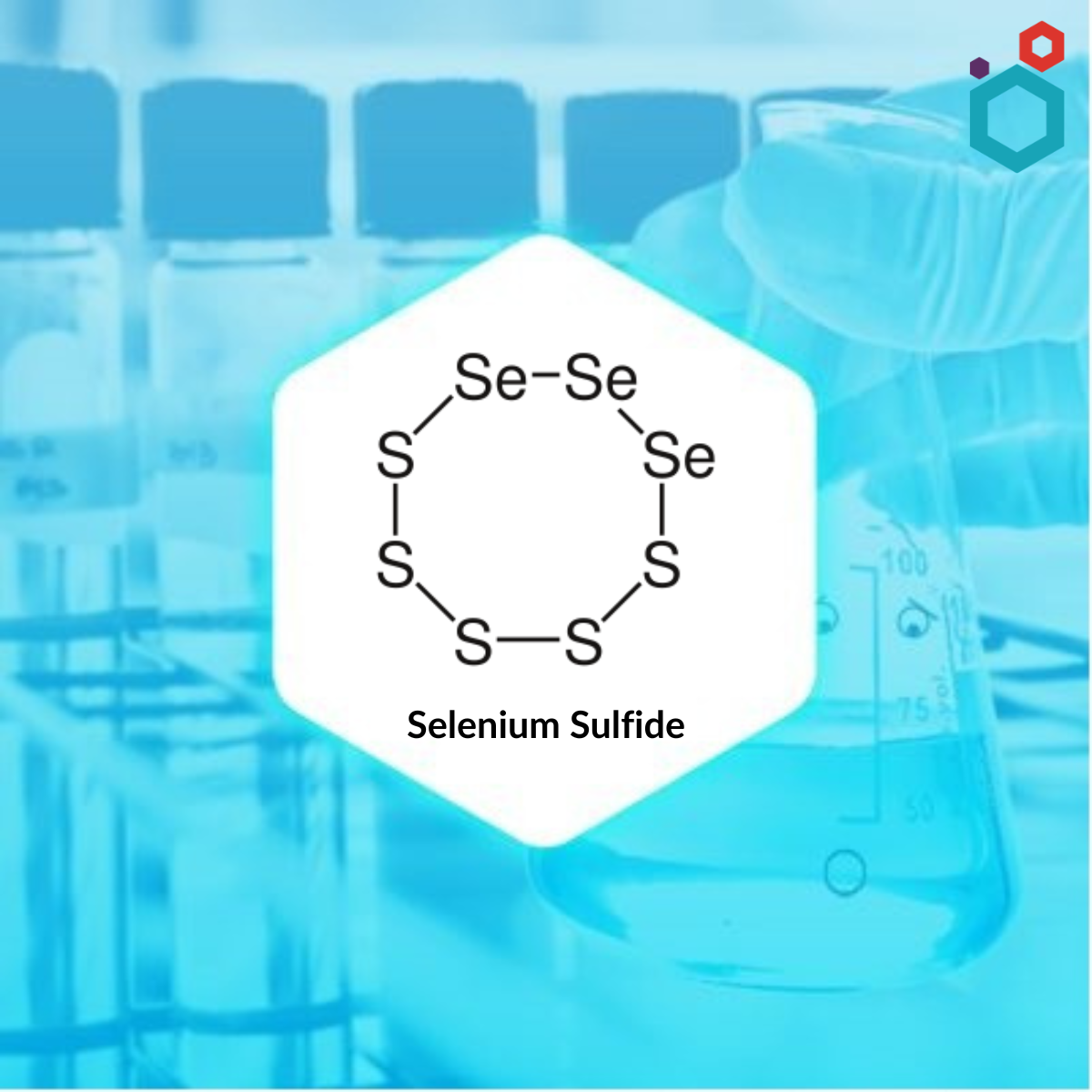
Product Selenium Sulfide
Macsen laboratories offers a wide range of products which includes acid red 87 (eosin y ws, c.i.45380). It belongs to Speciality dyes and biological stains category. Applications: acid red 87 also known as eosine is used mainly as a dye for various industrial, cosmetic & scientific applications. Conta...
-
Product Quality Control: Biologics and Biosimilars
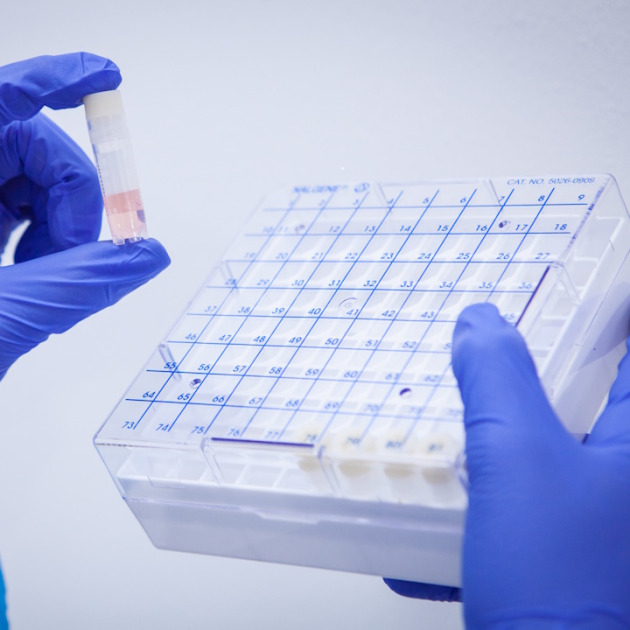
The Biopharmaceutical Analyses Department provides comprehensive analytical services to support the development, characterisation, and quality control of biologics and biosimilars. Our expertise covers a wide spectrum of molecules, including peptides, monoclonal antibodies, fusion proteins, and antibody–dr...
-
Product Physical Sciences - Preformulation & Solid State Services
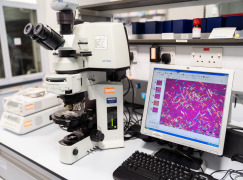
Our Physical Sciences team helps clients identify, understand and control the optimal physical form of their drug substance, supporting successful development from pre-clinical studies through to commercialisation. Combining expertise in solid-state chemistry, crystallisation, polymorphism and material cha...
-
Product Aprotinin
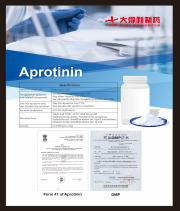
DADELI is a GMP-certified pharmaceutical manufacturer for intermediates,APIs and finished formulations.Our main APIs include HCG,Aprotinin(Currently in China we are the only one to produce Aprotinin complying with the latest EP 11.0), Oxymatrine,Isoniazidum,Egg Lecithin,Daidzein,etc.Warmly welcome all cust...
-
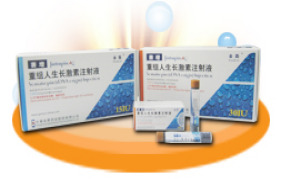
Product human growth hormone(somatropin) rHGH
Recombinant Human Growth Hormone( r-hGH) Somatropin (rDNA Origin)
Molecular formula:C990H1528N262O300S7 Formula weight:22125D Category:White Lyophilized Powder
Indication:Pediatric growth hormone deficiency , Severe burns, Adult Growth hormone deficiency, Delay menopause, Bea...
-
Product L-tyrosine (non-animal source) and N-acetyl-l-Tyrosine
Shandong Yangcheng Biotech Co. Ltd offers wide range of pharmaceutical products which includes l-tyrosine (non-animal source) and N-acetyl-l-Tyrosine.
Usage:
1) Food additives, supplement,
2) medicine for hyperthyroidism, it is an important biochemical reagents, peptid...
-
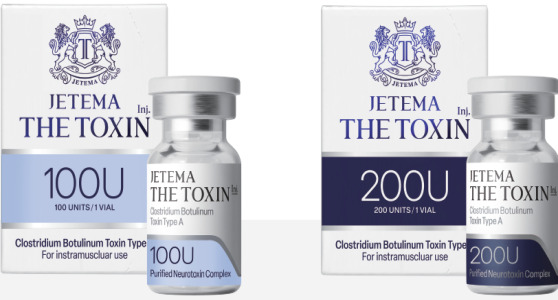
Product JETEMA THE TOXIN
[Botulinum Toxin: JETEMA THE TOXIN]99.9% Pure Toxin with Original Strain
• Trusted Origin of the Strain - Botulinum Toxin Type A origin of the strain certified by the European authorized institution- No legal dispute on strain issue • Meets Global Standards - Manufacturing facility compliant wi...
-
Product Chorionic Gonadotrophin;Human Choroinic Gonadotrophin;HCG
Source: Extracted from the urine of healthy pregnant womenFunction and use: For women, it can promote the maturation and ovulation of follicles, and maintain the function of the corpus luteum. For men, it can stimulate the development of Leydig cells, increase androgen secretion, promote testicular descent...
-
Product USP-NF, FCC, BP, EP, JP Chemicals
Spectrum Chemical offers the largest portfolio of USP-NF, FCC, BP, JP grade chemicals in the industry – more than 1,200 USP-NF chemicals including 700 in bulk sizes.
With our large portfolio, meet the monograph requirements specified in the USP and NF, which are the official standards for all pr...
-
Product AdvantaPass®
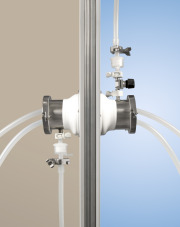
AdvantaPass® pass through technology permits the aseptic transfer of fluids between the walls of pharmaceutical manufacturing suites. It’s the first system of its kind to offer complete isolation between different classes of clean rooms when transferring multiple lines of fluid through a single stainl...
-
Product A vial machine for different formats
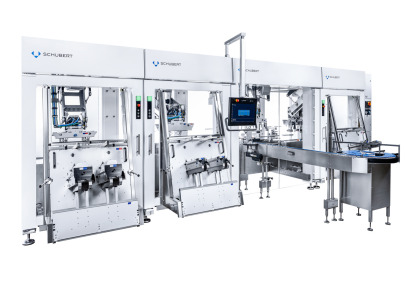
Schubert-Pharma has many years of experience and expertise in packaging vials, ampoules, syringes and other products for the pharmaceutical and healthcare industry. The rationale behind the development of the new machine was to enable manufacturers to meet line clearance requirements even more effectively....
-
Product WFI-Quality Water
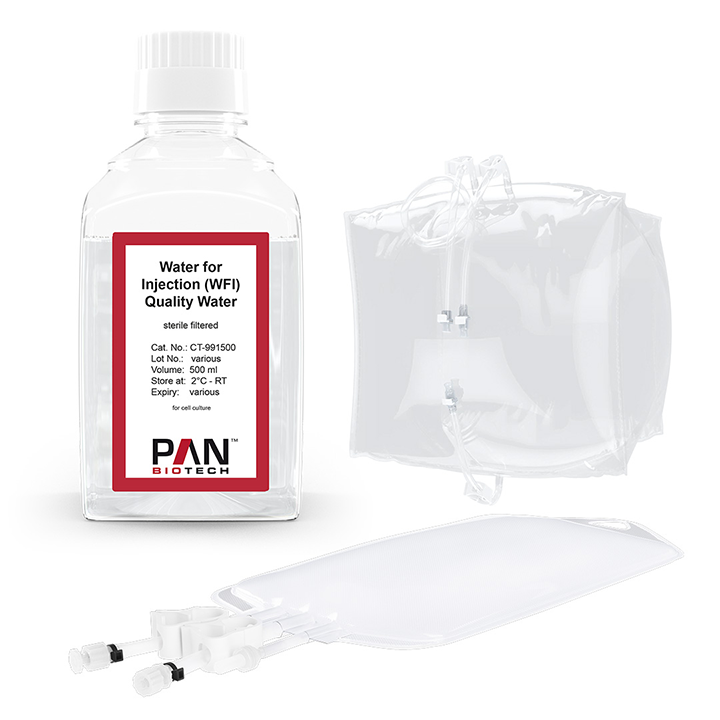
WFI (water for injection) is an indispensable quality feature in pharmaceutical production. It is all about the highest purity and reliability so that your products meet the standards. PAN has added WFI-quality water to its product portfolio. It is produced in our cGMP-compliant facility and undergoes an e...
-
Product Biologics Solutions
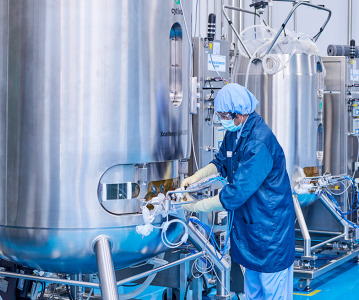
Aragen Bioscience delivers end-to-end biologics solutions, transforming complex R&D challenges into high-value outcomes. With nearly 30 years of experience, Aragen offers royalty-free cell line development, scalable bioproduction, antibody discovery, and advanced analytics. Our biologics development se...
-
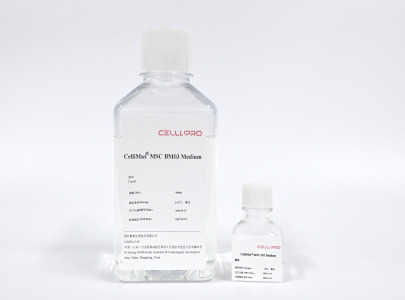
Product CelliMax® Integrated MSC Culture Solution - SERUM-FREE Cell Culture Media
The chemically defined medium, used in combination with the CelliMax® series of digestion and cryopreservation solutions, provides complete support for mesenchymal stem cells (MSCs) culture system.
Product Advantage
Just 2% human platelet lysate (hPL) addition achieves performance compa...
-
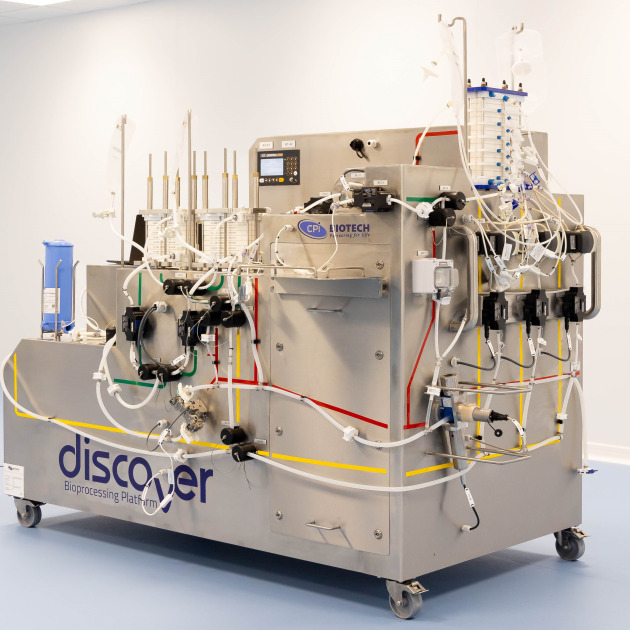
Product Discover Single-Pass Tangential Flow Filtration System
Discover SPTFF utilises the latest single-use technologies delivering a production-ready GMP skid for the manufacture of commercial therapeutics and medicinal products using continuing manufacturing processes.
Some of the key highlights of this skid are the compact design optimising the integrat...
-
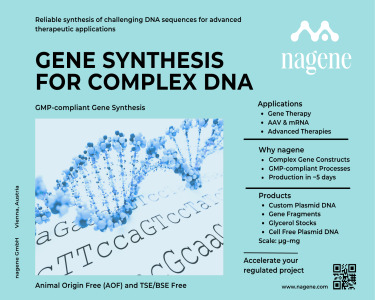
Product GMP-Ready Genesynthesis Manufacturing
DNA Productsnagene provides fully sequence-verified DNA products manufactured under GMP-compliant processes. Our portfolio includes circular plasmid DNA, linearized plasmid DNA and gene fragments for gene therapy, cell therapy, mRNA and synthetic biology applications.
Products are manufactured in Vien...
-
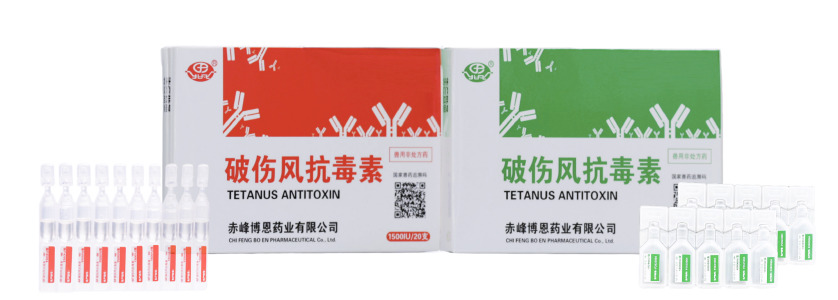
Product Tetanus Antitoxin
【 Veterinary drug name】Generic name: Tetanus Antitoxin
【Main components and content】This product contains tetanus antitoxin. Not less than 2400IU per milliliter 【Appearance】Colorless and clear liquid, after long-term storage, there are trace amounts of gray white or white precipitates that can be shak...
-
Product AMClarity
Risk assesment document evaluation support, customize defect kits creation, defect characterization with images and particles size, training and qualification on manual visual inspection, certificate of analysis and cerificate of conformance, client training on MVI.
-
Product Bioanalytical Services (GLP/GCP)
Bioanalysis Services: We offer GLP/GCP-compliant method development, validation, method transfer, sample analysis, and pharmacokinetic/toxicokinetic support - all delivered from our state-of-the-art facilities and supported by automated data collection and reporting systems. For over 30 years, we have supp...

-
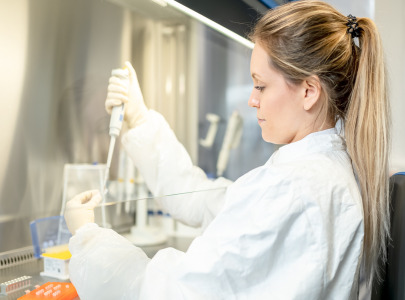
Product Process and Analytical Development
Process and Analytical Development
Services and Capabilities
• Tech transfer
• Up- and downstream development
• Formulation development
• Process characterization
• Process optimization
• Development of analyticalmethods
Technologies
• Fixed bed & stir...
-
Product Large Molecules Regulated Bioanalysis
Lambda provides regulated bioanalytical support for large molecules, biologics and biosimilars across clinical development. Capabilities include large-molecule PK analysis, anti-drug antibody assessment, neutralizing antibody testing, pharmacodynamic biomarkers, functional bioassays, immunogenicity assessm...

-
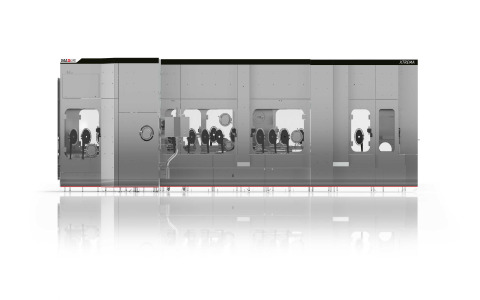
Product XTREMA Series, high-speed filling and stoppering machines for aseptic environments.
XTREMA Series, high-speed filling and stoppering machines for aseptic environments.
The main concern of the pharmaceutical packaging market has always been the integrity of the drug and, in the case of parenteral dosage forms, its sterility. XTREMA indeed embodies the latest technological bre...
-
Product PharSQ® Pure
The PharSQ® Pure range is designed for biomanufacturers who require premium quality buffers to improve their biotechnological API production. With rigorous quality control, superior packaging solutions, and a commitment to innovation, we help you to optimize your downstream biopharma manufacturing processe...

-
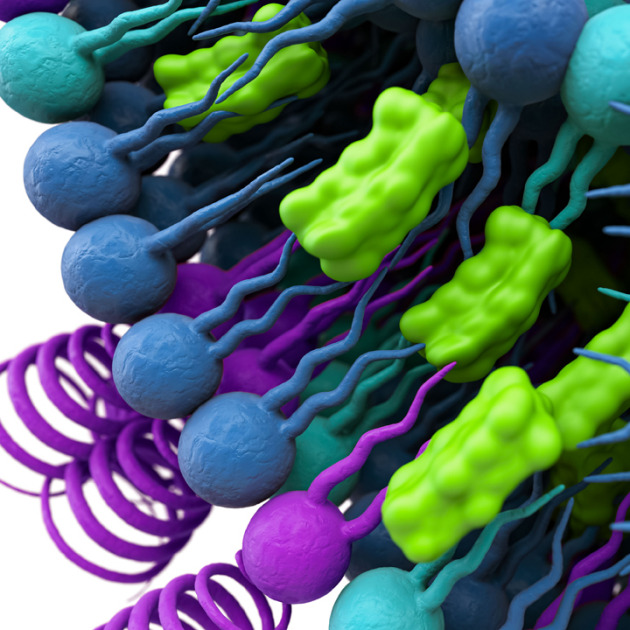
Product PhytoChol®: Plant-derived cholesterol
Plant-derived cholesterol for mRNA delivery, gene therapy and cell culture: Our plant-derived PhytoChol® provides you with a secure and stable supply of synthetic cholesterol. Evonik supplies PhytoChol® in two grades that are tailored to the specific needs of injectable drug delivery and biopharm...
-
Product Trainings
We do offer specialized trainings in Aseptic Environment and Lyophilization process. The format of this course is hybrid, you can attend in person or online.


-
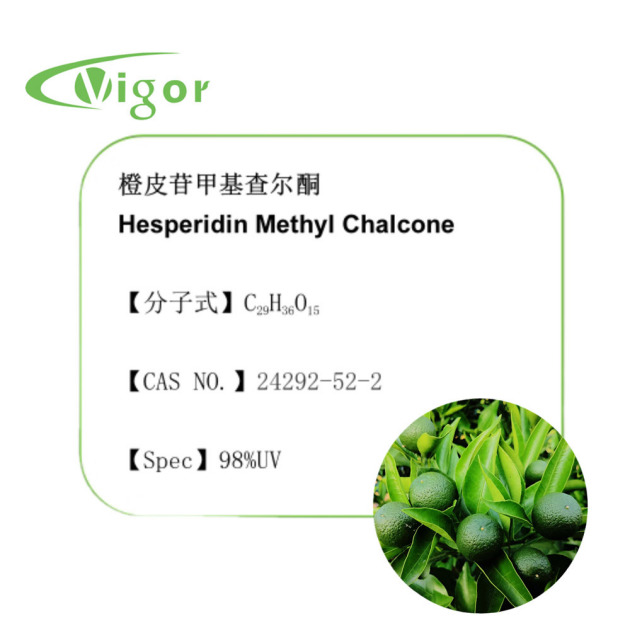
Product Hesperidin Methyl Chalcone
Hesperidin Methyl Chalcone is a methylate compound of soluble flavanone and soluble dihydrochalcone which can increase the effect of vitamin C with the same function as vitamin P. What's more, characters in strong anti-virus and anti-bacteria. It is preventing influenza virus' breeding with lar...
-
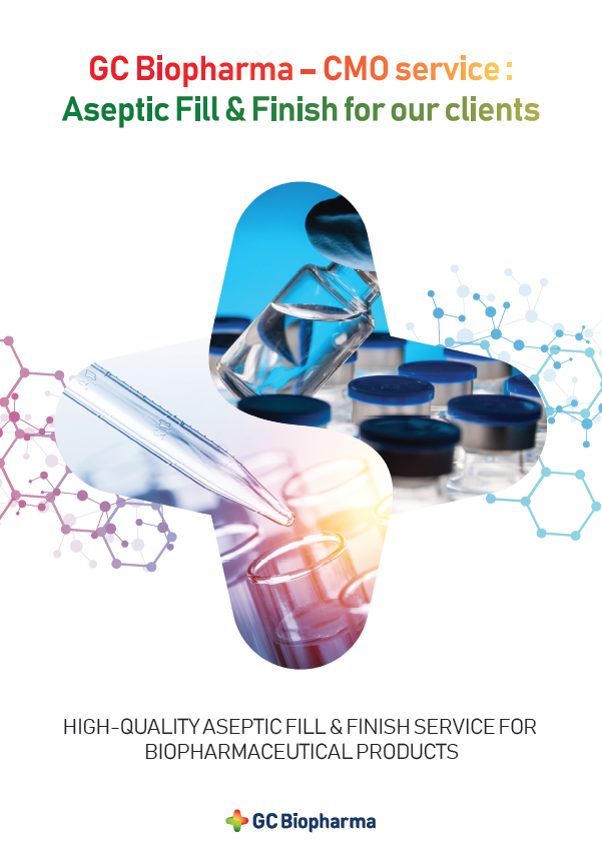
Product Biologic drug product CMO services - Fill and Finish
GC Biopharma is one of the top-tier biopharmaceutical companies in South Korea with over 55 years of history and advanced technology. GC Biopharma provides premium Fill & Finish service to clinical and commercial customers for vaccines, recombinant and biosimilar pharmaceutical products. We have state-of-t...
-
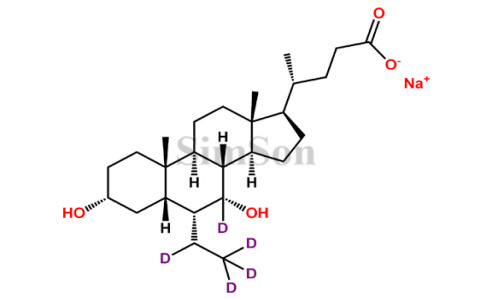
Product Obeticholic Acid-D5 Sodium Salt
Buy Obeticholic Acid-D5 Sodium Salt from Simson Pharma Limited at best competitive price.
Simson Pharma provides best quality Obeticholic Acid-D5 Sodium Salt.
Every compound produced by Simson Pharma is accompanied by Certificate of Analysis.
-
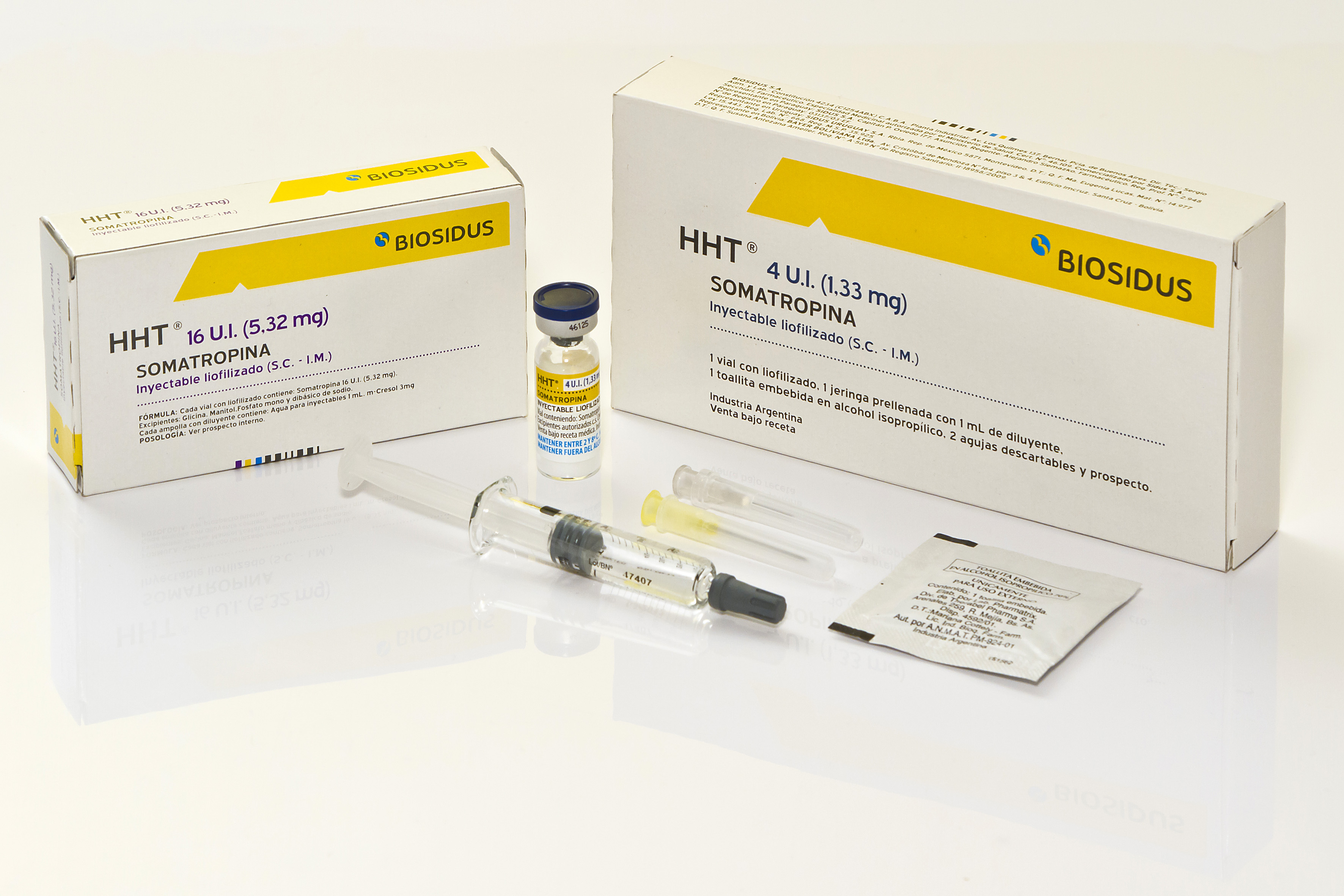
Product SOMATROPIN - HHT
Freeze dried powder for reconstitution containint Somatropin 4 IU or Somatropin 16 IU
-
Product High throughput signal peptide engineering
We analyze thousands of signal peptides in parallel for a therapeutic target of interest. Our protein engineering results in significant enhancement in protein expression, yield and quality.

-
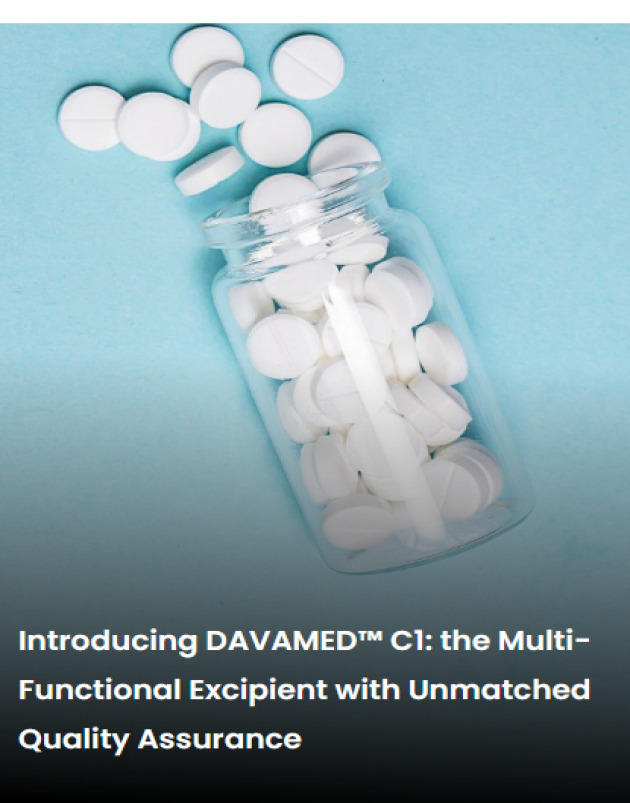
Product DAVAMED™ C1
DAVAMED™ C1 is a premium starch excipient designed specifically for direct compression in tablet manufacturing. It is a partially pregelatinized corn starch developed through advanced processing techniques to deliver superior functionality in pharmaceutical formulations.DAVAMED™ C1 is supported by a D...
-
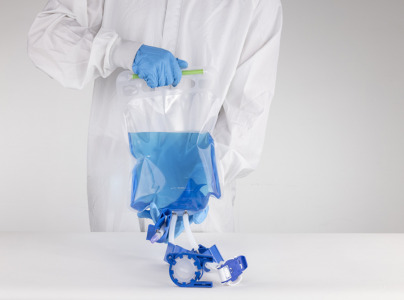
Product Storage and Transport
2D and 3D bags instandard and custom sizes for media andbuffer preparation, chromatography feedingand collection, and storage and transport ofactive pharmaceutical ingredients.
-
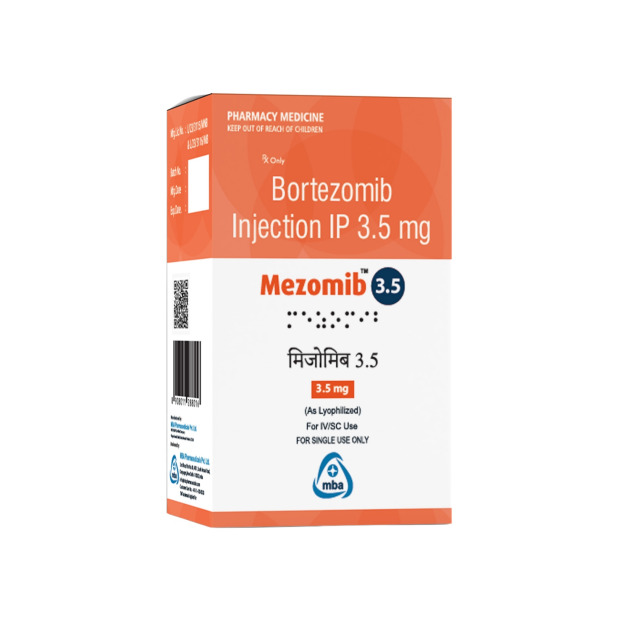
Product Mezomib - Bortezomib 3.5 mg Injection
Mezomib - Bortezomib 3.5 mg Injection
Composition: Bortezomib 3.5 mg
Pack Size: Single Vial( Lyophilized)
Accreditation: EU-GMP, PICS, WHO-GMP
Market Authorization: MBA Pharmaceuticals Pvt Ltd

-
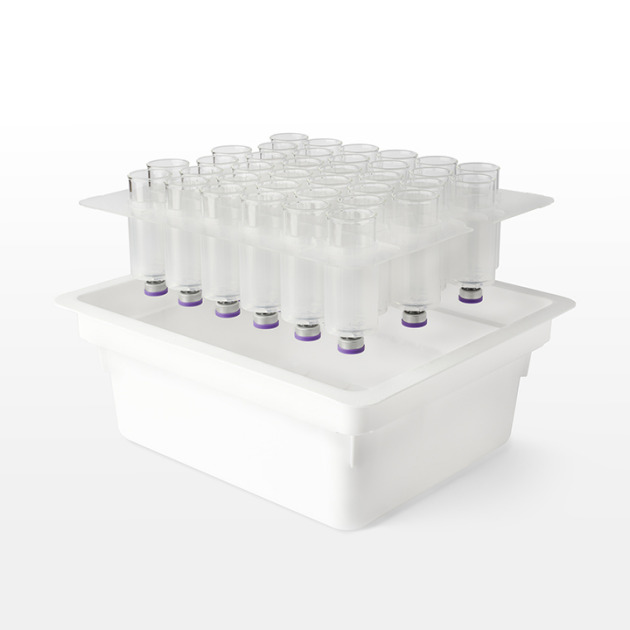
Product EZ-fill® Large Volume Cartridges
Designed for the delivery of high-volume, high-viscosity biologics, EZ-fill® Large Volume Cartridges support treatments for several conditions such as autoimmune, oncology, rare diseases and Parkinson’s.
With 10+ years of expertise in large-volume containers, we are a trusted partner for...
-
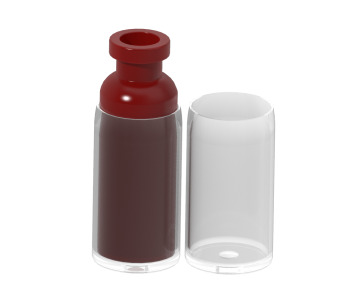
Product Vial Sleeve
PP Vial Sleeves are protective polypropylene coverings designed to shield glass vials from breakage, scratches, and contamination during handling and transport. Made from medical-grade PP, they offer durability and transparency, ensuring product safety and integrity.
Widely used in pharmaceuti...
-
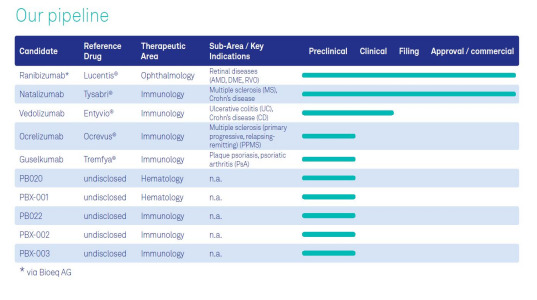
Product Pipeline
With approved biosimilars already on the market and a robust pipeline of differentiated assets,Polpharma Biologics is well-positioned to shape the future of biosimilars. Strategic collaborationswith industry leaders demonstrate the company’s ability to co-create value and deliver at scale.
-
Product IRIS Single-Use Assemblies
Get your customized IRIS single-use assembly & tubing system based on different tubing modules and aseptic connectors directly from Single Use Support. As an expert in single-use solutions, we have made it our goal to deliver vendor agnostic single-use assemblies manufactured with highest qu...
.jpg)
-
Product Cell Culture Services
FUJIFILM Diosynth Biotechnologies is a leading provider of cell culture services for biologics, advancing anddelivering life changing therapies. We offer complete solutions for cell line development, process development, late phase activities, clinical and commercial manufacturing of a wide variety of biop...

-
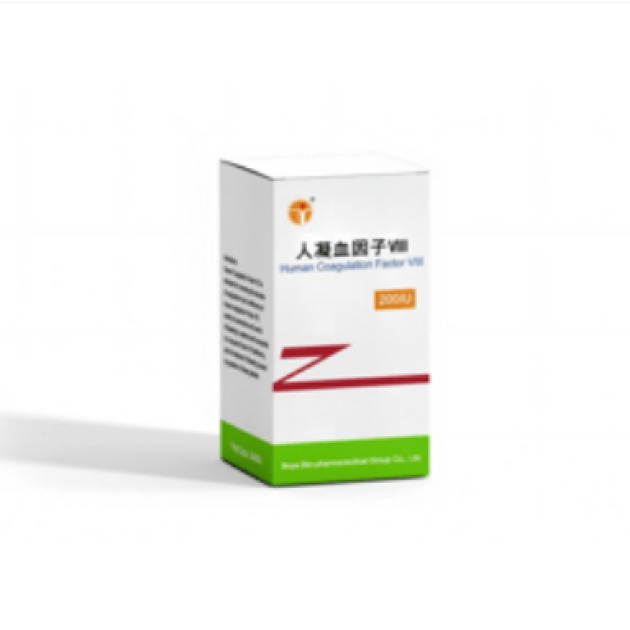
Product Human Coagulation Factor VIII
Specification:200IU
Description:Human Coagulation Factor VIII is a white loose powder. After reconstitution, the solution is clear or with slight opalescence.
Shelf-life:36months
Storage:2-8℃ for storage and transportation, protect from light.
Indications:Human C...
-
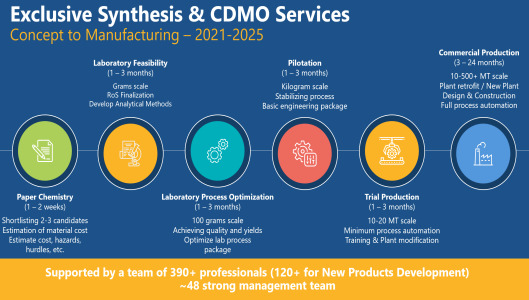
Product Scale-up Services CDMO for Small Molecules
Inventys specializes in creating safer & more efficient manufacturing implementations from lab processes.
Inventys has succeeded (some cases) in improving purity & reducing waste / byproducts -- while reducing energy costs / solvent usage - by more than 90%!&nbs...
-
Product Bioprocessing Solutions
In the biopharmaceutical production realm, a range of solvents are utilized for manufacturing processes and Cleaning in Place (CIP). Over the past few years, single-use bags have gained popularity in the research, development, and production of biopharmaceuticals, particularly antibody drugs. In response t...
-
Product Flavonoid Citrus Bioflavonoids Complex sol
Flavonoid Citrus Bioflavonoids Complex Sol is a water- and ethanol-soluble powder derived from plant origin. Known for its bitter flavor, it primarily features active components like naringin and neohesperidin. Functioning as a flavoring agent, this product holds Generally Recognized As Safe (GRAS) status,...

-
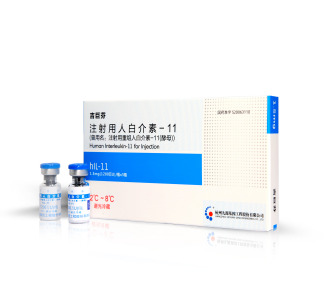
Product Recombinant Human Interleukin-11
rhIL-11, Oprelvekin, a drug to increase platelet count, l Lyophilized powder (vial): 0.75mg/vial, 1.5mg/vial, 3mg/vial
-
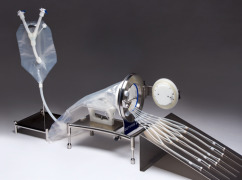
Product Single-Use Assemblies
Custom-engineered and overmolded assemblies best-suited for single-use applications.
-
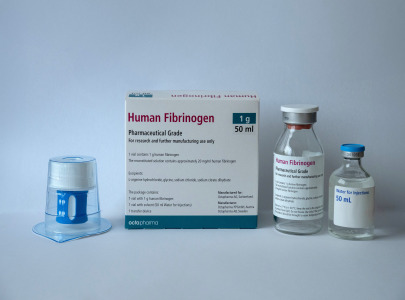
Product Human Fibrinogen
Human Fibrinogen for research and further manufacturing use.
Fibrinogen (Factor I) is a large, complex glycoprotein that can be converted to fibrin, one of the key components to promote wound healing.
Fibrinogen has various applications in pharmaceutical and biotechnological...
-
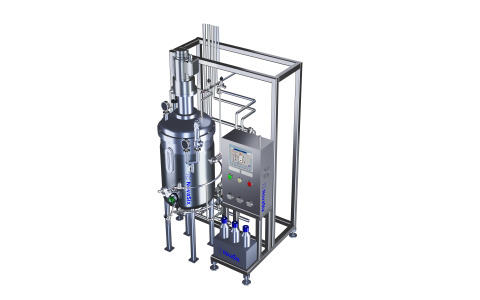
Product Fermenter
Novasix designs and builds customized stainless steel fermenters for microbial cultivation (bacteria, archaea, yeast, extremophiles) with capacities from 3 to 50,000 liters.With Inhouse process experts Novasix understands the need of Dosing for corrective agents such as acids, bases and anti-foams. These a...
-
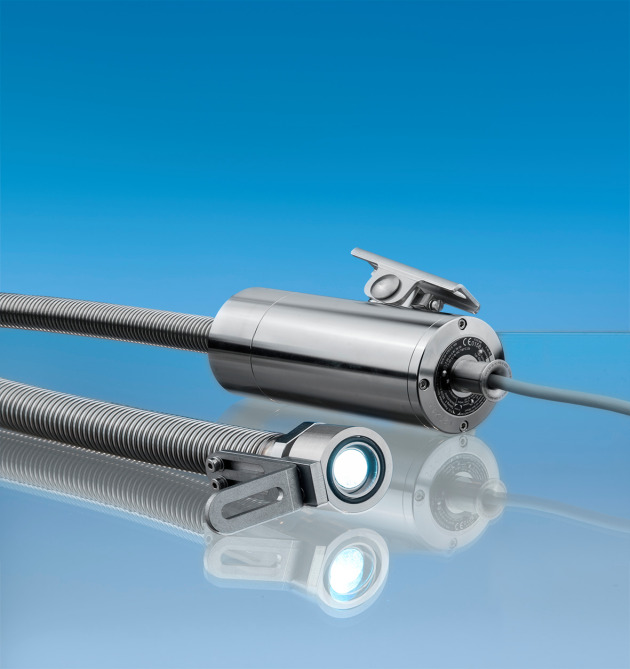
Product Sight glass fittings and accessories Sight glass discs Sight glass luminaires LED Vehicle luminaires Ex camera systems
Process Control and Visual Control System: Lumiglas Sight Glass Fittings, LumistarLuminaires and Camera Monitoring Setup.
-
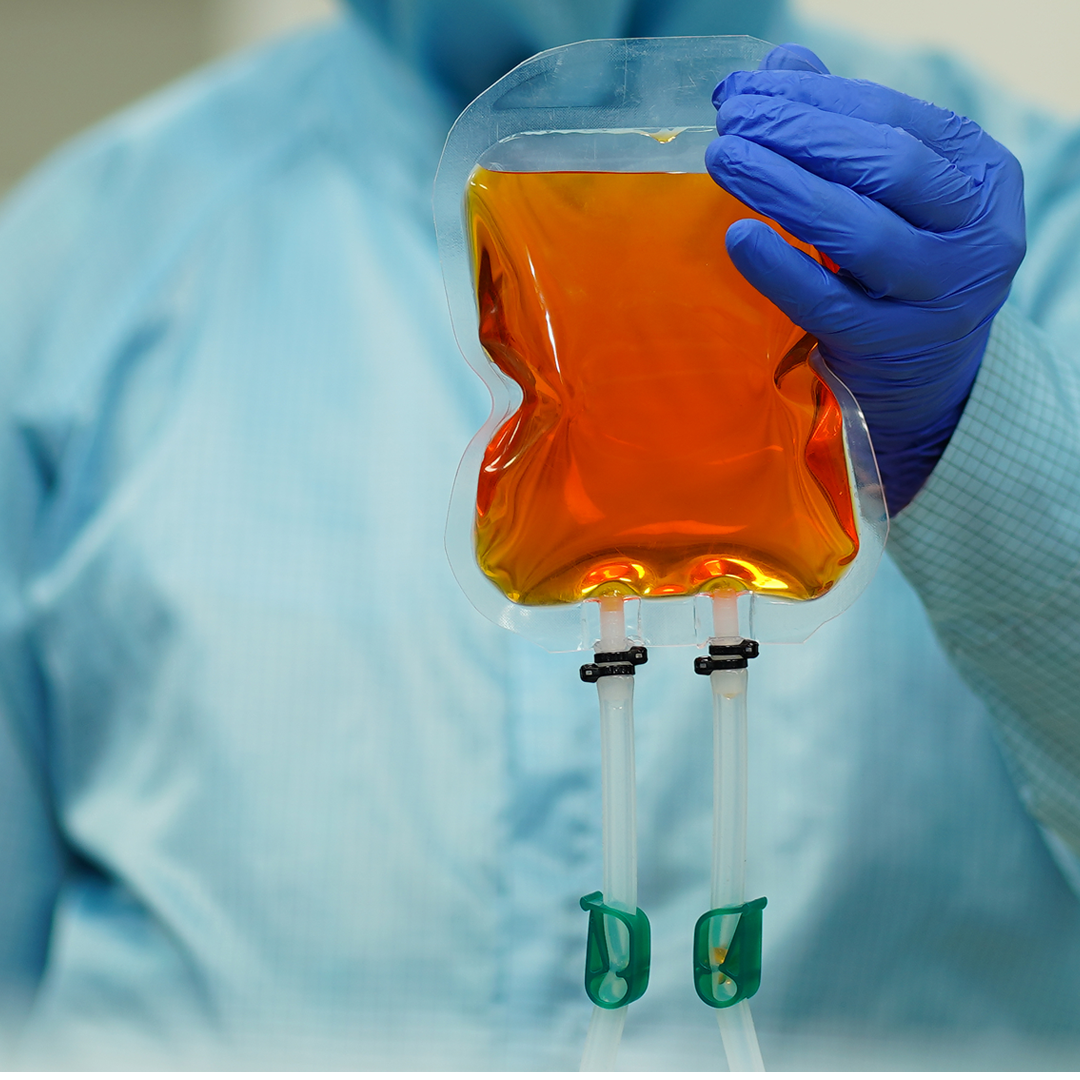
Product Single Use Bags
BioPac Single-use 2D & 3D bags are pre-sterilized customized products to meet your specific needs of storage, transfer and processing of media, buffers and intermediate fluids. Offered in sizes ranging from 10 mL to 1000 L
-
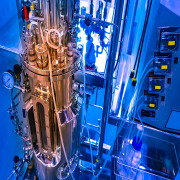
Product Media Supplements for Cell Culture, Vaccines, Diagnostics
For more than 85 years, Kerry has been a trusted partner for quality and supply assurance to the world’s leading biotechnology customers. We provide a proven portfolio of media supplements including protein hydrolysates, yeast extracts, recombinant proteins and cell line tailored supplement systems. We...
-
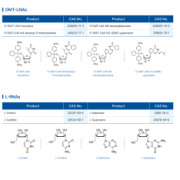
Product Nucleosides
• DMT-DNAs • DMT-2’ - OMe-RNAs
• DMT-2’ - MOE-RNAs
• DMT-2’-F-RNAs
• PMOs
• DMT-2’-OTBDMS-RNAs
• L-RNAs
• DMT-LNAs
• DMT-2’-OTOM-RNAs• Other Derivatives
-
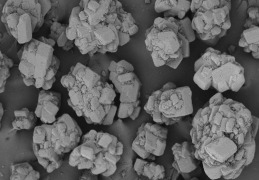
Product BioHale® Sucrose
BioHale® Sucrose is a non-reducing crystalline disaccharide made up of glucose and fructose. Sucrose is commonly used in the biopharmaceutical industry to stabilize proteins, lipids, and carbohydrates during the formulation process. The utility and function is driven by its unique chemical and physical pro...
-
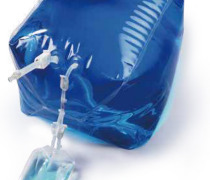
Product Single-Use Assemblies
Whether you are looking for an economical standard single-use system or require a custom-designed and built single-use system, we can offer a proven solutions at every scale.
With a wealth of experience, knowledge, and solid quality processes behind every single-use product, we strive to assure ...
-
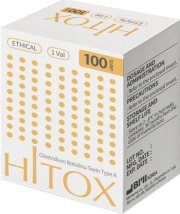
Product Botulinum toxin type A 100 units (Hitox)
Botulinum toxin / Clostridium Botulinum Toxin Type A / 100Unit
Vacuum drying
Storage: 2~8℃

-
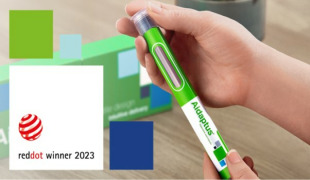
Product Aidaptus
Aidaptus has been awarded the Red Dot award for the category Product Design 2023
Benefits
- Aidaptus® is a 2-step single use auto-injector platform, with a versatile design and intuitive drug delivery.
- Aidaptus® accommodates both 1mL and...
-
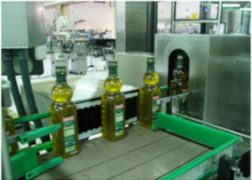
Product LABEL INSPECTION
The system snaps 2 lateral (transversal) images as bottles pass through the inspection enclosure especially for oriented rectangular, triangular and oval containers. The inspection system is placed outside labeller over conveyor. Complete turnkey installation for inspection of missing labels, upside down l...
-
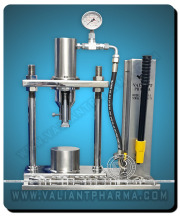
Product POWDER SAMPLER
VALIANT Pharma Samplers are designe all kind of Samplers and Compaction Machine.
-
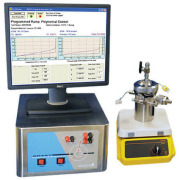
Product ARSST ( Advance Reactive System Screening Tool )
ARSST : ( Advance Reactive System Screening Tool ) :The Advanced Reactive System Screening Tool (ARSST) is easy to use and cost effective low thermal inertia adiabatic calorimeter for Process Hazard identification Low Phi Factor test cell ( 1.05) data for accurate kinetics Applications: heat of mixing, hea...
-
Product Engineering
Telstar has global engineering and design capabilities to meet its clients’ project needs throughout the globe.
The company’s engineering expertise specializes in Pharmaceutical equipment, clean utility piping, electrical, mechanical, utility piping, and cleanroom design; to advanced special...

-
Product BIOCIDAL GRADE ISOPROPYL ALCOHOL
In compliance with EU regulation 528/2012 we communicate that the ISOPROPYL ALCOHOL Bi.G (biocidal grade) distributed by Dollmar can be used as an active substance in the production of biocides.
-
Product High sensitive chromogenic and specific reagents
Fischer Chemicals AG offers a wide range of biotechnology products which includes high sensitive chromogenic and specific reagents. Contact us for more information.

-
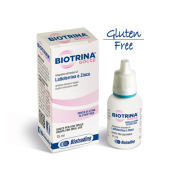
Product Biotrina drops
Biotrina drops is a dietary supplement of Lactoferrin and Zinc. Zinc contributes to the normal function of the immune system.
DOSAGEIt is recommended to take 10 to 20 drops per day.10 drops contain 100 mg of Lactoferrin. For proper use of the product it is suggested to follow your doctor’s ...
-
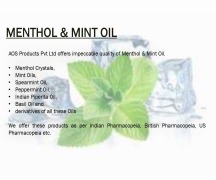
Product MENTHOL AND MINT OILS
AOS Products Pvt Ltd offers impeccable quality of Menthol Crystals, Mint Oils, Spearmint Oil, Peppermint Oil, Indian Piperita Oil, Basil Oil and derivatives of all these Oils. We offer these products as per Indian Pharmacopeia, British Pharmacopeia, US Pharmacopeia etc.
-
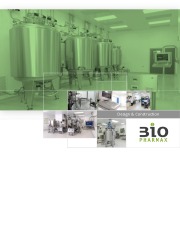
Product Biopharmax Design Engineering Services and Turnkey Projects for Pharmaceutical Industry
Turnkey Projects from Design to Supply, Installation, Commissioning and Qualification ( Biotech, High Potent API, Formulation, Nutraceuticals ) · Conceptual, Basic and Detail Engineering -Process, Utilities, HVAC & Clean Room, Production Subsys...
-
Product Aviptadil
Molecular Formula:C147H238N44O42S Relative Molecular Mass:3325.84 g/mol CAS-Number:40077-57-4 (net) Long-term Storage:-20 ± 5 °C Sequence:H-His-Ser-Asp-Ala-Val-Phe-Thr-Asp-Asn-Tyr-Thr-Arg-Leu-Arg-Lys-Gln-Met-Ala-Val-Lys-Lys-Tyr-Leu-Asn-Ser-Ile-Leu-Asn-NH2 ...
-
Product ((1S,4R)-4-(6-aMino-9H-purin-9-yl)cyclopent-2-enyl)Methanol
CAS NO.:147332-45-4Appearance:White powder Molecular Formula:C11H13N5O Formula Weight:231.25
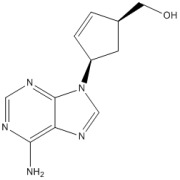
-
Product SIVTEK Roto Sifter-Advanced High Throughput Centrifugal Sifter
Galaxy sivtek pvt. Ltd offers a wide range of products which includes roto sifter. Application: it assisted a leading brand to increase final quantity of contamination free boswellia serrata. It is designed to meet high-capacity scalping and sifting for both large and small process applications. It is idea...
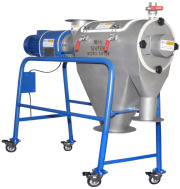
-
Product Hyatrue™ Sodium Hyaluronate(Injection Grade)
For ophthalmic surgery; for knee arthritis, osteoarthritis and scapulohumeral periarthritis; for ophthalmic viscoelastic devices, dermal fillers, anti-adhesive agent, etc.
-
Product GREEN SOLVENT (ETHANOL)
US DMF TYPE IV Ethanol for API's & Formulations. Our Plant is FDA & CDSO approved facility in India.We offer in different pack size in HDPE and ISO tanker for commercial applications.
-
Product NUCLEOSIDE
Zhejiang Hengkang Pharmaceutical Co. Ltd. has the capabilities and capacities to manufacture and deliver Deferasirox in accordance with global regulations. Contact us for more information.
-
Product Adenosine injection
Olympic Star Pharmaceutical Co. Ltd. provides wide range of pharmaceutical products which includes adenosine injection. It belongs to bio-products category. Contact us for more information.
-
Product 1-pentanesulfonic acid sodium salt monohydrate 25g/100g ethane-1,2- sulfonic acid double sodium salt 5g
Jiangsu Hanbon Science And Technology Co. Ltd offers wide range of chemical reagent which includes 1-pentanesulfonic acid sodium salt monohydrate 25g/100g ethane-1,2- sulfonic acid double sodium salt 5g . Contact us for more information.
-
Product Beer Yeast Series
Angel yeast co.,ltd provides wide range of biotechnology products which includes beer yeast series. Contact us for more information.
-
Product 1,2-Ethanedithiol
GL Biochem (Shanghai) Co., Ltd offers a wide range of reagents which includes 1,2-Ethanedithiol. Contact us for more information.
-
Product Human Insulin Injection
Tonghua dongbao imp/exp co., ltd offers a wide range of products which includes regular recombinant human insulin injection. It is used for diabetes. It is a short-acting recombinant human insulin injection for the treatment of type 1 or type 2 diabetes. Features: colorless or almost colorless aseptic solu...
-
Product CDMO Services
SPL's CDMO business unit specializes in extractions and purifications from natural sources such as plant and animal tissues and we are experts in porcine-derived API's. We are able to support projects from pre-clinical stages all the way though full commercialization.
-
Product Our Rentschler Development Services - solutions tailored to you
VelocityVelocity is our fast-track service offering for clients who must be fast. With our fixed timelines, fixed prices and standardized processes, we reliably deliver released Drug Substance for your clinical Phase I/II project on-time.
Flexibility
Sometimes our clients require flexib...
-
Product Potassium Bromide API
Potassium Bromide is used as an active substance in veterinary medicine as an anti-seizure medication. Bio Active Grade Potassium Bromide is suitable for use as a non-Sterile Active Pharmaceutical Ingredient manufactured in accordance with the ICH Q7 Good Manufacturing Practice Guide. This grade of Potassi...
-
Product Biologics Fill and Finish Service
CR Gosun(Shenzhen China Resources Gosun Pharmaceuticals Co., Ltd.) Brings 30+ Years of Sterile Manufacturing Expertise to Biologics Fill-Finish. CR Gosun, a subsidiary of CR Sanjiu (China Resources ranks 67th on the Fortune Global 500 list), has expanded into biologics aseptic fill-finish—a strategic mo...
-
Product Single-use Biocontainers
Flexible, safe, and efficient single-use containers for storage, transfer, mixing, sampling, and final filling, including 2D/3D bags, RNase-free bags, bottles, and sterile sampling solutions.

-
Product Fluorobenzene
Mainly used to prepare the main raw materials of antipsychotic drugs, such as fluguabutanol, daroguabutene, trihaloperidol, trifluoropiperidine benzene, pentafluorolido, quinolones ciprofloxacin and so on. At the same time, it is also used for the identification of pesticide insecticide, chemical book, egg...
-
Product Arbutin, alpha + beta, synthetic
Kraeber & Co GmbH offers a wide range of pharmaceutical products. We are GMP, GDP and ISO 9001:2015 certified. You can find our catalogue and product list in the download files. For more information, please contact us: www.kraeber.de
-
Product Bioconjugation - Development and Manufacturing
Custom bioconjugation services, from concept to GMP production.
Biosynth pioneers advanced bioconjugate drugs, conjugate vaccines, and polymer innovations for pharmaceutical needs. Our comprehensive services span from developing tailored PEGylated biomolecules and conjugate vaccines ...
-
Product HOMOGENIZER 1.500 BAR
Compact tabletop three plungers lab homogenizer for reliable scale up, from lab test to production. Suitable for abrasive and viscous products.
PLUS:
- User friendly
- 3-piston homogenizer
- Reliable scale-up from laboratory testing to production.
- Low noise level
- Innovative co...
-
Product Coverall without hood and boots Sterile Cleanroom Coverall
Made of Spolek"™ flash spinning polyethylene fabric,lightweight, high strength, and tear resistance.Suitable for ISO5/6 and GMP A/B grade clean areas and controlled environments.
-
Product Mustanier for Health Training
For more than 15 years, our commitment to providing quality service has made us the first choice to industry players from across the globe and from all professional levels to attend MPCC & MHTC events. Our track record shows that Mustanier is one of the best quality professional trai...
-
Product REmark
phthalmic diagnostic solution - The first and only riboflavin based eye stain - for surface diagnosis and Goldmann Tonometry.
-
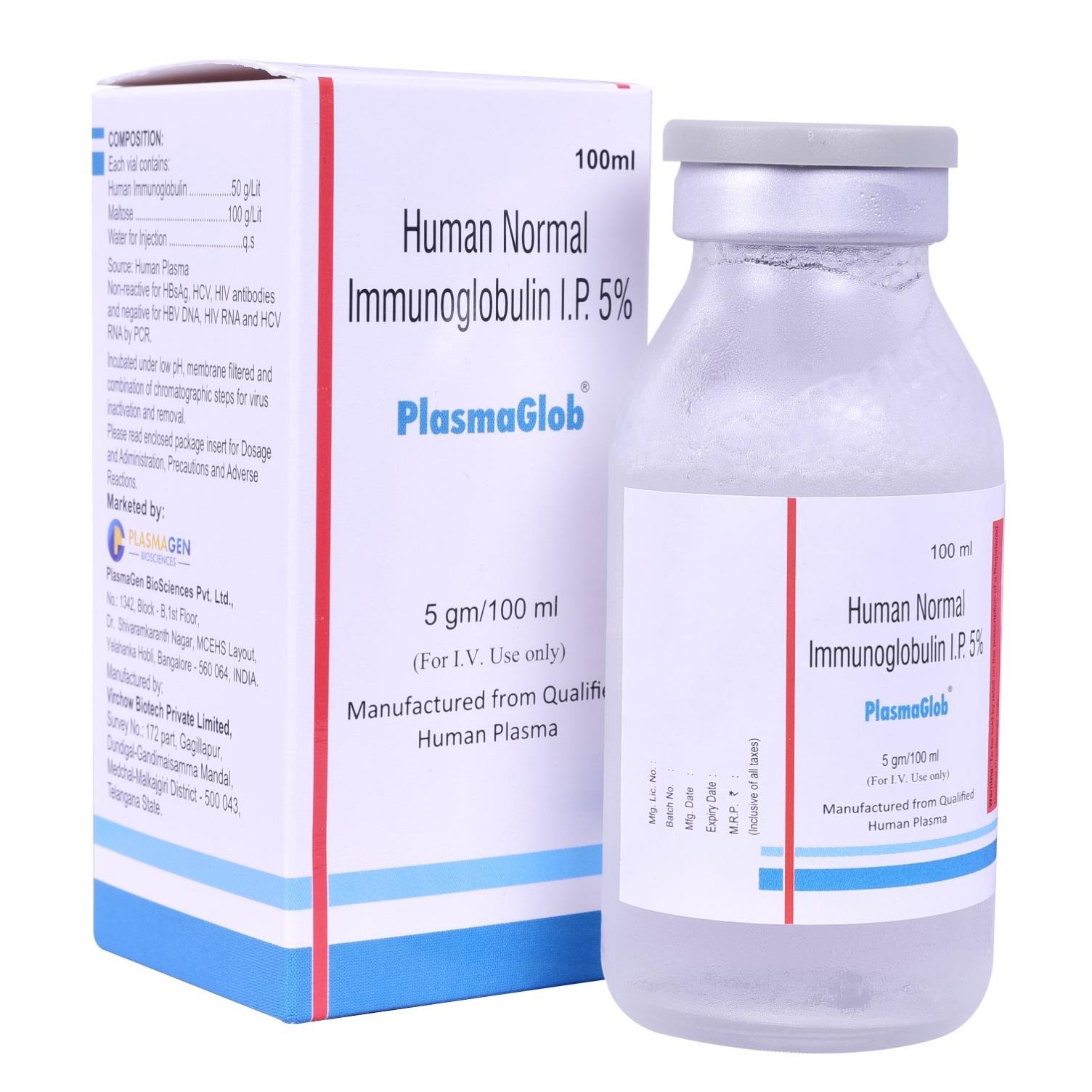
Product Liraglutide, Insulins , Erythropoetin, Albumin, Immunoglobulin, Enoxaparin, Glargine
Biologicals / Biosimilars
-
Product Monoclonal Antibodies GMP
GMP manufacturing of Monoclonal Antibodies for early-phase through all clinical stages
Also serving the Diagnostic industry with high quality antibodies
Exporting antibodies worldwide, including the US
-
Product Zoledronic Acid for Injection
Zoledronic Acid for Injection is used to treat or prevent weakening of the bones osteoporosis caused by menopause or use of steroids. Using this medicine can reduce your risk of breaking bones. It is also used to treat high levels of calcium in people who have cancer.
-
Product Chorionic Gonadotrophin (HCG)
Aspen Oss B.V offers a wide range of high quality APIs. Chorionic Gonadotrophin is part of our biochemical portfolio. Key characteristics of Chorionic Gonadotrophin are: • Dedicated facilities and equipment for extraction and purification • Full quality oversight, control and traceability through our exte...
-
Product Sterile Processing
Avara Pharmaceutical Services offers liquid and lyophilized fill-finish of sterile injectable products from state-of-the-art facilities in North America and Europe. Contact us for more information.
-
Product Sodium heparin for injectables
Syntex manufactures a wide range of active pharmaceutical ingredients, including sodium heparin both from bovine and porcine origin, calcium heparin, lithium heparin, low molecular weight heparin and pyrogen free chondroitin for injectables. Syntex complies with GMP and exports to Annex I countries, such u...
-
Product Somatropin
Usv Ltd provides wide range of biosimilar products which includes somatropin. Indication: growth hormone deficiency; turner syndrome; chronic renal insufficiency; small for gestational age or intrauterine growth retardation; prader-willi syndrome. Contact us for more information.
-
Product Coupling Agent
Dksh india pvt. Ltd offers a wide range of ingredients which includes coupling agent. Contact us for more information.
-
Product 2-Methyl Furan
Kenko corporation offers a wide range of organic chemicals which includes 2-methyl furan. Contact us for more information.
-
Product 2-(Phenylthio)ethanol
Changzhou longo chemical co ltd provides wide range of products which includes 2-(phenylthio)ethanol. It belongs to sulfhedryl category. Contact us for more information.
-
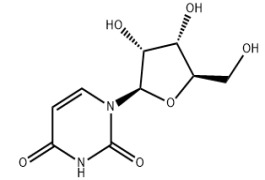
Product Uridine BioChemica code A0666
https://www.itwreagents.com/iberia/en/product/uridine-ibiochemicai/A0666

-
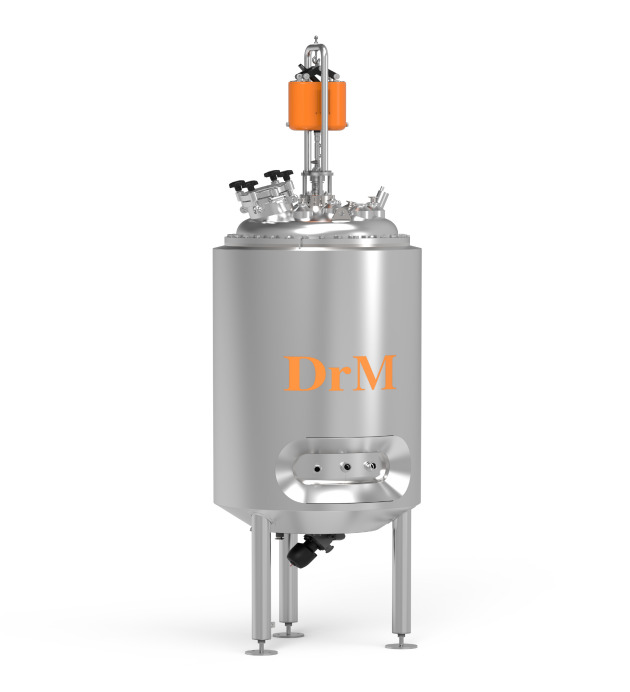
Product FUNDAMIX® Vibro Mixer
Vibratory mixer using plate oscillation instead of rotation to generate axial flow.
• No rotating shaft, no mechanical seal, no vortex • Flow direction (up/down) set by plate orientation • Gentle, low-shear mixing; protects cells, proteins, crystals • Scales from 1 L to 12,000 L on...
-
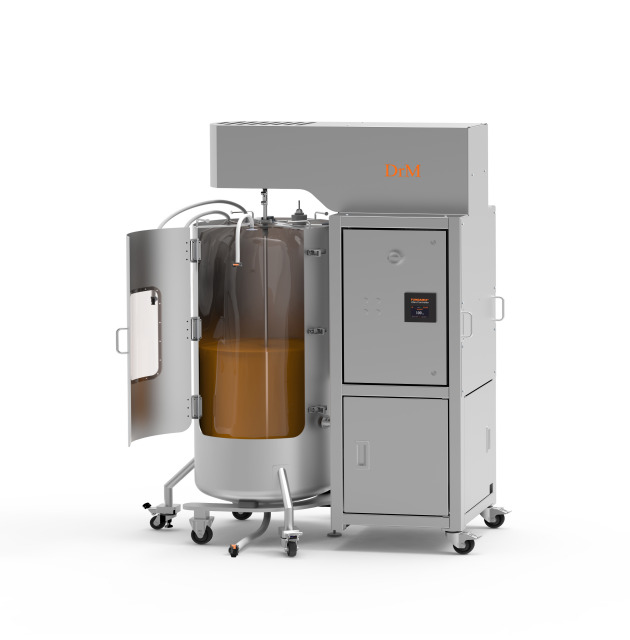
Product FUNDAMIX®SU
Single-use version of FUNDAMIX®, built for sterile, shear-sensitive bioprocessing.
• Drive stays outside the bag; nothing rotating touches the product • X-ray sterilized, fully disposable mixing bag • No cleaning validation between batches • Volumes: 1, 10, 50, 100, 200, 500 L •...
-
Product Anti PD1 - Biosimilar
Our product is currently in the early stages of development, with preclinical studies planned to start in the coming months as part of a structured development program.
The program is being designed to meet all clinical, regulatory, documentation, and manufacturing requirements for the world's m...

-
Product IL-23 - Biosimilar
Our product is currently in the early stages of development, with preclinical studies planned to start in the coming months as part of a structured development program.
The program is being designed to meet all clinical, regulatory, documentation, and manufacturing requirements for the world's m...

-
Product IgG4 - Biosimilar
Our product is currently in the early stages of development, with preclinical studies planned to start in the coming months as part of a structured development program.
The program is being designed to meet all clinical, regulatory, documentation, and manufacturing requirements for the world's m...

-
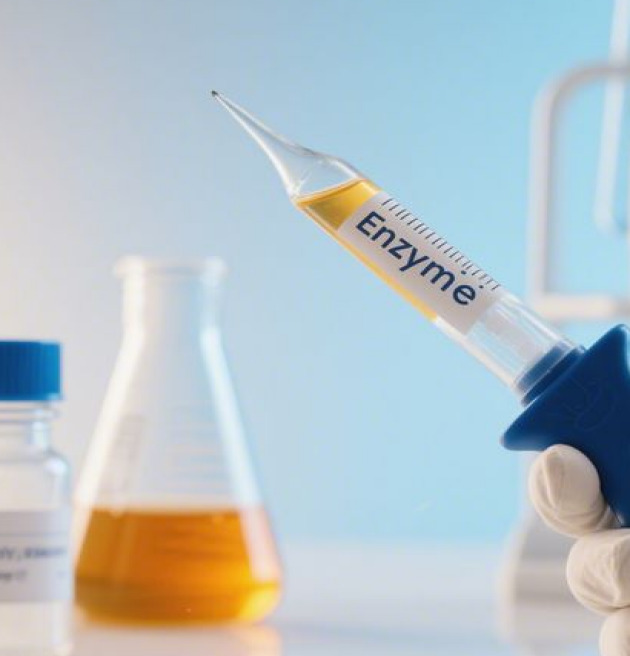
Product Trypsin
Trypsin is a serine endoprotease. It specifically hydrolyses peptide bonds at the C‑terminal side of lysine and arginine residues (except when followed by proline).
Native trypsin is synthesized as inactive trypsinogen in animal pancreas. For modern biopharma production, recombinant animal‑free ...
-
Product Trypsin
Trypsin is a serine endoprotease. It specifically hydrolyses peptide bonds at the C‑terminal side of lysine and arginine residues (except when followed by proline).
Native trypsin is synthesized as inactive trypsinogen in animal pancreas. For modern biopharma production, recombinant animal‑free ...

-
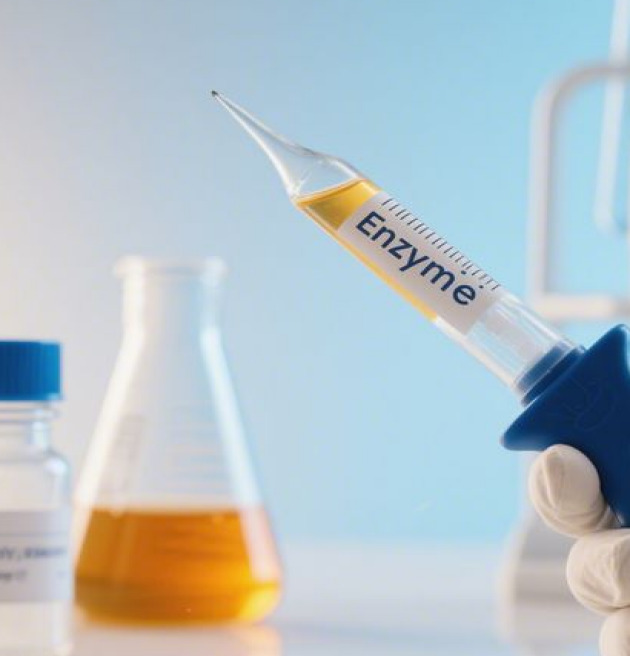
Product Enterokinase
Enterokinase is a highly‑specific serine endoprotease. Its native form is generated in the duodenum and physiologically activates trypsinogen into trypsin in digestive cascade.
It recognises and cleaves specifically after the lysine residue of sequence Asp‑Asp‑Asp‑Asp‑Lys (DDDDK↓). Cleavage will...
-
Product Kex-2 protease
Kex‑2 protease is a calcium‑dependent serine endoprotease originally derived from yeast. It naturally processes precursors of yeast α‑mating factor and killer toxin by cleaving after dibasic amino‑acid sites: Lys‑Arg, Arg‑Arg, Pro‑Arg.
Different from trypsin, Kex‑2 does not cleave after sin...
-
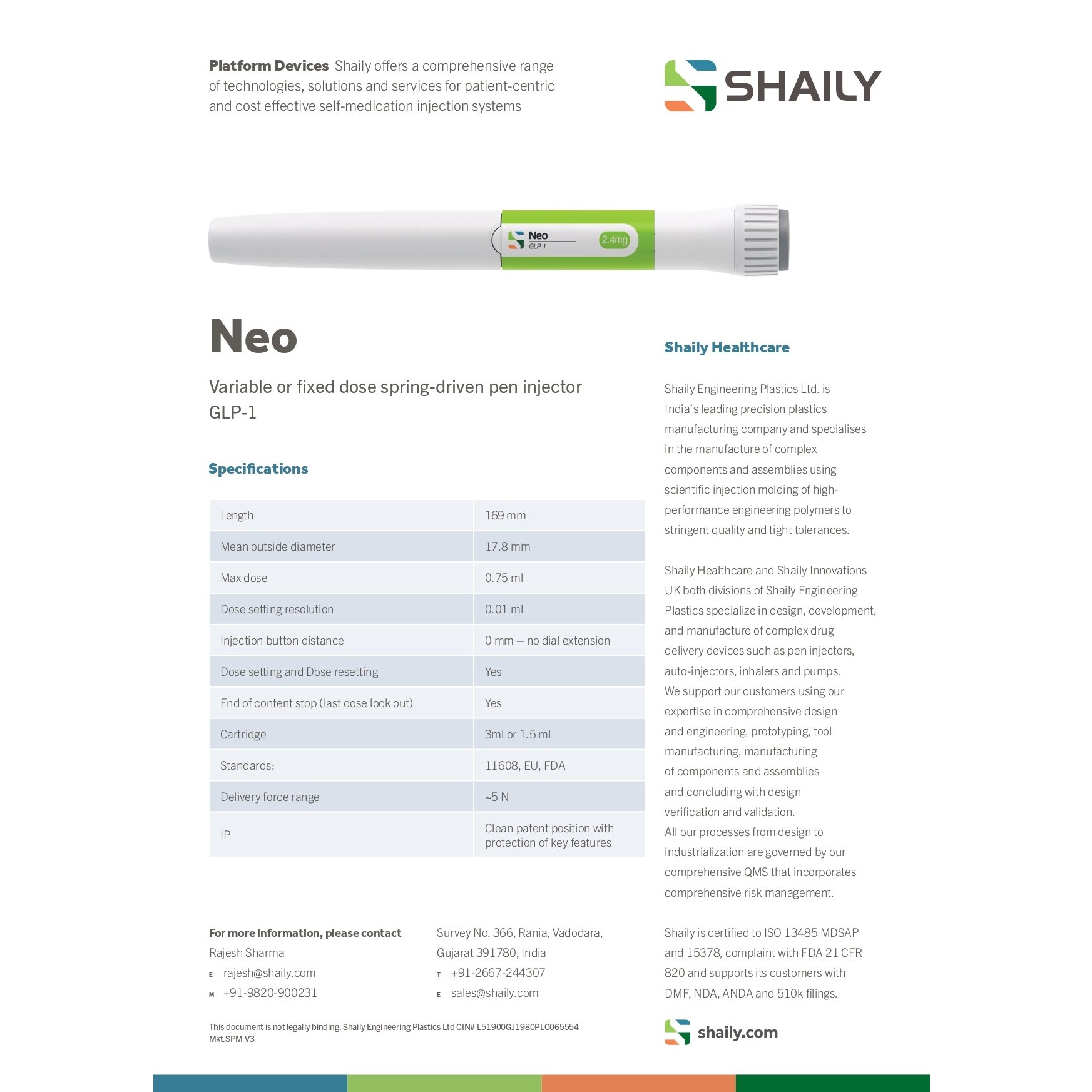
Product Somatropin Inj
Dosage & Administration: Self‑administered subcutaneous injection; dosing frequency tailored to individual indications
Strength: 10 mg/3 mL
Delivery Device: Reusable pen injector for convenient self‑administration

-
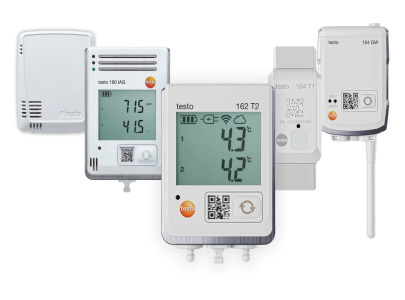
Product Online Logger: Intelligently networked. 100% control.
Meeting legal requirements for quality assurance has never been easier. With the online data loggers testo 160, testo 162 and testo 164, manual processes are a thing of the past – monitoring, alarm reporting and documentation of your processes and products are all fully automated. For maximum safety with m...
-
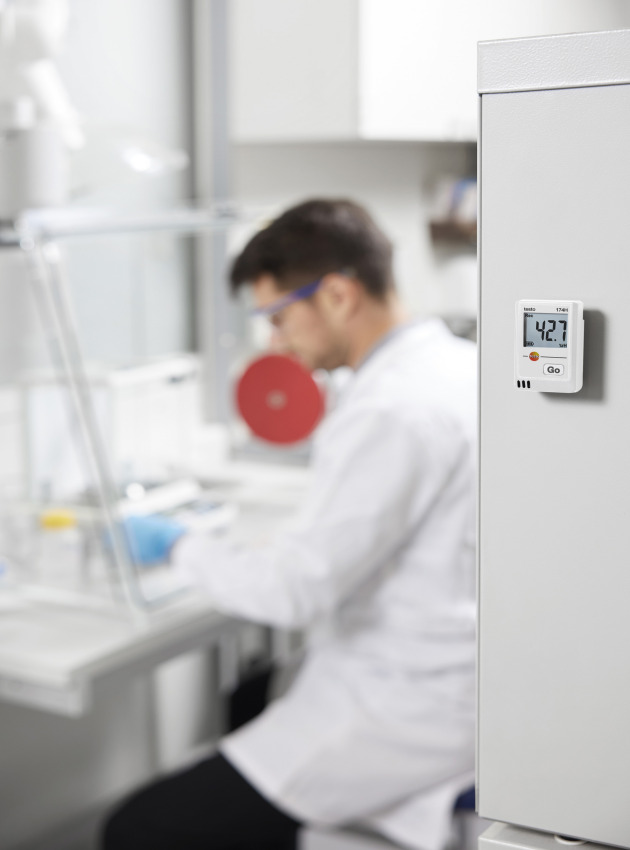
Product Environmental Monitoring
Ambient data can be important and influential in different areas. When transporting or storing goods, it is necessary to keep an eye on how the ambient data evolves and thus to be able to respond quickly when major changes occur.
The data for a good indoor climate is just as important. Personal well-b...
-
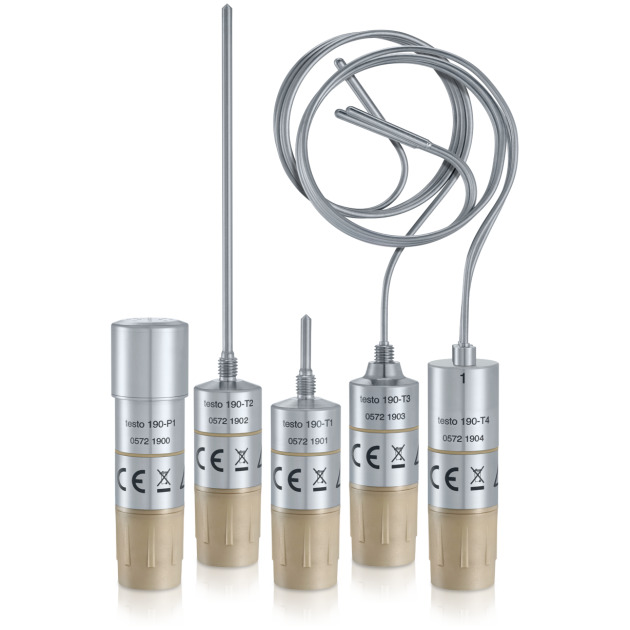
Product testo 190 CFR
Validate your sterilization and freeze-drying processes efficiently and with full regulatory confidence. The testo 190 CFR data loggers are specifically developed for the pharmaceutical industry and support both routine checks and formal qualification studies.
• testo 190 T3 CFR — Temperature data lo...
-
Product Production: Measuring instruments and all-in-one solutions for pharmaceutical production
Precise measurements help pharmaceutical manufacturers maintain stable processes and consistent product quality. Testo provides measuring instruments and integrated solutions for monitoring relevant production and environmental parameters. Reliable data and efficient documentation support quality-focused w...

-
Product Cleanrooms: Measurements in cleanrooms with precision measuring instruments from Testo
Cleanroom processes depend on stable and accurately documented environmental conditions. Testo measuring instruments support reliable monitoring of critical parameters such as temperature, humidity, differential pressure and airflow. The solutions help users perform measurements efficiently and maintain tr...

-
Product Industry Laboratory: Measuring instruments and all-in-one solutions for laboratories
Ensuring quality and compliance in laboratories.
Not every measuring instrument meets the high compliance requirements in R&D processes. Medical, biotechnical, chemical and pharmaceutical laboratories each have their own standards and guidelines, such as ISO 9001, GLP (Good Laboratory Pr...

-
Product Moorcroft United Kingdom: Reliable monitoring solutions for regulated industries
Moorcroft is a UK provider of electrotechnical solutions and bespoke control systems for demanding industrial environments. In cooperation with Testo, Moorcroft delivers robust monitoring solutions that help its customers protect assets, maintain compliance and improve process reliability.
T...

-
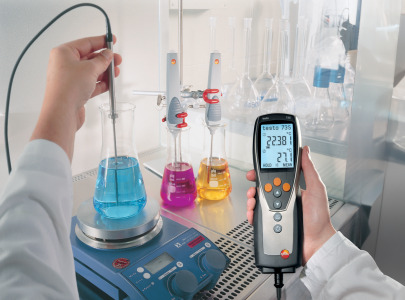
Product Multichannel thermometer
Validation & Qualification
Ensure your processes and equipment meet regulatory requirements with traceable, high-accuracy reference instruments. • testo 735-2 — Multichannel reference thermometer for temperature mapping and qualification studies • testo Saveris 2
-
Product Oriola Sweden: Future-proof pharmaceutical monitoring with testo Saveris 1
Oriola, a leading pharmaceutical distributor in Sweden, uses the testo Saveris 1 measurement system at its sites in Mölnlycke and Enköping. The system continuously monitors the environmental conditions in areas where sensitive medicines, vaccines and healthcare products are stored.
With hundreds...

-
Product Biomay Austria: Scalable environmental monitoring with testo Saveris 1
Biomay, an Austrian biotechnology company, uses testo Saveris 1 to monitor critical environmental conditions across its production sites. The system supports the development, testing and manufacturing of plasmid DNA, recombinant proteins, mRNA and lipid nanoparticles for pharmaceutical partners.
...
-
Product Reference: University Medical Center Freiburg, Germany
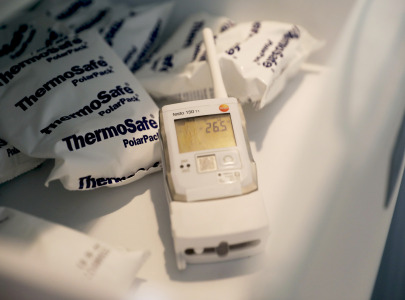
The University Children's Hospital Freiburg monitors over 40 data loggers and 104 temperature probes — from 4 °C refrigerators to -196 °C nitrogen tanks — with a single testo Saveris 1 system. Valuable blood and bone marrow samples from across Europe are protected around the clock, with automated reporting...
-
Product Clinical-Supply Manufacturing
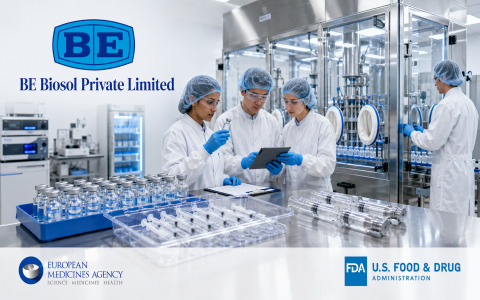
BE BioSol provides flexible clinical-supply manufacturing for biologics, vaccines and sterile injectable products, supporting programs from early-phase development through pivotal clinical studies. Our teams work closely with clients to establish practical, phase-appropriate manufacturing strategies that b...
-
Product Aseptic Liquid-Vial Filling
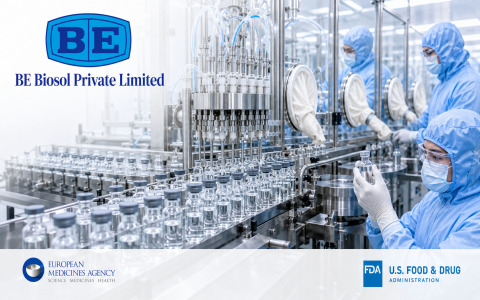
BE BioSol provides aseptic liquid-vial filling services for biologics, vaccines and complex injectable products—from clinical programs through large-scale commercial supply. Our integrated teams support formulation, process development, technology transfer, scale-up and validation, providing clients with a...
-
Product Prefilled-Syringe Filling (PFS)
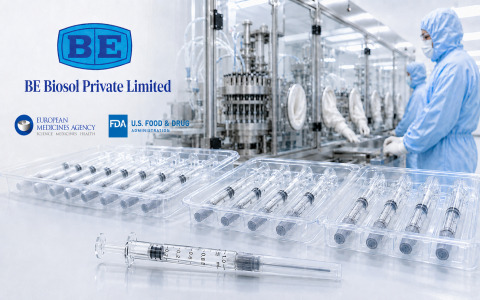
BE BioSol provides aseptic prefilled-syringe filling for biologics, vaccines and complex injectable products, supporting clinical and commercial programs. Our integrated services include formulation and drug-product development, process optimization, technology transfer, sterile filtration, aseptic filling...
-
Product Clinical and Commercial Sterile Manufacturing
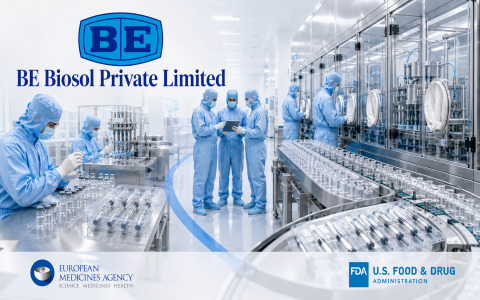
BE BioSol provides flexible sterile-manufacturing solutions that support injectable products from early clinical development through launch and sustained commercial supply. Our capabilities span liquid and lyophilized vials, prefilled syringes and cartridges, enabling clients to select the presentation and...
-
Product Regulatory, Quality and Technical Support
BE BioSol provides integrated regulatory, quality and technical support throughout the product lifecycle—from early development and technology transfer through validation, regulatory submission and commercial manufacturing. Our cross-functional teams work closely with clients to establish clear development...

-
Product Secondary-Source and Supply-Continuity Solutions
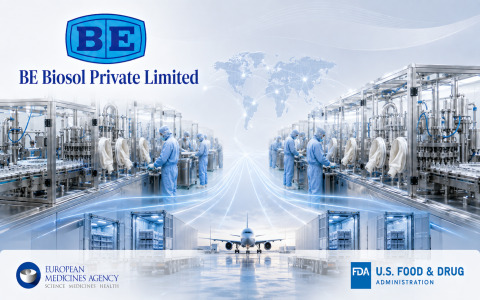
BE BioSol helps pharmaceutical and biotechnology companies reduce supply-chain risk by establishing reliable secondary manufacturing sources for biologics, vaccines and sterile injectable products. Our teams support gap assessments, technology and analytical-method transfer, process adaptation, engineering...
-
Product Integrated Development-to-Commercial Supply
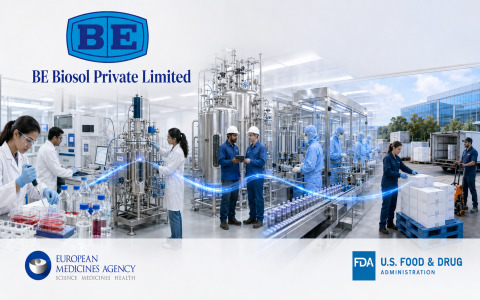
BE BioSol provides an integrated pathway that supports biologics, vaccines and sterile injectable products from early development through clinical manufacturing and dependable commercial supply. By bringing scientific, technical, regulatory and manufacturing expertise together within one organization, we h...
-
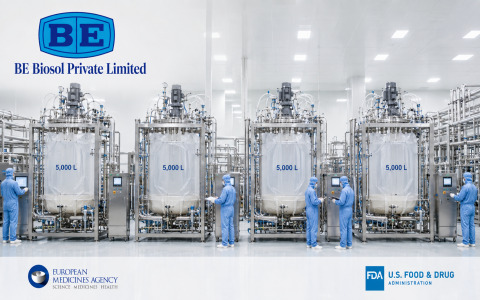
Product Mammalian Drug-Substance Manufacturing with four 5,000 L Single-Use Bioreactor Trains
BE BioSol is expanding its mammalian drug-substance manufacturing capabilities with four 5,000 L single-use bioreactor trains, providing up to 20,000 L of total production capacity. The flexible, modular design will support efficient product changeover, parallel manufacturing campaigns and scalable product...
-
Product teriparatie acetate
Anabolic Osteoporosis Therapy | Reduce Fracture Risk | Convenient Self-Administration
Source: Recombinant genetic engineering in E. coli expression
Teriparatide is a polypeptide consisting of the first 34 amino acids of human parathyroid hormone (PTH). As a key active pharmaceutical...

-
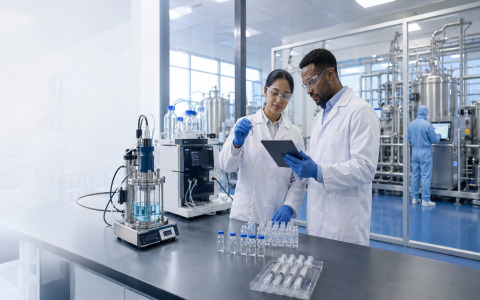
Product Integrated biologics and vaccine development
E BioSol provides integrated development support for biologics and vaccines, helping clients advance programs from early development through clinical supply, technology transfer and commercial manufacturing.
Our services include:
• Developability and technical feasibility assessments...
-
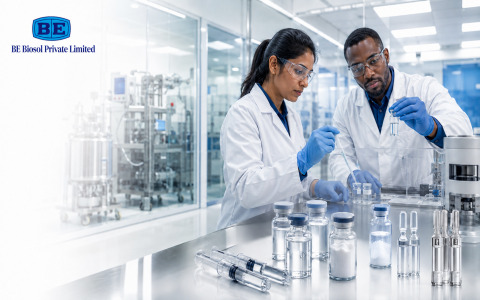
Product Formulation and drug-product development
BE BioSol provides formulation and drug-product development services designed to improve product stability, manufacturability and delivery. Capabilities include buffer and excipient screening, pH and concentration optimization, stability and stress studies, container-closure compatibility, and lyophilizati...
-
Product TAILORED BAG®
TAILORED BAG® is a single-use bag featuring a multilayer film with additive-free Polyelite® film on the product-contact surface. It offers low extractables, controlled bioburden, and is supplied sterilized, meeting the stringent requirements of biopharmaceutical manufacturing. With excellent transparency, ...

-
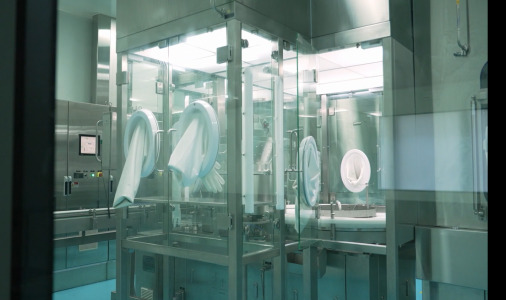
Product Integrated Biosimilar CMC Solutions – from Development to Commercial Manufacturing
End‑to‑end biosimilar development from cell line construction to PPQ and commercial batches. The integrated platform enables a fast development timeline, supports global GMP requirements, and offers competitive cost of goods. Includes DS/DP manufacturing, analytical testing, quality support, and technology...
-
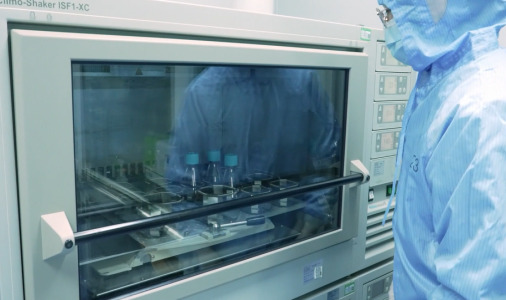
Product Integrated CMC Solutions for Advanced Therapies
Customised CMC development and manufacturing for a broad range of advanced biologic modalities. Services include process development, analytical characterisation, scale‑up, and GMP manufacturing, tailored to the characteristics and development stage of each modality.
-
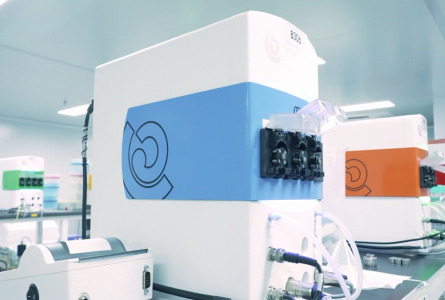
Product Biologics Development Solutions for Companion Animal Therapeutics
Leverages advanced expression technologies, optimised vectors, and flexible bioprocessing platforms to deliver scalable and cost‑efficient solutions tailored to companion animal biologics. Supports from early development to GMP manufacturing, with customisation for veterinary specific requirements.
-
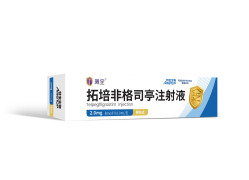
Product Telpegfilgrastim injection(PEG G-CSF)
Pegylated Human Granulocyte Colony-Stimulating Factor
Trade name: PEGNEUGEN
Technology
Recombinant gene technology, expressed by Yeast
Amino acid
175 amino acids; Non-glycosylated
...
-
Product 1-Hydroxy-7-azabenzotriazole 39968-33-7
Appearance:Off-white to white crystallinePurity (HPLC):99%min
Melting point:213.0 ~ 216.0 oC (dec.)
Loss on drying:0.5%max

-
Product Salts & Solutions
Offering Tailor-made catalysts for optimum productivity in your process.
Hindustan Platinum is a leading manufacturer of precious metal catalysts that play a pivotal role in chemical industries, owing to their activity, selectivity and recyclability. Our catalysts are abundantly su...
-
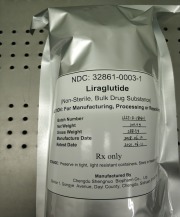
Product Liraglutide
Diabetes mellitus,
Liraglutide is a once-daily GLP-1 derivative for the treatment of type 2 diabetesLabel,2. The prolonged action of liraglutide is achieved by attaching a fatty acid molecule at position 26 of the GLP-1 molecule, enabling it to bind reversibly to albumin within the subcutaneou...
-
Product Monoammonium Glycyrrhizinate
Appearance: white or yellowish-white, hygroscopic powderAssay:from 98.0% to 102.0% (anhydrous substance)
-
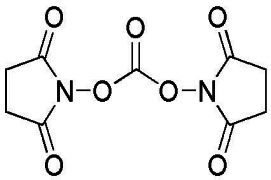
Product DSC; CAS# 74124-79-1 Peptide Coupling Reagent
Coupling Reagents of peptides; Purity(99% HPLC): 99%min;
-
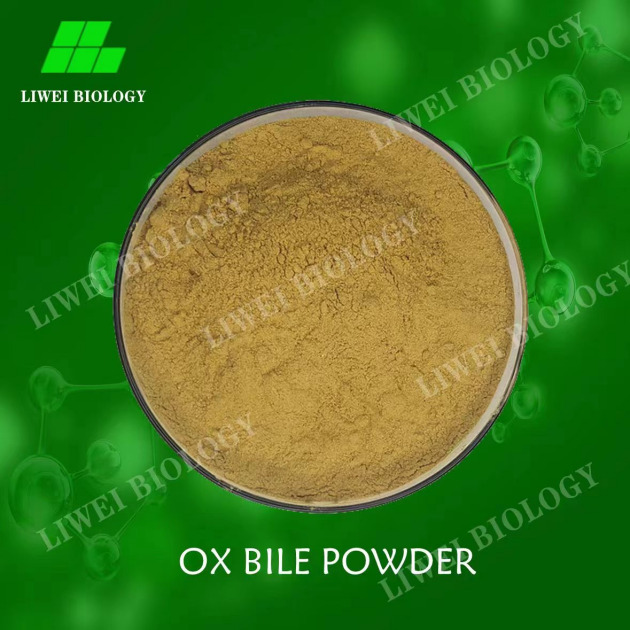
Product OX Bile extract/Bovine Bile extract/Ox bile powder/Bovine Bile
Ox Bile Extract/Ox Bile Powder is extracted from fresh ox bile whose producing area are not in epidemic-stricken area stated by P.R. China and WHO,and manufactured through the process of degreasing, removing impurity and drying. It is pure and nature product.
Ox Bile Extract aids digesti...
-
Product Potassium metavanadate 13769-43-2
Appearance:White powderAssay(V2O5):65%min
K2O:33%min
Cr:0.05%max
Na:0.5%max
Fe:0.05%max
Cl:0.01%max
As:0.005%max

-
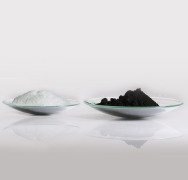
Product Suitable Supports
Offering Tailor-made catalysts for optimum productivity in your process.
Hindustan Platinum is a leading manufacturer of precious metal catalysts that play a pivotal role in chemical industries, owing to their activity, selectivity and recyclability. Our catalysts are abundantly suppli...
-
Product Octreotide
Octreotide is the acetate salt of a cyclic octapeptide. It is a long-acting octapeptide with pharmacologic properties mimicking those of the natural hormone somatostatin. Prevention and treatment of acute pancreatitis and upper gastrointestinal bleeding, and can also be used for portal hypertension a...
-
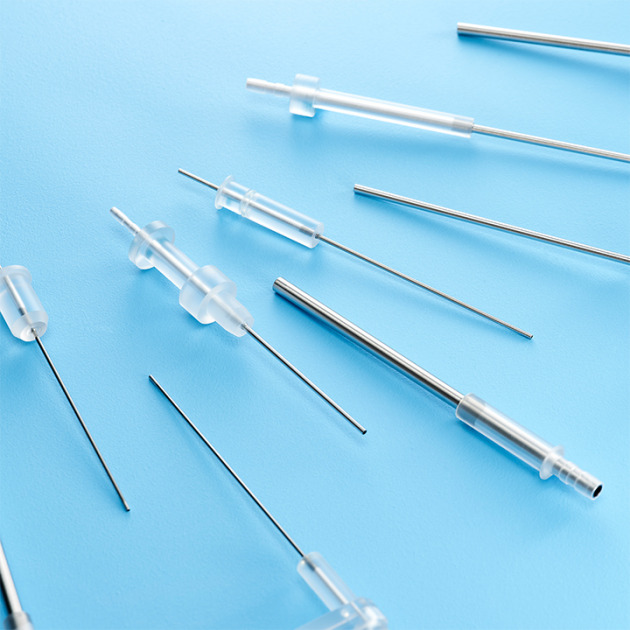
Product OneShot™ Single-Use Filling Needles from Overlook Industries
Qosina offers OneShot™ single-use filling needles designed to improve production efficiency while delivering the speed, precision and accuracy required for critical filling applications.
By eliminating the need for cleaning and validation between uses, OneShot™ filling needles help reduce fillin...
















Biopharmaceuticals
Biopharmaceuticals, also known as biologic medical products, are drug products manufactured using biotechnology. Biopharmaceutical drugs are structurally similar to various compounds within the body. Over time, drug development has progressed from small-molecule compounds to large molecule proteins and other accompanying biopharmaceuticals. The discovery of biopharmaceuticals has significantly improved the healthcare delivery. It has provided a shift in providing cures for chronic illnesses such as refractory cancers, diabetes, autoimmune diseases, etc., thereby improving the affected patients' quality of life.
The use of biopharmaceuticals for therapeutic purposes dates as far back as the 19th century, with recombinant human insulin being the first approved biopharmaceutical used for therapeutic purposes in human beings. Over the last three decades, the biopharmaceutical industry has experienced notable growth and is expected to contribute to some remarkable pharmaceutical industry developments. Biopharmaceutical offers a wide range of advantages and benefits to pharmaceutics, and here, we would be exploring these benefits. We would also examine the biopharmaceutical manufacturing process, notable examples of biopharmaceuticals, and more.
What are biopharmaceuticals?
These complex medicines are proteins (monoclonal antibody), sugars (glycan), nucleic acids (RNA, DNA), living cells, or tissues extracted or semi synthesized from a biologic source by biotechnology for in vivo diagnosis or therapeutic purposes.
The majority of biopharmaceuticals are synthesized or derived from living organisms or genetically modified cells and organisms. They cannot only lessen symptoms or treat chronic diseases but also cure them with little or no side effects because of their origin and specificity. Some biopharmaceuticals include enzymes, antisense drugs, cytokines, monoclonal antibodies, gene therapy, cell therapy, etc.
Biopharmaceuticals have helped personalize the treatment process to meet the specific health needs of patients. This is achieved through the modification of drugs genetically through DNA-recombinant technologies or cell fusion to alter specific factors to cure, prevent, or diagnose individual diseases.
How are biopharmaceuticals made, and why?
As opposed to chemical synthesis through which conventional medicines and drug products are made, biopharmaceutical drugs are synthesized through more complex processes from living cells. With the rapid growth of the biopharmaceutical industry and the discovery of new biologic therapies, the term biopharmaceutical (biologics) refers to a variety of medicines and drug products. The diversified portfolio contains various drugs produced by different biotechnological methods and techniques.
These drug products are not made from chemical mixtures but rather from living organisms. Experts in cellular biology, biochemistry, and several other fields carry out biologic testing and analysis (using analytical methods) to ensure that the desired end product is made.
For example, biologics used to treat joint pain are made by adding a DNA into a living cell such as a yeast or mammalian cell to enable the production of a specific molecule in large amounts. These molecules are usually therapeutic proteins that are isolated and utilized as active ingredients.
When newly introduced, biopharmaceuticals focused solely on developing recombinant protein such as enzymes (TPA) and hormones (insulin, erythropoietin, growth hormone, etc.) through recombinant DNA techniques. With time, they have delved into the design and development of chemically defined cells, manufacturing of monoclonal antibodies, and genome-based technology. These new techniques have improved the pharmaceutical manufacturing process and created new treatment options for different diseases.
Like every other drug, biopharmaceutical drugs are produced for therapeutic purposes, but with a catch. They are produced majorly to cure chronic and dilapidating diseases such as cancer, diabetes, rheumatoid arthritis, and several others. The manufacturing of these drug products also aims at providing effective, safe, and cost-effective drugs for therapeutic purposes.
What is the biopharmaceutical industry?
The biopharmaceutical industry is an essential subset of the pharmaceutical industry. It is comprised of biopharmaceutical companies that discover, develop, produce, and market biopharmaceuticals. The drug products made are used to diagnose, treat, prevent, and cure diseases when administered to patients. This industry deals majorly in biopharma drugs and medicines produced via the biotechnological process from living entities such as micro-organisms, living cells, tissues, or organs of humans and animals. The biopharmaceutical industry successfully merges between biotech and pharmaceutical companies to provide better and safer healthcare to patients.
What is the difference between biopharmaceutic and biopharmaceuticals?
Biopharmaceutics is simply pharmaceutics that deals with biopharmaceuticals. It is a branch of pharmaceutical science that examines the physiochemical properties of drugs, their toxicology, pharmacology, dosage forms, and patients' clinical response to drugs, biopharmaceuticals inclusive. The recommended dosage and dosing interval varies for different drugs, and it significantly affects their efficacy and safety. Biopharmaceutics provide adequate information and understanding of the pharmacodynamics and pharmacokinetics of biopharmaceutical drugs, their metabolites, and their effects on the body. Through biopharmaceutics, biopharmaceutical drugs can be evaluated based on their properties and effects on the body.
On the other hand, biopharmaceuticals refer to inherently biologic pharmaceuticals extracted, synthesized, or semi-synthesized from live forms using biotechnological methods. They constitute a significant part of the drug products examined and evaluated in biopharmaceutics to improve healthcare delivery and, in turn, the quality of patients' lives.
How are biopharmaceuticals manufactured?
The rapid advancement of genetics and molecular biology has played a significant role in the biopharmaceutical manufacturing process. The introduction of new and refined techniques such as protein purification, host system, etc., has positively impacted the efficacy, capacity, and safety of biopharmaceuticals produced.
There are many biopharmaceutical manufacturing processes, and they vary based on the type of drug product to be produced.
Where is biopharmaceutical manufacturing heading?
With several emerging technologies in the biopharmaceutical manufacturing process, the biopharmaceutical manufacturing process is expected to take a huge turn. With over 1000 biopharmaceuticals in clinical trials, the majority of drugs in the future may be biopharmaceuticals. The increased need for biopharmaceuticals and the constant advancement in biotech will impact biopharmaceutical manufacturing. Given the various advantages of gene therapy, biopharmaceuticals' manufacturing process is likely to focus more on gene therapy in the future.
What is the process involved in the process of manufacturing biopharmaceuticals?
The process of small-scale and large-scale biopharmaceutical production varies. However, biopharma companies produce to indulge in large-scale biopharmaceutical production. The processes involved in manufacturing these drugs are complex, lengthy, and largely differ depending on the end-product. Generally, the processes include biosynthesis, purification, formulation, and final dosage preparations.
Materials and equipment are sterilized at the biosynthetic stage, and a cell culture or biologic extract is harvested or collected in a bioreactor to grow and multiply. During the purification process, cells, tissues, enzymes, or desired products are separated from surrounding nutrients and byproducts to produce the bulk product. Unlike conventional drugs mixed with other chemical components during formulation, biopharmaceuticals are made and sold as sterile products. Although they are sold as sterile products, biopharmaceuticals are packaged in similar ways as conventional drugs before distribution and sales.
This description gives a general knowledge of the manufacturing process carried out. Nevertheless, there are special intricate biotech processes that can be carried out and some include continuous manufacturing, and other processes requiring single use technology.
What special considerations must be made when manufacturing biopharmaceuticals?
Consistent safety, effectiveness, and quality are the essential factors that must be considered during the biopharmaceutical manufacturing process.
The manufacturing processes of each biopharmaceutical product must be designed to produce consistent quality and safe biopharmaceutical drug products. This involves the complete removal of contaminants and impurities such as viral contamination, endotoxins, cell membranes, and others from the separated product. Also, regular rigorous and well-documented checks and examinations on the efficiency and performance of the materials and equipment must be carried out to validate the manufacturing process.
Benefits of biopharmaceuticals
Given the structural composition and origin of biopharmaceuticals, these bio drugs provide several health benefits to patients and, in extension, the healthcare industry and healthcare professionals. The emergence of biopharmaceuticals has provided patients with a better shot at quality life and longevity.
How do patients benefit from biopharmaceuticals?
Biopharmaceutical drugs, unlike conventional medicines, mimic the structures of human compounds, and this gives biopharmaceuticals the potential and ability to cure diseases more effectively. They also produce fewer side effects due to their high specificity, unlike the traditional medications that are capable of affecting multiple systems simultaneously. Given their similarities with human compounds, they are very safe and highly effective.
Also, these drugs can be genetically modified to allow healthcare professionals to tailor treatments to meet patients' specific health needs. In addition, some generic drugs play crucial roles in providing patients with curative and diagnostic benefits.
However, one of the greatest potentials of biopharmaceuticals that also serves as an essential benefit to patients is gene therapy. Through gene therapy, conditions characterized by rapidly dividing cells due to mutated or defective genes, such as cancer, can be cured. Unlike some cancer drugs and other medications also, biopharmaceutical drugs are non-carcinogenic. The innovation of biopharmaceuticals also aids in producing varieties of vaccine to prevent infection and the spread of infectious diseases in patients.
Generally, bio drugs improve longevity, increase life expectancy, provide welfare to the population, and provides several public health benefits.
How does the healthcare industry benefit from biopharmaceuticals?
The impact of biopharmaceuticals and biopharmaceutical innovation on health care professionals also tells on the healthcare industry. Biopharmaceuticals have a massive positive economic impact, and other healthcare industry benefits that cannot be ignored. The development and availability of the various biopharmaceuticals in the pharmaceutical market will increase access to bio drugs, cost-effective medicines, and a boost in the global pharmaceutical market. Also, the ease of commercial production of biopharmaceuticals boosts the healthcare industry's economy and market growth.
How do healthcare professionals benefit from biopharmaceuticals?
Biopharmaceuticals and biopharmaceutical innovations provide outstanding benefits to healthcare professionals. It provides healthcare professionals with a variety of safe and efficient curative and therapeutic options for their patients. Therefore, in cases where a particular bio drug doesn't produce the desired therapeutic effect in a specific patient or has undesired side effects, other alternatives within the same drug family can be administered. Also, biopharmaceutical innovation provides job opportunities for healthcare professionals and individuals in different fields of practice.
Examples of common biopharmaceuticals
There are various biopharmaceutical products, and the majority of these products are widely known. Some common biopharma products include insulin, blood factor IX and VIII, human growth hormone, erythropoietin, tissue plasminogen activator, therapeutic antibodies, glucocerebrosidase, interferon α, and β, and GSCF. These form the most common examples, but they fall into the different biopharmaceutical classes, including hormones, clotting factors, blood products, vaccines, cytokines, and growth factors.
Where can some common biopharmaceuticals be found?
Biopharmaceuticals are derived and produced from various cells. They can be extracted and synthesized mammalian cell lines, microbial cells (yeast culture or recombinant E. coli), moss plants, and plant cell cultures. The majority of these sources are readily available and accessible at all times. These sources are origins from which the drug development process spans.
Who commonly uses biopharmaceuticals?
Biopharmaceuticals are primarily used for patients. However, most of the patient population that uses biopharmaceuticals are patients with long-term diseases such as psoriasis, diabetes, Crohn’s disease, rheumatoid arthritis, etc. The elderly constitute the majority of patients affected by either of these chronic conditions. Also, cancer patients form a significant percentage of the patient population using biopharmaceutical products.
What industries can common biopharmaceuticals be found in?
The common biopharmaceuticals are produced majorly by the biopharmaceutical and biotechnology industries. Within these industries, these biopharmaceutical products are developed and manufactured by biopharmaceutical companies. Some of the top pharma companies that manufacture the most common biopharma products include Gilead Sciences, Amgen, Genentech, Biogen, Riotech, Samsung biologics, Teva Pharmaceuticals, Celgene, Pfizer, United Therapeutics Corporation, UCB, and Sanofi. Although these companies form the existing biopharmaceutical manufacturing companies, a new biopharmaceutical company, Clover biopharmaceuticals, presently undergoing clinical trial is set to become a top tier pharmaceutical company in this industry.
References
https://medcraveonline.com/OAJS/biopharmaceutical-innovation-benefits-and-challenges.html
References
Upcoming Events

Pharmaceutical Industry Webinars
-

Webinar Fast and Furious eBR Implementation: How Agentic AI Compresses the Path from Paper to Production
-
October 28, 2026
-
9am GMT/ 4pm SGT
-
-
.png)
Webinar The Continuum of Automation in Mechanical Testing of Combination Products
-
12th November 2026
-
3pm GMT/ 4pm CET
-

%20(1).png)
%20(1).png)
.png)
%20(1).png)
.png)
%20(1).png)

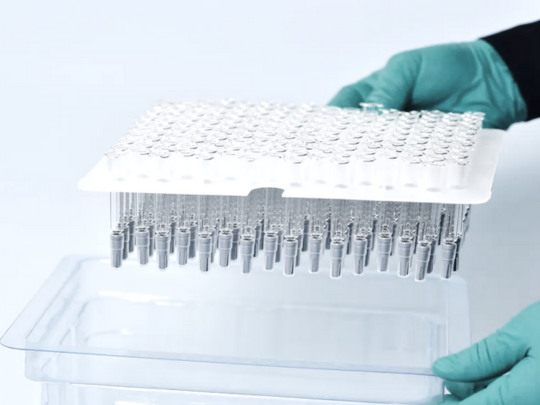


.png)
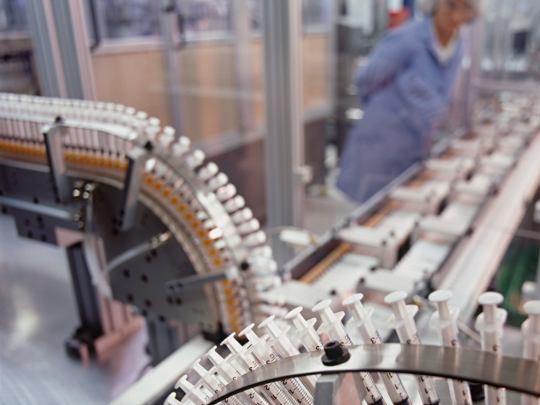
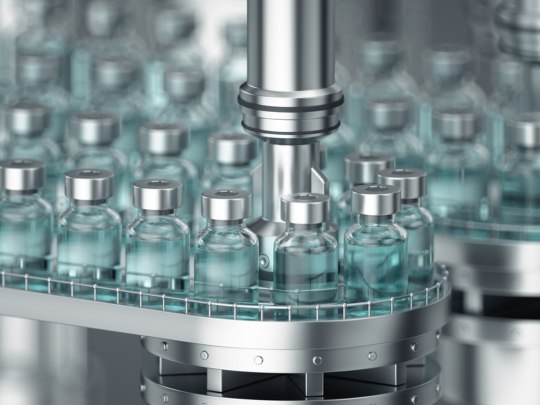

.png)