- Home
- Biopharmaceutical Products
- Biopharmaceuticals (General Category)
CPHI Online is the largest global marketplace in the pharma ingredients industry
-
Products551,744
-
Companies7,781
-
Articles11,636
-
Events8
-
Webinars342
Biopharmaceuticals (General Category)
Biopharmaceuticals (General Category) Companies (199)






































































































































Biopharmaceuticals (General Category) News
-
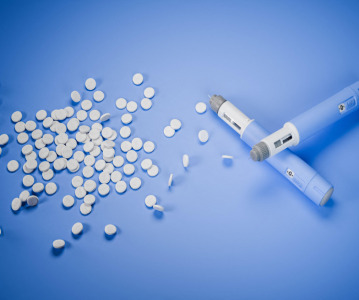
News Dr Reddy's to launch generic semaglutide in India
Dr Reddy’s Laboratories, one of India’s leading pharmaceutical companies, is preparing to launch a generic version of semaglutide, branded as Obeda, in March. Obeda is expected to provide a more affordable alternative to Ozempic a...25 Feb 2026 -
News Women in Pharma: Bridging Science, Strategy, and Equity in Chemicals and Pharma
Our monthly Women in Pharma series highlights the influential lives and work of impactful women working across the pharmaceutical industry, and how the industry can work towards making the healthcare industry and workplace more equitable and inclusive.23 Feb 2026 -
News Investigating Innovation at ISPE: 2025 Europe Annual Conference
The 2025 ISPE Europe Annual Conference was held May 12-14, 2025 in London, UK, bringing together a community of pharmaceutical engineers and professionals from all industry levels to discover the latest in pharmaceutical technologies and innovations.&n...25 Jun 2025 -

News Women in Pharma: A Place to Share Worries and Challenges - CPHI Women in CPHI Japan
This year’s CPHI Women event was held on 10 April 2025 inside the CPHI Japan venue adjacent to Tokyo Big Sight. Now in its 9th edition, CPHI Women aims to foster networking opportunities for women working in the pharmaceutical industry in Japan.25 Jun 2025 -

News Women in Pharma: Moving beyond discussions and into best practice at CPHI Milan
In this second CPHI Milan special of our monthly series, we cover the key takeaways from the Diversity & Wellbeing track held on October 10, 2024.
31 Oct 2024 -
.png)
News Women in Pharma: A leader's approach to diversity advocacy
In our monthly series on women in the pharmaceutical industry, we interview leading experts in the pharmaceutical supply and value chain to discuss the importance of gender diversity in healthcare, the workplace, and beyond.
20 Aug 2024 -
.png)
News Women in Pharma Anniversary: Celebrating Our Heroines of Pharma
Our Women in Pharma interview series is approaching its 1-year anniversary this month, and to celebrate, we are highlighting the Heroines of Pharma that our very own Women in Pharma admire.
5 Jun 2024 -
.png)
News Drug Patent Expiries: a steep cliff or opportunity for innovation?
The pharmaceutical industry faces a patent cliff together in the years leading up to 2030. Learn what this means for drug pricing, their outsourcing partners, and drug innovation of the future.
30 Apr 2024 -
.png)
News First offers for pharma from Medicare drug price negotiations
Ten high-cost drugs from various pharma manufacturers are in pricing negotiations in a first-ever for the US Medicare program. President Biden’s administration stated they have responded to the first round of offers.
5 Apr 2024 -
.png)
News Special Edition Women in Pharma: Women’s health and the pharmaceutical industry
International Women’s Day is an annual celebration of women around the world every March 8. March also marks Women’s History Month. This March, our Women in Pharma series takes a look at how women’s healthcare has developed, and the r...25 Mar 2024 -
.png)
News Informa Markets International Women’s Day Panel Discussion
On March 7, 2024, the Informa Markets Amsterdam office hosted an International Women’s Day Breakfast and Panel Discussion to celebrate the women who drive the B2B events industry forward, including members of the CPHI team.
8 Mar 2024 -
News Innovative Salts for Biopharma
With more than 135 years of experience, Dr. Paul Lohmann® is an expert in high quality Salt manufacturing and provides DPL-BioPharm Salts for upstream, downstream and fill & finish processes of the biopharmaceutical industry.24 Aug 2023 -
News Humira biosimilars at discounted prices to meet market demand for accessible treatment
Several biosimilars to AbbVie’s monoclonal antibody therapeutic Humira were launched by various pharmaceutical giants this week in the US, with more expected to be released by the end of the year as the patent expires.
3 Jul 2023 -

News Biogen receives accelerated approval for first-of-its-kind ALS treatment
Biogen has announced that they have received approval from the US FDA for the amyotrophic lateral sclerosis (ALS) treatment, QALSODY™ (tofersen). This is the first approval of a treatment that targets a genetic cause of ALS.
26 Apr 2023 -

News Eli Lilly gets ready to launch five new drugs in 2023
Eli Lilly, the American pharmaceutical company (IN, USA) are gearing up for a big year ahead, with hopes to launch five new drugs and capitalise on growing obesity and Alzheimer’s disease markets.15 Dec 2022 -
News From the floor - CPHI Frankfurt 2022
The live blog from the people on the ground at CPHI Frankfurt - covering all stand-out news, memorable moments, and keynote updates from the 2022 event.
1 Nov 2022 -

News LG Chem to acquire AVEO Oncology with USD $566 million investment
South Korean chemical company LG Chem is set to acquire AVEO Oncology, an oncology-focused biopharmaceutical company based in the USA, as part of an investment to increase its footprint in North America and expand its development and commercialisation ...18 Oct 2022 -

News Thermo Fisher Scientific expands viral vector manufacturing capabilities with Plainville facility
Thermo Fisher Scientific’s new Plainville, MA viral vector manufacturing facility has opened, expanding the company's cell and gene therapy capabilities with advancing bioproduction and analytical instrumentation technologies.
25 Aug 2022 -
News Lonza adds X-ray powder diffraction to micronisation portfolio in Monteggio (CH)
Lonza expands solid-state characterisation services for polymorph and solid-state properties of APIs with the addition of X-ray powder diffraction to its portfolio.
25 Aug 2022 -

News Establishment of antiviral development centre for pandemic-level viruses
Researchers across several US institutions will come together to establish a centre for the research and development of antiviral drugs and therapeutics against pandemic-level viruses.
10 Aug 2022
Biopharmaceuticals (General Category) Products (200)
-
Product N-Acetyl-DL-Tryptophan (Ph. Eur, BP) low endotoxin, pharma grade CODE 637763
https://www.itwreagents.com/iberia/en/product/n-acetyl-dl-tryptophan-ph-eur-bp-low-endotoxin-pharma-grade/637763

-
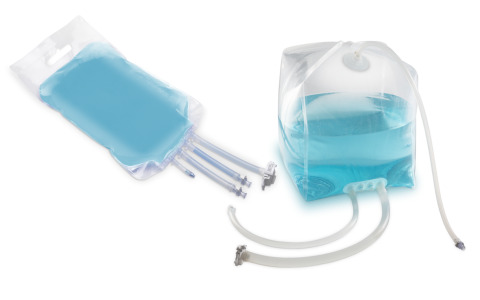
Product ValBioPure
Valbiopure: The new product in Valmed's family.
Single-use bioprocess bag.
Valbiopure 2D - Capacity: up to 20L
Valbiopure 3D - Capacity: 50 - 3000L
Biopure bags are manufactured in certified ISO class 7 cleanroom.Wide variety of components, accessories, t...
-
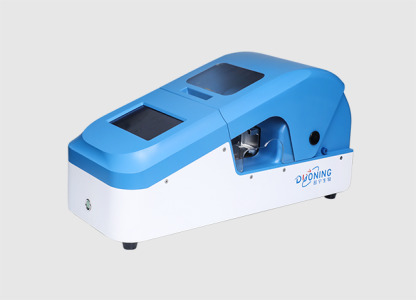
Product SUS Welder
SUS aseptic tubing welder is a fully automatic equipment used for aseptic connection of TPE tubing outside laminar flow safety cabinet. It can be applied to automatic aseptic connections for disposable components, media storage bags and bioreactor.
Applications
Aseptic welding of TPE ...
-
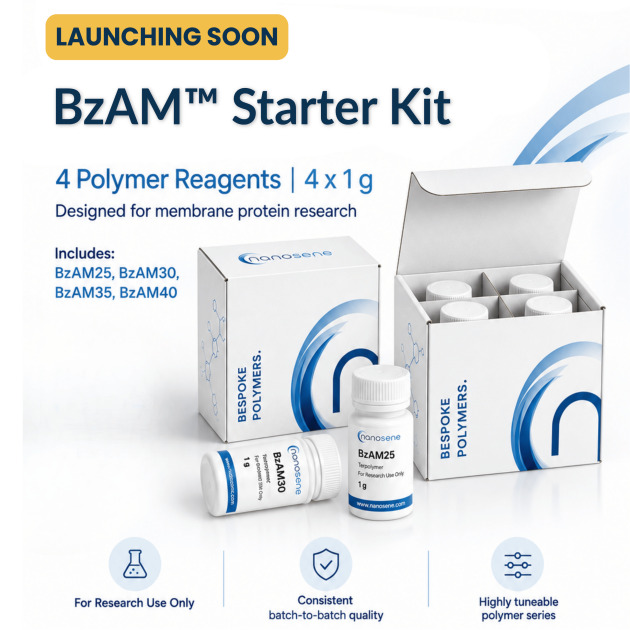
Product BzAM™ Starter Kit
Nanosene’s BzAM, produced through advanced polymerization techniques, is a well-defined polymer with a molecular weight (Mw) of ~5,500 and a low dispersity (narrow chain length distribution), a significant improvement over previous SMALPs. The BzAM series (BzAM25/BzAM30/BzAM35/BzAM40) is a highly tunable s...
-
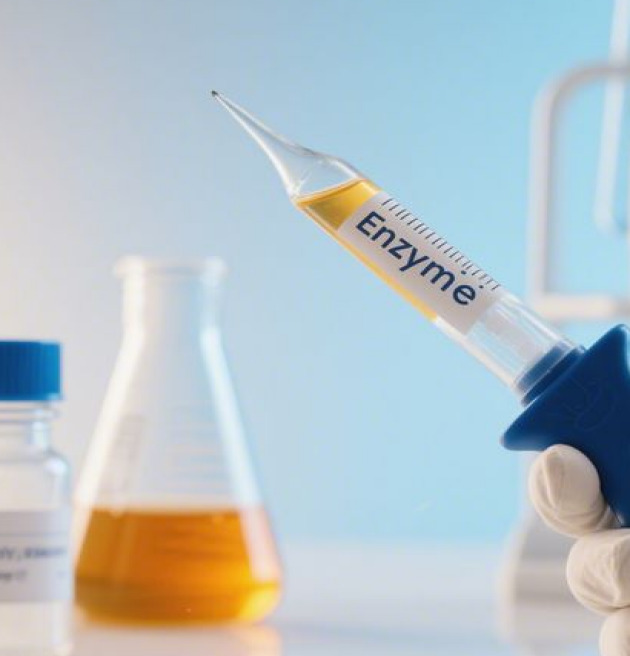
Product Trypsin
Trypsin is a serine endoprotease. It specifically hydrolyses peptide bonds at the C‑terminal side of lysine and arginine residues (except when followed by proline).
Native trypsin is synthesized as inactive trypsinogen in animal pancreas. For modern biopharma production, recombinant animal‑free ...
-
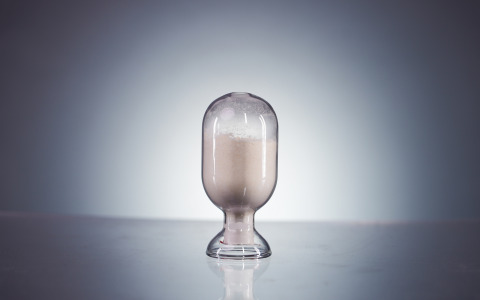
Product Phosphatidylserine
Phosphatidylserine is a Phospholipids compound naturally present in biological cell membranes. It is prepared from soy Phospholipidss or sunflower Phospholipidss through enzymatic reactions, retaining natural active ingredients. This natural substance can help cell memberane maintain flexibility and enhanc...
-
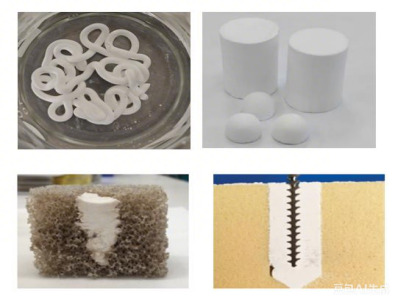
Product Injectable rhBMP-2 Bone Repair Material
BMP2&Biomaterials Drug-device combination, Bone graft.

-
Product Biologic drug substance CDMO services
From early development, including mammalian cell line development, cell culture development, and process development, through to pre-clinical production and commercial supply, Patheon by Thermo Fisher Scientific provides CDMO services for protein-based biologic therapeutics. Patheon offers biotech and ...

-
Product Semaglutide Intermediate P29
司美格鲁肽是一种长效胰高血糖素样肽-1(GLP-1)受体激动剂,广泛应用于2型糖尿病和肥胖的管理。29个氨基酸主链中间体是semaglutide合成的关键原料,直接影响后续修饰、纯化和大规模生产的质量。这种中间体可以通过化学合成或发酵制备;本文所述的产品是通过发酵制造的。

-
Product Biotechnology Contract Development and Manufacturing
Bayer is offering CDMO Services for Biotechnological Products! The Future is Now. Bayer is your reliable Partner for your Innovation.
You are looking for a partner to develop and commercialize you biotechnological asset?
Whether it is a Protein, a Cell Therapy or Gene Therapy Product...
-
Product Process Characterization, Scale-Up and Technology Transfer
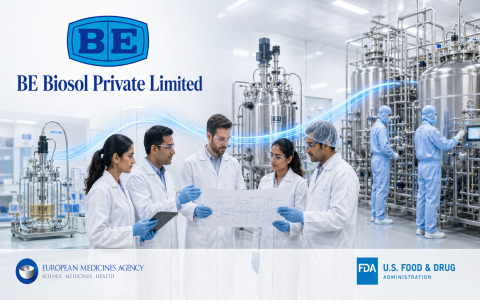
BE BioSol provides integrated process characterization, scale-up and technology-transfer support designed to move biologics, vaccines and sterile injectable products efficiently from development into clinical and commercial manufacturing. Our cross-functional teams work with clients to build a clear unders...
-
Product Biotechnology Services
Midas Pharma offers a wide range of pharmaceutical services which include biotechnology services. It offers: • development of biosimilars and proprietary biologicals (starting from gene sequence) • cGMP production (microbial and mammalian cells) • related bioanalytics (from protein biochemical meth...

-
Product Medical Device Grade Chondroitin Sulfate Sodium
Medical Device Grade Chondroitin Sulfate Sodium extracted from shark bone as raw material, fish source is more similar to human DNA and easily absorbed by the human body. And Enzymolysis by special enzymes is harmless to the human body, and will enzymatic hydrolysis of excess proteins. It can be puri...
-
Product Proton drops
Rickets prophylaxis.
DOSAGE8 drops (400 I.U.) per day for a 18-months period.1 drop contains: 50 I.U. of Vitamin D3.
INGREDIENTS
Vitamin D3 (Cholecalciferol).
CHARACTERISTICSMicellar solution in physiological solution easy to be mixed with all liquids or foods. Tasteless...
-
Product Vial Washing - Effective and Efficient
The SP i-Dositecno vial washer range consists of four models to cover a wide range of production rates including a compact footprint option for laboratory and small batch applications to clean vials with as little as 1 liter per minute WFI (Water-For-Injection) usage, as well as high-speed production a...
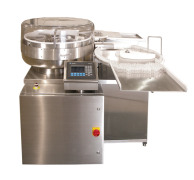
-
Product Cholesterol (Injection Grade)
Our Injection Grade Cholesterol is a pharmaceutical-grade raw material meeting strict injectable standards, ideal for biotech and pharmaceutical applications.It acts as a critical adjuvant in lipid-based drug delivery systems (e.g., liposomes) for vaccines and targeted therapies, enhancing formulation sta...
-
Product Multicompendial TRIS AMINO and TRIS Amino Ultra Pure reagents
Advancion is the world’s only fully integrated manufacturer of globally compliant TRIS AMINO™ reagents for use in a variety of demanding pharmaceutical and biotechnology applications. With more than 50 years of TRIS manufacturing experience, we continue providing TRIS AMINO grades that meet the dynamic nee...

-
Product Liveo™ Pharmaceutical-Grade Tubing
Qosina offers a selection of high-purity tubing designed for ultra-pure fluid transfer applications in pharmaceutical and biotechnology manufacturing processes.
Available in both platinum-cured silicone and thermoplastic elastomer (TPE), these tubing options provide reliable performance for dema...

-
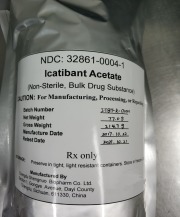
Product Icatibant
is a synthetic peptidomimetic drug consisting of ten amino acids, and acts as an effective and specific antagonist of bradykinin B2 receptors. It has been approved in the EU for use in hereditary angioedema, and is under investigation for a number of other conditions in which bradykinin is thought to play ...
-
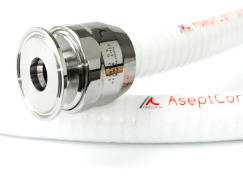
Product Hoses and Hygenic Connections
Our hoses for pharma biotech, cosmetics, food, beverage and chemical industry
We offer you a wide range of hoses specially designed for the pharmaceutical, biotech, cosmetic, food, beverage and chemical industries. We also ensure their proper use through training in the co...
-
Product Mannitol
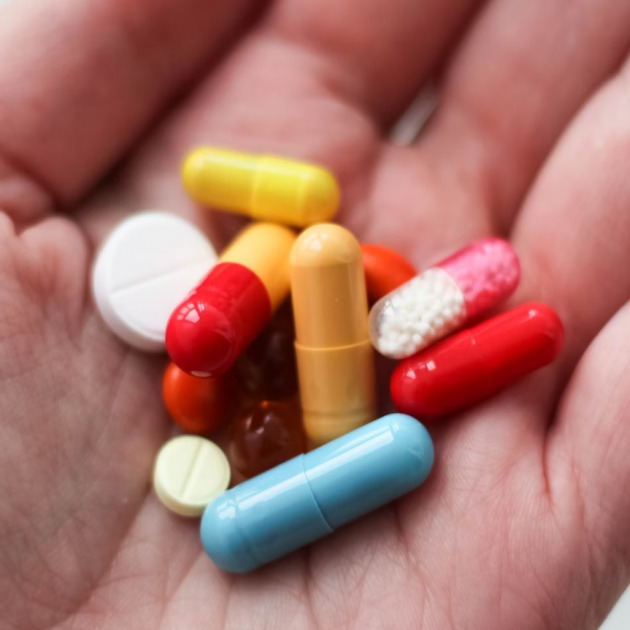
Mannitol is widely used in pharmaceuticals because of its unique physical, chemical, and physiological properties.
-
Product Supply Chain Management
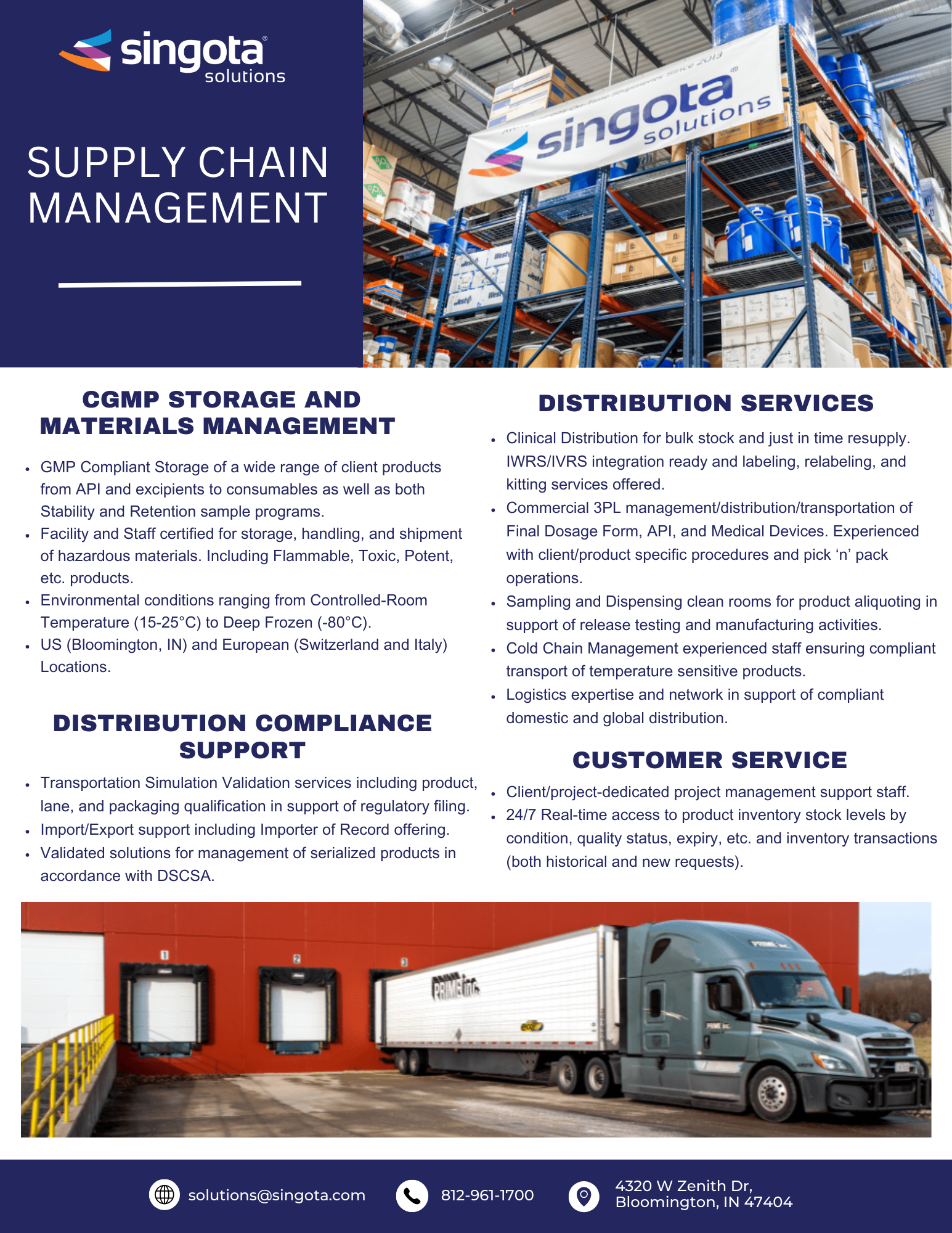
• GMP Compliant Storage of a wide range of client products from API and excipients to consumables as well as both Stability and Retention sample programs. • Facility and Staff certified for storage, handling, and shipment of hazardous materials. Including Flammable, Toxic, Potent, etc. products. • Envir...
-
Product Aprotinin
DADELI is a GMP-certified pharmaceutical manufacturer for intermediates,APIs and finished formulations.Our main APIs include HCG,Aprotinin(Currently in China we are the only one to produce Aprotinin complying with the latest EP 11.0), Oxymatrine,Isoniazidum,Egg Lecithin,Daidzein,etc.Warmly welcome all cust...
-
Product Recombinant human erythropoietin injection (cho cell)
Shandong kexing bioproducts offers a wide range of products which includes recombinant human erythropoietin injection (cho cell). It is colorless and transparent liquid with ph6.9±0.5. Packaging: pre-filled syringe or vial. Storage: stored at 2-8?. Contact us for more information.

-
Product Ready-to Use CHO cell lines
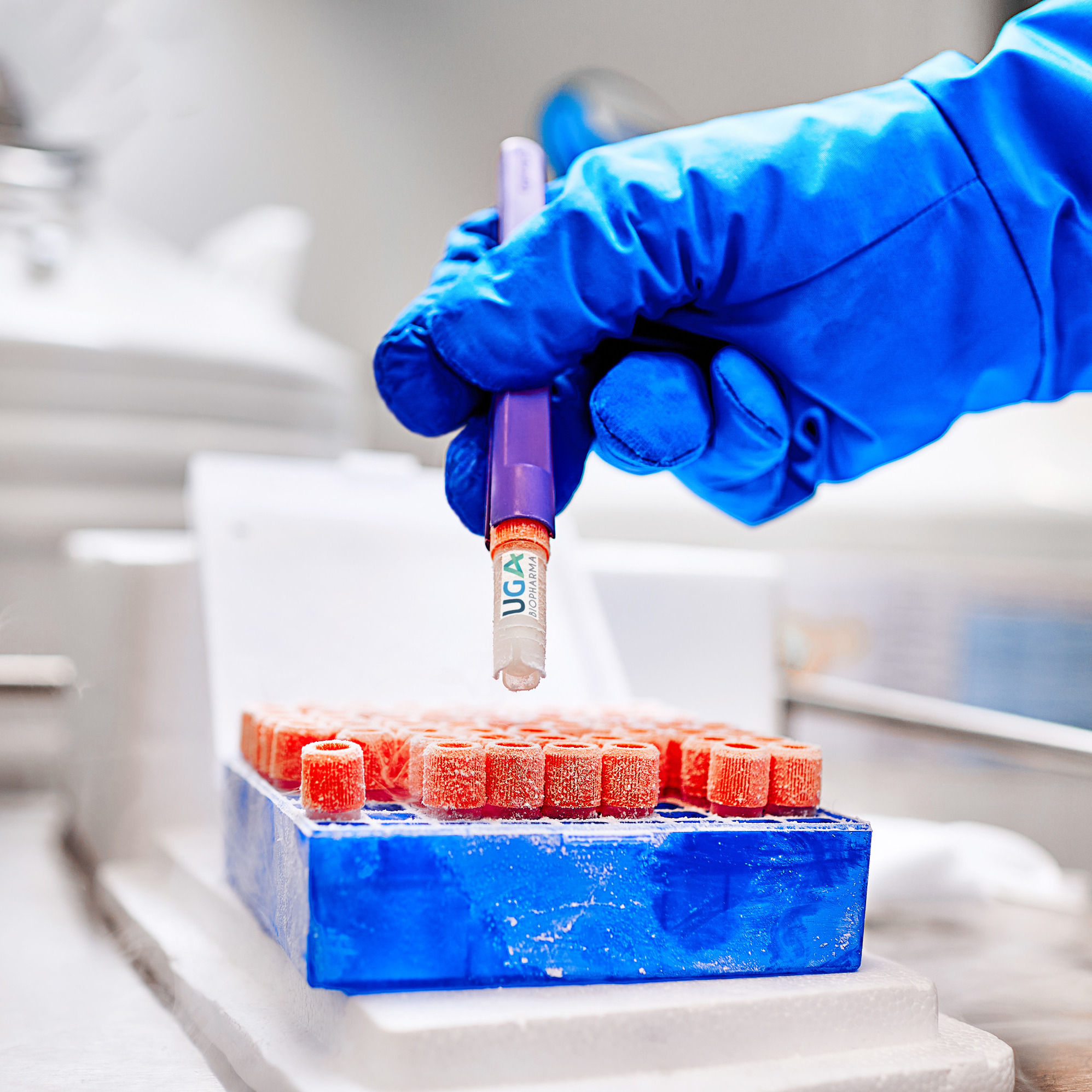
UGA Biopharma GmbH offers to their clients Ready-to-use Biosimilar Cell Lines. These are in-house developed CHO cell lines stably expressing different blockbuster biosimilar molecules, that are instantly available for in-licensing. The client profits of direct availability of cell lines banks and prompt ac...
-
Product Bioprocessing solutions and excipients for protein therapeutic formulations
From excipients for protein therapeutic formulations, to innovating solutions for bioprocessing, we have decades of experience in protein delivery. TALK TO US about our latest launches: Virodex™ detergent range, a sustainable alternative to Triton™ X-100 for viral inactivation and cell lysis. Plus, Tween...

-
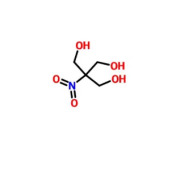
Product Tris(Hydroxymethyl)Nitromethane CAS 126-11-4
CAS NO::126-11-4Appearance::White To Almost White Powder
Molecular Formula::C4H9NO5
Molecular Weight::151.12
EINECS NO::204-769-5
MDL NO::MFCD00007395
-
Product Heparin Sodium
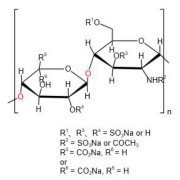
Product Name: Heparin Sodium
Molecular formula: (C12H16NS2Na3)20
CAS No.:9041-08-1
Shandong Chenlong Pharmaceutical Co Ltd offers a wide range of products which includes Heparin Sodium. Appearance: White or almost white powder. Contact us for more information.
-
Product HANQUYOU(trastuzumab)
HANQUYOU (trastuzumab, trade name: HERCESSI™ in the U.S., Zercepac® in Europe) was successfully launched in the U.S., China and Europe, becoming the Chinese mAb biosimilar entering the U.S., the EU and China market. It is indicated for the treatment of HER2 positive early breast cancer, metastatic bre...
-
Product IGF LR3
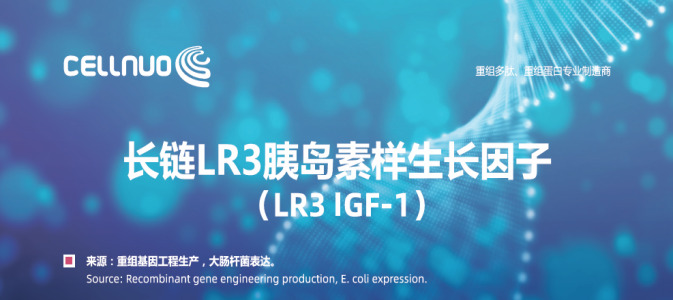
胰岛素基因家族成员长链LR3胰岛素样生长因子(LR3 lGF-1)在结构上与胰岛素前体蛋白相似,具有更好的生长促进作用,可促进细胞的分裂、迁移和分裂,与lGF-1相比,LR3 1GF-1具有更强的生物活性和更长的半衰期。在LR3 IGF-1蛋白中,精氨酸取代了iGF-1序列第三位的谷氨酸,N末端比lGF-1多13个氨基酸。与 lGF-1 相比,氨基酸透明度的差异导致 LR3 IGF-1 和 lGF-BP lGF 结合蛋白之间的亲和结合无和性较低,从而增加了 LR3 iGF-1 的半衰期和生物活性。在细胞培养过程中,LR3 lGF-1的生物活性与胰岛素相比显著增加。
-
Product CDMO Services
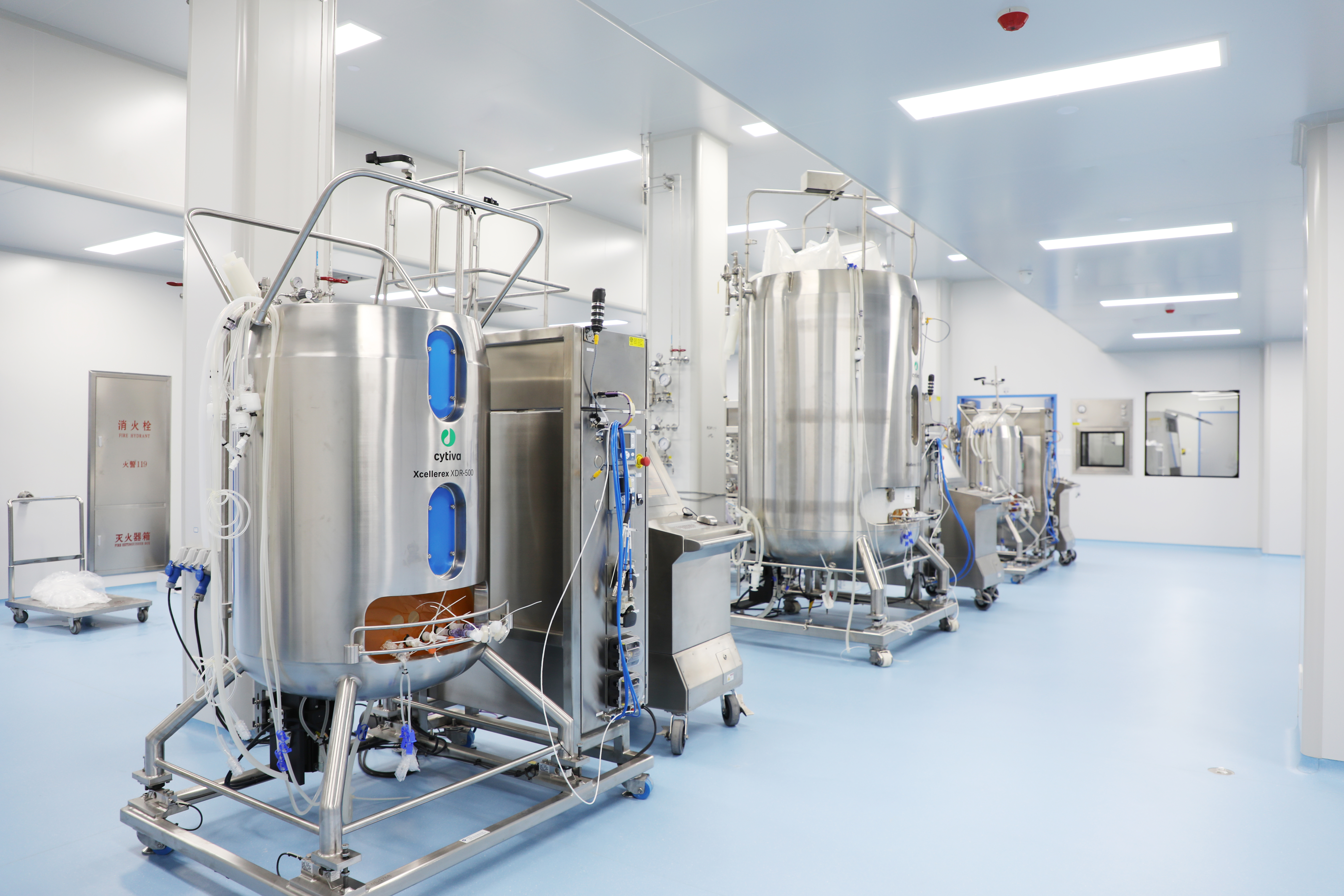
Thousand Oaks Biopharmaceutical (TOBio), as a CDMO specializing in the large molecule sector, offers an integrated suite of CMC solutions from candidate molecules through clinical and commercial manufacturing. Operating with the philosophy of an "innovator's drug development perspective," the core technica...
-
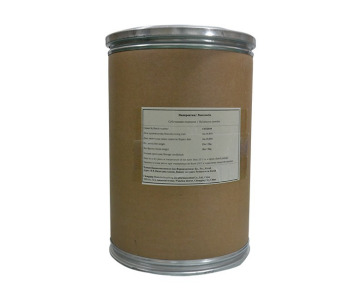
Product Pancreatin
Pancreatin is an enzyme mixture derived from porcine pancreas. It contains three principal enzymes having proteolytic (protease),lipolytic (lipase) and amylotic (amylase) activities. A suitable diluent (lactose,sucrose or lower power powder) can be added to adjust the enzyme activities to those specified i...
-
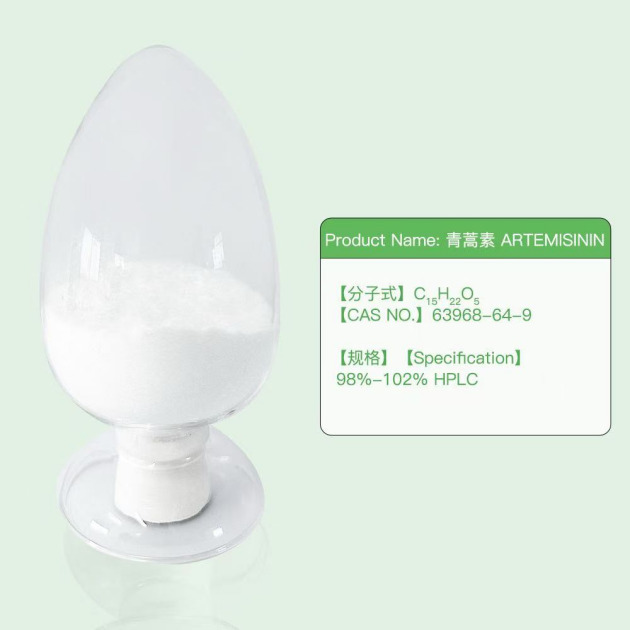
Product Artemisinin
Artemisinin is a sesquiterpene lactone derived from Artemisia annua(sweet wormwood), primarily known for its potent antimalarial properties.
-
Product Carelwon
Carelwon® is the most powerful natural anti-inflammatory and longevity concentrate ever developed — a bioactivated ginger tincture up to 105× more potent than standard ginger, curcumin, and berberine across six inflammatory pathways, and 13× stronger than CBD in the gold-standard preclinical arthritis mode...

-
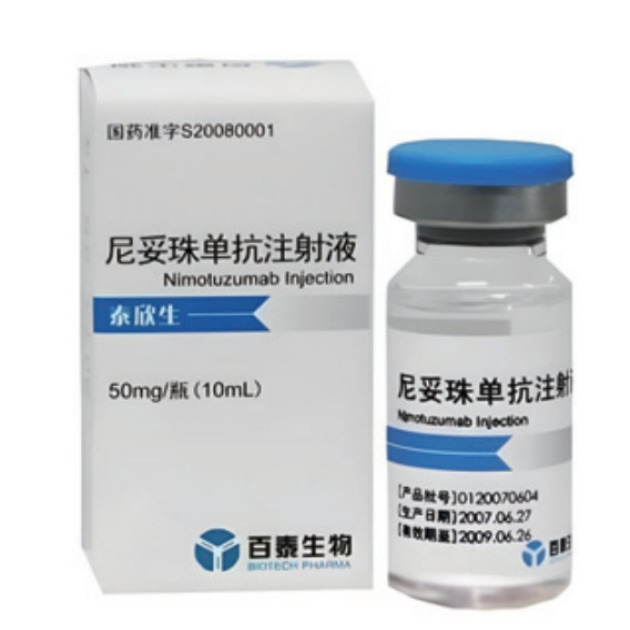
Product Nimoutuzumab Injection
Our flagship product, Nimotuzumab, is a humanized anti‑EGFR monoclonal antibody. Since its launch in China in 2008, it has been approved for the treatment of nasopharyngeal carcinoma, pancreatic cancer, and head and neck tumors, demonstrating robust clinical efficacy and a favorable safety profile. Annual ...
-
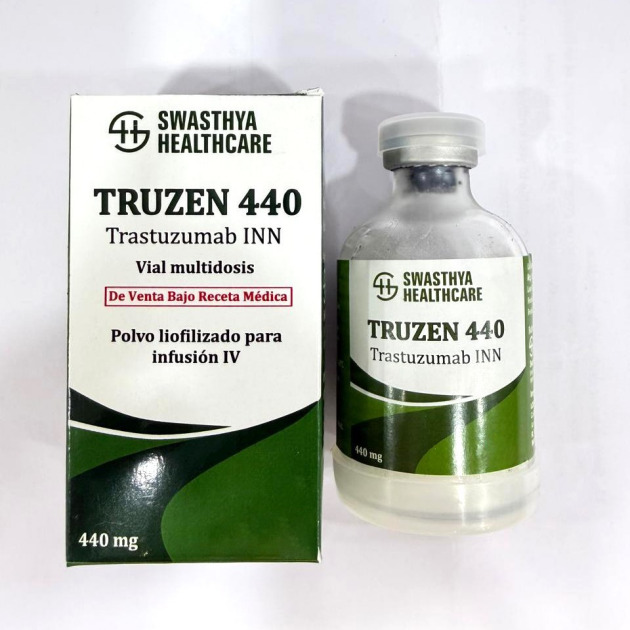
Product Trastuzumab Injection 440 mg
Description: Sterile injectable formulation containing trastuzumab, a monoclonal antibody used in the treatment of HER2-positive cancers, particularly breast and gastric cancers. Administered intravenously or subcutaneously under medical supervision.
Therapeu...
-
Product Oligonucleotide Analytical Development Services
Analytical Development for Oligonucleotides: For oligo-based drugs, our services span from GLP bioanalysis to GLP/cGMP characterization, supporting development with robust analytical expertise. We support product development, from quality control testing of amidite starting materials and early stage produc...

-
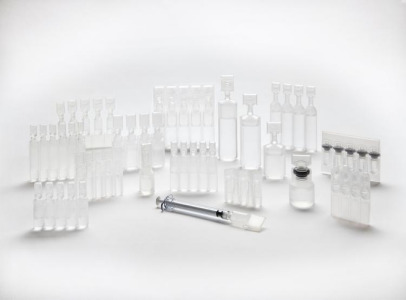
Product Packing biotech products
Our production is subject to the strictest protection and safety measures. This includes the strict separation of clean rooms and the use of specially trained personnel.
We have a separate facility for filling biological drugs and genetically engineered active ingredients, such as vaccines or an...
-
Product One-stop mRNA/LNP CDMO solutions with Proprietary Technologies
GCBP offers a comprehensive, end-to-end mRNA CDMO service — covering codon-optimized sequence design, pDNA production, IVT mRNA synthesis, LNP formulation, aseptic fill & finish, and full analytical & regulatory support. With proprietary technologies and flexible manufacturing infrastructure, w...
-
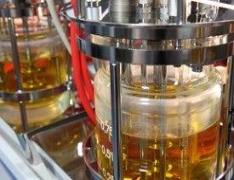
Product Biotech Development
Accelerate your biotech innovation with Nordmark.
As your reliable CDMO partner, we provide comprehensive end-to-end services—from early-stage process development and secure MCB/WCB production for both microbial and eukaryotic cells. Driven by a commitment to patient health, our cGMP-compliant man...
-
Product DAVAMED™ C1
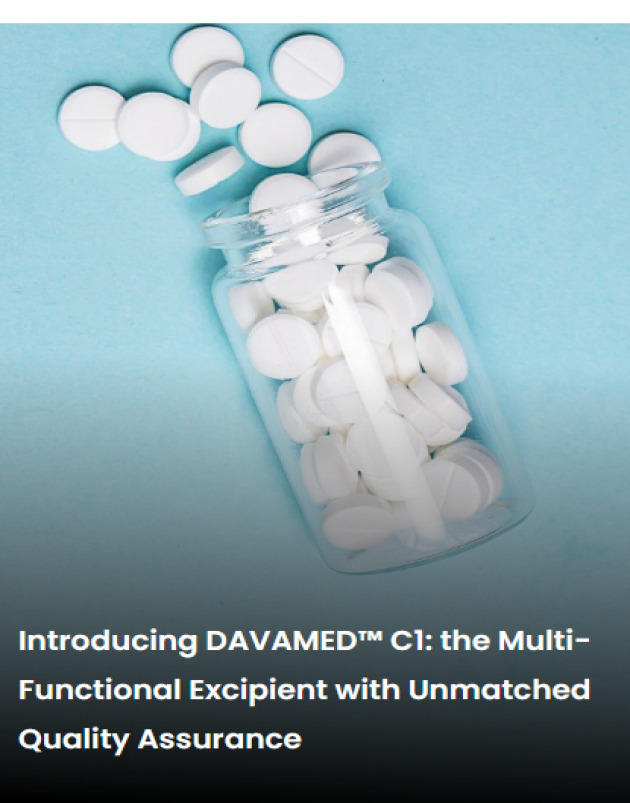
DAVAMED™ C1 is a premium starch excipient designed specifically for direct compression in tablet manufacturing. It is a partially pregelatinized corn starch developed through advanced processing techniques to deliver superior functionality in pharmaceutical formulations.DAVAMED™ C1 is supported by a D...
-
Product People Solutions - Managed Services
As a Managed Service Provider, Catalyx delivers dedicated GMP-expert teams to execute defined scopes of work or support critical functions within a client’s business. Led by an experienced team lead, our solutions ensure full alignment with client expectations while providing managed, flexible, and scalabl...
-
Product Printing
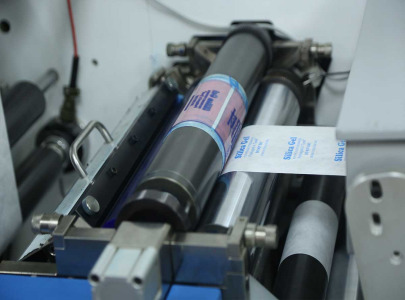
We offer high-quality customization and branding solutions for pharmaceutical and packaging products. Using Hot Stamping, Pad Printing and Dry offset Printing, it ensures precise labelling, clear identification, and professional presentation on containers, pouches, Barrels, tubes, and cartons.
...
-
Product RoSS® Shell: Protection of single-use bags
Protect your single-use bioprocess containers: RoSS® Shells - abbreviated for Robust Storage and Shipping - reduce product loss towards 0%. Compatible with all available sizes and types of single-use bags, RoSS enables standardized and scalable end-to-end process solutions for fluid management and col...
.jpg)
-
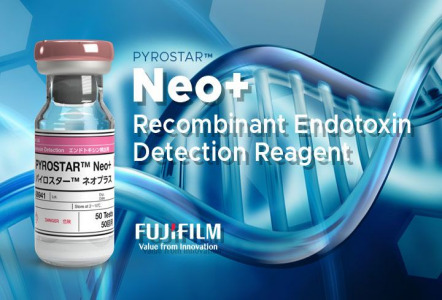
Product PYROSTAR Neo+: Sustainable Endotoxin Testing Solution
Instead of using traditional LAL reagents, Fujifilm Wako also offers a new alternative of endotoxin detection reagents developed by recombinant technology. It mimics the traditional LAL reagents cascade of three recombinant factors (Factor C, Factor B, and proclotting enzyme) and the pNA chromogenic ...
-
Product Formulation Development
We develop phase-appropriate formulations for liquid, frozen and lyophilized drug products, focusing on your target product profile (TPP) and designing the study to meet your requirements.
Our offering includes:
- Preformulation Screening
- Preclinical Formulation Development
-...
-
Product CDMO
• Cytotoxic Injection (Liquid , Lyophilized) • ONCOLOGY • CYTOTOXIC API • EU GMP • JGMP (Japan) • KGMP (Korea) • PIC/S

-
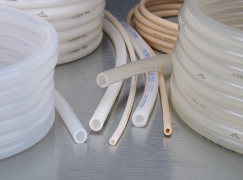
Product Fluid Transfer
A full range of tubing and hoses best suited for the biopharma and pharmaceutical markets. From TPE to silicone, each material type offers a unique set of features and benefits. ValPlus™, an enhanced level of tubing validation certification, is available for select formulations.
-
Product DWRX1010 (Colonoscopy Bowel Preparation Drug)
※ DWRXs Differentiation Points 1) Maximize compliance in the form of minitablets. 2) Containing simethicone to remove foam in the colon, enabling smooth colonoscopy. 3) Maximizes the convenience of taking medication, and low water intake. ※Development Strategy 1) Non-clinical trial (KR) and patent a...
-
Product Cortellis CMC Intelligence™
Cortellis CMC Intelligence™ product is a comprehensive database of guidelines / granular collection of CMC data requirements for initial registration of small-molecule and biologics drugs around the world that can be used to avoid delays in product approval and successfully bring a drug to the market (laun...

-
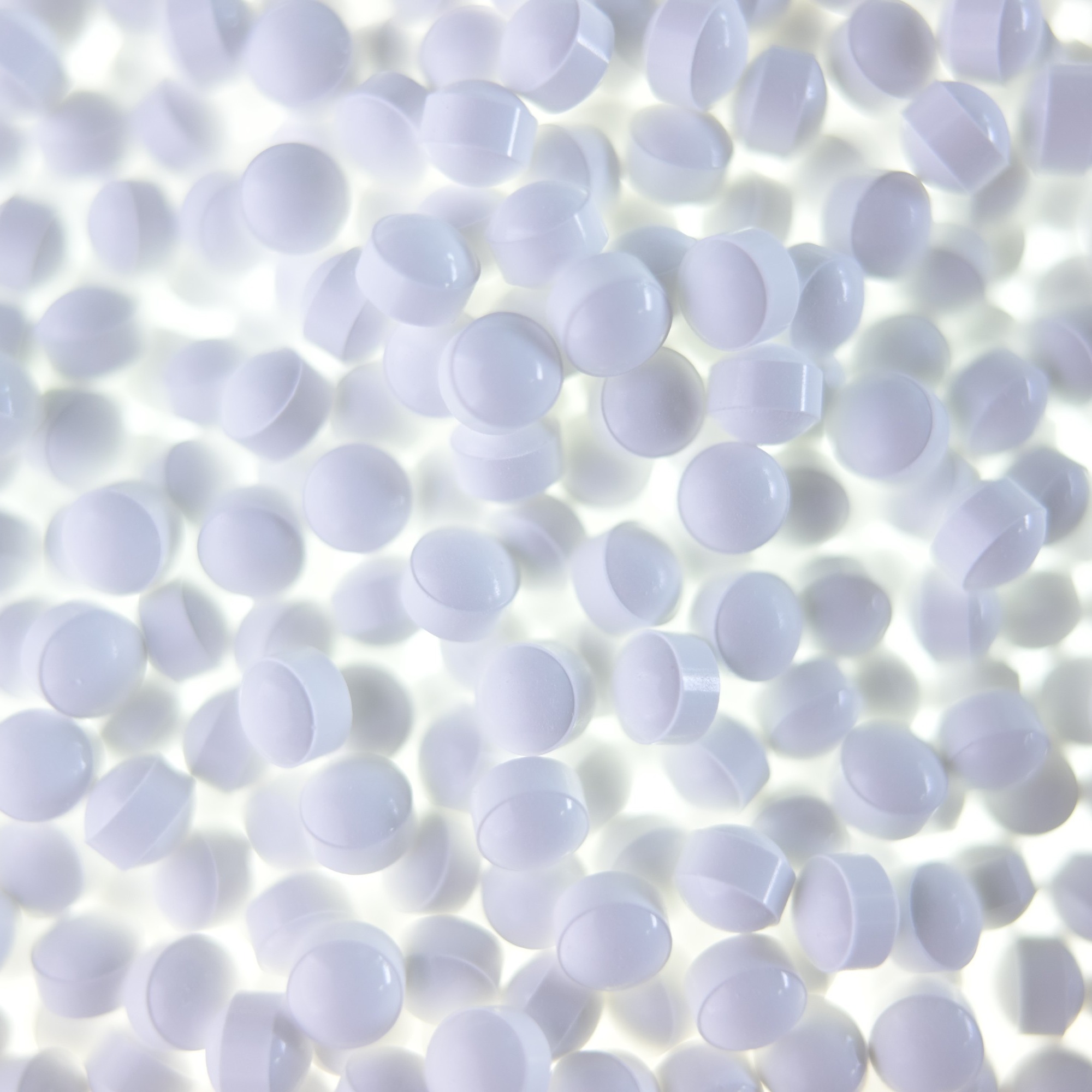
Product ReadiLYCOAT® hydroxypropyl pea starch
ReadiLYCOAT® is a range of solutions providing immediate release coating to all kinds of tablets in various oral dosage forms in both pharmaceutical and nutraceutical applications. ReadiLYCOAT® products are mainly composed of hydroxypropyl pea starch. To ensure good film resistance over handling and storag...
-
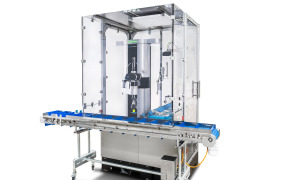
Product Safe and cost-efficient packaging of pharmaceutical products
After introducing a new medication to the market, it is always a challenge for pharmaceutical manufacturers to calculate production capacities without incurring economic losses. With support from machine manufacturer Schubert-Pharma and packaging specialist Faller Packaging, manufacturers now have two stro...
-
Product BioHale® Trehalose Dihydrate
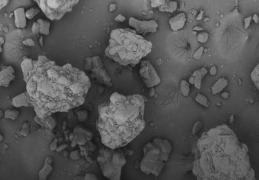
BioHale® Trehalose Dihydrate is a non-reducing disaccharide consisting of two glucose molecules which are linked by an α, α-1,1 bond. It is used in the pharmaceutical industry as a stabilizer of biologics.
Trehalose Dihydrate has proven to be highly effective in protecting cell membranes...
-
Product N3-PEG11-NH2
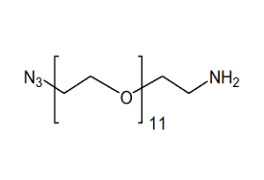
Azido-PEG11-amine (CAS No. 1800414-71-4) is a monodispersed PEG derivative containing an amino group with an azide group. The azide group can react with alkyne, BCN, DBCO via Click Chemistry to yield a stable triazole linkage. The amino group is reactive with carboxylic acids, activat...
-
Product GMP Liquid Buffer & Custom Liquid Blends
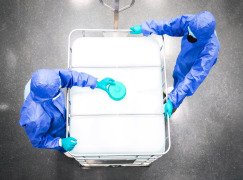
Actylis manufactures buffers, process solutions, cleaning solutions, Water for Injection (WFI) for further processing, and custom liquid blends in complinace with Good Manufacturing Practices in our new state-of-the-art GMP liquid processing facility in Ireland.
Actylis has seven manufacturing facil...
-
Product Tofflon Integrated Solution for Biologicals MFG
Applications: Biosimilars& Therapeutical Protein Nucleic Acid-based Vaccine(mRNA/DNA) Recombinant Viral Vector Vaccine Inactivated/Attenuated Viral Vaccine Gene Therapy

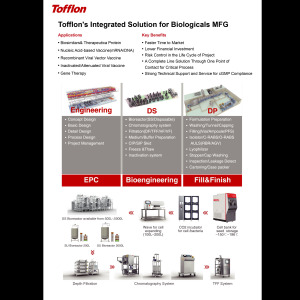
-
Product Gamma Irradiated Cleanroom Facemasks With Tyvek Side Extensions
Gamma Irradiated, Extra Large Cleanroom Facemask with Tyvek® Side Extensions, Green or Blue, with Double Elastic Headbands and with or without Fog-Prevention Adhesive are made from an inner facing of soft cellulose material, an outer facing of spunbonded polypropylene and a 100% meltblown polypropylene med...

-
Product PAT Probe
BlazeMetrics USA for Next generation ONE Probe PAT Solution & Application, InSitu probe for simultaneous measurement of Particle Shape & Size , Microscopy , HDR Turbidity & Particle focused Raman in order to optimise the process precisely during the development phase itself. Single probe from 2...
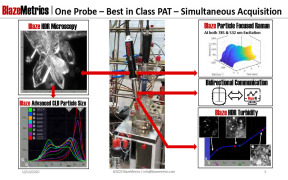
-
Product AUTOCOATER
Design is cGMP – Current Good Manufacturing Practices compliance. Fully automatic film & sugar coating process by PLC Controls with HMI Touch screen.Extremely user friendly software and operation through PLC The machine structure comprising of Perforated Pan, water collection tank...
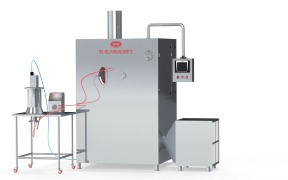
-
Product Antide
CAS No. : 112568-12-4.Molecular Formula: C82H108ClN17O14 Application: Anti-microbial Main product: Oxytocin Acetate,Vasopressin Acetate,Desmopressin Acetate,Terlipressin acetate, Caspofungin acetate, Micafungin sodium, Eptifibatide acetate, Bivalirudin TFA, Deslorelin...
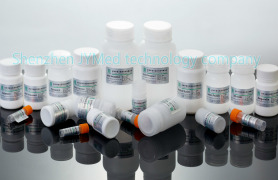
-
Product Modafinil
Modafinil API is a pharmaceutical active ingredient primarily used in medicines designed to promote wakefulness and manage excessive daytime sleepiness associated with certain sleep disorders. It is commonly developed into oral solid dosage forms, particularly tablets.
Modafinil has relatively...
-
Product Ammonium sulfate USP/NF PharmProve®
Ammonium sulfate
USP/NF PharmProve®
produced in accordance with EU GMP | IPEC GMP | EXCiPACT
-
Product Protein Expression & Purification
We offer production of single-domain antibodies and a wide range of other recombinant proteins utilizing adaptable microbial expression systems like E. coli and Pichia pastoris. By pairing these versatile expression platforms with optimized purification conditions, we deliver high-quality molecules at scal...
-
Product Sterile Manufacturing
Avara Pharmaceutical Services offers liquid and lyophilized fill-finish of sterile injectable products from state-of-the-art facilities in North America and Europe. Contact us for more information.
-
Product sintered mesh filter discs
The disc filters are manufactured by multi-layer sintered mesh. Owing to the surface filtration material, the sintered mesh filter discs are very easy to clean and backwash. The material also exhibits exceptional resistance to corrosion due to its composition of stainless steel and other spe...
-
Product Potassium Bromide API
Potassium Bromide is used as an active substance in veterinary medicine as an anti-seizure medication. Bio Active Grade Potassium Bromide is suitable for use as a non-Sterile Active Pharmaceutical Ingredient manufactured in accordance with the ICH Q7 Good Manufacturing Practice Guide. This grade of Potassi...
-
Product Sodium Caprylate (USP-NF, BP, Ph.Eur., CHP)
Sodium Caprylate (USP-NF, BP, Ph.Eur., CHP), low endotoxin, IPEC Grade
Pack Sizes - 10Kg, 25Kg
-
Product BioHub® DS Single-use Desktop Mixing System
Compact desktop system designed for efficient small-volume liquid mixing in lab research and process development. Easy to operate and clean, ideal for plasmid, intermediate, semi-finished, and final drug product preparation.

-
Product Aprotinin
Kraeber & Co GmbH offers a wide range of pharmaceutical products. We are GMP, GDP and ISO 9001:2015 certified. You can find our product list in the download files. For further information, please contact us: www.kraeber.de
Aprotinin is a natural polypeptide which originates from bovine lungs....
-
Product Dissolvable Microcarriers
Our Dissolvable Microcarrier delivers significantly higher yields and fits seamlessly into your existing workflow. Start with research-grade product for early-stage development, and transition smoothly to clinical use with the GMP-grade.
• With over 90% cell harvesting efficiency and viability, ou...
-
Product Lithium Bromide 55% Solution
Lithium bromide form 55 %Soluton Yellow clear solution Specifica gravity NLT 1.50gm/ml

-
Product Biological Activity
This test provides a direct measure of the effectiveness of the active ingredient.
-
Product Bioinformatics
We offer integrated bioinformatics services to biotech and pharmaceutical companies across the drug discovery pipeline. Our bioinformatics services span the entire gamut from building data packages, pathway databases and knowledge bases, to analysis of high throughput data, predictive modeling, structural ...
-
Product Low molecular weight chondroitin sulfate - tea
Syntex manufactures a wide range of active pharmaceutical ingredients, including sodium heparin both from bovine and porcine origin, calcium heparin, lithium heparin, low molecular weight heparin and pyrogen free chondroitin for injectables. Syntex complies with GMP and exports to Annex I countries, such u...
-
Product Dichloromethane dry (max. 0,005% water) (USP-NF, BP, Ph. Eur.) pharma grade CODE 631254
Dichloromethane dry (max. 0,005% water) stabilized with ~ 20 ppm of amylene (USP-NF, BP, Ph. Eur.) pharma grade

-
Product Clinical-Supply Manufacturing
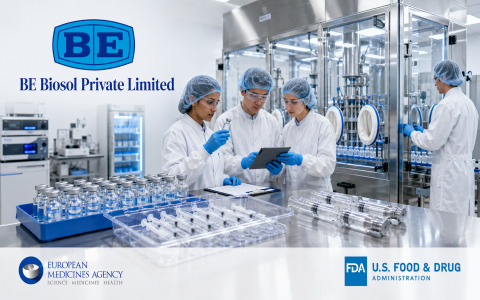
BE BioSol provides flexible clinical-supply manufacturing for biologics, vaccines and sterile injectable products, supporting programs from early-phase development through pivotal clinical studies. Our teams work closely with clients to establish practical, phase-appropriate manufacturing strategies that b...
-
Product Microbial Fermentation from 50 L to 4,000 L
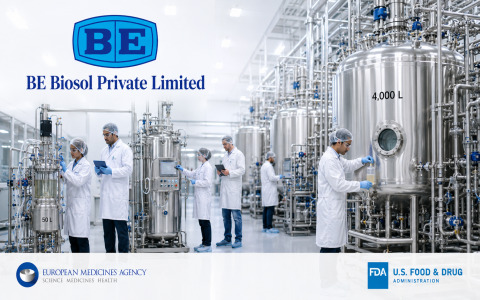
BE BioSol offers scalable microbial-fermentation capabilities ranging from 50 L to 4,000 L, supporting the development and manufacture of vaccines, recombinant proteins and other microbial-derived biological products. This flexible capacity enables clients to select the appropriate scale for process develo...
-
Product Vaccine Drug-Substance Manufacturing
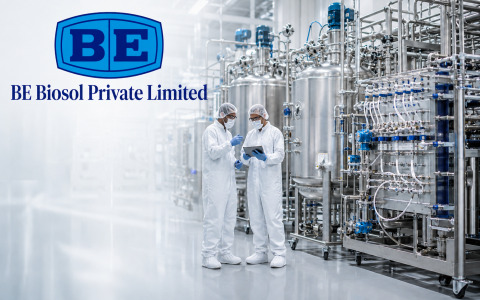
BE BioSol combines more than 70 years of vaccine-manufacturing experience with established global regulatory and commercial capabilities. Our vaccine drug-substance services include process development, microbial fermentation from 50 L to 4,000 L, downstream recovery and purification, scale-up, technology ...
-
Product Aseptic Liquid-Vial Filling
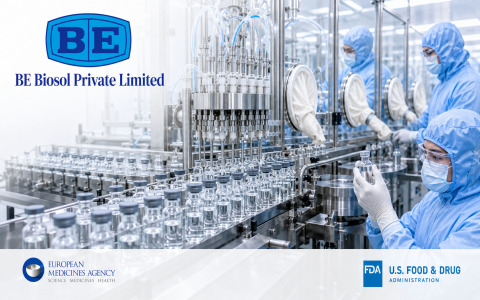
BE BioSol provides aseptic liquid-vial filling services for biologics, vaccines and complex injectable products—from clinical programs through large-scale commercial supply. Our integrated teams support formulation, process development, technology transfer, scale-up and validation, providing clients with a...
-
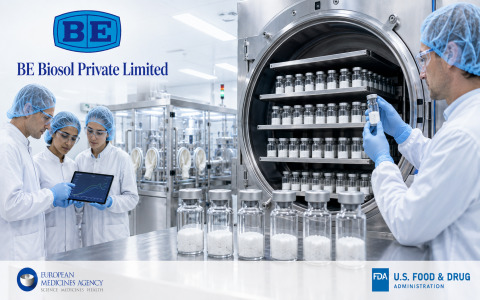
Product Lyophilized-Vial Filling and Cycle Development
BE BioSol provides integrated formulation, lyophilization-cycle development and aseptic vial-filling services for biologics, vaccines and complex injectable products requiring enhanced stability or extended shelf life. Our teams support programs from early development and clinical manufacturing through pro...
-
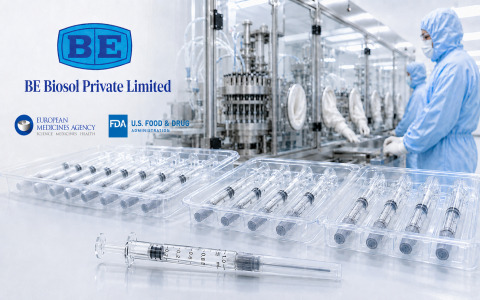
Product Prefilled-Syringe Filling (PFS)
BE BioSol provides aseptic prefilled-syringe filling for biologics, vaccines and complex injectable products, supporting clinical and commercial programs. Our integrated services include formulation and drug-product development, process optimization, technology transfer, sterile filtration, aseptic filling...
-
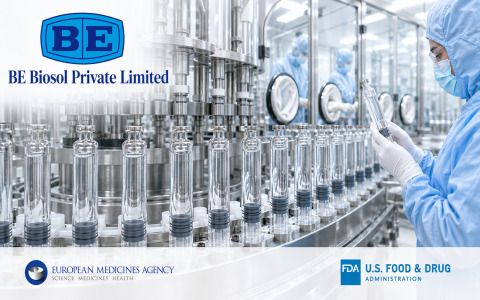
Product Cartridge Filling
BE BioSol provides aseptic cartridge-filling services for biologics and complex injectable products intended for use in reusable pens, autoinjectors and other patient-friendly delivery systems. Our integrated teams support programs from formulation and process development through technology transfer, valid...
-
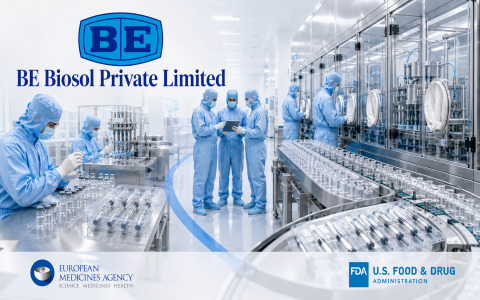
Product Clinical and Commercial Sterile Manufacturing
BE BioSol provides flexible sterile-manufacturing solutions that support injectable products from early clinical development through launch and sustained commercial supply. Our capabilities span liquid and lyophilized vials, prefilled syringes and cartridges, enabling clients to select the presentation and...
-
Product Regulatory, Quality and Technical Support
BE BioSol provides integrated regulatory, quality and technical support throughout the product lifecycle—from early development and technology transfer through validation, regulatory submission and commercial manufacturing. Our cross-functional teams work closely with clients to establish clear development...

-
Product Commercial Technology Transfer and Lifecycle Management
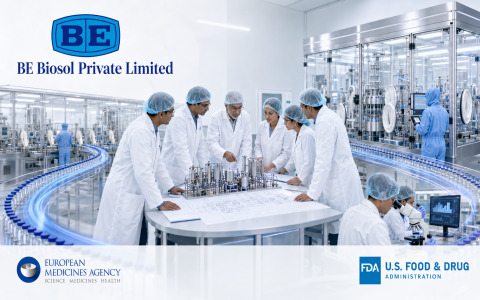
BE BioSol supports the efficient transfer of established commercial products into our manufacturing facilities while protecting product quality, regulatory compliance and continuity of supply. Our cross-functional teams develop structured transfer plans based on a detailed assessment of the existing proces...
-
Product Secondary-Source and Supply-Continuity Solutions
BE BioSol helps pharmaceutical and biotechnology companies reduce supply-chain risk by establishing reliable secondary manufacturing sources for biologics, vaccines and sterile injectable products. Our teams support gap assessments, technology and analytical-method transfer, process adaptation, engineering...

-
Product Integrated Development-to-Commercial Supply
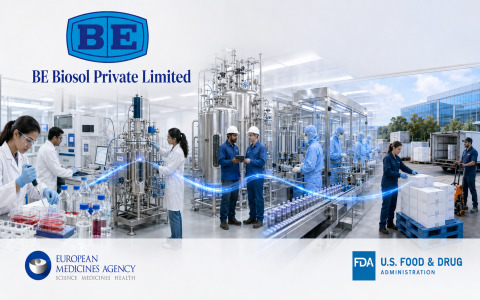
BE BioSol provides an integrated pathway that supports biologics, vaccines and sterile injectable products from early development through clinical manufacturing and dependable commercial supply. By bringing scientific, technical, regulatory and manufacturing expertise together within one organization, we h...
-
Product Mammalian Drug-Substance Manufacturing with four 5,000 L Single-Use Bioreactor Trains
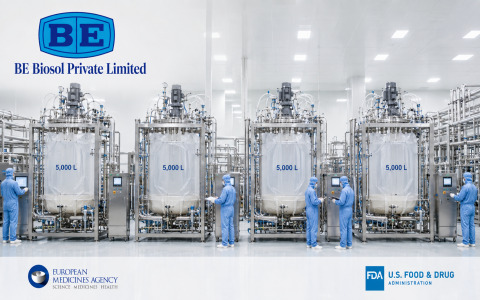
BE BioSol is expanding its mammalian drug-substance manufacturing capabilities with four 5,000 L single-use bioreactor trains, providing up to 20,000 L of total production capacity. The flexible, modular design will support efficient product changeover, parallel manufacturing campaigns and scalable product...
-
Product teriparatie acetate
Anabolic Osteoporosis Therapy | Reduce Fracture Risk | Convenient Self-Administration
Source: Recombinant genetic engineering in E. coli expression
Teriparatide is a polypeptide consisting of the first 34 amino acids of human parathyroid hormone (PTH). As a key active pharmaceutical...

-
Product Cell-line, upstream and downstream process development
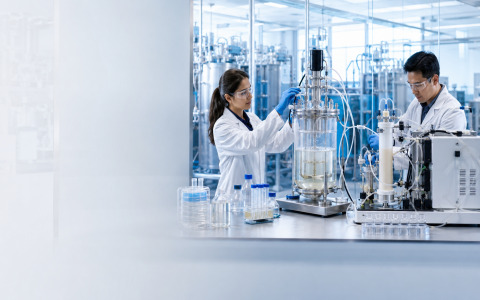
BE BioSol provides integrated process-development support for biologics, vaccines and recombinant proteins. Our capabilities include cell-line and clone selection, media and feed optimization, fermentation and cell-culture process development, and scale-up. Downstream services include harvest clarification...
-
Product Analytical method development, qualification and validation
BE BioSol provides phase-appropriate analytical support for biologics, vaccines and injectable drug products. Our capabilities include developing and optimizing methods for identity, purity, potency, concentration, product-related variants, impurities and microbiological quality. We also support stability-...

-
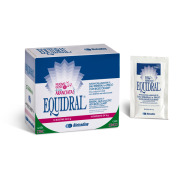
Product Equidral sachets
Equidral sachets is a dietary supplement indicated in the treatment of the dehydration caused by acute diarrheas, altered electrolytic equilibrium, vomit, gastroenteritis, hyper-sweating.
DOSAGEDissolve the content of a sachet each 250ml of water and shake until the solution is well mixed. Admin...
-
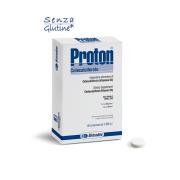
Product Proton Tablets
The cholecalciferol contributes to normal absorption and use of calcium and phosphorus, the normal function of the immune system and the maintenance of normal muscle function.
DOSAGE
1 tablet a day.
INGREDIENTS
Cholecalciferol (Vitamin D3).
CHARACTERISTICS
Vitamin ...
-
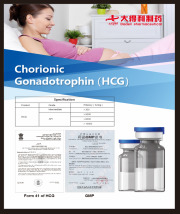
Product Chorionic Gonadotrophin (HCG)
DADELI is a GMP-certified pharmaceutical manufacturer for intermediates,APIs and finished formulations.Our main APIs include HCG, Aprotinin(Currently in China we are the only one to produce Aprotinin complying with the latest EP 11.0), Oxymatrine,Isoniazidum,Egg Lecithin,Daidzein,etc.Warmly welcome all cus...
-
Product Biochemicals, Biomolecules and Salts
At Advancion, we consistently deliver products through a traceable and auditable supply chain of high-quality fine chemicals tailored to help you successfully move your products from pilot to commercial-scale production. Choose with confidence from our selection of product offerings incl...

-
Product Nitroalkanes and derivatives solvents and building blocks for pharmaceutical synthesis
The effectiveness of nitroalkanes lies in their ability to provide alternative synthetic routes to existingcompounds, as well as highly efficient routes to new compounds. The exceptional versatility and highreactivity of nitroalkanes provide a means to conduct synthetic transformations under mild condition...

-
Product HEPES and HEPES Sodium Salt Buffers
Our latest investment in new manufacturing capacity significantly expands our portfolio of in-house-produced biological buffers and moves Advancion into a leading global supply position for the HEPES molecule. HEPES Biologics Plus grade buffer products are produced by Advancion in its Sterlington facility ...

-
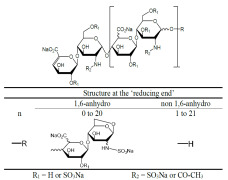
Product Enoxaparin Sodium
Product Name: Enoxaparin Sodium
Molecular formula: C57H82N4Na4O53S3
CAS No.: 679809-58-6
Shandong Chenlong Pharmaceutical Co Ltd offers a wide range of products which includes Enoxaparin Sodium. Appearance: White or almost white powder. Contact us for more information.
-
Product Early-stage Drug Discovery
An early research services subsidiary of Thousand Oaks Biologics offers molecular design and optimization, linker-payload and antibody screening, pharmacological efficacy and drug evaluation, and other services. Collaborates with clients on demand to develop differentiated innovative molecules and licenses...

-
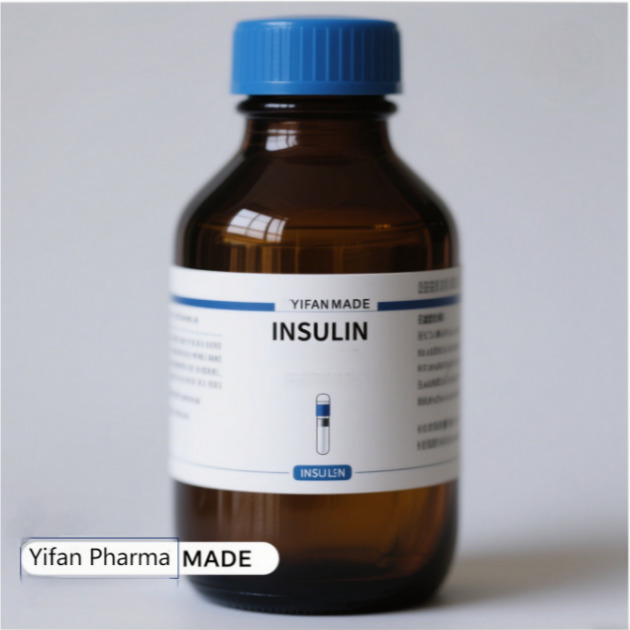
Product Insulin Glargine
Insulin Glargine is a recombinant human insulin analog produced by biotechnology processes E. coli expression system. API is a white to off-white crystalline powder, freely soluble in acidic conditions and practically insoluble in neutral pH environments. As a long-acting insulin API, it serves as the core...
-
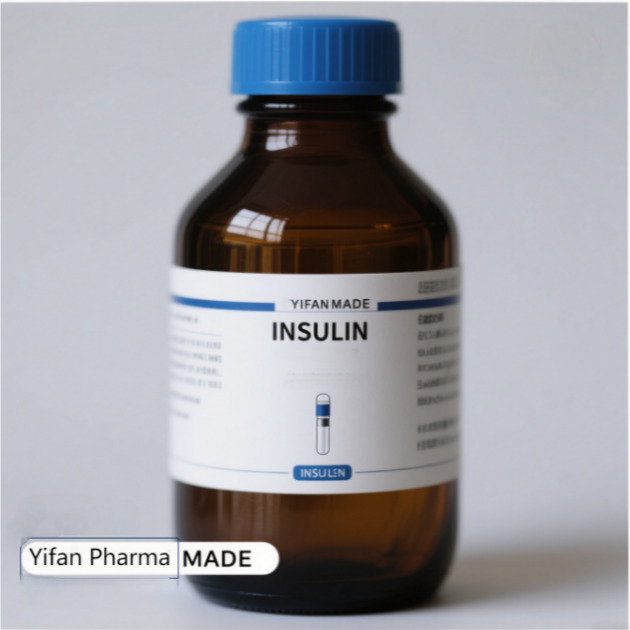
Product Insulin Degludec
Insulin Degludec API is a novel long-acting recombinant human insulin analog, manufactured via advanced biotechnology E. coli expression system. It appears as a white to off-white amorphous or crystalline powder, soluble in dilute acids and slightly soluble in neutral aqueous solutions. As a ultra-long-act...
-
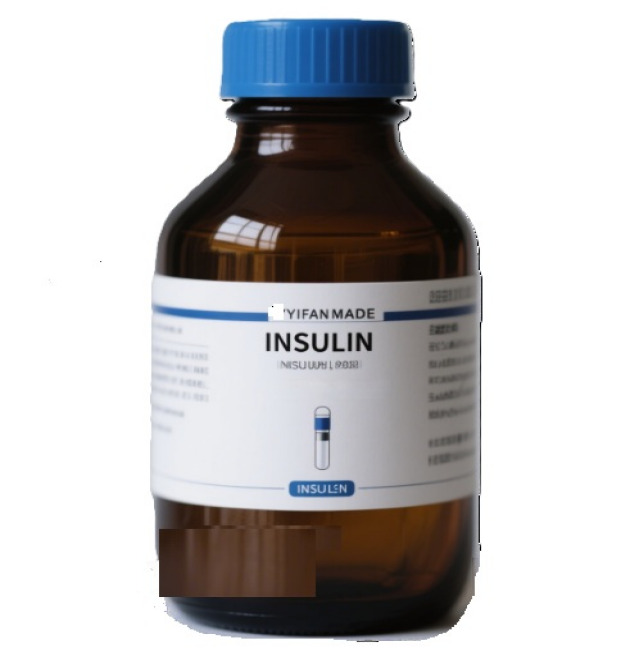
Product Insulin aspart
Insulin Aspart API is a recombinant human insulin analog developed for rapid glycemic control, produced via state-of-the-art biotechnology E. coli expression system. It presents as a white to off-white crystalline powder, soluble in dilute hydrochloric acid and slightly soluble in neutral water. As a...
-
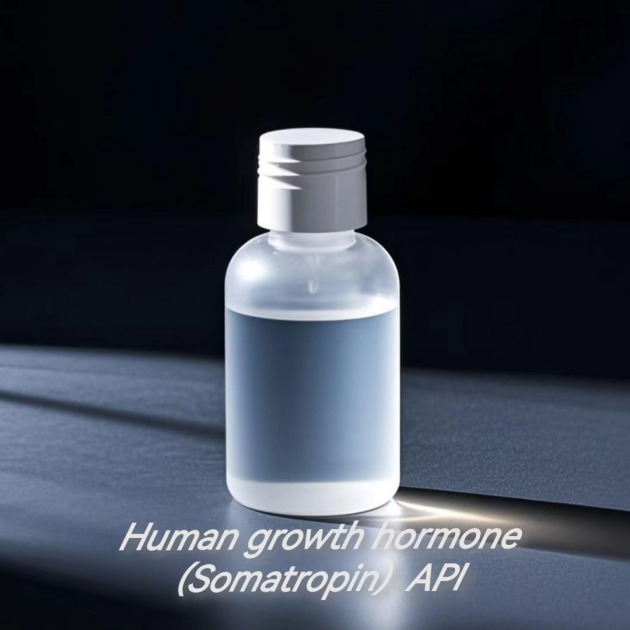
Product Human growth hormone
Human Growth Hormone (HGH), also known as somatropin, is a peptide hormone produced naturally by the pituitary gland. Recombinant human growth hormone (rHGH) is synthesized using biotechnological methods, typically through genetic engineering in E. coli cell cultures.
-
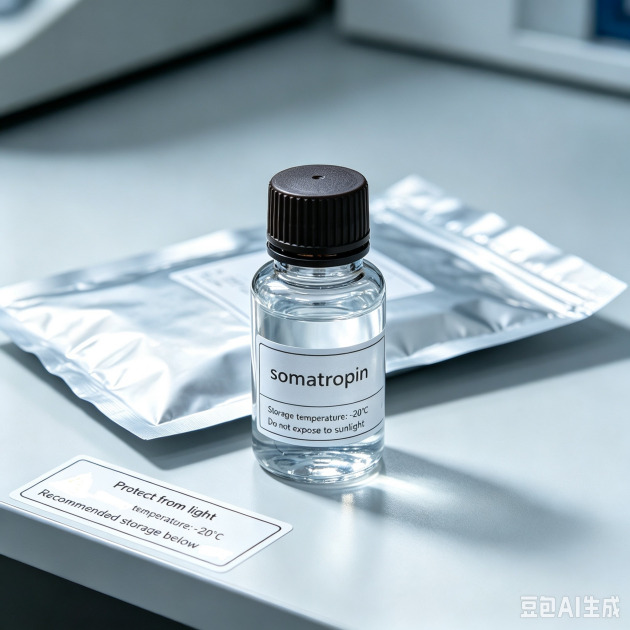
Product Somatropin
Human Growth Hormone (HGH), also known as somatropin, is a peptide hormone produced naturally by the pituitary gland. Recombinant human growth hormone (rHGH) is synthesized using biotechnological methods, through genetic engineering in E. coli cell cultures.CP/EP/USP compliance
-
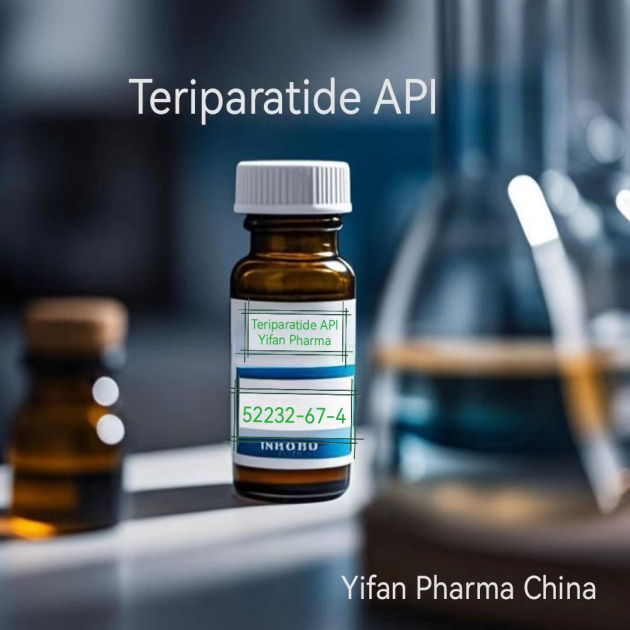
Product Teriparatide
Teriparatide, a recombinant human parathyroid hormone (PTH) analog, is a synthetic peptide corresponding to the active 1-34 fragment of endogenous parathyroid hormone. Comprising 34 amino acids, teriparatide has a molecular weight of approximately 4,117.8 daltons and is produced using recombinant DNA techn...
-
Product recombinant Trypsin
Trypsin is a serine proteinase that specifically cleaves arginine and lysine C-terminal peptide bonds. Recombinant trypsin is produced by recombinant E. coli expression. Recombinant trypsin can be widely used in various biotechnology processes. Its activity is inhibited by serine protease inhibitors such a...

-
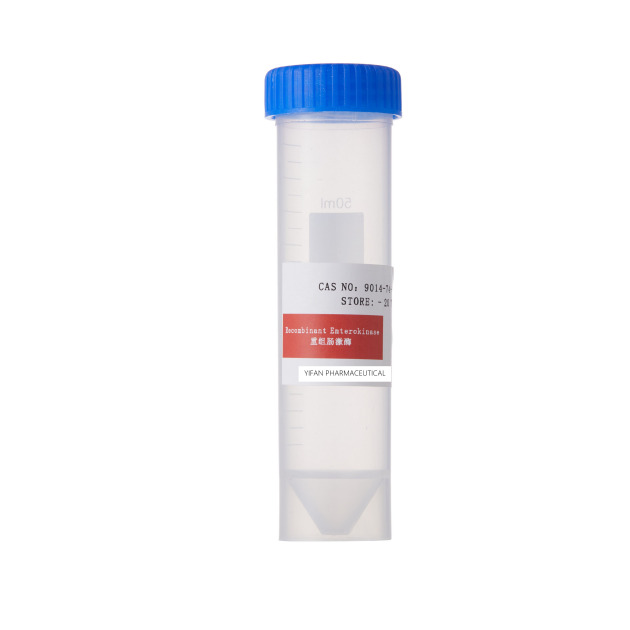
Product recombinant Enterokinase
In the pharmaceutical industry, enterokinase enzyme is employed to activate various drug precursors, including insulin precursors used for diabetes treatment. Moreover, its high specificity makes it a vital tool in protein engineering and research, enabling scientists to precisely cleave proteins to inve...
-
Product recombinant Kex-2 protease
The uniqueness of Kex-2 protease lies in its mechanism of recognizing and cleaving peptide bonds, as well as its activity requirements. It recognizes sequences containing two basic amino acids (e.g., Arg-Arg, Lys-Arg, Pro-Arg) and cleaves at their carboxyl termini. Unlike trypsin, it does not cleave pept...
-
Product recombinant Lys-C
Lys-C protease (lysyl endopeptidase) is a highly specific protease that cleaves peptide bonds at the C terminus of lysine residues. Originating from soil bacteria such as Achromobacter lyticus ( ), this enzyme finds extensive applications in biochemistry and molecular biology, particularly in protein anal...

-
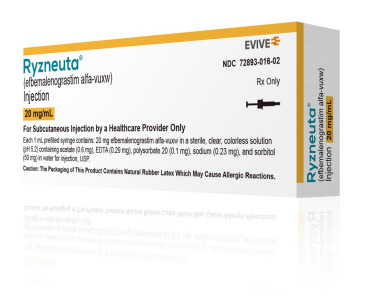
Product Ryznueta
A dimeric recombinant human granulocyte colony-stimulating factor fusion protein (INN: efbemalenograstim alfa, Brand name: RYZNEUTA ® ). One unit is a single dose, 20mg/mL of the PRODUCT, in a sterile syringe packed in a tray and boxed with a package insert.
-
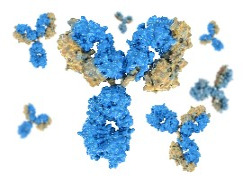
Product Antibody / Monoclonal antibody therapeutics services
Monoclonal antibody therapeutics: We continually invest in advanced analytical instrumentation that allows us to deliver mAb analytical data with the highest degree of sensitivity, accuracy and resolution. Our experience spans recombinant monoclonal antibodies and related products such as biosimilars, ...
-
Product Comparability Studies for Biopharmaceuticals
We design bespoke analytical programmes that ensure that the relevant quality attributes for your drug substance or product are evaluated to support your manufacturing process changes. We select analytics referenced by the ICH Q6B to examine the product's structural features (primary, secondary and&nb...

-
Product cGMP Cell-based Bioassays
Cell-based bioassays that comply with cGMP: Using a variety of techniques, including cell-based assays, ligand and receptor binding assays, and flexible multiple assay approaches – our potency testing experts offer tailored bioassay method development, method transfer and method validation to ICH Q2 (R1)...
-
Product Protein Aggregation Analysis and Characterization
Analysis and characterization of protein aggregates: The services provided by our experts include a range of protein aggregation analysis techniques that are used to detect and quantify aggregates in solution in support of formulation development, quality control, stability studies, comparability, rel...

-
Product Ligand-binding Assays
Intertek offers wide range of pharmaceutical services which includes ligand-binding assays. It belongs to immunochemistry services category. It includes elisa, electrochemiluminescence (ecl), radioimmunoassay (ria), etc.
To learn more, visit our website:
www.intertek.com/pharmaceut...

-
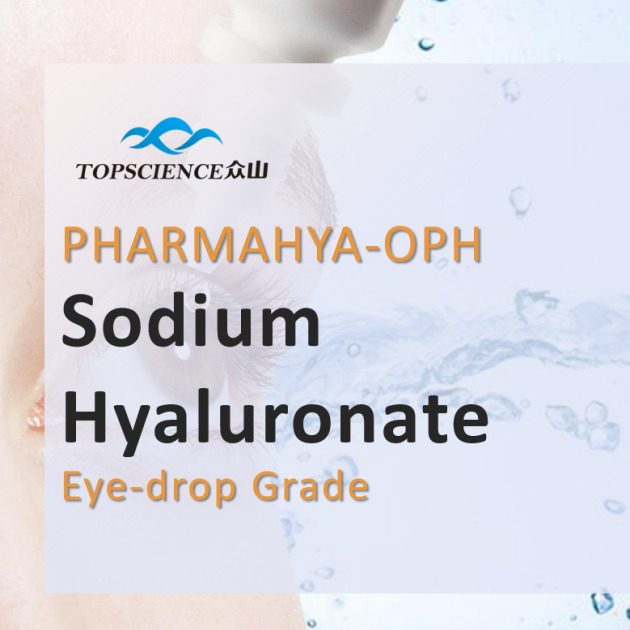
Product Eye-drop Grade Sodium Hyaluronate (Hyaluronic Acid )
Eye-drop Grade Sodium Hyaluronate has GMP certification in China and the status of API registration status is A. It has the advantages of ultra-low impurity level, ultra-low endotoxin level, ultra-low metal impurity residue and ultra-low microbial pollution.
• M...
-
Product Injection Grade Sodium Hyaluronate (Hyaluronic Acid)
Injection Grade Sodium Hyaluronate has GMP certification in China and the status of API registration status is A. It has the advantages of ultra-low impurity level, ultra-low endotoxin level, ultra-low metal impurity residue and ultra-low microbial pollution.
· Microbial ...
-
Product Excipient Grade Sodium Hyaluronate (Hyaluronic Acid)
Excipient Grade Sodium Hyaluronate has the registration of pharmaceutical excipients and with high stability. It has the advantages of ultra-low impurity level, ultra-low endotoxin level, ultra-low metal impurity residue and ultra-low microbial pollution.
• Microbia...
-
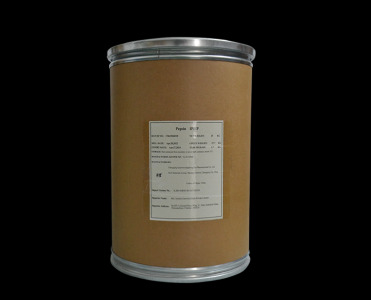
Product Pepsin
Pepsin is an API containing a proteolytic enzyme obtained from the glandular layer of the fresh stomach of the hog. A suitable diluent (lactose, sucrose or lower power powder) is added to adjust the enzyme activity to that specified if allowed. This product is a white or light dust colored amorphous powder...
-
Product RiboNAT Rapid Sterility Test (RNA Isolation & Detection Kit)
• RNA Isolation Kit (1): stored at -20 ℃; for 50 reactions. • RNA Isolation Kit (2): stored at RT; for 50 reactions. • Detection Kit stored at -20 ℃; for 100 reactions (96-well microplate).
-
Product Recombinant Trypsin
In compliance with pharmacopoeia standards: in compliance with relevant standards for recombinant proteases in pharmacopoeias.No animal origin: produced by recombination, free of exogenous viral contamination, and no animal-derived materials are used in the production process.
Quality stability: mass pr...

-
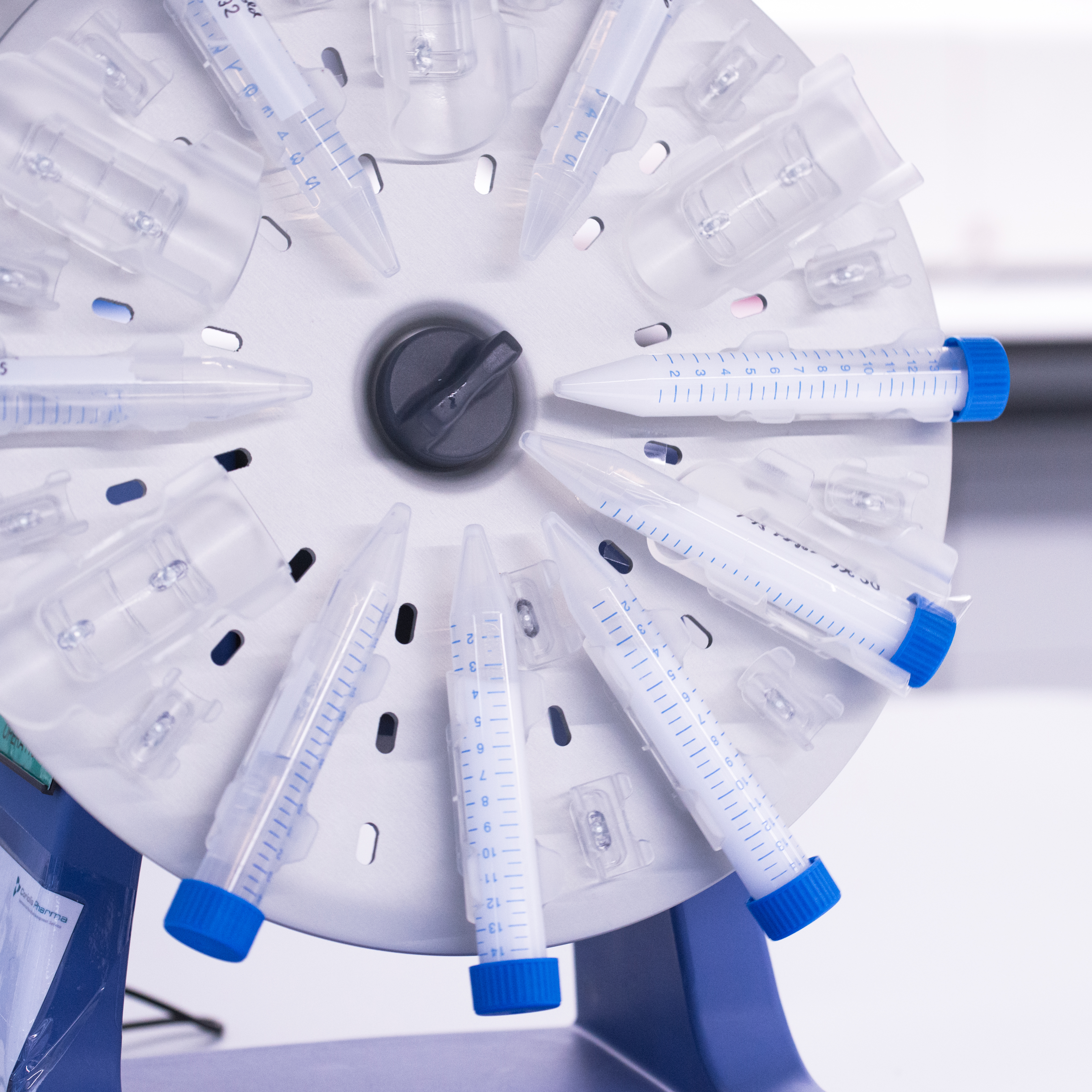
Product Stability Studies (Non-GMP and GMP)
As part of formulation development projects, supply of preclinical, clinical or commercial material, or as a standalone service package, Coriolis performs stability studies in accordance with ICH guidelines using suitable climate chambers at controlled temperatures and relative humidity (RH). In addition t...
-
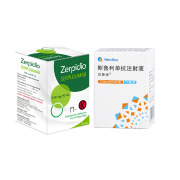
Product HANSIZHUANG (Serplulimab Injection)
HANSIZHUANG (recombinant humanized anti-PD-1 monoclonal antibody injection, generic name: serplulimab injection) is the first anti-PD-1 mAb for the first-line treatment of SCLC and has been approved in China and Indonesia. Up to date, 4 indications are approved for marketing, 2 marketing applications a...
-
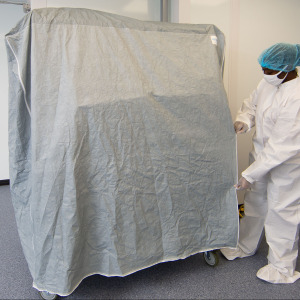
Product UV Light Blocking Tyvek Equipment Covers
UV Light Blocking Tyvek Equipment Covers are designed to keep cleaned pharmaceutical equipment and supplies clean and protected from external sources of contamination while also providing in-process protection to light sensitive biotech products.
-
Product Innovation Hub_Pharma Virtual Lab by Roquette
Discover how we can help you Roquette as a technology partner and a trusted supplier, provides scientists and researchers with a collaboration platform to beter understand and formulate with our ingredients. Innovation Hub | Roquette Pharma Solutions

-
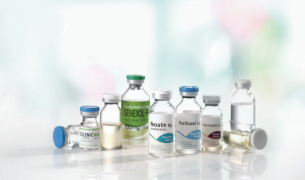
Product FPFs
• Genexol®PM Inj.(Paclitaxel) • Genexol® Inj.(Paclitaxel) • Nanoxel®M Inj.(Docetaxel) • Docetaxel Inj.(Docetaxel) • Nexatin® Inj.(Oxaliplatin) • Everose® Tab.(Everolimus) • Pemed®S Inj.(Pemetrexed) • Azalid® Inj.(Azacitidine) • Decilid® Inj.(Decitabine) • Lenalid® Inj.(Lenalid...
-
Product Ferrosil Plus solution
Ferrosil Plus solution is a dietary supplement of iron highly absorbable and pleasant taste because microencapsulated in liposomes. Iron absorption is increased by the presence of Vitamin C.
DOSAGE
Take 5 – 10 ml of Ferrosil plus solution equal to 20/40 mg of elemental iron daily as needed ...
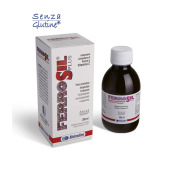
-
Product Coredox drops
Dietary supplement with vitamin C and vitamin E with protective and antioxidant function against the free radicals.
DOSAGE10 drops per day unless otherwise medical advice.10 drops contain:Vitamin C = 50 mgVitamin E = 20 mg
INGREDIENTSVitamin C + Vitamin E (Ascorbic acid and Tocopherol...
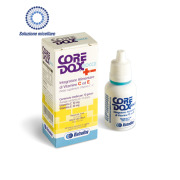
-
Product Lioflor vaginal douche
Rejuvenating the bacterial flora - refreshing - antibacterial. CHARACTERISTICS Vaginal lavender with hyaluronate sodium, tea tree oil, calendula and active lactic ferments. FORMAT 5 100 ml Bottles with tank cap and 5 monouse cannula
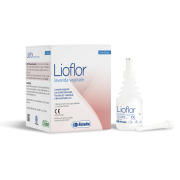
-
Product Grinsol Fitoaerosol
Fitoaerosol with marine water in isotonic solution. Medical device indicated as a specific adjuvant for typical cold symptoms such as nasal congestion and nasal mucus irritation.
Reduces the Symptoms of the Cold. It promotes Muco Fluidification. In case of allergic rhinitis and sinusitis.
...
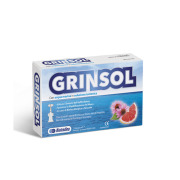
-
Product Jo 18 Cream
For its composition JO18 results ideal for soothing inflamed skins, atopic and seborrheic dermatitis, sunburn and irritation in general.JO18 allowing an activity:
• Lenitive;
• Minimizing the itch;
• Strengthener the skin functionality;
• Stimulating the skin’s p...
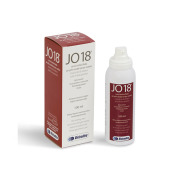
-
Product Jo Oil oily bath
Oily bath is the ideal detergent for sensitive, dehydrated or atopic skin. Its composition is rich in substances of vegetable origin such as Jojoba oil, and can be used daily on delicate skins for maintaining a correct skin hydration.
DOSAGE
6 sprays (about 10 ml) are sufficient for the was...
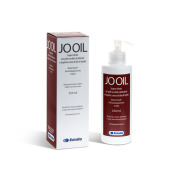
-
Product K start drops
Vitamin K deficiency bleeding prophylaxis. (VKDB)
DOSAGE10 drops (50mcg) per day for 2 bottles.
INGREDIENTSVitamin K1 (Phylloquinone).
CHARACTERISTICSMicellar solution in aqueous phase, easy to be mixed with all liquids or foods. Tasteless and odorless.
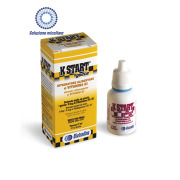
-
Product Proton DK 50 Drops
Rickets prophylaxis and Vitamin K deficiency bleeding (VKDB).
DOSAGE6 drops per day until the bottle is empty.6 drops contains 400 I.U. of Vitamin D3 + 50 mcg of Vitamin K1.
INGREDIENTSVitamin D3 (Cholecalciferol) + Vitamin K1 (Phylloquinone).
CHARACTERISTICSMicellar soluti...
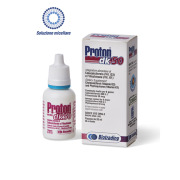
-
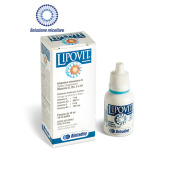
Product Lipovit drops
Vitamin A, Vitamin D3, Vitamin E and Vitamin K1 dietary supplement. Useful to fill the nutritional deficiencies or the increased needs of these nutrients.
DOSAGE5 drops per day unless otherwise medical advice.5 drops contain: Vitamin A = 1 mg (= 1000 RE = 3333 I.U.)Vitamin D3 = 10 mcg (400 I.U.)...
-
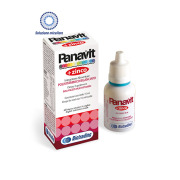
Product Panavit Drops + Zinc
Panavit drops is a balanced multivitamin dietary supplement, useful to fill nutritional deficiencies or increased needs of the nutrients contained therein. Vitamin D3 contributes to the normal absorption and use of calcium, phosphorus and to the normal function of the immune system. Zinc contribu...
-
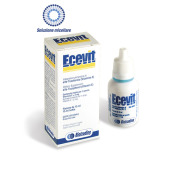
Product Ecevit drops
Ecevit drops is a dietary supplement of alfa-tocopheril acetate (Vitamin E), used to fill a nutritional deficiency or to increase the requirements of this nutrient. Vitamin E helps protect cells from oxidative stress.
DOSAGETake from 1 to 6 drops per day according to the needs. Do not exceed rec...
-
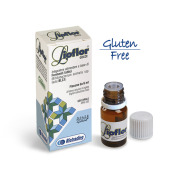
Product Lioflor drops
Lioflor® drops is a dietary supplement based lactic species Bifidobacterium animalis ssp lactis BLC1, probiotic belonging to the family of Bifidus, present in the intestinal flora of man. The Bifidobacterium animalis ssp lactis BLC1 is able to colonize the intestine and promote the balance of intestin...
-
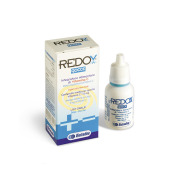
Product Redox Drops
Redox drops is an antioxidant, it performs a protective action against free radicals. Vitamin C contributes to the normal functioning of the immune system, to cells protection from oxidative stress and it improves iron absorption.
DOSAGETake 10 – 20 drops (100 – 200 mg of Vitamin C) per day unle...
-
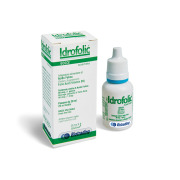
Product Idrofolic drops
Hematological disorders. Prevention of the defects of the neural tube.
DOSAGE5-10 drops per day unless otherwise medical advice.1 drop contains: 40 mcg of Folic Acid.
INGREDIENTSFolic Acid (Vitamin B9).
CHARACTERISTICSIdrofolic drops is a dietary supplement of Folic Acid in...
-
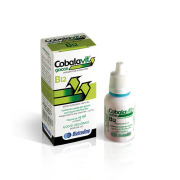
Product Cobalavit drops
Adjuvant in the treatment of the hematological disorders or of the pernicious/megaloblastic anemia.
DOSAGE
2/25 per day.
1 drop contains: 1,25 mcg of Vitamin B12.
INGREDIENTS
Vitamin B12 (Cianocobalamina).
CHARACTERISTICS
Vitamin B12 in aqueous pha...
-
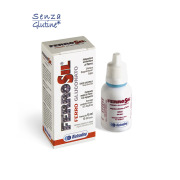
Product Ferrosil drops
Iron-deficiency anemia.
DOSAGE2 drops (1 mg) /Kg/dieor 1 drop (0,5 mg) / ½ Kg/die.2 drops contain: 1 mg of elementary Iron.
INGREDIENTSGluconate Iron (Fe++).
CHARACTERISTICSGluconate iron in watery solution, easy to be mixed with all liquids or foods.
-
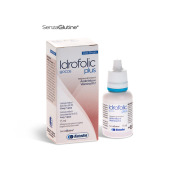
Product Idrofolic plus drops
Useful in the treatment of pernicious anemia and certain diseases of the nervous system. It is able to lower the plasma levels of homocysteine.
DOSAGE
8 drops per day unless a prescription.
1 drop contains 50 mcg of folic acid and 4 mcg of cyanocobalamin.
INGREDIENTS q...
-
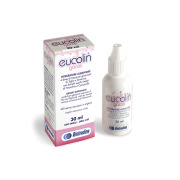
Product Eucolin drops
Thanks to its composition appositely studied for a rapid and effective action, Eucolin drops results useful in states of the infant’s gaseous colic and in the abdominal pains of spastic nature.
DOSAGEInfant’s gaseous colic: 10 drops from one to three times per day, half an hour before the b...
-
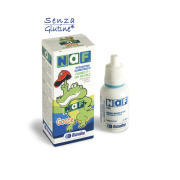
Product Naf Drops
Fluorine prophylaxis of the dental caries.
DOSAGEfrom 0 to 2 years : 8 drops (0,25 mg) per day.from 2 to 4 years : 16 drops (0,50mg) per day.8 drops contain 0,25 mg of Fluorine ions (F-).
INGREDIENTSFluorine + Xylitol.
CHARACTERISTICSFluorine and Xylitol in watery...
-
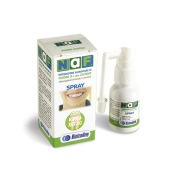
Product Naf Spray
Fluorine prophylaxis of the dental caries.
DOSAGEfrom 2 to 4 years: 0,50 mg per day (2 puffs).from 4 years and in adults: 1mg per day (4 puffs).1 puff contains 0,25mg of Fluorine ions (F-).
INGREDIENTSFluorine + Xylitol (Sodium Fluoride and Xylitol).
CHARACTERISTI...
-
Product Folium 400 tablets
Anemia caused by a lack of folates.Prevention of the defects of the neural tube.
DOSAGE½ – 1 tablet per day.
INGREDIENTSFolic Acid (Vitamin B9).
CHARACTERISTICS1 tablet is equal to 400 mcg of Folic Acid.
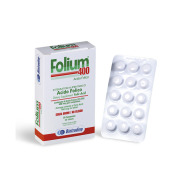
-
Product Folium solution
Anemia caused by a lack of folates.
DOSAGE1-4 ml per day.
INGREDIENTSFolic Acid (Vitamin B9).
CHARACTERISTICS1 ml corresponds to 100 mcg of Folic Acid.Strawberry taste.
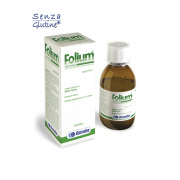
-
Product Panavit solution
Prophylaxis and therapy of the vitamin deficiencies. Dietary supplement in the infant’s alimentation.
DOSAGEPreterm infant : 10 drops per day for one year.In term infant : 5 drops per day for a 18-months period.
...
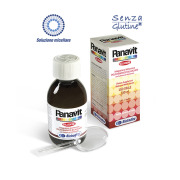
-
Product Patux solution
Patux solution thanks to its composition studied for a rapid and effective action, is useful in case of dry cough.
DOSAGEChildren above 2 years: 2,5 ml three times per day. Adults: 5 ml three times per day.
INGREDIENTSAlthea officinalis roots E.S., Plantago major L., Marrubi...
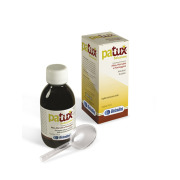
-
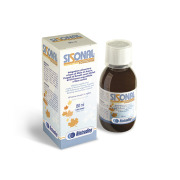
Product Sisonal Solution
Useful to promote the physiological functionalities of the respiratory system and to stimulate the immune defences.
DOSAGEChildren: 5 ml twice a day.Adults: 5 ml three times a day.
INGREDIENTSEchinacea angustifolia DC roots E.S. tit. Min. 4% in echinacoside, Propolis minced ...
-
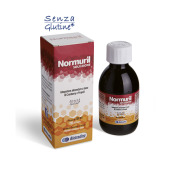
Product Normuril solution
Normuril solution is a dietary supplement of Cranberry and Propolis useful for the physiological function of the urinary tract with a pleasant taste of berries.
DOSAGE
Daily dose: 2 0 ml diluted in a glass of water.
Impact dosage: 20 ml diluted in a glass of water prefe...
-
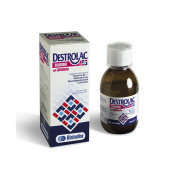
Product Destrolac solution
Treatment of the constipation in children or adults.
DOSAGEUnless otherwise medical advice:Children: 10 ml per day, preferably in the evening.Adults: 20 ml per day, preferably in the evening.
INGREDIENTSMaltodextrine 72%, Bioecolians® (prebiotic) 10%, Sugar (saccharose) 10%,...
-
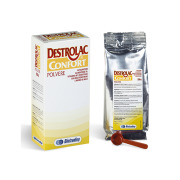
Product Destrolac confort
Food supplementation of milk in children with facility of regurgitation.
DOSAGEDissolve 5 g of powder equal to 3 measuring cups every 100 ml of water or milk.
INGREDIENTSCorn starch (52%), Maltodextrine, Vitamin B7 (Inositol).
CHARACTERISTICSDestrolac Confort is a Vitamin B...
-
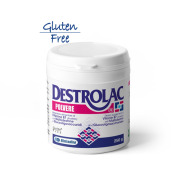
Product Destrolac powder
Dietetic treatment of the constipation.
DOSAGE3 measuring cups (5g) every 100ml of milk or other liquids.3 measuring cups (5g) every 100g of grated fruit.
INGREDIENTSMaltodextrine, Bioecolians® (glucooligosaccharide with prebiotic action), Inositol (Vitamin B7).
CHARACTERIS...
-
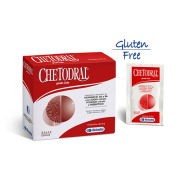
Product Chetodral sachets
Chetodral sachets contrast effectively the states of ketosis and acetonaemic vomit of children and it is able to act in the complex metabolic alterations during the acidosis by acting constantly.
DOSAGE1 sachet dissolved in 100ml of water (a glass) 3 times per day.
INGREDIENTSMixed su...
-
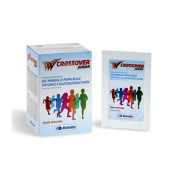
Product Crossover Junior sachets
Crossover Junior Mineral Salts, Royal Jelly and Zinc is a dietary supplement specifically developed for kids that practice also competitive sports activities and is useful in the treatment of dehydration caused by excessive sweating combined with intense energy expenditure. Zinc contributes to the normal f...
-
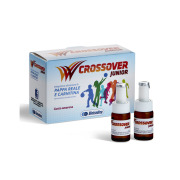
Product Crossover Junior vials
Crossover Junior Royal Jelly and Carnitine is a dietary supplement specially developed for kids that practice also competitive sports activities and it is useful to compensate for an intense energy expenditure.
DOSAGE
The recommended daily dose is 1 vial a day preferably taken an hour befor...
-
Product Ergon vials
Ergon vials is a dietary supplement of Iron, Folic Acid, Vitamin B12 and Vitamin C, useful to fill nutritional deficiencies or increased needs of these nutrients. Iron contributes to normal transport of oxygen in the body, folic acid and Vitamin B12 contributes to the normal formation of red blood cells ...

-
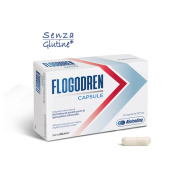
Product Flogodren caps
Dietary supplement with effective anti-inflammatory and anti-edema action based Bromelain from Pineapple, Escin from Horse Chestnut and Boswellia serrata resin.
DOSAGE It is recommended to take 1 capsule per day.
INGREDIENTS
Bromelain, Escin from Horse Chestnut and Bos...
-
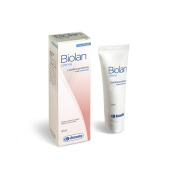
Product Biolan cream
For its affinity and its high hydrating and emollient power, it can be applied in the protection of the hurting nipples, in the emollient and lenitive treatment of the breast’s and anal’s rhagades.
DOSAGEBreast Rhagades: Soften a little quatity of the product with the cleaned fingers and ap...
-
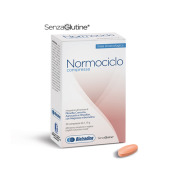
Product Normociclo tablets
Normociclo is a dietary supplement based on plant extracts (pilosella, turmeric, agnocasto and ortosifon), with Magnesium and bromelain. Pilosella and ortosifon are useful for draining body fluids; turmeric and chaste counteract disorders of the menstrual cycle, while Magnesium contributes to electrolyte b...
-
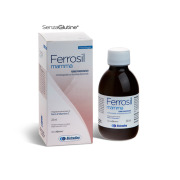
Product Ferrosil Mom
It is indicated to contrast a form of anemia in pregnancy that takes the name of gestational iron-deficiency anemia.
DOSAGE
Take 5 – 10 ml of Ferrosil Mom solution equal to 20/40 mg of elemental iron daily as needed preferably with meals, unless otherwise specied by the doctor. 5 ml contain 20 mg...
-
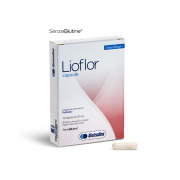
Product Lioflor caps
Lioflor caps is a dietary supplement of probiotics, useful to help the balance of intestinal flora, also indicated as an adjunct in the prevention of relapsing forms of vaginosis, vaginitis and infections of the lower urinary tract.
DOSAGE
1 caps a day between meals, unless medically indica...
-
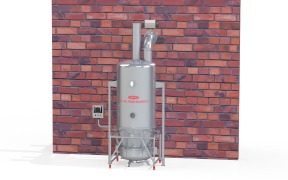
Product FLUID BED DRYER
EQUIPMENT WILL COMPLY WITH THE LATEST GMP STANDARD & NORMS.Basic equipment with Single Skin Air Handling unit witho Pre/micro filter 20/10 Micron.
o Micro Filter of 5 Micron.
o HEPA Filter of 0.3 Micron. (Optional)
Steam ...
-
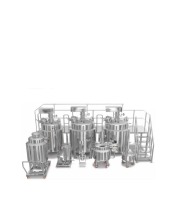
Product LIQUID MANUFACTURING PLANT
Liquid Manufacturing Plant with fully automatic operations as designed
per CGMP-Current Good Manufacturing Practice compliance.
All contact parts SS 316 & Non Contact Parts SS 304.
Liquid Manufacturing plant consi...
-
Product Alarelin
CAS No. : 79561-22-1.Molecular Formula: C56H78N16O12 Main product: Oxytocin Acetate,Vasopressin Acetate,Desmopressin Acetate,Terlipressin acetate, Caspofungin acetate, Micafungin sodium, Eptifibatide acetate, Bivalirudin TFA, Deslorelin Acetate,Glucagon Acetate,Histrelin Acetate,Liraglutide Acetate...
-
Product tri-sodium citrate anhydrous USP PharmProve®
tri-sodium citrate anhydrous
USP PharmProve®
produced in accordance with EU GMP | IPEC GMP | EXCiPACT
-
Product Tri-sodium citrate dihydrate EP, BP, USP PharmProve®
Tri-sodium citrate dihydrate
EP, BP, USP PharmProve®
produced in accordance with EU GMP | IPEC GMP | EXCiPACT
-
Product Urea (crystalline) EP, BP, USP, JP PharmProve®
Urea (crystalline)
EP, BP, USP, JP PharmProve®
produced in accordance with EU GMP | IPEC GMP | EXCiPACT
-
Product Urea (compacted) EP, BP, USP, JP PharmProve®
Urea (compacted)
EP, BP, USP, JP PharmProve®
produced in accordance with EU GMP | IPEC GMP | EXCiPACT
-
Product Tris(hydroxymethyl)aminomethane hydrochloride PharmProve®
Tris(hydroxymethyl)aminomethane hydrochloride
PharmProve®
produced in accordance with EU GMP | IPEC GMP | EXCiPACT
-
Product 1,2 Propylene glycol EP, USP/NF PharmProve®
produced in accordance with EU GMP | IPEC GMP | EXCiPACT
-
Product Hydrochloric acid 37% EP, USP/NF PharmProve®
produced in accordance with EU GMP | IPEC GMP | EXCiPACT
-
Product Octoxynol EP PharmProve®
Octoxynol
EP PharmProve®
produced in accordance with EU GMP | IPEC GMP | EXCiPACT
-
Product Phosphoric acid 85% EP, USP/NF PharmProve®
Phosphoric acid 85%
EP, USP/NF PharmProve®
produced in accordance with EU GMP | IPEC GMP | EXCiPACT
-
Product Sodium hydroxide Solution 1M PharmProve Plus (GMP compliant)
produced from purified water acc. to EP and Sodium hydroxide Pellets EP/USP/JP
-
Product Polysorbate 80 EP, USP/NF PharmProve®
Polysorbate 80
EP, USP/NF PharmProve®
produced in accordance with EU GMP | IPEC GMP | EXCiPACT
-
Product Purified Water (AP) EP in container PharmProve® Plus
Purified Water (AP)
EP in container PharmProve® Plus
produced in accordance with EU GMP | IPEC GMP | EXCiPACT
-
Product Sodium dihydrogen phosphate dihydrate EP, USP/NF PharmProve®
Sodium dihydrogen phosphate dihydrate
EP, USP/NF PharmProve®
produced in accordance with EU GMP | IPEC GMP | EXCiPACT
-
Product Sodium hydroxide pellets EP, BP, USP/NF, JP PharmProve®
Sodium hydroxide pellets
EP, BP, USP/NF, JP PharmProve®
produced in accordance with EU GMP | IPEC GMP | EXCiPACT
-
Product Sorbitol EP, BP, USP/NF PharmProve®
Sorbitol
EP, BP, USP/NF PharmProve®
produced in accordance with EU GMP | IPEC GMP | EXCiPACT
-
Product Sucrose EP, BP, NF, JP, ChP PharmProve®
Sucrose
EP, BP, NF, JP, ChP PharmProve®
produced in accordance with EU GMP | IPEC GMP | EXCiPACT
-
Product Tri-n-butyl phosphate EP PharmProve®
Tri-n-butyl phosphate
EP PharmProve®
produced in accordance with EU GMP | IPEC GMP | EXCiPACT
-
Product Tris (hydroxymethyl) aminomethan EP, BP, USP, ChP PharmProve®
Tris (hydroxymethyl) aminomethan
EP, BP, USP, ChP PharmProve®
produced in accordance with EU GMP | IPEC GMP | EXCiPACT
-
Product Customised Buffer Formulations under GMP
Ready-to-use sterile filtered solutions insingle-use bagsProcessing of hazardous substances(corrosive, flammable) in the cleanrooms
e.g.
ALCOHOLS/SOLVENTS
ORGANIC BUFFER SOLUTIONSSTRONG ACIDS
STRONG BASES
BALANCED SALT...
-
Product Adipic acid EP, USP, JPE PharmProve®
Adipic acid
EP, USP, JPE PharmProve®
produced in accordance with EU GMP | IPEC GMP | EXCiPACT
-
Product Enoxaparin Sodium
Production starts from our own Heparin Sodium.. EU-GMP inspection applied for 2018.
-
Product Heparin calcium
From mucosa to API-all at one production site. EU-GMP audit applied for 2018
-
Product Single Use Products
We offer a very wide range of single-use products for the pharmaceutical and biopharmaceutical industries. We also offer customised solutions that can be easily adapted to your installations.
single use Assemblies, Back pressure regulators, pinch valves, plastic closure etc...
-
Product Recombinant human erythropoietin injection (cho cell)
Shandong kexing bioproducts offers a wide range of products which includes recombinant human erythropoietin injection (cho cell). It is colorless and transparent liquid with ph6.9±0.5. Packaging: pre-filled syringe or vial. Storage: stored at 2-8?. Contact us for more information.





Biopharmaceuticals
Biopharmaceuticals, also known as biologic medical products, are drug products manufactured using biotechnology. Biopharmaceutical drugs are structurally similar to various compounds within the body. Over time, drug development has progressed from small-molecule compounds to large molecule proteins and other accompanying biopharmaceuticals. The discovery of biopharmaceuticals has significantly improved the healthcare delivery. It has provided a shift in providing cures for chronic illnesses such as refractory cancers, diabetes, autoimmune diseases, etc., thereby improving the affected patients' quality of life.
The use of biopharmaceuticals for therapeutic purposes dates as far back as the 19th century, with recombinant human insulin being the first approved biopharmaceutical used for therapeutic purposes in human beings. Over the last three decades, the biopharmaceutical industry has experienced notable growth and is expected to contribute to some remarkable pharmaceutical industry developments. Biopharmaceutical offers a wide range of advantages and benefits to pharmaceutics, and here, we would be exploring these benefits. We would also examine the biopharmaceutical manufacturing process, notable examples of biopharmaceuticals, and more.
What are biopharmaceuticals?
These complex medicines are proteins (monoclonal antibody), sugars (glycan), nucleic acids (RNA, DNA), living cells, or tissues extracted or semi synthesized from a biologic source by biotechnology for in vivo diagnosis or therapeutic purposes.
The majority of biopharmaceuticals are synthesized or derived from living organisms or genetically modified cells and organisms. They cannot only lessen symptoms or treat chronic diseases but also cure them with little or no side effects because of their origin and specificity. Some biopharmaceuticals include enzymes, antisense drugs, cytokines, monoclonal antibodies, gene therapy, cell therapy, etc.
Biopharmaceuticals have helped personalize the treatment process to meet the specific health needs of patients. This is achieved through the modification of drugs genetically through DNA-recombinant technologies or cell fusion to alter specific factors to cure, prevent, or diagnose individual diseases.
How are biopharmaceuticals made, and why?
As opposed to chemical synthesis through which conventional medicines and drug products are made, biopharmaceutical drugs are synthesized through more complex processes from living cells. With the rapid growth of the biopharmaceutical industry and the discovery of new biologic therapies, the term biopharmaceutical (biologics) refers to a variety of medicines and drug products. The diversified portfolio contains various drugs produced by different biotechnological methods and techniques.
These drug products are not made from chemical mixtures but rather from living organisms. Experts in cellular biology, biochemistry, and several other fields carry out biologic testing and analysis (using analytical methods) to ensure that the desired end product is made.
For example, biologics used to treat joint pain are made by adding a DNA into a living cell such as a yeast or mammalian cell to enable the production of a specific molecule in large amounts. These molecules are usually therapeutic proteins that are isolated and utilized as active ingredients.
When newly introduced, biopharmaceuticals focused solely on developing recombinant protein such as enzymes (TPA) and hormones (insulin, erythropoietin, growth hormone, etc.) through recombinant DNA techniques. With time, they have delved into the design and development of chemically defined cells, manufacturing of monoclonal antibodies, and genome-based technology. These new techniques have improved the pharmaceutical manufacturing process and created new treatment options for different diseases.
Like every other drug, biopharmaceutical drugs are produced for therapeutic purposes, but with a catch. They are produced majorly to cure chronic and dilapidating diseases such as cancer, diabetes, rheumatoid arthritis, and several others. The manufacturing of these drug products also aims at providing effective, safe, and cost-effective drugs for therapeutic purposes.
What is the biopharmaceutical industry?
The biopharmaceutical industry is an essential subset of the pharmaceutical industry. It is comprised of biopharmaceutical companies that discover, develop, produce, and market biopharmaceuticals. The drug products made are used to diagnose, treat, prevent, and cure diseases when administered to patients. This industry deals majorly in biopharma drugs and medicines produced via the biotechnological process from living entities such as micro-organisms, living cells, tissues, or organs of humans and animals. The biopharmaceutical industry successfully merges between biotech and pharmaceutical companies to provide better and safer healthcare to patients.
What is the difference between biopharmaceutic and biopharmaceuticals?
Biopharmaceutics is simply pharmaceutics that deals with biopharmaceuticals. It is a branch of pharmaceutical science that examines the physiochemical properties of drugs, their toxicology, pharmacology, dosage forms, and patients' clinical response to drugs, biopharmaceuticals inclusive. The recommended dosage and dosing interval varies for different drugs, and it significantly affects their efficacy and safety. Biopharmaceutics provide adequate information and understanding of the pharmacodynamics and pharmacokinetics of biopharmaceutical drugs, their metabolites, and their effects on the body. Through biopharmaceutics, biopharmaceutical drugs can be evaluated based on their properties and effects on the body.
On the other hand, biopharmaceuticals refer to inherently biologic pharmaceuticals extracted, synthesized, or semi-synthesized from live forms using biotechnological methods. They constitute a significant part of the drug products examined and evaluated in biopharmaceutics to improve healthcare delivery and, in turn, the quality of patients' lives.
How are biopharmaceuticals manufactured?
The rapid advancement of genetics and molecular biology has played a significant role in the biopharmaceutical manufacturing process. The introduction of new and refined techniques such as protein purification, host system, etc., has positively impacted the efficacy, capacity, and safety of biopharmaceuticals produced.
There are many biopharmaceutical manufacturing processes, and they vary based on the type of drug product to be produced.
Where is biopharmaceutical manufacturing heading?
With several emerging technologies in the biopharmaceutical manufacturing process, the biopharmaceutical manufacturing process is expected to take a huge turn. With over 1000 biopharmaceuticals in clinical trials, the majority of drugs in the future may be biopharmaceuticals. The increased need for biopharmaceuticals and the constant advancement in biotech will impact biopharmaceutical manufacturing. Given the various advantages of gene therapy, biopharmaceuticals' manufacturing process is likely to focus more on gene therapy in the future.
What is the process involved in the process of manufacturing biopharmaceuticals?
The process of small-scale and large-scale biopharmaceutical production varies. However, biopharma companies produce to indulge in large-scale biopharmaceutical production. The processes involved in manufacturing these drugs are complex, lengthy, and largely differ depending on the end-product. Generally, the processes include biosynthesis, purification, formulation, and final dosage preparations.
Materials and equipment are sterilized at the biosynthetic stage, and a cell culture or biologic extract is harvested or collected in a bioreactor to grow and multiply. During the purification process, cells, tissues, enzymes, or desired products are separated from surrounding nutrients and byproducts to produce the bulk product. Unlike conventional drugs mixed with other chemical components during formulation, biopharmaceuticals are made and sold as sterile products. Although they are sold as sterile products, biopharmaceuticals are packaged in similar ways as conventional drugs before distribution and sales.
This description gives a general knowledge of the manufacturing process carried out. Nevertheless, there are special intricate biotech processes that can be carried out and some include continuous manufacturing, and other processes requiring single use technology.
What special considerations must be made when manufacturing biopharmaceuticals?
Consistent safety, effectiveness, and quality are the essential factors that must be considered during the biopharmaceutical manufacturing process.
The manufacturing processes of each biopharmaceutical product must be designed to produce consistent quality and safe biopharmaceutical drug products. This involves the complete removal of contaminants and impurities such as viral contamination, endotoxins, cell membranes, and others from the separated product. Also, regular rigorous and well-documented checks and examinations on the efficiency and performance of the materials and equipment must be carried out to validate the manufacturing process.
Benefits of biopharmaceuticals
Given the structural composition and origin of biopharmaceuticals, these bio drugs provide several health benefits to patients and, in extension, the healthcare industry and healthcare professionals. The emergence of biopharmaceuticals has provided patients with a better shot at quality life and longevity.
How do patients benefit from biopharmaceuticals?
Biopharmaceutical drugs, unlike conventional medicines, mimic the structures of human compounds, and this gives biopharmaceuticals the potential and ability to cure diseases more effectively. They also produce fewer side effects due to their high specificity, unlike the traditional medications that are capable of affecting multiple systems simultaneously. Given their similarities with human compounds, they are very safe and highly effective.
Also, these drugs can be genetically modified to allow healthcare professionals to tailor treatments to meet patients' specific health needs. In addition, some generic drugs play crucial roles in providing patients with curative and diagnostic benefits.
However, one of the greatest potentials of biopharmaceuticals that also serves as an essential benefit to patients is gene therapy. Through gene therapy, conditions characterized by rapidly dividing cells due to mutated or defective genes, such as cancer, can be cured. Unlike some cancer drugs and other medications also, biopharmaceutical drugs are non-carcinogenic. The innovation of biopharmaceuticals also aids in producing varieties of vaccine to prevent infection and the spread of infectious diseases in patients.
Generally, bio drugs improve longevity, increase life expectancy, provide welfare to the population, and provides several public health benefits.
How does the healthcare industry benefit from biopharmaceuticals?
The impact of biopharmaceuticals and biopharmaceutical innovation on health care professionals also tells on the healthcare industry. Biopharmaceuticals have a massive positive economic impact, and other healthcare industry benefits that cannot be ignored. The development and availability of the various biopharmaceuticals in the pharmaceutical market will increase access to bio drugs, cost-effective medicines, and a boost in the global pharmaceutical market. Also, the ease of commercial production of biopharmaceuticals boosts the healthcare industry's economy and market growth.
How do healthcare professionals benefit from biopharmaceuticals?
Biopharmaceuticals and biopharmaceutical innovations provide outstanding benefits to healthcare professionals. It provides healthcare professionals with a variety of safe and efficient curative and therapeutic options for their patients. Therefore, in cases where a particular bio drug doesn't produce the desired therapeutic effect in a specific patient or has undesired side effects, other alternatives within the same drug family can be administered. Also, biopharmaceutical innovation provides job opportunities for healthcare professionals and individuals in different fields of practice.
Examples of common biopharmaceuticals
There are various biopharmaceutical products, and the majority of these products are widely known. Some common biopharma products include insulin, blood factor IX and VIII, human growth hormone, erythropoietin, tissue plasminogen activator, therapeutic antibodies, glucocerebrosidase, interferon α, and β, and GSCF. These form the most common examples, but they fall into the different biopharmaceutical classes, including hormones, clotting factors, blood products, vaccines, cytokines, and growth factors.
Where can some common biopharmaceuticals be found?
Biopharmaceuticals are derived and produced from various cells. They can be extracted and synthesized mammalian cell lines, microbial cells (yeast culture or recombinant E. coli), moss plants, and plant cell cultures. The majority of these sources are readily available and accessible at all times. These sources are origins from which the drug development process spans.
Who commonly uses biopharmaceuticals?
Biopharmaceuticals are primarily used for patients. However, most of the patient population that uses biopharmaceuticals are patients with long-term diseases such as psoriasis, diabetes, Crohn’s disease, rheumatoid arthritis, etc. The elderly constitute the majority of patients affected by either of these chronic conditions. Also, cancer patients form a significant percentage of the patient population using biopharmaceutical products.
What industries can common biopharmaceuticals be found in?
The common biopharmaceuticals are produced majorly by the biopharmaceutical and biotechnology industries. Within these industries, these biopharmaceutical products are developed and manufactured by biopharmaceutical companies. Some of the top pharma companies that manufacture the most common biopharma products include Gilead Sciences, Amgen, Genentech, Biogen, Riotech, Samsung biologics, Teva Pharmaceuticals, Celgene, Pfizer, United Therapeutics Corporation, UCB, and Sanofi. Although these companies form the existing biopharmaceutical manufacturing companies, a new biopharmaceutical company, Clover biopharmaceuticals, presently undergoing clinical trial is set to become a top tier pharmaceutical company in this industry.
References
https://medcraveonline.com/OAJS/biopharmaceutical-innovation-benefits-and-challenges.html
References
Upcoming Events
Pharmaceutical Industry Webinars
-

Webinar Fast and Furious eBR Implementation: How Agentic AI Compresses the Path from Paper to Production
-
October 28, 2026
-
9am GMT/ 4pm SGT
-
-
.png)
Webinar The Continuum of Automation in Mechanical Testing of Combination Products
-
12th November 2026
-
3pm GMT/ 4pm CET
-

%20(1).png)
%20(1).png)
.png)
%20(1).png)
.png)
%20(1).png)

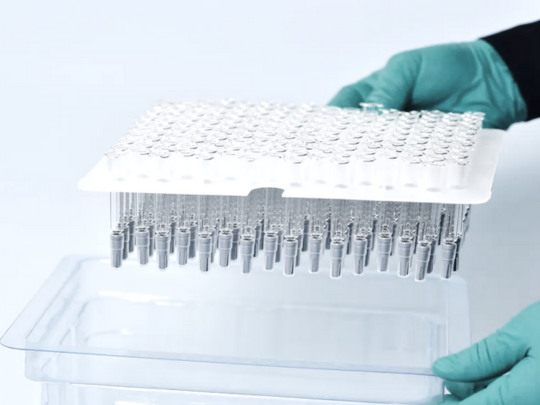


.png)
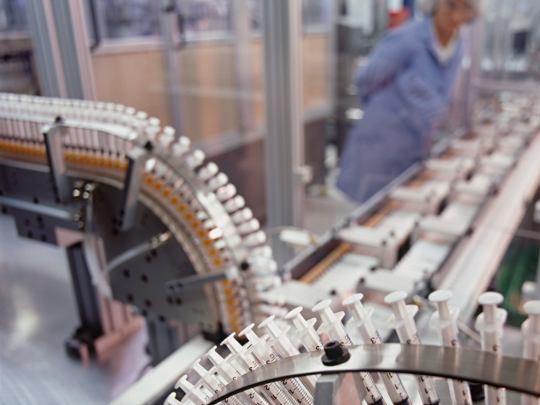
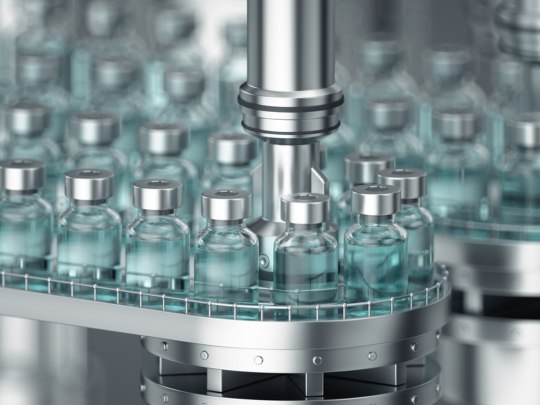

.png)