
Establishment of antiviral development centre for pandemic-level viruses

Researchers across several US institutions will come together to establish a centre for the research and development of antiviral drugs and therapeutics against pandemic-level viruses.
A centre for antiviral drug development against pandemic-level viruses, such as those that have caused the Ebola and COVID-19 pandemics, will be established by researchers at the University of Illinois Chicago (UIC) working in tandem with the National Institutes of Health and other researchers across the United States.
Scientists and researchers from 16 institutions nationwide will be brought together for the basic, translational, and clinical research of effect responses to life-threatening viral infections that may lead to pandemics. USD $3 million has been granted to UIC for collaborative research with the University of Minnesota to focus on antiviral therapies for filoviruses, including the Ebola virus.
Regarding the research to be conducted, professor of microbiology and immunology Lijun Rong stated: “Our lab uses high-throughput screening to perform large-scale experiments and generate large sets of data to identify the viral protein targets, which are used by viruses to enter human cells and replicate. We have screened several small molecule libraries and have identified many potent inhibitors against filoviruses, arenaviruses, influenza viruses, henipavirus, HIV, and SARS-2.”
Start-up company Chicago BioSolutions will also be participating in the research and development of a potential antiviral for Ebola. Researchers are hopefully that the next 3–5 years will see a drug ready for testing in humans. Rong continued: “The COVID-19 pandemic has opened the public’s eye about the dangers of emerging and re-emerging viral pathogens and this funding mechanism and research is critical in becoming better armed to combat the impact of these pathogens in the future.”
Source: Developing antivirals for pandemic-level viruses | UIC Today
Related News
-

News Swiss pharma industry warns US tariffs could harm global patient care
The Swiss pharmaceutical sector has raised alarms over new US tariffs on medicines, warning of disrupted supply chains, increased costs, and delayed innovation, all of which could jeopardise patient access to essential treatments worldwide.
-

News Women in Pharma: CPHI India – India’s Pharmaceutical Industry and Gender Inclusion Challenges
India’s pharmaceutical industry has emerged as a significant player in the global market, valued at USD 50 billion in FY 2023-2024, according to Frost & Sullivan’s analysis. This sector encompasses a diverse portfolio, including drugs, vacc... -

News Biogen acquires Apellis Pharmaceuticals to boost immunology and rare disease profile
Biogen Inc. has announced its acquisition of Apellis Pharmaceuticals, Inc., a move that is set to significantly enhance its growth portfolio in immunology and rare diseases. The agreement, valued at approximately US$5.6 billion, will see Biogen purchas... -
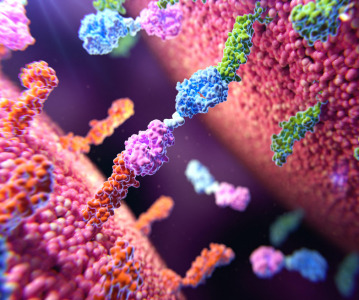
News Gilead Sciences acquires Ouro Medicines for over US$2 billion
Gilead Sciences confirms a deal to take over Ouro Medicines, adding to a portfolio of therapies for autoimmune diseases.
-
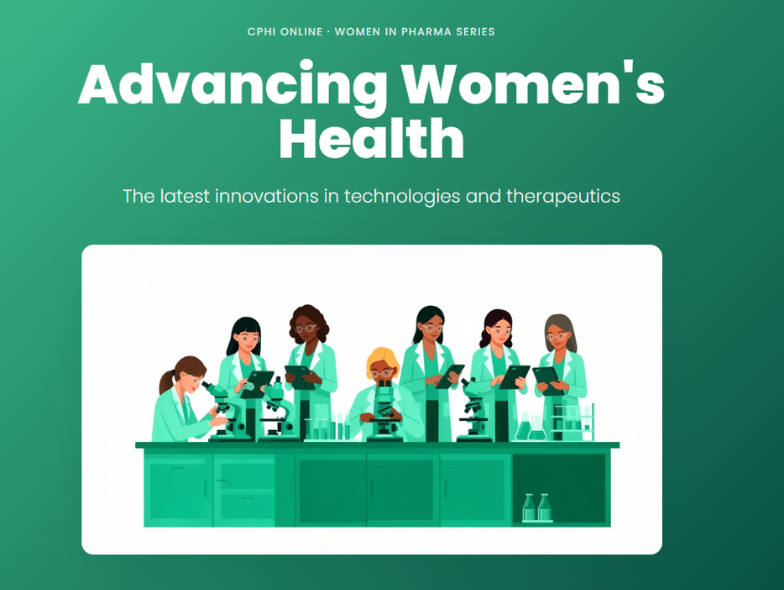
News Women in Pharma: Advancing Women's Health
Discover the latest innovations in technologies and therapeutics that are revolutionising women's health in our latest CPHI Online Women in Pharma infographic.
-

News CPHI Pharma Awards 2026: Recognising Excellence in an Evolving Industry
Submissions now open — deadline May 16
-
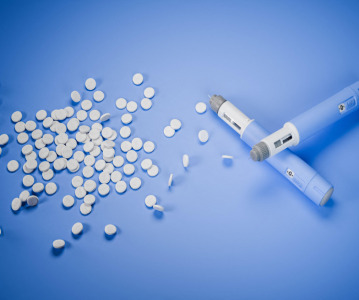
News Dr Reddy's to launch generic semaglutide in India
Dr Reddy’s Laboratories, one of India’s leading pharmaceutical companies, is preparing to launch a generic version of semaglutide, branded as Obeda, in March. Obeda is expected to provide a more affordable alternative to Ozempic a... -
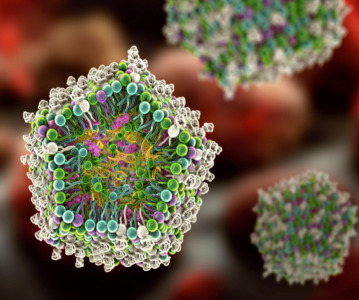
News Frontier Biotech and GSK Forge RNA Therapy Partnership
Frontier Biotechnologies and GSK have entered a global licensing agreement to advance small interfering RNA (siRNA) therapeutics. This collaboration grants GSK exclusive rights to develop and commercialise two promising siRNA candidates, marking a mile...