
Women in Pharma: A Place to Share Worries and Challenges - CPHI Women in CPHI Japan
.png)
CPHI Japan workshop: CPHI Women event
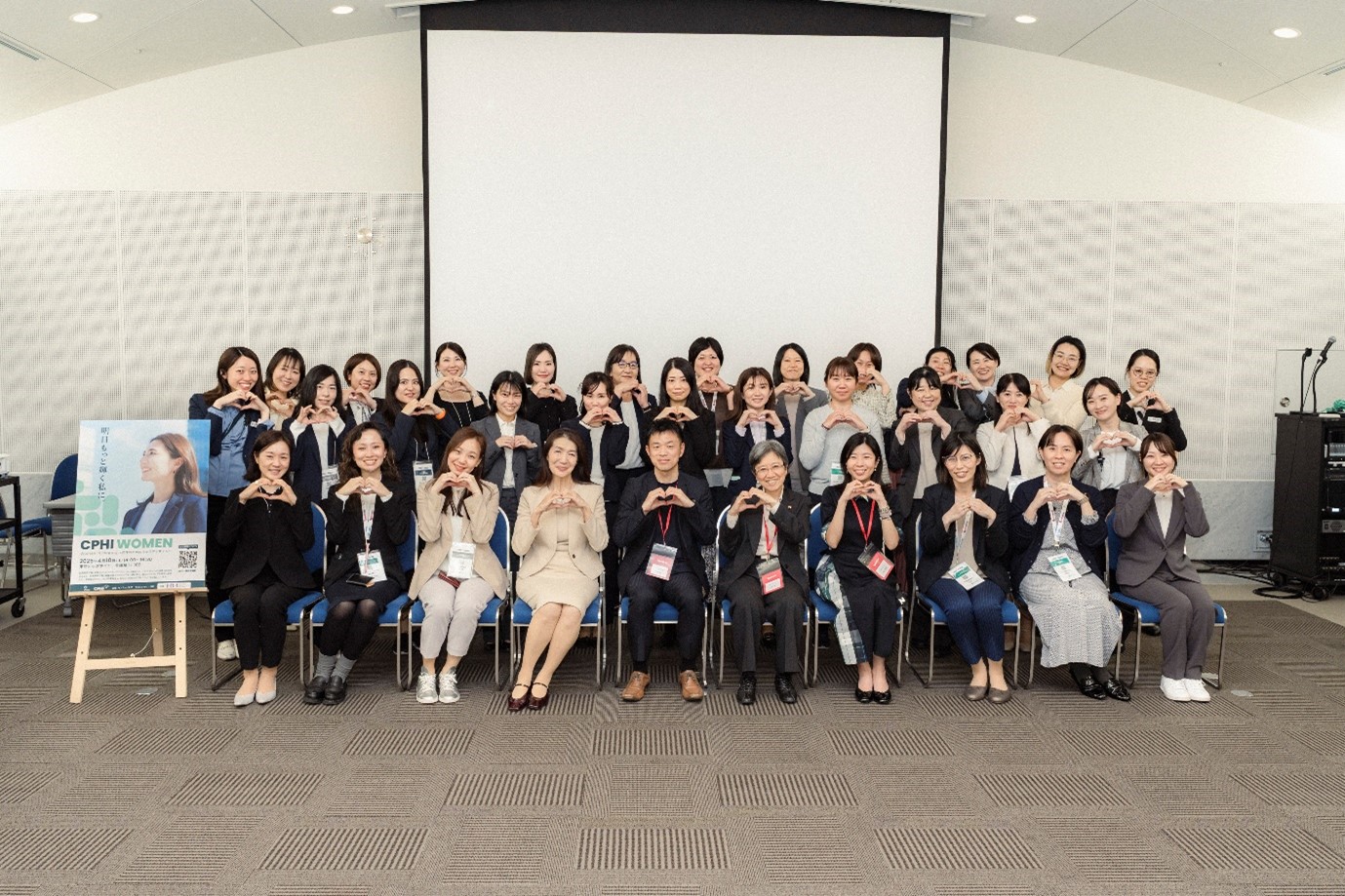
This year’s CPHI Women event was held on 10 April 2025 inside the CPHI Japan venue adjacent to Tokyo Big Sight. Now in its 9th edition, CPHI Women aims to foster networking opportunities for women working in the pharmaceutical industry in Japan.
The forum was structured into two sections. In Section 1, speakers with extensive experience in the pharmaceutical industry, along with human resources professionals, delivered lectures on the current state of the sector.
The opening panel discussion focused on ‘Women’s Participation in Pharmaceutical Companies and the Role of HR and Organizations in Supporting Them.’ The session was moderated by Ms Mashima, External Director at Payroll, with panelists Ms Asada from Takeda Pharmaceutical Co., Ltd. and Mr Watanabe from AstraZeneca K.K., both human resources professionals in the pharmaceutical industry.
The panellists began by offering their perspectives on the current state of efforts to promote women’s participation within the pharmaceutical industry in Japan. Although there has been a general decline in the number of managerial positions across the sector, the representation of women at the executive level is steadily increasing. The panellists expressed their aspirations to witness a corresponding rise in the number of women advancing into managerial roles in the years to come.
Examples of recent career paths for women demonstrated the strides made by the panellists, as well as giving case study advice on career progression and hiring practices. Watanabe emphasised the importance of developing clear career trajectories and highlighted his support for internal recruitment initiatives, which facilitate career transitions within the organisation. Meanwhile, Asada focused on the value of side jobs, noting that they offer not only opportunities to acquire knowledge and experience but also contribute valuable expertise that can ultimately benefit the company.
Regarding current initiatives, Asada emphasised the importance of managerial awareness of the various life stages experienced by female employees. She has advocated for the creation of a supportive working environment and culture that facilitates a smooth return to work following maternity or childcare leave — an approach she actively implements. Watanabe also commented on the introduction of a temporary childcare facility within the factory premises, aimed at supporting employees who were required to work on holidays due to unavoidable circumstances. This initiative was positively received by staff who had previously faced challenges securing childcare on non-working days.
In response to the final topic of Section 1, ‘Systems to be Introduced in the Future,’ the speakers first highlighted the importance of implementing diverse leave systems that reflect the needs of a varied workforce. They emphasised that the successful operation of such employee benefit schemes requires active input from those working on the ground. Additionally, suggestions were made to further strengthen support for women's participation in the workforce, as well as to enhance the range of services and financial assistance available through employee benefit programs.
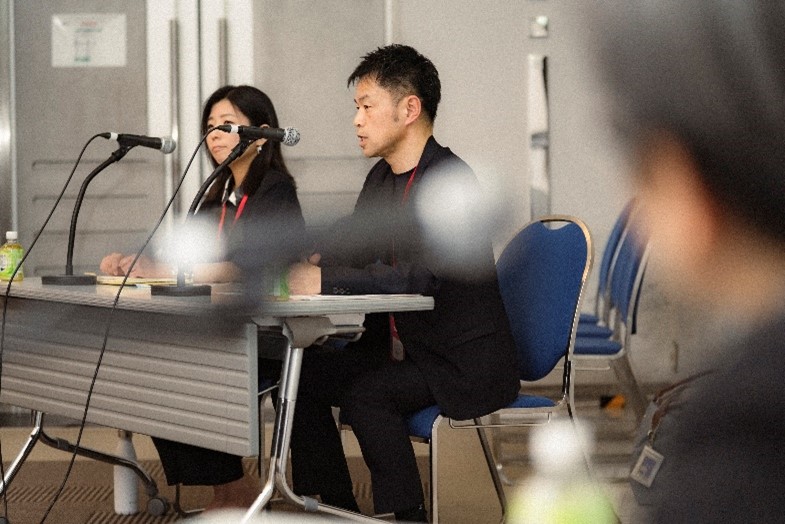 In Section 2, participants were divided into groups and engaged in discussions based on selected themes, exchanging views within each group.
One of the themes was ‘Challenges and Issues in Career Development.” A representative from Group 1 remarked, “After discussing the difficulties of balancing work and childcare, I felt a sense of relief and encouragement upon receiving empathy from others facing similar circumstances.”
The main challenge highlighted was the difficulty of finding personal time due to the demands of both work and housework. Some participants mentioned that, when working remotely, they struggled to clearly separate work from personal life, often resulting in doing core work duties during their own time. Furthermore, there were instances where communication between the HR department and on-site teams did not proceed smoothly. One participant shared that, after having children, she was transferred to a different department by HR as a form of consideration — a move that unfortunately worsened her situation.
Theme 2 was ‘Creating a More Supportive Work Environment – What I Practice.’ Group 4 shared that they encourage their superiors to be mindful of the different life stages women experience. Group 2 mentioned that they seek assistance from their parents with childcare when work commitments prevent them from being at home, and they also make an effort to involve their husbands as much as possible. Some also responded to changes in social trends. They mentioned that, in the past, after-work social gatherings were used as an opportunity for employees to communicate with one another. However, due to recent changes in compliance standards, they now organise and conduct orientation sessions of approximately one hour during working hours instead.
The 9th CPHI Women in Japan was a splendid event that brought together individuals from diverse backgrounds — including those working in pharmaceutical companies and the medical sector — to exchange ideas and insights. The CPHI Japan team sincerely hopes that this networking event continues for many years to come, and that the women we had the pleasure of meeting here go on to enjoy successful and fulfilling careers in the pharmaceutical industry.
Have a story to share about diversity, equity, and inclusion in pharma? Contact [email protected] to learn how you can contribute to our Women in Pharma series.
Related News
-
News Women in Pharma: CPHI India – India’s Pharmaceutical Industry and Gender Inclusion Challenges
India’s pharmaceutical industry has emerged as a significant player in the global market, valued at USD 50 billion in FY 2023-2024, according to Frost & Sullivan’s analysis. This sector encompasses a diverse portfolio, including drugs, vacc... -
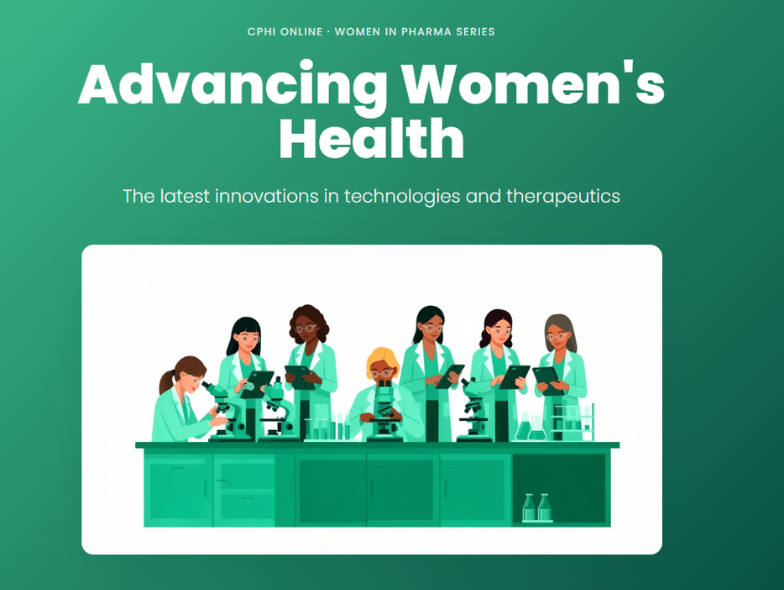
News Women in Pharma: Advancing Women's Health
Discover the latest innovations in technologies and therapeutics that are revolutionising women's health in our latest CPHI Online Women in Pharma infographic.
-

News Women in Pharma: Bridging Science, Strategy, and Equity in Chemicals and Pharma
Our monthly Women in Pharma series highlights the influential lives and work of impactful women working across the pharmaceutical industry, and how the industry can work towards making the healthcare industry and workplace more equitable and inclusive. -

News Women in Pharma: The Final Chapter of 2025
Our monthly Women in Pharma series highlights the influential lives and work of impactful women working across the pharmaceutical industry, and how the industry can work towards making the healthcare industry and workplace more equitable and ... -

News A Day in the Life of a Senior Director at Boehringer Ingelheim
In our Day in the Life of series we love getting to know the people at the heart of pharma. In this latest interview we speak to Sanobar Syed, Senior Director at Boehringer Ingelheim, about her career and what she feels is most important for the f... -

News Women in Pharma: Revolutionising menstrual care with medical devices
Our monthly Women in Pharma series highlights the influential lives and work of impactful women working across the pharmaceutical industry, and how the industry can work towards making the healthcare industry and workplace more equitable and inclusive. -

News Women in Pharma: Quality leadership, quality services
Our monthly Women in Pharma series highlights the influential lives and work of impactful women working across the pharmaceutical industry, and how the industry can work towards making the healthcare industry and workplace more equitable and inclusive. -
News CPHI Podcast Series: Achieving global health equity through innovation
In the latest episode Lucy Chard engages in a compelling conversation with Dr Lengwe Sinkala, a seasoned clinician and Human Factors and User Experience Consultant at ClariMed.