
Women in Pharma: Quality leadership, quality services

Our monthly Women in Pharma series highlights the influential lives and work of impactful women working across the pharmaceutical industry, and how the industry can work towards making the healthcare industry and workplace more equitable and inclusive.
This month features Dr Diane Black, Executive Vice President and Chief Quality Officer at Samsung Biologics, a leading contract development and manufacturing organisation (CDMO), offering end-to-end integrated services to support the full drug development journey. Diane shares her experience working in various roles at pharmaceutical companies and how she has been able to help build stronger teams and foster a culture of quality and inclusivity in an ever-evolving industry.
1. Please could you give us a brief overview of yourself and your background?
I am a biochemical engineer by training, also holding a PhD in biotechnology (large-scale monoclonal antibody production) and a Masters in drug development. I have been working in the biopharmaceutical industry for over 30 years, in Australia, the UK, Switzerland, and most recently South Korea. As well as almost 20 years in quality management, I have held senior-level roles in R&D, operations, and supply chain. On the personal side, I am also the mother of four beautiful (now adult) children.
2. What do you consider your most significant achievement in your previous quality leadership roles?
I always consider my most significant achievements to be those around developing people. I am particularly proud to see people in my team develop and achieve their career goals. On the technical quality side, one of my proudest achievements was being able to negotiate the various regulatory and quality hurdles to ensure supply of a life-saving treatment to assist the humanitarian efforts in Banda Aceh after the 2004 Indian Ocean tsunami. It was a reminder of the industry’s broader responsibility to patients and communities – a principle that continues to guide my work at Samsung Biologics, where quality and patient focus are at the heart of our operations.
3. Could you share your approach to managing quality-related risk in complex biologics manufacturing processes, while also uplifting your team?
My approach centres on fostering open collaboration and building a culture of trust. People need to feel confident to speak up about potential risks and issues, so we can address them collectively and without hesitation. At Samsung Biologics, this is reinforced through structured risk assessment processes, data-driven decision-making, and robust training programs that empower teams to act decisively. Recognising achievements, even small wins, helps sustain engagement and reinforces a culture of shared responsibility for delivering the highest quality products for our clients and, ultimately, for patients.
4. What strategies have you found effective for fostering a quality-focused culture throughout an organisation? What about for an inclusive culture?
Open communication is essential in developing a strong quality culture – people need to know what is happening around them and how that may affect their individual areas. This transparency promotes a sense of inclusion, as it helps everyone feel involved and valued.
I am also a strong advocate of ensuring people understand why we do certain things and not just what they need to do. Simon Sinek’s TED Talk 'Start with Why' is a favourite of mine. Setting clear directions and empowering staff to build confidence in their decision-making are also crucial in sustaining both quality and inclusivity, and align closely with Samsung Biologics’ commitment to people excellence.
5. What innovations or technologies do you believe will have the greatest impact on quality assurance in biologics manufacturing over the next decade?
The application of AI clearly holds a lot of potential in the next few years, in terms of simplifying operations and reducing the potential for human error during manufacture or testing. However, in the short term, regulations limit the extent to which we can make the most of its full capability. I expect we will see continued integration of other digital technologies and automation. At Samsung Biologics, we are actively investing in advanced technologies and digital systems to strengthen data integrity, drive continuous improvement, and proactively manage risk – all of which are essential to ensuring consistent, high-quality outcomes for our clients.
6. If you have one piece of advice to Future Women Leaders of Pharma, what would you say?
My advice would be to embrace continuous learning, whether through formal education or stretch assignments. Sometimes you need to take risks and be prepared to fail. Building strong networks is also important, along with developing leadership skills. Above all, be yourself and believe in your abilities.
Have a story to share about diversity, equity, and inclusion in pharma? Contact [email protected] to learn how you can contribute to our Women in Pharma series.
Related News
-

News Swiss pharma industry warns US tariffs could harm global patient care
The Swiss pharmaceutical sector has raised alarms over new US tariffs on medicines, warning of disrupted supply chains, increased costs, and delayed innovation, all of which could jeopardise patient access to essential treatments worldwide.
-
News Women in Pharma: CPHI India – India’s Pharmaceutical Industry and Gender Inclusion Challenges
India’s pharmaceutical industry has emerged as a significant player in the global market, valued at USD 50 billion in FY 2023-2024, according to Frost & Sullivan’s analysis. This sector encompasses a diverse portfolio, including drugs, vacc... -
News Biogen acquires Apellis Pharmaceuticals to boost immunology and rare disease profile
Biogen Inc. has announced its acquisition of Apellis Pharmaceuticals, Inc., a move that is set to significantly enhance its growth portfolio in immunology and rare diseases. The agreement, valued at approximately US$5.6 billion, will see Biogen purchas... -

News Gilead Sciences acquires Ouro Medicines for over US$2 billion
Gilead Sciences confirms a deal to take over Ouro Medicines, adding to a portfolio of therapies for autoimmune diseases.
-
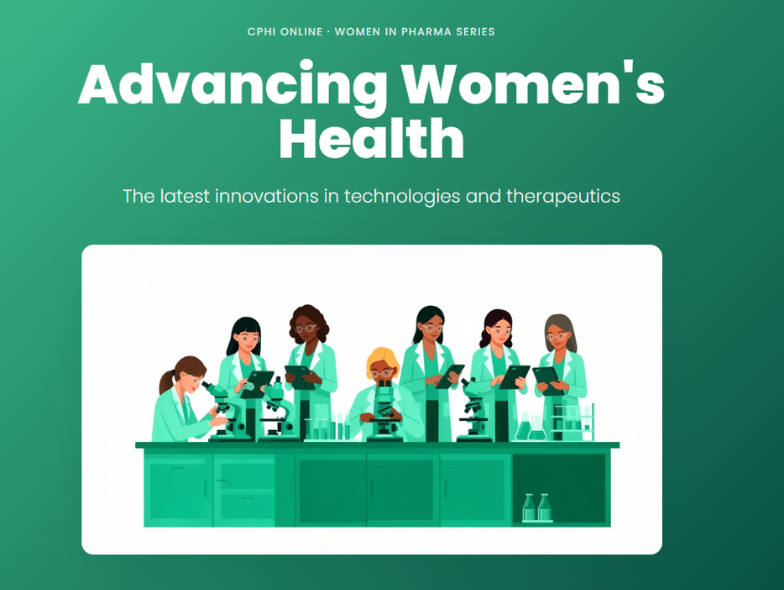
News Women in Pharma: Advancing Women's Health
Discover the latest innovations in technologies and therapeutics that are revolutionising women's health in our latest CPHI Online Women in Pharma infographic.
-

News CPHI Pharma Awards 2026: Recognising Excellence in an Evolving Industry
Submissions now open — deadline May 16
-

News Dr Reddy's to launch generic semaglutide in India
Dr Reddy’s Laboratories, one of India’s leading pharmaceutical companies, is preparing to launch a generic version of semaglutide, branded as Obeda, in March. Obeda is expected to provide a more affordable alternative to Ozempic a... -
News Frontier Biotech and GSK Forge RNA Therapy Partnership
Frontier Biotechnologies and GSK have entered a global licensing agreement to advance small interfering RNA (siRNA) therapeutics. This collaboration grants GSK exclusive rights to develop and commercialise two promising siRNA candidates, marking a mile...