
From Pharma to Table? Direct-to-consumer pharma sales and price cuts ramp up in US
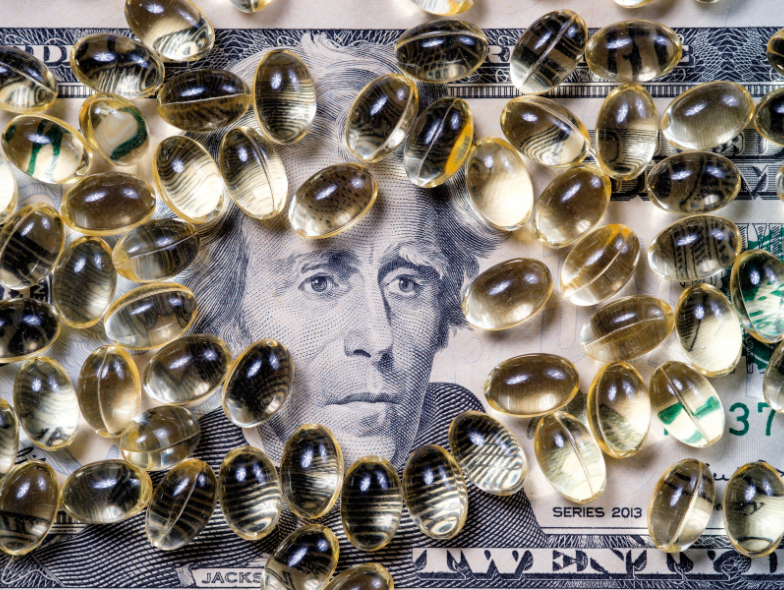
The pharmaceutical industry is witnessing a seismic shift as major companies embrace direct-to-consumer sales models and announce significant price reductions across the United States, responding to mounting pressure from the Trump administration to tackle soaring drug costs and eliminate intermediary markups.
This transformation represents one of the most substantial changes to the American pharmaceutical distribution landscape in decades, with industry giants including Pfizer, AstraZeneca, Eli Lilly, Novo Nordisk, Bristol-Myers Squibb, and Amgen all launching direct-to-consumer programmes that bypass traditional pharmacy benefit managers (PBMs) and insurance intermediaries. The movement gained momentum following President Trump's directive in July, when he sent letters to 17 pharmaceutical companies urging them to implement specific cost-cutting measures, including direct-to-consumer sales models, with responses required by 29th September.
The centrepiece of this initiative is the forthcoming TrumpRx.gov platform, expected to launch in 2026, which will serve as a government-facilitated portal connecting patients directly with pharmaceutical manufacturers' discounted offerings. Pfizer became the first major pharmaceutical company to strike a formal agreement with the Trump administration in September, committing to a US$70 billion investment in American drug manufacturing and research while offering medicines through the new platform. AstraZeneca quickly followed suit in October, announcing a similar US$50 billion investment commitment alongside its participation in the direct-to-consumer initiative.
The financial implications for patients are substantial. Bristol-Myers Squibb has announced price cuts for eligible American patients purchasing blood clot treatment Eliquis and plaque psoriasis drug Sotyktu, with the latter being offered at a discount of over 80% from the list price. Eli Lilly has been shipping the two highest doses of its popular weight-loss drug Zepbound directly to cash-paying customers through its website since August, whilst Novo Nordisk has expanded its direct-to-consumer offerings for diabetes and obesity treatments.
These programmes typically feature heavily discounted cash prices, free shipping, and streamlined access without the traditional barriers of prior authorisation, claims denials, or restrictive pharmacy networks that characterise the current system. The move directly challenges the dominance of pharmacy benefit managers, with the three largest firms – Caremark, Express Scripts, and OptumRx – currently processing roughly 80% of all American prescription claims and wielding considerable influence over drug pricing and access.
The pharmaceutical industry's embrace of direct-to-consumer sales comes amid broader policy pressures, including President Trump's announcement of 100% tariffs on imported branded drugs beginning 1st October, though manufacturers can avoid these tariffs by establishing manufacturing facilities in the United States. This policy framework is designed to incentivise domestic pharmaceutical production whilst simultaneously reducing costs for American patients.
The Pharmaceutical Research and Manufacturers of America has announced plans to launch a comprehensive direct-to-consumer website called "America's Medicines" in January 2026, which will allow manufacturers to list medicines available for direct purchase and include a ‘Medicine Assistance Tool’ to help patients navigate available programmes. This industry-wide platform represents a coordinated effort to transform how Americans access prescription medications.
However, the long-term implications of this shift remain complex. While direct-to-consumer sales promise greater price transparency and reduced costs for cash-paying patients, questions persist about the impact on patients with comprehensive insurance coverage, who may find their existing copayment structures more economical than direct-purchase options. Additionally, the move represents a fundamental restructuring of pharmaceutical distribution channels that have operated largely unchanged for decades.
The success of these initiatives will likely depend on patient adoption rates, the breadth of medications offered through direct-to-consumer channels, and the pharmaceutical industry's ability to maintain competitive pricing while preserving research and development investments. As more companies join this movement, the American pharmaceutical landscape appears poised for its most significant transformation in a generation, potentially serving as a model for other markets grappling with similar drug pricing challenges.
This development signals a broader shift towards disintermediation in healthcare, where traditional middlemen are being bypassed in favour of direct relationships between manufacturers and patients, fundamentally altering the economics of pharmaceutical distribution and potentially reshaping global approaches to drug pricing and access.
Source:
Pharma companies announce direct-to-consumer sales and price cuts in US [Accessed October 13, 2025] https://economictimes.indiatimes.com/news/international/business/pharma-companies-announce-direct-to-consumer-sales-and-price-cuts-in-us/articleshow/124521457.cms?from=mdr
Related News
-
News Swiss pharma industry warns US tariffs could harm global patient care
The Swiss pharmaceutical sector has raised alarms over new US tariffs on medicines, warning of disrupted supply chains, increased costs, and delayed innovation, all of which could jeopardise patient access to essential treatments worldwide.
-
News Women in Pharma: CPHI India – India’s Pharmaceutical Industry and Gender Inclusion Challenges
India’s pharmaceutical industry has emerged as a significant player in the global market, valued at USD 50 billion in FY 2023-2024, according to Frost & Sullivan’s analysis. This sector encompasses a diverse portfolio, including drugs, vacc... -
News Biogen acquires Apellis Pharmaceuticals to boost immunology and rare disease profile
Biogen Inc. has announced its acquisition of Apellis Pharmaceuticals, Inc., a move that is set to significantly enhance its growth portfolio in immunology and rare diseases. The agreement, valued at approximately US$5.6 billion, will see Biogen purchas... -

News Gilead Sciences acquires Ouro Medicines for over US$2 billion
Gilead Sciences confirms a deal to take over Ouro Medicines, adding to a portfolio of therapies for autoimmune diseases.
-
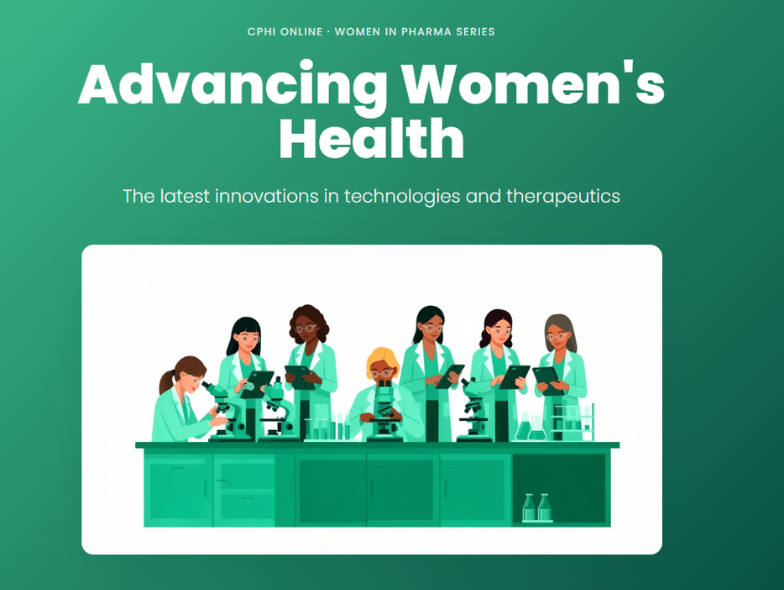
News Women in Pharma: Advancing Women's Health
Discover the latest innovations in technologies and therapeutics that are revolutionising women's health in our latest CPHI Online Women in Pharma infographic.
-

News CPHI Pharma Awards 2026: Recognising Excellence in an Evolving Industry
Submissions now open — deadline May 16
-
News Dr Reddy's to launch generic semaglutide in India
Dr Reddy’s Laboratories, one of India’s leading pharmaceutical companies, is preparing to launch a generic version of semaglutide, branded as Obeda, in March. Obeda is expected to provide a more affordable alternative to Ozempic a... -
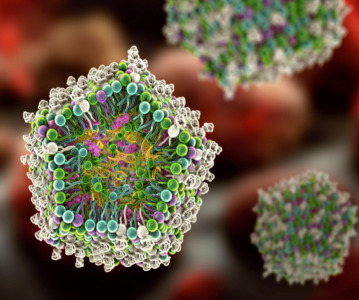
News Frontier Biotech and GSK Forge RNA Therapy Partnership
Frontier Biotechnologies and GSK have entered a global licensing agreement to advance small interfering RNA (siRNA) therapeutics. This collaboration grants GSK exclusive rights to develop and commercialise two promising siRNA candidates, marking a mile...