
2022 — a turning point for US biosimilars?
Cardinal Health says the majority of healthcare providers are keen to use biosimilars despite current market challenges
2022 has been tipped a watershed year for biosimilars in the US by Cardinal Health, who has today published its first biosimilars report, which combines industry data on biosimilar use and payer coverage with survey data from healthcare providers, and views from leading physicians and experts on biosimilars.
The publication, 2022 Biosimilars Report: The US Journey and Path Ahead, not only provides insights on where biosimilar adoption currently stands, it also predicts what the industry can expect in 2022 and beyond as biosimilars come to market in key disease categories such as diabetes and immunology. In addition, the report highlights the pipeline of biosimilars expected to launch in the US during the period 2022–2029.
Key findings, which are based on "robust" data also included in the report, reveal that although biosimilar market challenges remain, the majority of healthcare providers are keen to use biosimilars to widen patient access and to drive more affordable care for their patients.
Throughout 2020 and 2021, Cardinal Health conducted biosimilar surveys with more than 320 oncologists, 100 rheumatologists, 100 retina specialists, 50 endocrinologists and primary care physicians treating diabetes, and 115 retail pharmacists.
The research includes results from a new insulin biosimilar survey with retail pharmacists showing that only about 40% feel very prepared to discuss biosimilars with patients, yet three-quarters of surveyed physicians and pharmacists agreed that insulin biosimilars will lower the cost of diabetes care.
The same survey also shows that only 20% of retain pharmacists say they are very familiar with the FDA's interchangeability designation, which enables them to substitute insulin biosimilars in place of reference biologics, indicating a significant need for further education among pharmacists.
Furthermore, the number of biologics facing biosimilar competition is expected to double by 2025, which is positive news for patients.
Related News
-
News Swiss pharma industry warns US tariffs could harm global patient care
The Swiss pharmaceutical sector has raised alarms over new US tariffs on medicines, warning of disrupted supply chains, increased costs, and delayed innovation, all of which could jeopardise patient access to essential treatments worldwide.
-
News Women in Pharma: CPHI India – India’s Pharmaceutical Industry and Gender Inclusion Challenges
India’s pharmaceutical industry has emerged as a significant player in the global market, valued at USD 50 billion in FY 2023-2024, according to Frost & Sullivan’s analysis. This sector encompasses a diverse portfolio, including drugs, vacc... -
News Biogen acquires Apellis Pharmaceuticals to boost immunology and rare disease profile
Biogen Inc. has announced its acquisition of Apellis Pharmaceuticals, Inc., a move that is set to significantly enhance its growth portfolio in immunology and rare diseases. The agreement, valued at approximately US$5.6 billion, will see Biogen purchas... -
News Gilead Sciences acquires Ouro Medicines for over US$2 billion
Gilead Sciences confirms a deal to take over Ouro Medicines, adding to a portfolio of therapies for autoimmune diseases.
-
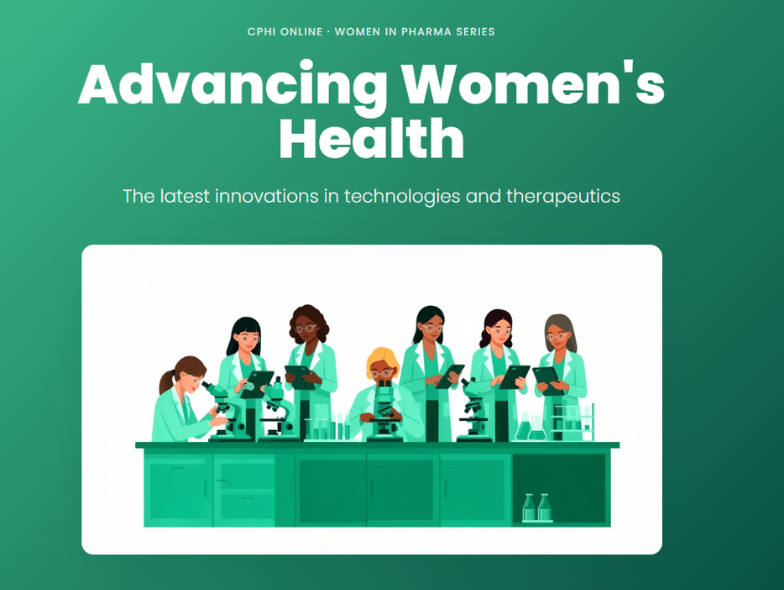
News Women in Pharma: Advancing Women's Health
Discover the latest innovations in technologies and therapeutics that are revolutionising women's health in our latest CPHI Online Women in Pharma infographic.
-
News CPHI Pharma Awards 2026: Recognising Excellence in an Evolving Industry
Submissions now open — deadline May 16
-
News Dr Reddy's to launch generic semaglutide in India
Dr Reddy’s Laboratories, one of India’s leading pharmaceutical companies, is preparing to launch a generic version of semaglutide, branded as Obeda, in March. Obeda is expected to provide a more affordable alternative to Ozempic a... -
News Frontier Biotech and GSK Forge RNA Therapy Partnership
Frontier Biotechnologies and GSK have entered a global licensing agreement to advance small interfering RNA (siRNA) therapeutics. This collaboration grants GSK exclusive rights to develop and commercialise two promising siRNA candidates, marking a mile...