
A mRNA universal flu vaccine is in early stages of development
.png)
Researchers from the University of Pennsylvania have developed a universal flu vaccine using nanoparticle encapsulated mRNA.
A universal flu vaccine has long been considered the El Dorado of vaccines, and with the recent COVID-19 pandemic giving rise to the expedited development of numerous vaccines, this has never seemed more within reach.
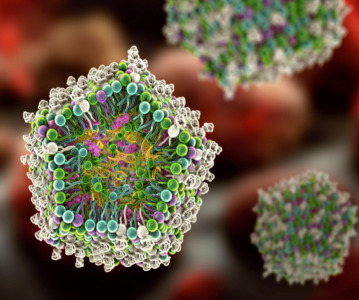
Claudia Arevalo from the University of Pennsylvania, PA, USA, and colleagues have produced a mRNA lipid nanoparticle vaccine, which could be used as the basis for such a universal vaccine. The vaccine contains antigens from 20 subtypes of influenza A and B viruses, in other words, all known strains of the virus.
When tested in animals the vaccine triggered the production of cross-reactive and subtype-specific antibodies and protected against symptoms and death after infection. This result was seen after infection with strains of the virus with both matched and mismatched antigens.
Previous attempts at a universal vaccine have contained antigens for each particular subtype, but with Arevalo’s vaccine a smaller number of antigens are used, which are specific to multiple strains, therefore still protecting against all known forms of the viruses.
During the COVID-19 pandemic, Pfizer and BioNTech and Moderna made breakthroughs in using mRNA to develop effective vaccines against SARS-CoV-2. This step forward in technology, proven to be safe and effective, has led to increased research into the use of mRNA.
Arevalo’s team decided to build on this success and combine it with nanotechnology to develop 20 different mRNAs encapsulated in nanoparticles. Each particle encoded for a different hemagglutinin antigen, which helps the virus enter cells.
In mice, antibody levels remained stable for up to 4 months post vaccination. The results, published in Science, were more promising than shown by previous types of multivalent vaccines.
Questions regarding the probability of a vaccine that contains antibodies to virus strains that have not yet been seen in circulation in humans obtaining approval are valid, spurring further discussions surrounding how we approach protecting against viruses of pandemic potential in the future.
Related News
-

News Swiss pharma industry warns US tariffs could harm global patient care
The Swiss pharmaceutical sector has raised alarms over new US tariffs on medicines, warning of disrupted supply chains, increased costs, and delayed innovation, all of which could jeopardise patient access to essential treatments worldwide.
-

News Women in Pharma: CPHI India – India’s Pharmaceutical Industry and Gender Inclusion Challenges
India’s pharmaceutical industry has emerged as a significant player in the global market, valued at USD 50 billion in FY 2023-2024, according to Frost & Sullivan’s analysis. This sector encompasses a diverse portfolio, including drugs, vacc... -

News Biogen acquires Apellis Pharmaceuticals to boost immunology and rare disease profile
Biogen Inc. has announced its acquisition of Apellis Pharmaceuticals, Inc., a move that is set to significantly enhance its growth portfolio in immunology and rare diseases. The agreement, valued at approximately US$5.6 billion, will see Biogen purchas... -

News Gilead Sciences acquires Ouro Medicines for over US$2 billion
Gilead Sciences confirms a deal to take over Ouro Medicines, adding to a portfolio of therapies for autoimmune diseases.
-

News Women in Pharma: Advancing Women's Health
Discover the latest innovations in technologies and therapeutics that are revolutionising women's health in our latest CPHI Online Women in Pharma infographic.
-

News CPHI Pharma Awards 2026: Recognising Excellence in an Evolving Industry
Submissions now open — deadline May 16
-

News Dr Reddy's to launch generic semaglutide in India
Dr Reddy’s Laboratories, one of India’s leading pharmaceutical companies, is preparing to launch a generic version of semaglutide, branded as Obeda, in March. Obeda is expected to provide a more affordable alternative to Ozempic a... -
News Frontier Biotech and GSK Forge RNA Therapy Partnership
Frontier Biotechnologies and GSK have entered a global licensing agreement to advance small interfering RNA (siRNA) therapeutics. This collaboration grants GSK exclusive rights to develop and commercialise two promising siRNA candidates, marking a mile...