
Africa’s first COVID-19 vaccine plant receives no orders since launch
.jpg)
The first COVID-19 vaccine plant in Africa is at risk of closure due to lack of demand.
South Africa-based Aspen Pharmacare, who operates the plant, struck a licensing deal to package and sell Johnson & Johnson's COVID-19 vaccine at the end of 2021, with plans to distribute the vaccine around Africa under the name Aspenovax.
However, an Aspen executive confirmed to journalists last week that no orders for Aspenovax have been received, throwing future production into question.
Aspen senior director Stavros Nicolaou told Reuters: ‘If we don't get any kind of vaccine orders, then clearly there'll be very little rationale for retaining the lines that we're currently using for production’.
The issue was first highlighted at a press briefing on April 14, where Africa CDC Director John Nkengasong told journalists that countries are not ordering the vaccine. He added that if this situation continues ‘the risk is very, very high that the company [Aspen] may actually stop producing the J&J COVID vaccines’.
He noted that countries are reluctant to pay for Aspen's vaccine doses because supply issues have eased in 2022 and hundreds of millions of free doses are now widely available.
The launch of Aspen’s vaccine was originally hailed as a ‘transformative moment’ by the World Health Organization (WHO), who said it would help to address inequality in vaccine access.
Negotiations between Johnson & Johnson, Aspen and the African Vaccine Acquisition Trust began in November 2021 and a deal for 400 million doses was agreed in March. Speaking when the deal was announced, Strive Masiyiwa, African Union special envoy on COVID-19, said: ‘It gets us one step closer to securing Africa's future vaccine production and ensures that the gross vaccine inequality we witnessed in the early part of the pandemic is not repeated’.
Although supply has increased significantly this year, Africa has struggled to bring up its vaccination rate- citing issues with cold chain storage, lack of skilled staff and vaccine hesitancy.
According to Africa’s CDC, just under 16% of the population have received two vaccine doses and 1.33% have received the booster. Just 66% of Africa’s vaccine supply has been used so far.
Ramp-up in local vaccine production
Earlier this year, the African Union announced the goal of producing 60% of all vaccines administered in Africa locally by 2040, up from the current 1%. Several plants are being set up to meet this goal.
In March, Moderna announced that it signed a Memorandum of Understanding with Kenya’s government for its first mRNA manufacturing facility in Africa. It stated that it would produce up to 500 million vaccine doses a year for the continent.
BioNTech is also setting up modular mRNA manufacturing facilities in Senegal, Rwanda, and South Africa, while production of the Sinovac COVID-19 vaccine is already underway in Egypt.
After Aspen reported the lack of demand for its vaccine, some public health analysts have raised concerns over the future success of other, similar initiatives.
Aspen senior director Stavros Nicolaou said: ‘If Aspen doesn't get production, what chance is there for any of the other initiatives?’
Related News
-
News Swiss pharma industry warns US tariffs could harm global patient care
The Swiss pharmaceutical sector has raised alarms over new US tariffs on medicines, warning of disrupted supply chains, increased costs, and delayed innovation, all of which could jeopardise patient access to essential treatments worldwide.
-
News Women in Pharma: CPHI India – India’s Pharmaceutical Industry and Gender Inclusion Challenges
India’s pharmaceutical industry has emerged as a significant player in the global market, valued at USD 50 billion in FY 2023-2024, according to Frost & Sullivan’s analysis. This sector encompasses a diverse portfolio, including drugs, vacc... -
News Biogen acquires Apellis Pharmaceuticals to boost immunology and rare disease profile
Biogen Inc. has announced its acquisition of Apellis Pharmaceuticals, Inc., a move that is set to significantly enhance its growth portfolio in immunology and rare diseases. The agreement, valued at approximately US$5.6 billion, will see Biogen purchas... -

News Gilead Sciences acquires Ouro Medicines for over US$2 billion
Gilead Sciences confirms a deal to take over Ouro Medicines, adding to a portfolio of therapies for autoimmune diseases.
-
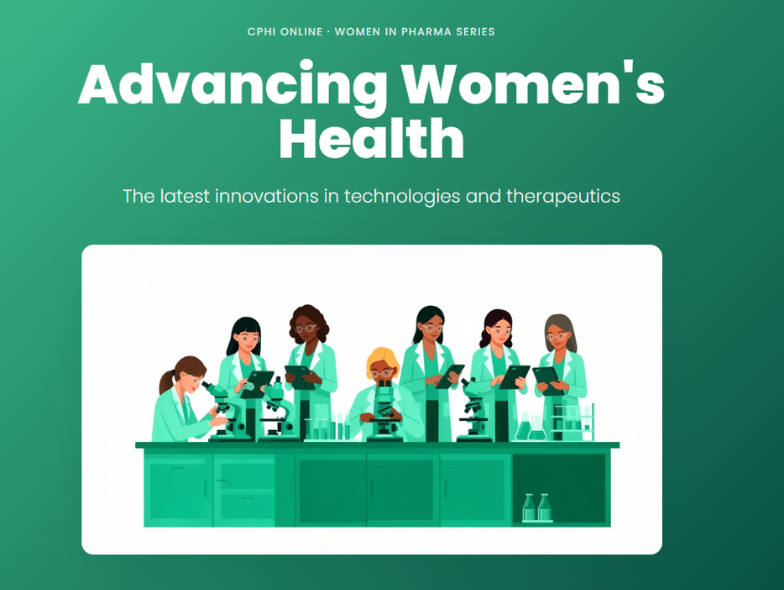
News Women in Pharma: Advancing Women's Health
Discover the latest innovations in technologies and therapeutics that are revolutionising women's health in our latest CPHI Online Women in Pharma infographic.
-

News CPHI Pharma Awards 2026: Recognising Excellence in an Evolving Industry
Submissions now open — deadline May 16
-
News Dr Reddy's to launch generic semaglutide in India
Dr Reddy’s Laboratories, one of India’s leading pharmaceutical companies, is preparing to launch a generic version of semaglutide, branded as Obeda, in March. Obeda is expected to provide a more affordable alternative to Ozempic a... -
News Frontier Biotech and GSK Forge RNA Therapy Partnership
Frontier Biotechnologies and GSK have entered a global licensing agreement to advance small interfering RNA (siRNA) therapeutics. This collaboration grants GSK exclusive rights to develop and commercialise two promising siRNA candidates, marking a mile...