
Apogenix presents data on novel Hexavalent TNF receptor agonists

Agonists for GIT, CD27 and CD40 receptors in development for cancer immunotherapy exhibit significant in vitro- and in vivo activities.
Apogenix has announced that comprehensive data on its novel HERA drug candidates will be presented at the upcoming American Society for Cancer Research (AACR) being held April 1-5 in Washington, DC, USA. The results of immunomodulatory in vitro and in vivo studies on hexavalent GIT, CD27 and CD40 receptor agonists will be presented in one oral and two poster presentations.
The GIT receptor (GITR) plays an important role in initiating the immune response in the lymph nodes and in maintaining the immune response in the tumour tissue. The in vitro and in vivo properties of HERA-GITR ligands were studied in primary immune cells and different mouse models. HERA-GITR-ligands demonstrated excellent in vivo stability. Their ability to enhance proliferation and activation of naïve CD4+ and CD8+ T cells and to induce memory formation render them as attractive candidates for immunotherapeutic treatments of cancer.
CD27L is a potent co-stimulatory molecule that drives T cell activation and survival through binding to its receptor (CD27). This interaction can be exploited to improve an anti-tumor immune response. Binding of HERA-CD27-ligand to CD27 triggered a strong T cell expansion in vitro and in vivo. In two mouse tumour models treatment with HERA-CD27-ligand led to a dose-dependent inhibition of tumour growth and stimulated enhanced memory formation in both CD4+ and CD8+ T cells. With their potent immune cell-driven anti-tumour efficacy, HERA-CD27-ligands represent suitable candidates for further preclinical and clinical development for cancer therapy.
In the humoral immune system, the CD40 receptor plays a central role in the activation and maturation of B lymphocytes. HERA-CD40L could activate the CD40 signaling cascade in B cells and monocytes, thereby triggering direct cytolytic activation and proliferation of CD4+ T cells as well as macrophage differentiation. Unlike bivalent CD40 antibodies or trivalent CD40L-based agonists, the hexavalent HERA-CD40L forms highly clustered signaling complexes with superior biological activity and without the need for Fc-receptor-mediated crosslinking. Our data demonstrate that HERA-CD40L is a novel candidate for cancer immunotherapy with exceptional features.
Related News
-
News GSK announces £400 million investment in new Cambridge R&D centre
Pharmaceutical giant to establish flagship research facility on Cambridge Biomedical Campus as part of strategic pipeline acceleration
-

News Understanding the Benefits and Advances of Cleanroom Technology
In an industry where precision and sterility are crucial concerns, cleanrooms play a vital role in maintaining the integrity of pharmaceutical products like drugs, vaccines, and other medical products. So, what is a cleanroom?
-

News AbbVie secures GBP£1.2 billion deal for Gilgamesh’s psychedelic programme
AbbVie has penned a significant agreement to acquire the bretisilocin programme from Gilgamesh Pharmaceuticals for up to £1.2 billion, marking a bold step in the pharmaceutical giant's quest to develop treatments for psychiatric disorders. -

News Gates Foundation commits US$2.5 billion to women’s health research
The Bill & Melinda Gates Foundation has announced a substantial US$2.5 billion commitment to accelerate research and development focused exclusively on women's health through 2030.
-

News Mid-year review: notable FDA drug approvals of 2025
As we fly past the halfway point of 2025, the pharmaceutical landscape reliably continues to evolve with innovative therapies addressing critical medical needs. The FDA has already approved 17 groundbreaking medications this year, each representin... -

News US FDA announces new priority vouchers for accelerated review times
The US FDA announced a new priority program for drug developers – the Commissioner’s National Priority Voucher (CNPV) program aims to enhance the health interests of the US by allowing drug developers to redeem a voucher, shortening th... -
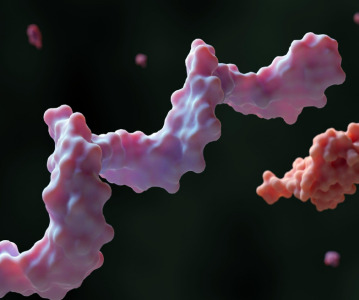
News Google-backed start-up raises US$600 million to support AI drug discovery and design
London-based Isomorphic Labs, an AI-driven drug design and development start-up backed by Google’s AI research lab DeepMind, has raised US$600 million in its first external funding round by Thrive Capital. The funding will provide further power t... -
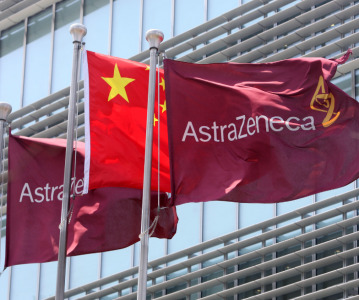
News AstraZeneca to invest US$2.5 billion in Beijing R&D centre
Amid investigations of former AstraZeneca China head Leon Wang in 2024, AstraZeneca have outlined plans to establish its sixth global strategic R&D centre in China. Their aim is to further advance life sciences in China with major research and manufact...