
AZ and Oxford COVID-19 vaccine brings end of pandemic a little closer
.png)
AstraZeneca's production and manufacturing facility. (Source: AstraZeneca)
AZD1222 is 90% effective, cheap to produce and easy to store, distribute and administer
After the last two weeks of positive trial results for COVID-19 vaccine candidates from Pfizer/BioNTech and Moderna, Monday proved to be the turn of the University of Oxford and AstraZeneca.
Positive high-level results from early Phase III clinical trials of AZD1222 in 24,000 volunteers in the UK and Brazil indicate the candidate vaccine was highly effective in preventing COVID-19.
Encouragingly, no hospitalisations or severe cases of the disease were reported in participants receiving the vaccine.
One dosing regimen showed vaccine efficacy of 90% when AZD1222 was given as a half dose, followed by a full dose at least one month apart. Another dosing regimen showed 62% efficacy when given as two full doses at least one month apart. The combined analysis from both dosing regimens resulted in an efficacy of 70.4%.
Data also suggest that this half dose and full dose regime could help to prevent transmission of the virus, evidenced by lower rates of asymptomatic infection in the vaccinees, with further information to become available when trial data are next evaluated.
An independent Data Safety Monitoring Board determined that the analysis met its primary endpoint showing protection from COVID-19 occurring 14 days or more after receiving two doses of the vaccine.
Setting this COVID-19 vaccine apart from the Pfizer/BioNTech and Moderna candidates is that it can be easily administered in existing healthcare systems, stored at fridge temperature (2–8 °C) for at least 6 months and distributed using existing logistics.
The vaccine, which was co-invented by the University of Oxford and its spin-out company Vaccitech, uses a replication-deficient chimpanzee viral vector based on a weakened version of a common cold virus (adenovirus) that causes infections in chimpanzees and contains the genetic material of the SARS-CoV-2 virus spike protein. After vaccination, the surface spike protein is produced, priming the immune system to attack the SARS-CoV-2 virus if it later infects the body.
Professor Andrew Pollard, Director of the Oxford Vaccine Group and Chief Investigator of the Oxford Vaccine Trial, said: "These findings show that we have an effective vaccine that will save many lives. Excitingly, we’ve found that one of our dosing regimens may be around 90% effective and if this dosing regime is used, more people could be vaccinated with planned vaccine supply."
AstraZeneca is making rapid progress in manufacturing with a capacity of up to 3 billion doses of the vaccine in 2021 on a rolling basis, pending regulatory approval.
Related News
-

News Swiss pharma industry warns US tariffs could harm global patient care
The Swiss pharmaceutical sector has raised alarms over new US tariffs on medicines, warning of disrupted supply chains, increased costs, and delayed innovation, all of which could jeopardise patient access to essential treatments worldwide.
-

News Women in Pharma: CPHI India – India’s Pharmaceutical Industry and Gender Inclusion Challenges
India’s pharmaceutical industry has emerged as a significant player in the global market, valued at USD 50 billion in FY 2023-2024, according to Frost & Sullivan’s analysis. This sector encompasses a diverse portfolio, including drugs, vacc... -

News Biogen acquires Apellis Pharmaceuticals to boost immunology and rare disease profile
Biogen Inc. has announced its acquisition of Apellis Pharmaceuticals, Inc., a move that is set to significantly enhance its growth portfolio in immunology and rare diseases. The agreement, valued at approximately US$5.6 billion, will see Biogen purchas... -

News Gilead Sciences acquires Ouro Medicines for over US$2 billion
Gilead Sciences confirms a deal to take over Ouro Medicines, adding to a portfolio of therapies for autoimmune diseases.
-
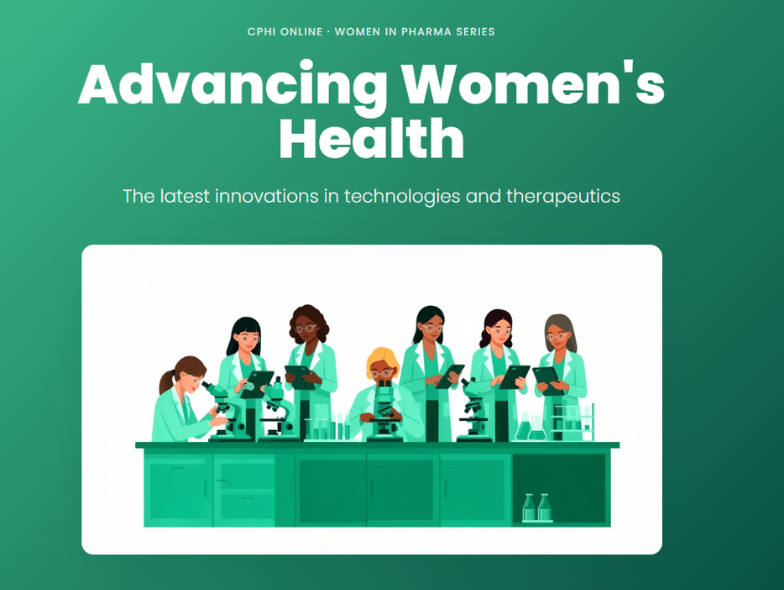
News Women in Pharma: Advancing Women's Health
Discover the latest innovations in technologies and therapeutics that are revolutionising women's health in our latest CPHI Online Women in Pharma infographic.
-

News CPHI Pharma Awards 2026: Recognising Excellence in an Evolving Industry
Submissions now open — deadline May 16
-
News Dr Reddy's to launch generic semaglutide in India
Dr Reddy’s Laboratories, one of India’s leading pharmaceutical companies, is preparing to launch a generic version of semaglutide, branded as Obeda, in March. Obeda is expected to provide a more affordable alternative to Ozempic a... -
News Frontier Biotech and GSK Forge RNA Therapy Partnership
Frontier Biotechnologies and GSK have entered a global licensing agreement to advance small interfering RNA (siRNA) therapeutics. This collaboration grants GSK exclusive rights to develop and commercialise two promising siRNA candidates, marking a mile...