
Biologics: The Driving Force for CDMOs

CDMOs build capacity to capitalise on biologics boom
CDMOs to boost bioproduction
Outsourcing took longer to catch on in the biopharma sector than in the small molecule drug industry. Initially, biologic developers did production in-house with only activities like fill/finish being handed over to contractors.
In recent years this has changed. According to BioPlan Associates, in 2006 57.6% of biopharma companies did all their mammalian bioprocessing in-house, whereas last year only 44.2% did everything themselves [1].
Partly this is because more CDMOs are adding the skills and technologies required to make biologic drugs as BioPlan CEO Eric Langer told us.
“There is going to be a continuing need for uniquely skilled and competent CDMOs in niche, but high-value areas. There will be an expanding need for competent contract manufacturers as these novel therapies move through the pipeline.”
Langer cited cell therapies as a key opportunity for CDMOs because the technologies and methods used to make such products are still developing.
“Even though there are hundreds of pipeline cell therapy products, and many in clinical trials, the industry continues to evolve. Even basic elements such as whether the cell therapy platforms will be mostly based on autologous or allogeneic manufacturing technologies in five years are still being resolved technically and operationally.”
Biologic complexity
The growing complexity of modern biologic products is also increasing the amount of work being outsourced says Sylke Hassel, senior vice president of mammalian manufacturing at Lonza.
“Biologics are increasingly complicated” Hassel said, adding that biotech firms with an innovative molecule “may not have the expertise in all the different elements required to commercialize it. It can be a minefield for a young company and they are looking for partnerships where they gain more than just capacity,” she said.
Knowing which manufacturing method is best suited to a product is one area where a skilled CDMO can help according to Hassel.
“For example, microbial manufacturing may be a more cost effective solution for antibody mimetics and novel scaffolds. Or, in cell and gene therapy, developing a platform and processes that are scalable and reliable is paramount as we start to see more therapies moving from clinical to commercialization.”
The point about demand for highly technical capabilities was echoed by Peter Coleman, CEO of Cobra Bio, who told us the trend prompted his firm to increase capacity.
“The main growth in our business over the last couple of years has been for both plasmid DNA and viral vector services. These have been mainly for gene therapy products with fast track status with the FDA for organisations based in the US. To such an extent we are expanding our facilities in both UK and Sweden.”
That said, demand for more straightforward bioprocessing services like fill/finish remains. Coleman said, “Fill/Finish orders in 2017 also increased 26%, our most challenging field at the moment is our mammalian cell service offering which operates in a very competitive market.”
De-risking
Economic factors are also increasing the amount of biomanufacturing work being outsourced.
According to Sylke Hassel from Lonza “Customers are increasingly looking for an integrated service provider that can cut time to market and decrease risk.
“Given the uncertainties in bringing an innovative medicine to market, small and large companies are looking to manage their investments and delay decisions. For a CDMO, offering flexible capacity is key, meaning that companies can quickly scale up if needed or hold while they wait for results or approvals.”
Hassel cited Lonza’s own partnering service – known as Ibex Solutions – which recently won French drug firm Sanofi as a customer [2] as an example.
“It is a technology-agnostic biopark that taps into the existing manufacturing infrastructure in Visp, Switzerland. It reduces capital investment, simplifies the value chain and allows customers to secure supply according to needs.”
Keep pace with developments in bioproduction and manufacturing
Each year the CPHI brand unites more than 100,000 pharmaceutical professionals through exhibitions, conferences and online communities. If you're looking to meet leading CDMOs, learn the latest developments through quality conferences and access unparalleled networking opportunties we offer a portfolio of global exhibitions in all major pharma markets throughout the year - take a look at our event calendar for more information.
References
[1] https://bioplanassociates.com/wp-content/uploads/2015/10/14th-Annual-Biomfg-Report_TABLE-OF-CONTENTS-LR.pdf
[2] https://www.reuters.com/article/us-sanofi-lonza-biologics-idUSKBN1660I0
Related News
-

News Swiss pharma industry warns US tariffs could harm global patient care
The Swiss pharmaceutical sector has raised alarms over new US tariffs on medicines, warning of disrupted supply chains, increased costs, and delayed innovation, all of which could jeopardise patient access to essential treatments worldwide.
-

News Women in Pharma: CPHI India – India’s Pharmaceutical Industry and Gender Inclusion Challenges
India’s pharmaceutical industry has emerged as a significant player in the global market, valued at USD 50 billion in FY 2023-2024, according to Frost & Sullivan’s analysis. This sector encompasses a diverse portfolio, including drugs, vacc... -
News Biogen acquires Apellis Pharmaceuticals to boost immunology and rare disease profile
Biogen Inc. has announced its acquisition of Apellis Pharmaceuticals, Inc., a move that is set to significantly enhance its growth portfolio in immunology and rare diseases. The agreement, valued at approximately US$5.6 billion, will see Biogen purchas... -

News Gilead Sciences acquires Ouro Medicines for over US$2 billion
Gilead Sciences confirms a deal to take over Ouro Medicines, adding to a portfolio of therapies for autoimmune diseases.
-
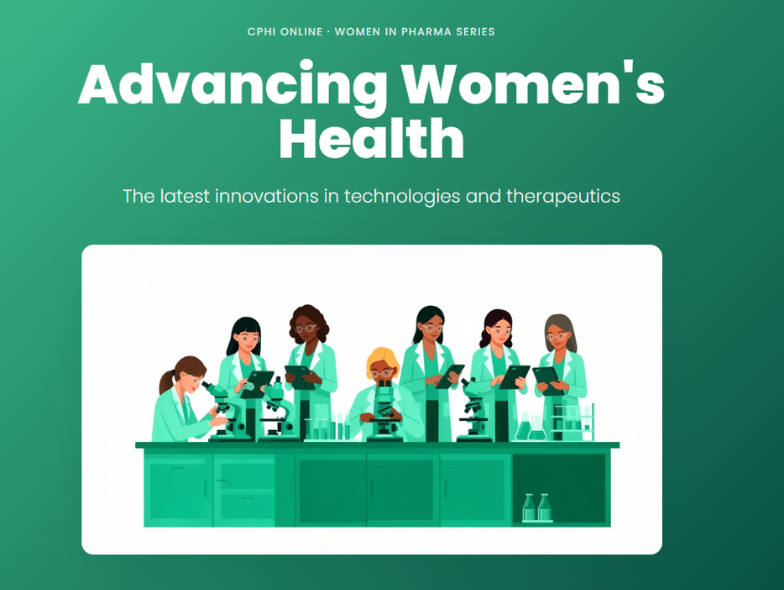
News Women in Pharma: Advancing Women's Health
Discover the latest innovations in technologies and therapeutics that are revolutionising women's health in our latest CPHI Online Women in Pharma infographic.
-

News CPHI Pharma Awards 2026: Recognising Excellence in an Evolving Industry
Submissions now open — deadline May 16
-
News Dr Reddy's to launch generic semaglutide in India
Dr Reddy’s Laboratories, one of India’s leading pharmaceutical companies, is preparing to launch a generic version of semaglutide, branded as Obeda, in March. Obeda is expected to provide a more affordable alternative to Ozempic a... -
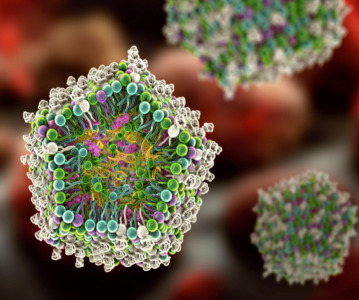
News Frontier Biotech and GSK Forge RNA Therapy Partnership
Frontier Biotechnologies and GSK have entered a global licensing agreement to advance small interfering RNA (siRNA) therapeutics. This collaboration grants GSK exclusive rights to develop and commercialise two promising siRNA candidates, marking a mile...