
Boehringer's investigational biologic cleared skin better, faster and for longer than ustekinumab in Phase II psoriasis study

Nearly triple the percentage of patients maintained completely clear skin on BI 655066 after nine months, compared to ustekinumab.
New results from a Phase II head-to-head psoriasis study showed superior efficacy of Boehringer Ingelheim's investigational biologic compound BI 655066, compared with ustekinumab. After 9 months, 69% of patients with moderate-to-severe plaque psoriasis maintained clear or almost clear skin (PASI 90) with BI 655066 in the higher dose group compared with 30% of patients on ustekinumab. Patients also achieved this skin clearance significantly faster (approximately 8 weeks versus approximately 16 weeks) and for more than 2 months longer (>= 32 weeks versus 24 weeks) than those on ustekinumab. In addition, completely clear skin (PASI 100) was maintained after 9 months in nearly triple the percentage of patients on BI 655066 compared with ustekinumab (43% versus 15%).
"These results are striking. They further strengthen our understanding of the potential skin improvement that can be achieved with BI 655066, in moderate-to-severe plaque psoriasis. We saw a third more patients achieve clearer skin in a short time period. And this clearance was maintained longer compared to the commonly used treatment ustekinumab," commented Kim A. Papp, President of Probity Medical Research, Waterloo, Ontario, Canada. "Achieving clear skin quickly and maintaining clearance is an important goal for patients that have to deal with the daily impact of psoriasis."
These meaningful 24-week findings from a Phase II study in psoriasis were presented in an oral presentation by Dr Kim A. Papp at the 24th European Academy of Dermatology and Venereology (EADV) congress in Copenhagen.
The study (NCT02054481) investigated the efficacy and safety of BI 655066 versus ustekinumab in 166 patients. These data build on Phase II data presented earlier this year at the Annual Meeting of the American Academy of Dermatology (AAD). Primary endpoint results showed nearly double the percentage of patients with moderate-to-severe plaque psoriasis achieved clear or almost clear skin (PASI 90) after 12 weeks of treatment with BI 655066, compared to ustekinumab (77.1% versus 40% of patients). The new data further demonstrate that BI 655066 has similar safety and tolerability to ustekinumab, regardless of dose, with no serious drug-related side-effects. The most common side effects were runny nose, sore throat, and headache.
"The results are an exciting milestone in Boehringer Ingelheim's growing immunology pipeline. These Phase II study results represent a major step towards our vision of transforming the treatment of immune diseases and the patients affected by it," said Dr Steven Padula, Therapeutic Area Head Medicine Immunology at Boehringer Ingelheim. "We look forward to continued research and are currently planning multiple Phase III studies."
Related News
-
News GSK announces £400 million investment in new Cambridge R&D centre
Pharmaceutical giant to establish flagship research facility on Cambridge Biomedical Campus as part of strategic pipeline acceleration
-

News Understanding the Benefits and Advances of Cleanroom Technology
In an industry where precision and sterility are crucial concerns, cleanrooms play a vital role in maintaining the integrity of pharmaceutical products like drugs, vaccines, and other medical products. So, what is a cleanroom?
-

News AbbVie secures GBP£1.2 billion deal for Gilgamesh’s psychedelic programme
AbbVie has penned a significant agreement to acquire the bretisilocin programme from Gilgamesh Pharmaceuticals for up to £1.2 billion, marking a bold step in the pharmaceutical giant's quest to develop treatments for psychiatric disorders. -

News Gates Foundation commits US$2.5 billion to women’s health research
The Bill & Melinda Gates Foundation has announced a substantial US$2.5 billion commitment to accelerate research and development focused exclusively on women's health through 2030.
-

News Mid-year review: notable FDA drug approvals of 2025
As we fly past the halfway point of 2025, the pharmaceutical landscape reliably continues to evolve with innovative therapies addressing critical medical needs. The FDA has already approved 17 groundbreaking medications this year, each representin... -
News US FDA announces new priority vouchers for accelerated review times
The US FDA announced a new priority program for drug developers – the Commissioner’s National Priority Voucher (CNPV) program aims to enhance the health interests of the US by allowing drug developers to redeem a voucher, shortening th... -
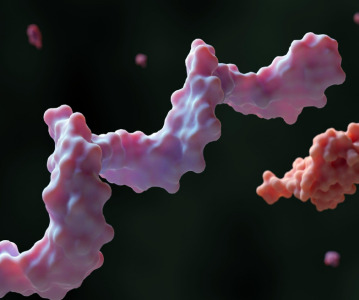
News Google-backed start-up raises US$600 million to support AI drug discovery and design
London-based Isomorphic Labs, an AI-driven drug design and development start-up backed by Google’s AI research lab DeepMind, has raised US$600 million in its first external funding round by Thrive Capital. The funding will provide further power t... -
News AstraZeneca to invest US$2.5 billion in Beijing R&D centre
Amid investigations of former AstraZeneca China head Leon Wang in 2024, AstraZeneca have outlined plans to establish its sixth global strategic R&D centre in China. Their aim is to further advance life sciences in China with major research and manufact...