
Bristol-My?ers Squibb Presents Promising Phase IIb Data for Novel, Investigat?ional Attachment Inhibitor for HIV-1 Infected Treatment-?Experience?d Patients

Bristol-Myers Squibb Company has presented 24-week Phase IIb data that demonstrated similar response rates (HIV-1 RNA <50 c/mL) for its investigational compound, BMS-663068, when compared to a boosted protease inhibitor, Reyataz (atazanavir sulfate) with ritonavir.
Among HIV-1 infected treatment-experienced patients receiving BMS-663068, 69–80% had HIV-1 RNA levels of <50 c/mL (a measure indicating virus replication is undetectable), compared to 75% of patients taking Reyataz with ritonavir. Presented at the 21st Conference on Retroviruses and Opportunistic Infections (CROI) yesterday, this study highlights the unique mechanism of action of the investigational prodrug BMS-663068, which when converted into BMS-626529, a novel attachment inhibitor, prevents initial viral attachment to the host CD4+ T cell and entry into the host immune cell.
Globally, there are 34 million people who are infected with HIV. Because of significant scientific advances in management of HIV treatment during the last 20 years, patients are now living with HIV for a longer period of time and some patients have developed resistance to existing regimens or are unable to tolerate current available treatments. Additional treatment options, especially in new drug classes, are needed both today and into the future for these patients.
“By targeting the virus at an earlier step of the viral lifecycle, BMS-663068 disrupts the virus in a way unlike existing antiretroviral agents,” said Jacob P. Lalezari, MD, director of Quest Clinical Research and assistant clinical professor of medicine at UCSF/Mount Zion Hospital. “The data suggest that BMS-663068 is potentially as effective as one of the current standards of care and may provide another method of suppressing the virus in treatment-experienced patients who have failed a prior HIV regimen and need new treatment options.”
For further information about the study, click here.
Related News
-
News GSK announces £400 million investment in new Cambridge R&D centre
Pharmaceutical giant to establish flagship research facility on Cambridge Biomedical Campus as part of strategic pipeline acceleration
-
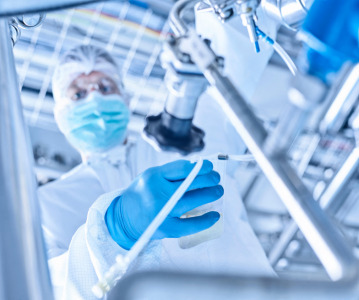
News Understanding the Benefits and Advances of Cleanroom Technology
In an industry where precision and sterility are crucial concerns, cleanrooms play a vital role in maintaining the integrity of pharmaceutical products like drugs, vaccines, and other medical products. So, what is a cleanroom?
-

News AbbVie secures GBP£1.2 billion deal for Gilgamesh’s psychedelic programme
AbbVie has penned a significant agreement to acquire the bretisilocin programme from Gilgamesh Pharmaceuticals for up to £1.2 billion, marking a bold step in the pharmaceutical giant's quest to develop treatments for psychiatric disorders. -

News Gates Foundation commits US$2.5 billion to women’s health research
The Bill & Melinda Gates Foundation has announced a substantial US$2.5 billion commitment to accelerate research and development focused exclusively on women's health through 2030.
-
News Mid-year review: notable FDA drug approvals of 2025
As we fly past the halfway point of 2025, the pharmaceutical landscape reliably continues to evolve with innovative therapies addressing critical medical needs. The FDA has already approved 17 groundbreaking medications this year, each representin... -

News US FDA announces new priority vouchers for accelerated review times
The US FDA announced a new priority program for drug developers – the Commissioner’s National Priority Voucher (CNPV) program aims to enhance the health interests of the US by allowing drug developers to redeem a voucher, shortening th... -
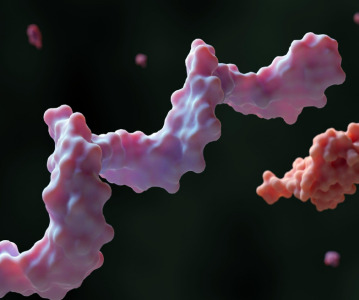
News Google-backed start-up raises US$600 million to support AI drug discovery and design
London-based Isomorphic Labs, an AI-driven drug design and development start-up backed by Google’s AI research lab DeepMind, has raised US$600 million in its first external funding round by Thrive Capital. The funding will provide further power t... -
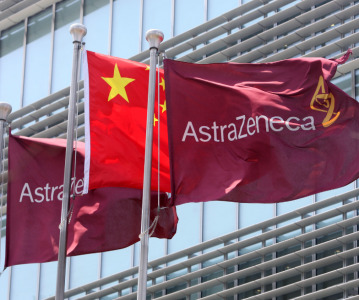
News AstraZeneca to invest US$2.5 billion in Beijing R&D centre
Amid investigations of former AstraZeneca China head Leon Wang in 2024, AstraZeneca have outlined plans to establish its sixth global strategic R&D centre in China. Their aim is to further advance life sciences in China with major research and manufact...