
Building Safer, More Responsible Pharmaceutical Supply Chains: PSCI Global Audit Insights
.png)
The Pharmaceutical Supply Chain Initiative (PSCI) has released its seventh annual Audit Findings Analysis Report, offering unprecedented insights into supplier practices across the global pharmaceutical and healthcare industry.With a record-breaking 243 audits analysed and over 2,596 findings documented, this comprehensive report represents the most extensive review of supply chain responsibility to date.
Record Participation Drives Industry Transparency
In 2025, PSCI Members achieved a significant milestone by uploading more audits than ever before to the collaborative platform. This collective effort—representing thousands of hours of dedicated on-site work—demonstrates the pharmaceutical industry's unwavering commitment to transparency and continuous improvement. By sharing audit results with supplier permission, Members are creating efficiencies whilst driving meaningful progress across five critical principles: Governance & Management Systems, Ethics, Human Rights, Environment, and Health & Safety.
Key Findings at a Glance
Health & Safety Remains the Primary Focus
Health & Safety continues to dominate the findings landscape, accounting for 58% of all issues identified. The most prevalent concerns include:
- Worker Protection (27%): Gaps in electrical safety programmes, inadequate LOTO (Lock-Out/Tag-Out) procedures, and insufficient pallet racking maintenance
- Occupational Health & Industrial Hygiene (26%): Missing substance-specific exposure assessments and inadequate respiratory protection programmes
- Emergency Preparedness (18%): Overdue emergency drills, inaccessible emergency exits, and incomplete fire suppression systems
Environmental Concerns Nearly Double
Environmental findings surged from 221 in 2024 to 435 in 2025, representing 17% of total findings. This significant increase reflects heightened auditor focus on:
- Hazardous waste management and documentation
- API (Active Pharmaceutical Ingredient) discharge risk assessments
- Wastewater treatment compliance
- Secondary containment and spill prevention measures
Labour Practices Demand Urgent Attention
Whilst Human Rights findings decreased to 9% of the total, their severity tells a compelling story. 81% of findings related to Wage, Benefits, & Working Hours were classified as Major, making this the subtopic with the highest proportion of serious issues. Common violations include:
- Excessive overtime and insufficient rest days
- Wages below local minimum requirements
- Inadequate social security calculations
- Contract workers paying for their own PPE
Regional Insights Reveal Distinct Patterns
India Leads in Audit Volume
India recorded the most significant increase, with 69 audits generating 1,087 findings—representing 42% of all audits analysed. Priority areas include establishing OELs (Occupational Exposure Limits) for APIs, improving fire detection systems, and implementing compliant LOTO procedures.
China Focuses on Exposure Assessments
With 37 audits yielding 330 findings, Chinese suppliers must prioritise API-specific exposure risk assessments, overtime monitoring, and emergency exit accessibility.
United States Emphasises Infrastructure Safety
Across 19 audits in the United States, findings concentrated on pallet racking maintenance, electrical safety programmes, and emergency preparedness protocols.
Western Europe Addresses Process Safety
The 79 audits conducted in Western Europe highlighted needs for improved rack securing, comprehensive exposure risk assessments, and enhanced ATEX (explosive atmosphere) studies.
Translating Findings into Action
The true value of this analysis lies not merely in identifying gaps, but in driving targeted improvements. PSCI translates these findings into:
- Interactive e-learning courses with quizzes to reinforce learning outcomes
- Biweekly webinars providing direct access to subject matter experts
- Annual supplier conferences in India and China for peer learning
- Technical workshops enabling expert-led training
- Practical tools and resources tailored to supplier maturity levels
The training curriculum is structured across four maturity levels, helping suppliers navigate resources and effectively close audit findings.
Critical Findings Demand Immediate Response
Whilst Critical findings remain relatively rare (only 5 recorded in 2025), they highlight life-threatening risks requiring immediate action:
- Missing centrifuge safety interlocks
- Compressed air used as breathing air
- Locked or inward-opening emergency exits
- Unauthorised hazardous material storage
- Missing wastewater discharge permits
The Path Forward
As Birgit Skuballa, Director ESG Governance at Bayer and Audit Committee co-lead, notes: "Every finding tells us something important about where suppliers are making progress and where more support is needed. By sharing insights, identifying common challenges, and providing support through conferences, webinars, training materials, and practical tools, we can move beyond individual findings and drive broader, more consistent improvement across global pharmaceutical supply chains."
Download the Full Report
This summary merely scratches the surface of the comprehensive insights available in the complete PSCI Audit Findings Analysis 2025. The full report includes:
- Detailed breakdowns of all five PSCI Principles
- In-depth regional analyses covering eight global regions
- Illustrative examples from actual audit observations
- Practical action plans for suppliers
- Analysis of audit methodology impacts
- Supplier category influences on findings
Access the complete report to:
- Benchmark your organisation's performance against industry standards
- Identify priority areas for capability building
- Develop targeted improvement strategies
- Understand regional compliance patterns
- Access practical guidance for closing audit findings
The pharmaceutical and healthcare industry's commitment to responsible supply chains has never been stronger. With record participation and unprecedented transparency, the 2025 findings provide a roadmap for building safer, more ethical, and environmentally responsible operations worldwide.
Related News
-
News Federal judge blocks Colorado's unprecedented price cap on Amgen's Enbrel
A US federal court has halted Colorado's attempt to impose a US$31,200 annual price cap on Amgen's arthritis drug Enbrel, ruling that the pharmaceutical company would likely suffer irreparable harm. The decision represents a significant blow to... -
.png)
News Protecting life-saving therapies: CPHI Online Podcast Series
The latest episode of the CPHI Podcast Series dives into a critical challenge facing the pharmaceutical industry: ensuring the integrity of temperature-sensitive medications and biologics through advanced predictive technology.
-
News 2026 Outsourcing Outlook Update - pharma at a crossroads
The pharmaceutical contract development and manufacturing organisation (CDMO) sector is experiencing unprecedented transformation, driven by evolving therapeutic complexities, geopolitical tensions, and the growing demand for specialised manufacturing ... -
News Roche maintains German investment commitment whilst rivals scale back
Pharmaceutical giant Roche has reaffirmed its commitment to investing in Germany, standing firm even as competitors Eli Lilly and Boehringer Ingelheim dramatically reduce their planned investments in response to controversial healthcare reforms.
-
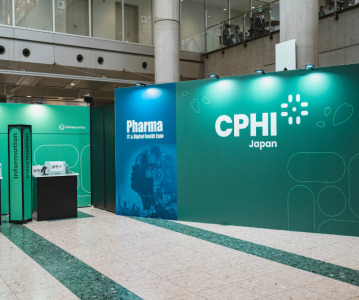
News Women in Pharma: The History of CPHI Women in Japan
Our monthly Women in Pharma series highlights the influential lives and work of impactful women working across the pharmaceutical industry, and how the industry can work towards making the healthcare industry and workplace more equitable and inclusive. -

News EU drafts deal to end essential medicines shortage
European negotiators have agreed new legislation to tackle persistent shortages of essential medicines by prioritising supply security over price in public procurement and supporting domestic pharmaceutical manufacturing with strategic funding.
-
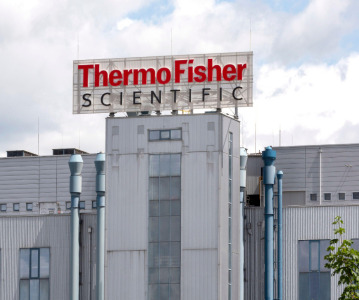
News Thermo Fisher Scientific offloads microbiology business to PE firm Astorg
The life sciences giant is divesting its global microbiology unit, which generated $645 million in revenue last year, to the pan-European private equity firm as part of an active portfolio management strategy. The transaction is expected to close in th... -
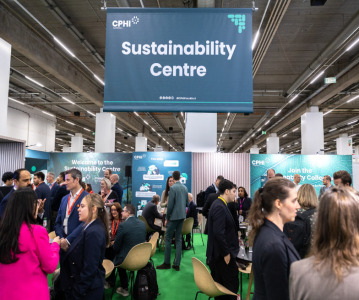
News The Shift: Why Sustainability is Moving to the Centre of CPHI Milan 2026
CPHI Online contributor David Roach takes a look at how conversations around sustainability in the pharmaceutical industry can and must be transformed into actionable deliveries, and what the inaugural CPHI Sustainability Summit means for the industry.