
Chinese API producers shielded from medium-term pain despite COVID-19-related market rebalancing: Fitch Ratings
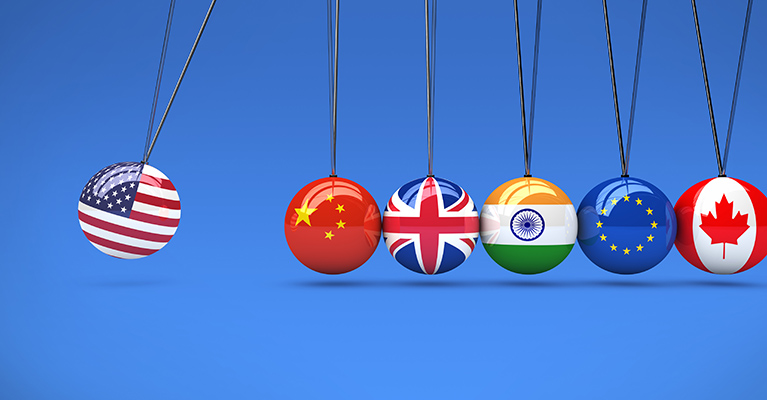
Reducing dependence on China would increase production costs for generic drug makers, analysts say
Chinese active pharmaceutical ingredient manufacturers are unlikely to suffer any medium-term effects from increasing trade protectionism and buyers’ moves to diversify their supply amid the COVID-19 pandemic, but those with high exposure to India could lose business due to the country’s initiatives to reduce reliance on Chinese production, according to analysts at Fitch Ratings.
In the report ‘No Near-Term Impact on Chinese API Makers as Pharma Supply-Chain Shifts,’ the company said China's API production has recovered earlier than global peers' as business activities are returning to normal following the lifting of quarantines to stop the spread of COVID-19.
“Hence, it is better positioned to capture the increased drug demand generated by the outbreak, as well as demand redirected from overseas markets that have halted production,” Fitch said.
Major Chinese API manufacturers have reported strong sales in Q1, with Shenzhen Hepalink Pharmaceutical Group and Zhejiang Huahai Pharmaceutical seeing their respective revenue increase by 37.1% and 31% year-on-year, versus growth of 6.7% and decline of 3.2% in Q1 2019.
Fitch said supply-chain disruptions caused by the coronavirus have led to China’s two largest export markets for APIs taking measures to reduce their exposure.
The US is calling for pharmaceutical companies to reduce purchases of APIs from China and move API production back on a domestic footing amid drug supply shortages, while India - the world's largest generic drug producer - has announced a USD1.3 billion investment in domestic API production to reduce its Chinese imports, which account for nearly 70% of India's API demand.
“We do not believe this rebalancing will result in a significant change in China's role in the global drug supply chain in the medium term,” Fitch said. “Sourcing less from China would increase production costs, especially for generic drug makers, for whom APIs are a significant portion of costs. In addition, China's dominance in APIs means substitutes are probably not available in the near term. China is the major supplier of raw materials for certain drugs, such as antibiotics and vitamins.”
The report added that India's recently announced domestic API production enhancement plan – which involves the establishment of drug-manufacturing industrial parks to support the output of 53 key APIs -- might take years for production to ramp up.
“There are still uncertainties over India's API production ramp-up as this will depend on price competitiveness of local production once further clarity on the government incentives emerges. As such, the impact is unlikely to be seen in the near term,” the report said.
The Fitch analysts said they believed Chinese API makers with high drug quality and diversified product portfolios that include speciality APIs are better positioned to cope with the long-term challenges arising from the coronavirus-led supply-chain rebalancing.
“The trend will also prompt Chinese API makers to increase R&D spending and improve manufacturing technology to maintain their competitiveness against rivals,” they concluded.
India and the US accounted for 16.8% and 12.5% of China's total API export value, respectively, in 2019.
Related News
-

News Pharmaceutical Supply Chain People Moves
The latest appointments, promotions, and structural changes across the pharmaceutical supply chain.
-

News Merck KGaA to buy US biotech SpringWorks for US$3.9 billion
The German multinational pharmaceutical company Merck KGaA have signed a deal to buy US biotech company SpringWorks Therapeutics at an equity value of US$3.9 billion in a move to add rare cancer therapeutics to their pipelines.
-

News Cassava Sciences halts Alzheimer's drug trial after limited progress
Cassava Sciences have drawn a close to their investigations and development of the drug simufilam, which they intended to be used for the treatment of Alzheimer’s disease.
-

News US FDA adds haemodialysis bloodlines to devices shortage list
On March 14, 2025, the US FDA published an open letter to healthcare providers citing continuing supply disruptions of haemodialysis bloodlines, an essential component of dialysis machines.
-

News Vertex Pharmaceuticals stock jumps as FDA approves non-opioid painkiller
UK-based Vertex Pharmaceuticals saw their stock shares soar as the US FDA signed off on the non-opioid painkiller Journavx, also known as suzetrigine, for patients with moderate to severe acute pain, caused by surgery, accidents, or injuries.
-

News Lessons from CPHI Milan 2024: Sunny Intervals for Pharma Manufacturing?
As the 2024 CPHI conference wrapped up in Milan, we caught up with L.E.K. Consulting – a global strategy consulting firm with deep expertise in pharma manufacturing – to discuss evolving market perspectives and business outlook. -
News US BIOSECURE Act passed by US House of Representatives
The controversial act, which has already impacted several foreign companies operating in the US, was passed by the House of Representatives on September 9, 2024. It is now headed for the US Senate before it can be signed into law by President Joe Biden... -
News Drug prices agreed upon as part of the US Inflation Reduction Act
The Inflation Reduction Act brought into constitution by the Biden administation in 2022, which proposed a drug price negotiation between the government and pharmaceutical companies, has reached it's first agreement.