
Early development demand continues to boost prospects for smaller CDMOs: CPHI Worldwide panel

The increasing outsourcing trend among pharmaceutical companies represents a promising opportunity for CDMOs. This panel discussion at CPHI Worldwide touched upon some of the opportunities, hurdles, and trends ahead for the CDMO market
Smaller CDMOs can continue to grow their businesses on the strength of technical expertise and capabilities and by tapping into the large number of potential sponsors in early development which requires a particular skillset.
This was just one of the key messages that came out of Tuesday's live CPHI Worldwide webinar Challenges, Trends and Strategic Opportunities in the CDMO Landscape, sponsored by Catalent and chaired by Kevin Olson, CEO, Industry Standard Research, a panel of industry experts discussed how CDMOs can best navigate an extremely complex market from operational, technical and commercial perspectives and make the right decisions to secure business.
Pratibhash Chattopadhyay, Sr. Director, Marketing and Sales, Strategy, Catalent said the drug development process is fraught with uncertainties and challenges, with the pipeline shifting towards smaller patient populations as well as fast track approvals and growing manufacturing complexities due to advanced modalities.
“There are many unknowns that CDMOs have to deal with to provide successful development and therefore finding the right partner with the right level of technical expertise, capabilities and commercial experience is highly critical for a program to be successful,” he said. “My opinion is that it’s not the size of the CDMO that is important, it’s the people involved in the program, the site, the technical capabilities and expertise. This is dictated by the current pipeline we have as well as the sponsor needs. CDMOs that can address that effectively, manage those complexities and support sponsors to manage the risks of development; those are the ones who will be successful.”
There is an assumption that larger CDMOs have very strong links into commercialisation models and what is important for smaller CDMOs is that they understand what the commercial endpoints or outcome for the development will be, according to Dan Spacie, CEO, BioPhorum.
“By engaging in the commercial questions earlier, what that then helps is potentially influence the shape of the study or the development path as you go through. When working with a CDMO, the ability to converse about commercial endpoints is important. The more successful smaller CDMOs have good links either internally or very good partnerships with people who fully understand the commercial, operational and technical landscapes. That is a strong differentiator.”
Jim Miller, Founder and Former President, PharmSource said smaller CDMOs still had a business opportunity due to the enormous demand for early development services and the fact that a different skillset was required.
“Early development is often more about speed, you don’t have the GMP complexities,” he said. “If you’re a 3-5 billion CDMO, you need some really big customers to move the needle in terms of revenue so you’re going to tend towards larger customers and larger customers so there’s going to be a lot of room left for smaller CDMOs to get those smaller clients and serve them effectively.”
Hervé Mouneyrac, Partner at Vinc said that smaller niche players in the CDMO business need to stick to their areas of expertise and fully know what they are bringing to their customers.
“If you are a large organisation, you need to bolt on M&A strategy for instance to go and cherry pick the innovation you need to bring in; the job of the smaller players is to be seen by the buyer,” he added.

Related News
-

News Swiss pharma industry warns US tariffs could harm global patient care
The Swiss pharmaceutical sector has raised alarms over new US tariffs on medicines, warning of disrupted supply chains, increased costs, and delayed innovation, all of which could jeopardise patient access to essential treatments worldwide.
-

News Women in Pharma: CPHI India – India’s Pharmaceutical Industry and Gender Inclusion Challenges
India’s pharmaceutical industry has emerged as a significant player in the global market, valued at USD 50 billion in FY 2023-2024, according to Frost & Sullivan’s analysis. This sector encompasses a diverse portfolio, including drugs, vacc... -
News Biogen acquires Apellis Pharmaceuticals to boost immunology and rare disease profile
Biogen Inc. has announced its acquisition of Apellis Pharmaceuticals, Inc., a move that is set to significantly enhance its growth portfolio in immunology and rare diseases. The agreement, valued at approximately US$5.6 billion, will see Biogen purchas... -

News Gilead Sciences acquires Ouro Medicines for over US$2 billion
Gilead Sciences confirms a deal to take over Ouro Medicines, adding to a portfolio of therapies for autoimmune diseases.
-
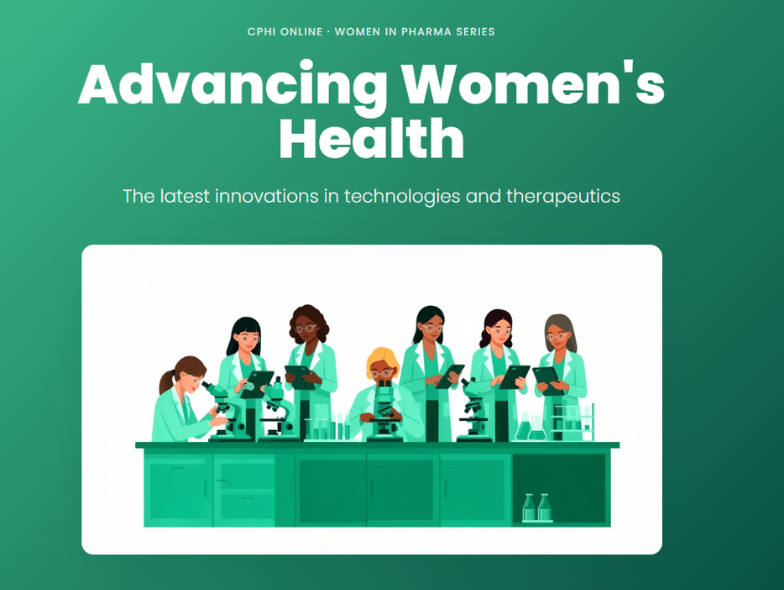
News Women in Pharma: Advancing Women's Health
Discover the latest innovations in technologies and therapeutics that are revolutionising women's health in our latest CPHI Online Women in Pharma infographic.
-

News CPHI Pharma Awards 2026: Recognising Excellence in an Evolving Industry
Submissions now open — deadline May 16
-

News Dr Reddy's to launch generic semaglutide in India
Dr Reddy’s Laboratories, one of India’s leading pharmaceutical companies, is preparing to launch a generic version of semaglutide, branded as Obeda, in March. Obeda is expected to provide a more affordable alternative to Ozempic a... -
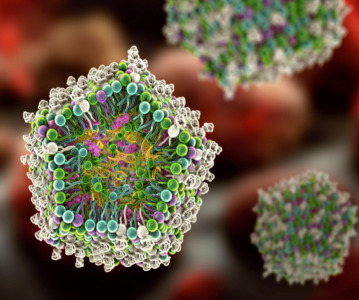
News Frontier Biotech and GSK Forge RNA Therapy Partnership
Frontier Biotechnologies and GSK have entered a global licensing agreement to advance small interfering RNA (siRNA) therapeutics. This collaboration grants GSK exclusive rights to develop and commercialise two promising siRNA candidates, marking a mile...