
FDA orders ranitidine withdrawal due to nitrosamine contamination risk
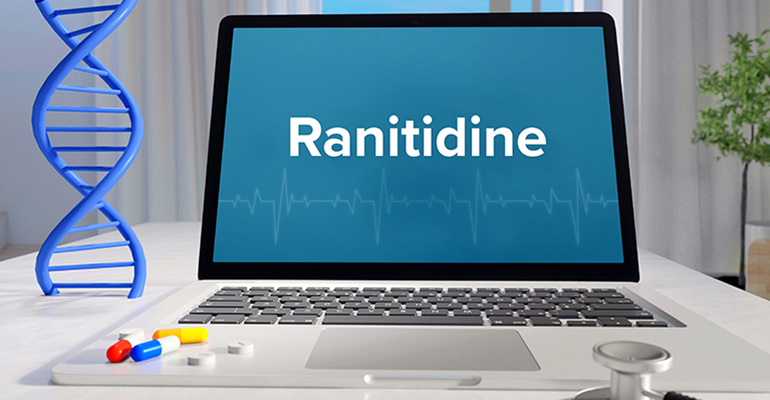
US drug regulator, the Food and Drug Administration, has ordered the immediate withdrawal of all prescription and over-the-counter versions of heartburn drug, ranitidine – commonly known as Zantac – after concluding certain products may present an increased cancer risk.
The move is the latest step in an ongoing investigation into a contaminant known as N-Nitrosodimethylamine (NDMA), a chemical form of nitrosamine which is classified as a probable human carcinogen and found to be present in ranitidine.
“The agency has determined that the impurity in some ranitidine products increases over time and when stored at higher than room temperatures and may result in consumer exposure to unacceptable levels of this impurity,” the FDA said in a statement.
Janet Woodcock, director of the FDA's Center for Drug Evaluation and Research said that the agency did not detect unacceptable levels of NDMA in many of the samples that it tested.
“However, since we don't know how or for how long the product might have been stored, we decided that it should not be available to consumers and patients unless its quality can be assured," she added.
Last summer, the FDA became aware of independent laboratory testing that found NDMA in ranitidine. It issued a warning to the public in September 2019 of the potential risks and to consider alternative OTC and prescription treatments but fell short of ordering a withdrawal.
The potential risk of nitrosamine impurities in medications has prompted a string of product recalls that have rocked the active pharmaceutical ingredient manufacturing sector over the last two years.
The FDA first said it had detected NDMA in Angiotensin II receptor blockers – commonly known as the sartans -- used to treat blood pressure back in July 2018.
The drug regulator has asked manufacturers of nizatidine and ranitidine to test their products for NDMA and send samples in. It is also conducting ongoing investigations into the presence of nitrosamine in other drug products.
Related News
-
News Swiss pharma industry warns US tariffs could harm global patient care
The Swiss pharmaceutical sector has raised alarms over new US tariffs on medicines, warning of disrupted supply chains, increased costs, and delayed innovation, all of which could jeopardise patient access to essential treatments worldwide.
-
News Women in Pharma: CPHI India – India’s Pharmaceutical Industry and Gender Inclusion Challenges
India’s pharmaceutical industry has emerged as a significant player in the global market, valued at USD 50 billion in FY 2023-2024, according to Frost & Sullivan’s analysis. This sector encompasses a diverse portfolio, including drugs, vacc... -
News Biogen acquires Apellis Pharmaceuticals to boost immunology and rare disease profile
Biogen Inc. has announced its acquisition of Apellis Pharmaceuticals, Inc., a move that is set to significantly enhance its growth portfolio in immunology and rare diseases. The agreement, valued at approximately US$5.6 billion, will see Biogen purchas... -
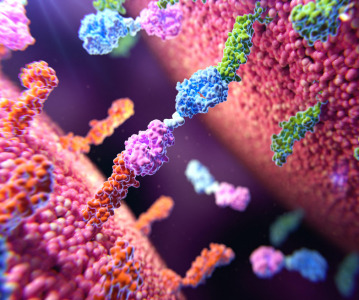
News Gilead Sciences acquires Ouro Medicines for over US$2 billion
Gilead Sciences confirms a deal to take over Ouro Medicines, adding to a portfolio of therapies for autoimmune diseases.
-
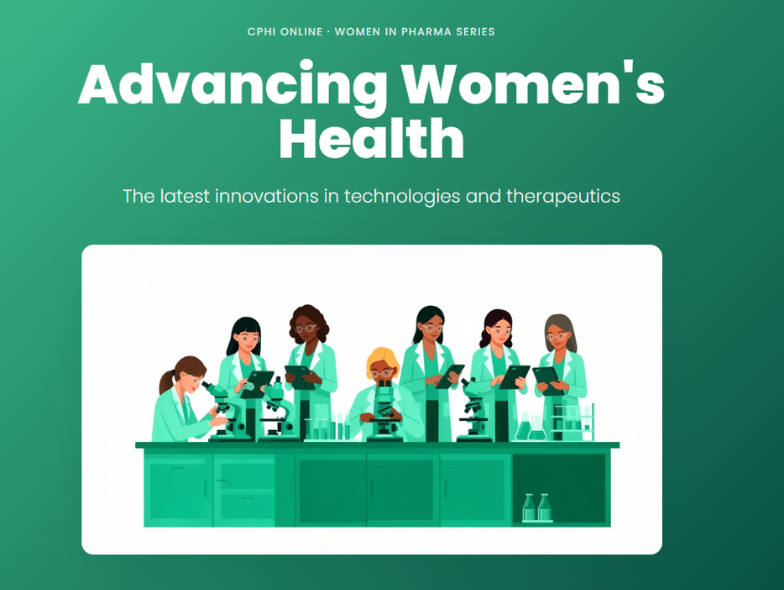
News Women in Pharma: Advancing Women's Health
Discover the latest innovations in technologies and therapeutics that are revolutionising women's health in our latest CPHI Online Women in Pharma infographic.
-

News CPHI Pharma Awards 2026: Recognising Excellence in an Evolving Industry
Submissions now open — deadline May 16
-
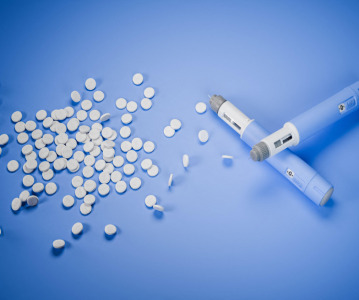
News Dr Reddy's to launch generic semaglutide in India
Dr Reddy’s Laboratories, one of India’s leading pharmaceutical companies, is preparing to launch a generic version of semaglutide, branded as Obeda, in March. Obeda is expected to provide a more affordable alternative to Ozempic a... -
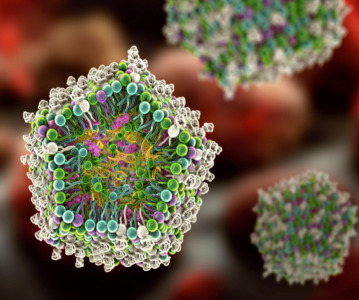
News Frontier Biotech and GSK Forge RNA Therapy Partnership
Frontier Biotechnologies and GSK have entered a global licensing agreement to advance small interfering RNA (siRNA) therapeutics. This collaboration grants GSK exclusive rights to develop and commercialise two promising siRNA candidates, marking a mile...