
FUJIFILM Irvine Scientific introduces Sterile Express Media Service
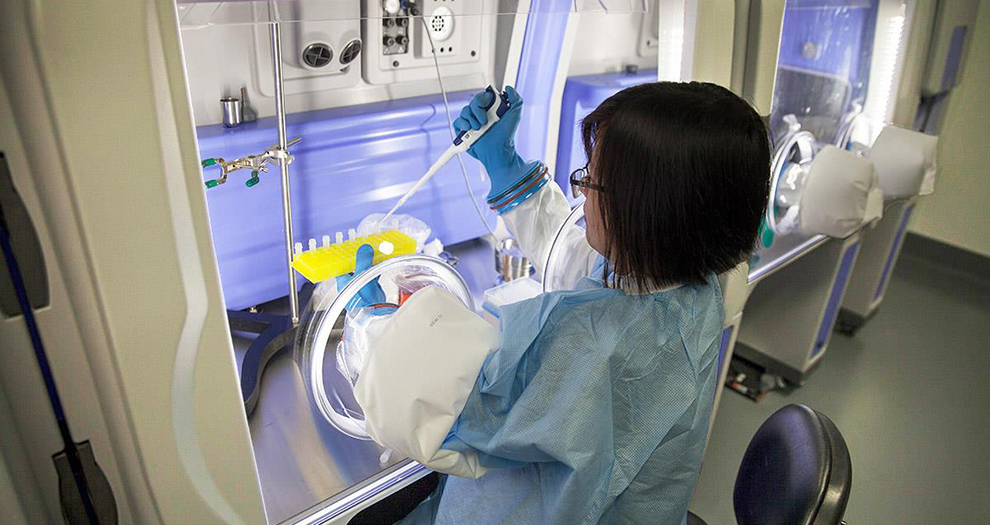
The first-of-its-kind manufacturing service delivers tested sterile, non-GMP media designed for feasibility testing before scale-up, to support development of cell and gene therapies
FUJIFILM Irvine Scientific has launched Sterile Express Media Service (SEMS) for small-scale, rapid production of non-GMP (Good Manufacturing Practice) media tested for sterility.
According to the company, a rapid, non-GMP manufacturing service that delivers sterile cell culture media has not been available on the market.
Now, with SEMS, customers can request up to 100 L of media to be rapidly manufactured in a Grade A/ISO 5 sterile environment, and have it shipped within 15 business days pending sterility confirmation.
Contamination in culture media can affect cell characteristics such as growth, metabolism, and morphology, contributing to unreliable or erroneous results. This can cause delays in the development and scale-up process.
SEMS enables manufacturers to test the feasibility of formulations using sterile cell culture media before scale-up to more costly GMP manufacturing.
Sterile media provide an extra measure of control and security for valuable cells and streamline the successful development of cell and gene therapies and biopharmaceutical drugs.
Unlike the sterile-filtered and sterile-tested media currently available in the market, SEMS utilizes isolator technology to provide an aseptic manufacturing environment.
SEMS media remain in a Grade A/ISO 5 environment throughout the manufacturing process, reducing the risk of contamination for critical applications.
The non-GMP liquid media formulations are manufactured using the same qualified raw materials used for GMP manufacturing and are sterility tested according to USP71 and ISO 13408 requirements.
Erik Vaessen, Executive Director, Life Sciences at FUJIFILM Irvine Scientific said that by using sterile media trials, customers could reduce costs associated with developing therapies and biopharmaceutical drugs by reducing contamination risk during the testing phase.
Related News
-

News Pharmaceutical Supply Chain People Moves
The latest appointments, promotions, and structural changes across the pharmaceutical supply chain.
-

News Merck KGaA to buy US biotech SpringWorks for US$3.9 billion
The German multinational pharmaceutical company Merck KGaA have signed a deal to buy US biotech company SpringWorks Therapeutics at an equity value of US$3.9 billion in a move to add rare cancer therapeutics to their pipelines.
-

News Cassava Sciences halts Alzheimer's drug trial after limited progress
Cassava Sciences have drawn a close to their investigations and development of the drug simufilam, which they intended to be used for the treatment of Alzheimer’s disease.
-
News US FDA adds haemodialysis bloodlines to devices shortage list
On March 14, 2025, the US FDA published an open letter to healthcare providers citing continuing supply disruptions of haemodialysis bloodlines, an essential component of dialysis machines.
-

News Vertex Pharmaceuticals stock jumps as FDA approves non-opioid painkiller
UK-based Vertex Pharmaceuticals saw their stock shares soar as the US FDA signed off on the non-opioid painkiller Journavx, also known as suzetrigine, for patients with moderate to severe acute pain, caused by surgery, accidents, or injuries.
-

News Lessons from CPHI Milan 2024: Sunny Intervals for Pharma Manufacturing?
As the 2024 CPHI conference wrapped up in Milan, we caught up with L.E.K. Consulting – a global strategy consulting firm with deep expertise in pharma manufacturing – to discuss evolving market perspectives and business outlook. -

News US BIOSECURE Act passed by US House of Representatives
The controversial act, which has already impacted several foreign companies operating in the US, was passed by the House of Representatives on September 9, 2024. It is now headed for the US Senate before it can be signed into law by President Joe Biden... -
News Drug prices agreed upon as part of the US Inflation Reduction Act
The Inflation Reduction Act brought into constitution by the Biden administation in 2022, which proposed a drug price negotiation between the government and pharmaceutical companies, has reached it's first agreement.