
It’s time for the pharmaceutical sector to do the smart thing
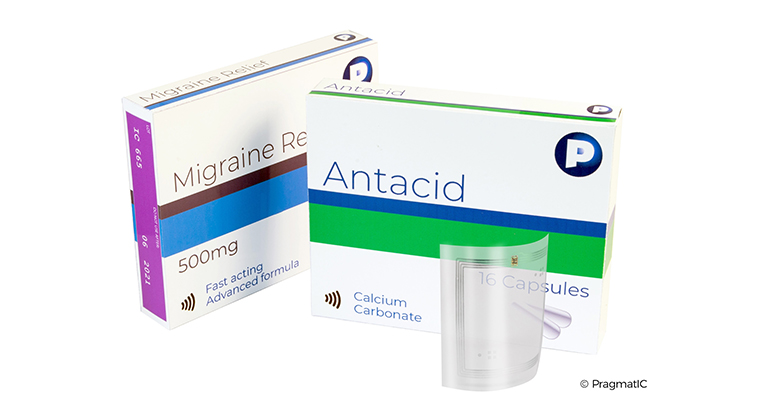
For many years, well before the arrival of COVID-19, the pharmaceutical sector has faced increasing pressures, with challenges such as fake goods and grey market diversion. There is also increased emphasis on how to ensure patient adherence, as this directly correlates with improved outcomes. Here we examine how recent developments in flexible electronics, RFID and smart packaging could help in these areas.
Gillian Ewers, VP Marketing, PragmatIC
Challenges
Counterfeit goods
The worldwide pharmaceutical industry has experienced significant growth during the past two decades - revenues worldwide totalled $1.25 trillion in 2019. The value of the counterfeit market is also considerable, estimated at $200 billion, of which online sales account for around $75 billion. The World Health Organisation (WHO) states that 16% of counterfeits contain the wrong ingredients and another 17% contain the wrong levels of necessary ingredients, meaning that a large proportion of these illegal medications could be harmful and sometimes even fatal.
To combat this, regulatory authorities have been putting various measures in place. For example, the European Falsified Medicines Directive (FMD) regulation which requires pharmaceutical companies to include a unique identifier (UID) and an anti-tampering device. These are used by suppliers to verify and authenticate the products prior to distribution and can be used by retail and consumers to ensure integrity up to the point of consumption or application. Currently companies use 2D barcodes for the unique identification which requires digital printers. These codes are easy to replicate, can get damaged in transport and are difficult to read in large numbers.
Grey market diversion
Another challenge is grey market diversion, which is when products are not counterfeit but are sold outside approved supply agreements. This could be goods that are bought in a low-priced region, and then sold in another for a much higher price, or it could be medicines that are OTC (Over The Counter) in one country, but under prescription, or prohibited in another territory. Therefore, grey market diversion is not only a problem for suppliers, but also for consumers. Buying from grey market sources because of differences in price is not illegal, but those products may come without local language instructions or information, which could have consequences for the user.
Patient adherence
There may be many reasons why patients do not complete a course of medicines or take the right amount at the right intervals. Time management, forgetfulness, difficult to read instructions, confusing counterindications, lack of knowledge and understanding are all important issues. The consequences are not only a waste of valuable resources, but it can also result in worsening conditions and increase the overall costs of treating the patient.
Technology to the rescue
Advances in flexible electronics and RFID (Radio Frequency IDentification) offer a promising solution to these challenges. An RFID inlay (or tag) can be added under labels or inside packaging, with an integrated circuit (IC) containing a unique identifier (UID). Using this technology manufacturers and retailers can quickly do stock checks, verify the supply chain and identify any hotspots of replicated codes. Assigning a digital UID enables item-level tracking through the whole lifecycle of a product, and crucially with RFID it is more difficult to counterfeit or tamper with as the inlay and IC are not visible and cannot be reprogrammed. With smart packaging patients could more easily access information about their treatment, ask for more details, contact support lines, all with a simple tap of a smartphone. There are also smart blister packs and medicine trays available, that can link with an app to help remind the patient and report quickly if non-adherence becomes an issue.
RFID technology is not new. It has been used for supply chain management in the apparel sector for some time, with considerable success, but previously the costs were too high for use in large volumes, or on low margin items, due to the cost of the conventional electronics involved. Fortunately, recent developments mean that now it is possible for the pharmaceutical sector to do the smart thing to tackle challenges such as counterfeit goods, grey market diversion and patient adherence. This item-level digital monitoring technology also has potential to extend into the tracking of millions of pathology samples and vaccines, and in future could be combined with sensors to track the temperature of items during transportation. And there are many other applications in the healthcare sector. We see an exciting future enabled with this technology, helping to increase efficiencies, reduce costs and improve patient outcomes, and it starts now.
Related News
-

News Swiss pharma industry warns US tariffs could harm global patient care
The Swiss pharmaceutical sector has raised alarms over new US tariffs on medicines, warning of disrupted supply chains, increased costs, and delayed innovation, all of which could jeopardise patient access to essential treatments worldwide.
-

News Women in Pharma: CPHI India – India’s Pharmaceutical Industry and Gender Inclusion Challenges
India’s pharmaceutical industry has emerged as a significant player in the global market, valued at USD 50 billion in FY 2023-2024, according to Frost & Sullivan’s analysis. This sector encompasses a diverse portfolio, including drugs, vacc... -

News Biogen acquires Apellis Pharmaceuticals to boost immunology and rare disease profile
Biogen Inc. has announced its acquisition of Apellis Pharmaceuticals, Inc., a move that is set to significantly enhance its growth portfolio in immunology and rare diseases. The agreement, valued at approximately US$5.6 billion, will see Biogen purchas... -

News Gilead Sciences acquires Ouro Medicines for over US$2 billion
Gilead Sciences confirms a deal to take over Ouro Medicines, adding to a portfolio of therapies for autoimmune diseases.
-
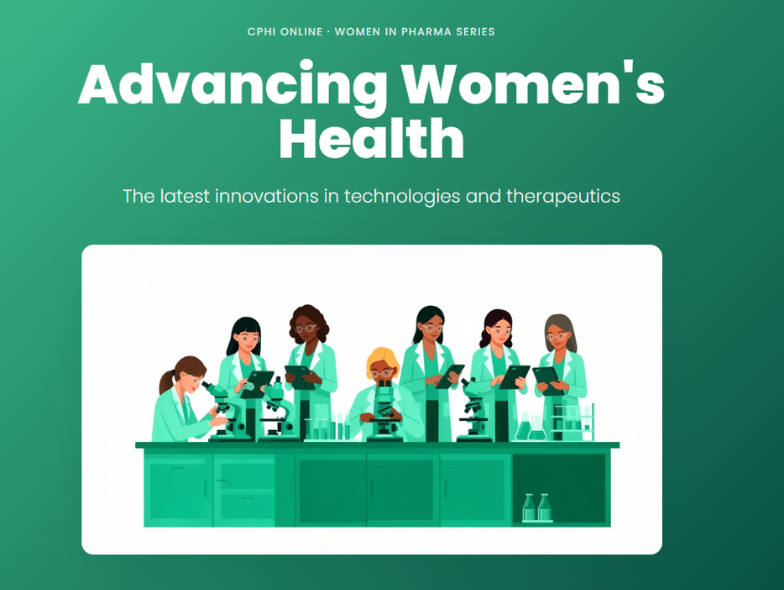
News Women in Pharma: Advancing Women's Health
Discover the latest innovations in technologies and therapeutics that are revolutionising women's health in our latest CPHI Online Women in Pharma infographic.
-

News CPHI Pharma Awards 2026: Recognising Excellence in an Evolving Industry
Submissions now open — deadline May 16
-
News Dr Reddy's to launch generic semaglutide in India
Dr Reddy’s Laboratories, one of India’s leading pharmaceutical companies, is preparing to launch a generic version of semaglutide, branded as Obeda, in March. Obeda is expected to provide a more affordable alternative to Ozempic a... -

News Frontier Biotech and GSK Forge RNA Therapy Partnership
Frontier Biotechnologies and GSK have entered a global licensing agreement to advance small interfering RNA (siRNA) therapeutics. This collaboration grants GSK exclusive rights to develop and commercialise two promising siRNA candidates, marking a mile...