
More than just wrapping a pill: improving patients’ lives through packaging
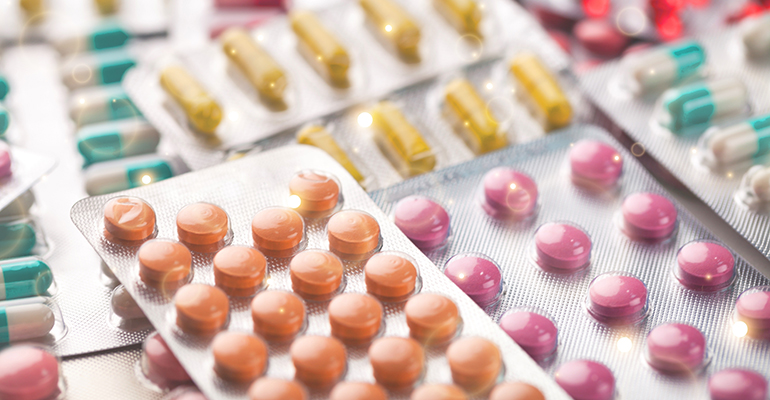
There is a great focus on medical packaging as a means of protecting the drug, but there is still a long way to go when talking about the real needs of patients, and what packaging can do for them. For the past six years, Giana Carli Lorenzini,Postdoctoral Research Fellow, Packaging Logistics, Lund University, Sweden, has been researching the complexities of the industry processes to design innovative yet inclusive pharmaceutical packaging solutions to meet society’s needs. In her recent talk at the Innopack Pharma Confex 2020, Giana presented some of her views on the way pharmaceutical packaging is designed today and the path toward a more user-centered approach to it.
Giana Carli Lorenzini
One important aspect of packaging is that it frames the overall experience of a product, something that professionals easily forget when developing packaging – but something consumers certainly remember when facing a hard-to-open package. Who has never bought a package of scissors that was so tightly closed that you actually needed another pair of scissors to get it open? It is not uncommon to have a high-quality product packed in a way that creates a barrier to the consumer trying to effectively get to the product.
However, there is a major difference between ordinary consumer products we use in our daily lives and medication. Medication is often a product that is necessary but not really desired. Therefore, when taking a pill or a syrup, more likely people are already distressed by being sick, and having packaging that is difficult to open or to use can only make the whole experience more unpleasant for the patient.
As we see an increase in life expectancy, we also face the reality of having people living longer with multiple conditions. In that way, patients are getting more responsible for their own care, often at home. Having patients out of institutionalized care is not only beneficial for the patients, but it also reduces costs in the provision of healthcare services. The recent situation with the corona virus pandemic has put many people in isolation, including patients in risk groups. Providing these patients with supportive treatment has been paramount, and shows us clearly the important role packaging plays in improving healthcare and well-being.
However, to be able to do so, these patients might be given the right tools, which includes inclusive packaging. So what does inclusive packaging really mean? It means designing for the ones with more difficulties without the need of creating a specialized design. For instance, by designing a pharmaceutical packaging that an older person with arthritis can open, the designer is already covering the needs of the older person as well as the needs of a younger adult without any chronic condition. In addition to that, there are some key points to be in the process of designing inclusive pharmaceutical packaging:
1) Understanding the patient: this means getting to know who the patient is; what kind of routines this patient has to take the medicines. Companies should consider that their medication might not be the only one that patient takes everyday, and their packaging will be seen together with maybe ten different others. Asking how the packaging informs and facilitates the treatment for the patient is of relevance then.
2) Forgetting stereotypes: the trend of an aging society makes us easily create stereotypes of what an older adult actually is or wants. Not all people will fit the stereotype of the “frail old patient”, as older patients may want to live busy, independent lives and be able to care by themselves if the right products are provided to them. People are getting older using gadgets and surrounded by technology, so the idea of an older person that does not use technological devices might not correspond to reality. In addition to protection and safety, convenience and portability come as two important functions for packaging that are often overlooked.
3) Creating value for (and with) the patient: actions here might go beyond the basic functions a packaging needs to fulfill. Some current examples show companies are putting efforts in creating digital platforms, which create a community for patients with the same disease, where they can, for instance, share their experiences of living with a disease. Likewise, new drugs may also create opportunities for new routes of administration that are more patient-friendly and that should be considered whenever possible.
4) Personalization and own care: the frequent experiences people have with digital products and services that are personalized may create expectations of getting the same type of personalization also when taking a treatment. This imposes new challenges for the design of personalized medicine and its packaging.
5) Strategic partnerships: in connection with the digitalization of products and services, pharmaceutical companies may find out that they do not have all the competencies they need to create better experiences for patients. In that sense, these companies may consider expanding their network to create new strategic partnerships to succeed, such as collaboration with technology providers as well as innovation hubs. The dialogue with patient communities, payers of healthcare services, and packaging suppliers should be continuous and supported.
Designing pharmaceutical packaging that is inclusive is certainly challenging but extremely necessary for the future of healthcare. This should not only be sustained by research, but also by the debate that stimulates and create opportunities to discuss lessons learned in this journey of creating pharmaceutical packaging that is more than just a protective container; it is a source of guidance, instruction and an ultimate resource at the hands of the patients.
Related News
-
News Swiss pharma industry warns US tariffs could harm global patient care
The Swiss pharmaceutical sector has raised alarms over new US tariffs on medicines, warning of disrupted supply chains, increased costs, and delayed innovation, all of which could jeopardise patient access to essential treatments worldwide.
-
News Women in Pharma: CPHI India – India’s Pharmaceutical Industry and Gender Inclusion Challenges
India’s pharmaceutical industry has emerged as a significant player in the global market, valued at USD 50 billion in FY 2023-2024, according to Frost & Sullivan’s analysis. This sector encompasses a diverse portfolio, including drugs, vacc... -
News Biogen acquires Apellis Pharmaceuticals to boost immunology and rare disease profile
Biogen Inc. has announced its acquisition of Apellis Pharmaceuticals, Inc., a move that is set to significantly enhance its growth portfolio in immunology and rare diseases. The agreement, valued at approximately US$5.6 billion, will see Biogen purchas... -

News Gilead Sciences acquires Ouro Medicines for over US$2 billion
Gilead Sciences confirms a deal to take over Ouro Medicines, adding to a portfolio of therapies for autoimmune diseases.
-
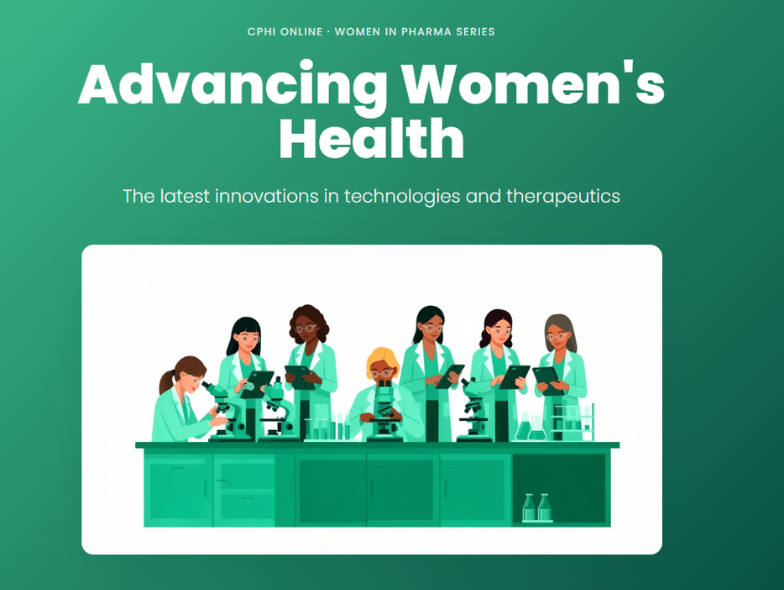
News Women in Pharma: Advancing Women's Health
Discover the latest innovations in technologies and therapeutics that are revolutionising women's health in our latest CPHI Online Women in Pharma infographic.
-

News CPHI Pharma Awards 2026: Recognising Excellence in an Evolving Industry
Submissions now open — deadline May 16
-
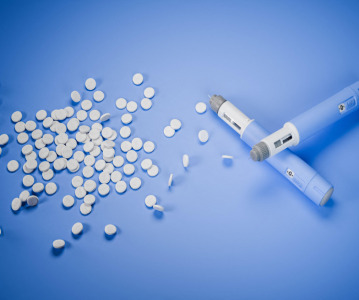
News Dr Reddy's to launch generic semaglutide in India
Dr Reddy’s Laboratories, one of India’s leading pharmaceutical companies, is preparing to launch a generic version of semaglutide, branded as Obeda, in March. Obeda is expected to provide a more affordable alternative to Ozempic a... -
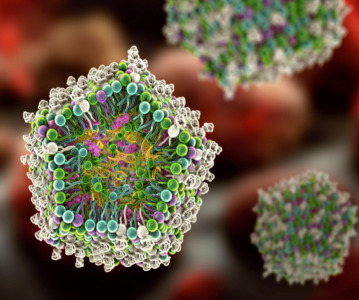
News Frontier Biotech and GSK Forge RNA Therapy Partnership
Frontier Biotechnologies and GSK have entered a global licensing agreement to advance small interfering RNA (siRNA) therapeutics. This collaboration grants GSK exclusive rights to develop and commercialise two promising siRNA candidates, marking a mile...