
Navigating Cross-Border Pharmaceutical Logistics: Strategies for a More Resilient Supply Chain
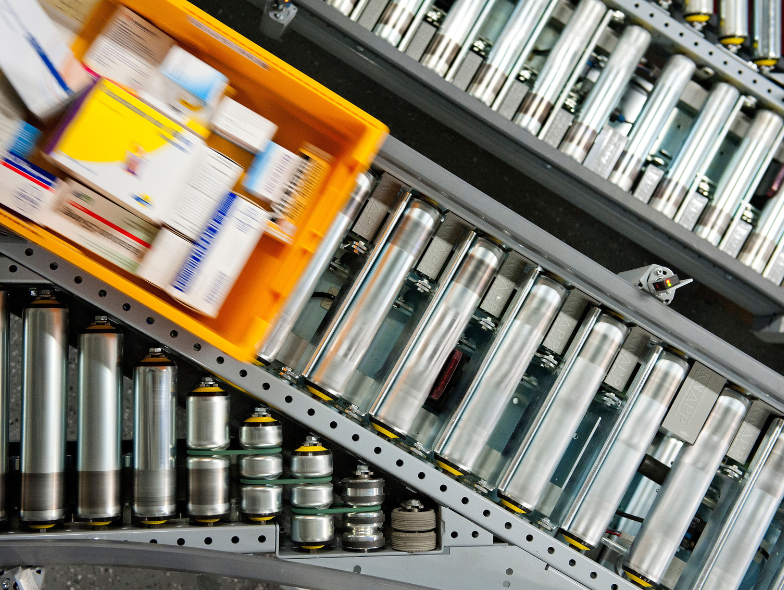
This is a feature article written by Nick Fryer, Vice President of Marketing, Sheer Logistics
 Nick Fryer has over a decade of experience in the logistics industry, spanning marketing, public relations, sales enablement, M&A, and more at 3PLs and 4PLs including AFN Logistics, GlobalTranz, and Sheer Logistics.
In the last few decades, pharmaceutical manufacturing has become increasingly globalised. This has presented a host of challenges, from the COVID-19 pandemic to anticipated disruptions related to the latest US trade tariffs. Each time potential disruptions arise, there’s a fresh call for onshoring, but the reality is that most drugs remain cheaper to produce in a country like India than in the US or UK.
Foreign supply networks aren’t going anywhere anytime soon, but neither are their challenges. The way forward lies in enhancing the resilience of these networks through improved risk management strategies and more advanced cold chain and tracking technologies. Keep reading to learn more.
The Challenges Facing Cross‑Border Pharma Logistics Today
Before considering mitigation strategies, let’s first break down some of the main challenges that cross-border pharma logistics teams are grappling with today:
- Regulatory Complexity: Each geography has its own guidelines and requirements for pharmaceutical documentation and traceability. Failing to comply can quickly lead to supply chain delays that cost businesses significantly.
- The Cold Chain: Many pharmaceuticals these days, both in ATP and final form, now need to be transported in highly controlled conditions to maintain integrity and shelf-life.
- Geopolitical Issues: Geopolitical issues have made global logistics more expensive or created disruptions that have forced businesses to reroute shipments. Issues like this continue to haunt all industries trying to operate on a global scale.
- Counterfeit Prevention: Just recently, the FDA had to issue a warning regarding counterfeit Ozempic sold outside of an authorised supply chain. Instances like these have placed legitimate business under added pressure to provide total transparency on their supply chains and manufacturing.
Strategic Risk Management: Buffering Delays, Disruptions, and External Shocks
With all the difficulties that cross-border pharma supply chains must contend with, it’s vital that businesses take a proactive risk management approach. One of the best ways to avoid sudden delays is by investing in data analytics that can help track and predict potential logistics disruptions long before they happen.
Transportation Management Systems (TMS) and Inventory Management Systems (IMS) can use both internal data as well as external factors such as weather and market shifts to provide visibility and insights on logistics and transportation operations. Analytics can also be used to track supplier risk factors and flag when diversification is needed.
How to Design a Robust Cold‑Chain Framework for Global Shipments
Cold chains can either be the reason for supply chain issues, or they can be the very thing that helps pharmaceutical companies ride out disruptions with ease. Here’s how to design a cold chain framework that supports global pharmaceutical sourcing and distribution:
- Start with the Products: The exact humidity and temperature levels required for safe transport of a product will largely determine what infrastructure is needed to support it.
- Map the Entire Journey: Traceability is key with pharmaceuticals, not just at the end of the process, but at the very start. Every aspect of a product’s journey needs to be mapped out in advance. This ensures that from the moment the product is picked up from the manufacturer to the moment it ends up in a user’s hand, the integrity of the cold chain has remained. Doing this at the start allows logistics teams to get ahead of potential risks and intervene on weaker points.
- Embrace Smart Refrigeration: This article will discuss smart tracking even more in the next section, but it’s worth touching on here too. Modern cold chain technology and refrigeration systems track environmental factors such as humidity and temperature in real time. This ensures much more stability during transport.
- Use Routing Technology: Even the best refrigeration technology can’t always make up for poor routing. Transportation management systems powered with live GPS tracking as well as AI analytics can ensure better routing choices and, as a result, less time in transit, which means less risk of cold chain breakdowns.
The Smart Tech and Analytics Enhancing Visibility and Traceability
The reason that today’s cold chain can be tracked so extensively is largely due to the implementation of IoT sensors. This technology can be used to track the condition and location of goods in transit and provide full supply chain visibility. RFID tags are another important tracking tool. Shipments marked with these tags are automatically picked up by RFID readers upon warehouse entry and exit so that inventory is never missed.
The result of all this tracking is two-fold. First, it enhances supply chain visibility so that delays are caught early and logistics teams are more able to make informed decisions in the face of those delays. Second, the data collected by tracking tools provides total traceability, making compliance much easier and ensuring that deliveries are less likely to be slowed by compliance issues.
Conclusion: Cultivating Supply Chain Resilience as a Competitive Edge
A supply chain that is fully visible and traceable, and has a robust cold chain, is already more resilient to delays than most. This enhanced visibility enables supply chain leaders to leverage predictive analytics for advanced risk prevention and agility.
It’s not just a matter of protection, though. It’s about competitiveness too. A more resilient supply chain means more on-time deliveries, fewer catastrophic delays, and better reliability overall. It gives pharmaceutical companies a chance to differentiate themselves and build a competitive edge that sees them through all the challenges of global logistics and more.
Related News
-
News Swiss pharma industry warns US tariffs could harm global patient care
The Swiss pharmaceutical sector has raised alarms over new US tariffs on medicines, warning of disrupted supply chains, increased costs, and delayed innovation, all of which could jeopardise patient access to essential treatments worldwide.
-

News Women in Pharma: CPHI India – India’s Pharmaceutical Industry and Gender Inclusion Challenges
India’s pharmaceutical industry has emerged as a significant player in the global market, valued at USD 50 billion in FY 2023-2024, according to Frost & Sullivan’s analysis. This sector encompasses a diverse portfolio, including drugs, vacc... -
News Biogen acquires Apellis Pharmaceuticals to boost immunology and rare disease profile
Biogen Inc. has announced its acquisition of Apellis Pharmaceuticals, Inc., a move that is set to significantly enhance its growth portfolio in immunology and rare diseases. The agreement, valued at approximately US$5.6 billion, will see Biogen purchas... -

News Gilead Sciences acquires Ouro Medicines for over US$2 billion
Gilead Sciences confirms a deal to take over Ouro Medicines, adding to a portfolio of therapies for autoimmune diseases.
-
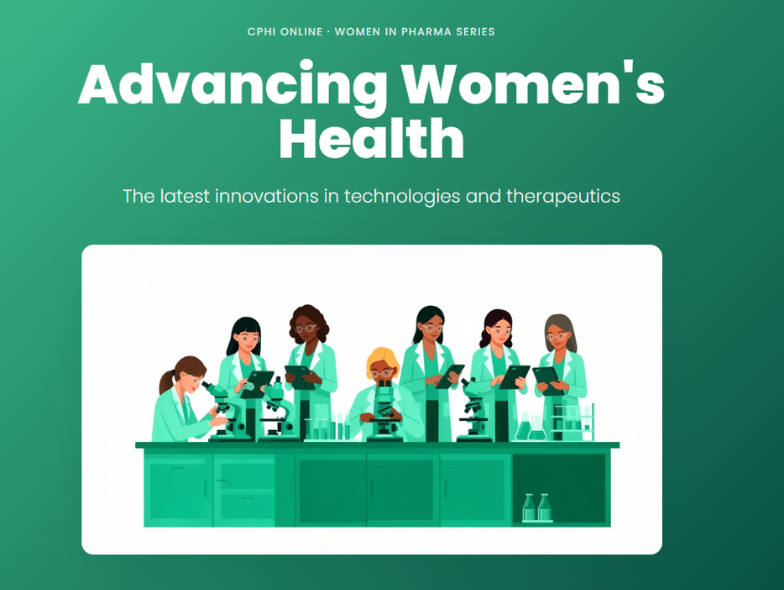
News Women in Pharma: Advancing Women's Health
Discover the latest innovations in technologies and therapeutics that are revolutionising women's health in our latest CPHI Online Women in Pharma infographic.
-

News CPHI Pharma Awards 2026: Recognising Excellence in an Evolving Industry
Submissions now open — deadline May 16
-
News Dr Reddy's to launch generic semaglutide in India
Dr Reddy’s Laboratories, one of India’s leading pharmaceutical companies, is preparing to launch a generic version of semaglutide, branded as Obeda, in March. Obeda is expected to provide a more affordable alternative to Ozempic a... -

News Frontier Biotech and GSK Forge RNA Therapy Partnership
Frontier Biotechnologies and GSK have entered a global licensing agreement to advance small interfering RNA (siRNA) therapeutics. This collaboration grants GSK exclusive rights to develop and commercialise two promising siRNA candidates, marking a mile...