
New Phase III Data in Asthma Patients Show Tiotropium Improves Lung Function, Regardless of Allergic Status

Boehringer Ingelheim has presented data on investigational tiotropium delivered via Respimat inhaler from five Phase III trials from the UniTinA-asthma programme at the 2015 American Academy of Allergy, Asthma & Immunology (AAAAI) Annual Meeting in Houston, Texas. Pre-planned analyses from the programem, including new data from the GraziaTinA study, showed that the addition of tiotropium Respimat in adult patients with mild, moderate and severe asthma who continue to experience symptoms despite the use of maintenance therapies, improved lung function as measured by peak forced expiratory volume in one second (FEV(1) ((0-3hr))) and trough FEV(1), independent of underlying allergic status. Tiotropium is being investigated to determine its efficacy and safety in treating asthma patients and is not currently approved for this indication.
"A significant number of asthma patients continue to experience symptoms despite treatment with available therapies and it is important to understand how a patient's allergic status might impact their response to treatment," said Kevin Murphy, Boys Town National Research Hospital, Omaha, Nebraska. "These data showed that the addition of tiotropium delivered via Respimat inhaler improved lung function in adults with asthma across a range of severities independent of underlying allergic status."
Tiotropium is being studied as a once-daily, add-on treatment in asthma patients who continue to experience symptoms (e.g., wheezing, shortness of breath, chest tightness and cough), despite the use of maintenance therapy including inhaled corticosteroids (ICS) with or without long-acting beta agonists (LABA). The studies included in these analyses were double-blind, placebo-controlled, parallel-group trials in adult patients with mild, moderate and severe asthma. A total of 3480 patients were randomized for the five trials to receive tiotropium 5 mcg, 2.5 mcg or placebo in addition to ICS with or without LABA. Three criteria were used to determine whether or not a patient had allergies: total serum immunoglobulin E (IgE, < or =430mcg/L [equivalent to 179.2 IU/L]), blood eosinophils (< or =0.6×10(9)/L), or investigator judgment (No/Yes). Patients were permitted to receive additional background therapy, which varied from trial to trial, and included treatments such as antihistamines, anti-allergic agents, nasal steroids and omalizumab.
Related News
-

News GSK announces £400 million investment in new Cambridge R&D centre
Pharmaceutical giant to establish flagship research facility on Cambridge Biomedical Campus as part of strategic pipeline acceleration
-

News Understanding the Benefits and Advances of Cleanroom Technology
In an industry where precision and sterility are crucial concerns, cleanrooms play a vital role in maintaining the integrity of pharmaceutical products like drugs, vaccines, and other medical products. So, what is a cleanroom?
-

News AbbVie secures GBP£1.2 billion deal for Gilgamesh’s psychedelic programme
AbbVie has penned a significant agreement to acquire the bretisilocin programme from Gilgamesh Pharmaceuticals for up to £1.2 billion, marking a bold step in the pharmaceutical giant's quest to develop treatments for psychiatric disorders. -

News Gates Foundation commits US$2.5 billion to women’s health research
The Bill & Melinda Gates Foundation has announced a substantial US$2.5 billion commitment to accelerate research and development focused exclusively on women's health through 2030.
-
News Mid-year review: notable FDA drug approvals of 2025
As we fly past the halfway point of 2025, the pharmaceutical landscape reliably continues to evolve with innovative therapies addressing critical medical needs. The FDA has already approved 17 groundbreaking medications this year, each representin... -

News US FDA announces new priority vouchers for accelerated review times
The US FDA announced a new priority program for drug developers – the Commissioner’s National Priority Voucher (CNPV) program aims to enhance the health interests of the US by allowing drug developers to redeem a voucher, shortening th... -
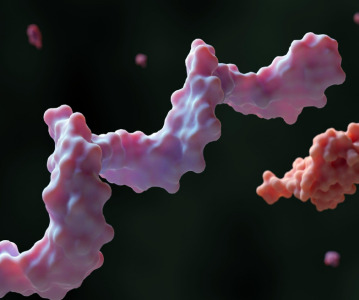
News Google-backed start-up raises US$600 million to support AI drug discovery and design
London-based Isomorphic Labs, an AI-driven drug design and development start-up backed by Google’s AI research lab DeepMind, has raised US$600 million in its first external funding round by Thrive Capital. The funding will provide further power t... -
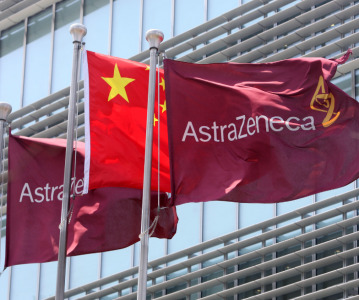
News AstraZeneca to invest US$2.5 billion in Beijing R&D centre
Amid investigations of former AstraZeneca China head Leon Wang in 2024, AstraZeneca have outlined plans to establish its sixth global strategic R&D centre in China. Their aim is to further advance life sciences in China with major research and manufact...