
NIH to evaluate effectiveness of male contraceptive skin gel

The gel formulation includes the progestin compound segesterone acetate, in combination with testosterone, and is applied to the back and shoulders and absorbed through the skin.
A clinical trial funded by the National Institutes of Health (NIH) will evaluate a male contraceptive gel for its ability to prevent pregnancy. The gel formulation was developed by the Population Council and NIH’s Eunice Kennedy Shriver National Institute of Child Health and Human Development (NICHD). The Population Council will collaborate with NIH to conduct the study in NICHD’s Contraceptive Clinical Trials Network.
“Many women cannot use hormonal contraception and male contraceptive methods are limited to vasectomy and condoms,” said study investigator Diana Blithe, chief of NICHD’s Contraceptive Development Program. “A safe, highly effective and reversible method of male contraception would fill an important public health need.”
The gel formulation, called NES/T, includes the progestin compound segesterone acetate (brand name Nestorone), in combination with testosterone. It is applied to the back and shoulders and absorbed through the skin. The progestin blocks natural testosterone production in the testes, reducing sperm production to low or nonexistent levels. The replacement testosterone maintains normal sex drive and other functions that are dependent on adequate blood levels of the hormone.
Researchers plan to enroll approximately 420 couples into the study. Male volunteers will use the NES/T gel daily for 4 to 12 weeks to determine whether they tolerate the formulation and to ensure they do not experience unacceptable side effects. If sperm levels have not adequately declined, they will continue to use the formulation for up to 16 weeks. Once their sperm levels have declined to a threshold sufficient for contraception, they will enter the efficacy phase, which will evaluate the ability of the formulation to prevent pregnancy. This phase will last for 52 weeks, and the couple will rely on the male partner’s application of the gel as the sole method of contraception. Males will remain in the study for observation for an additional 24 weeks after they discontinue the formulation.
Related News
-

News Pharmaceutical Supply Chain People Moves
The latest appointments, promotions, and structural changes across the pharmaceutical supply chain.
-

News Merck KGaA to buy US biotech SpringWorks for US$3.9 billion
The German multinational pharmaceutical company Merck KGaA have signed a deal to buy US biotech company SpringWorks Therapeutics at an equity value of US$3.9 billion in a move to add rare cancer therapeutics to their pipelines.
-

News Cassava Sciences halts Alzheimer's drug trial after limited progress
Cassava Sciences have drawn a close to their investigations and development of the drug simufilam, which they intended to be used for the treatment of Alzheimer’s disease.
-

News US FDA adds haemodialysis bloodlines to devices shortage list
On March 14, 2025, the US FDA published an open letter to healthcare providers citing continuing supply disruptions of haemodialysis bloodlines, an essential component of dialysis machines.
-

News Vertex Pharmaceuticals stock jumps as FDA approves non-opioid painkiller
UK-based Vertex Pharmaceuticals saw their stock shares soar as the US FDA signed off on the non-opioid painkiller Journavx, also known as suzetrigine, for patients with moderate to severe acute pain, caused by surgery, accidents, or injuries.
-

News Lessons from CPHI Milan 2024: Sunny Intervals for Pharma Manufacturing?
As the 2024 CPHI conference wrapped up in Milan, we caught up with L.E.K. Consulting – a global strategy consulting firm with deep expertise in pharma manufacturing – to discuss evolving market perspectives and business outlook. -

News US BIOSECURE Act passed by US House of Representatives
The controversial act, which has already impacted several foreign companies operating in the US, was passed by the House of Representatives on September 9, 2024. It is now headed for the US Senate before it can be signed into law by President Joe Biden... -
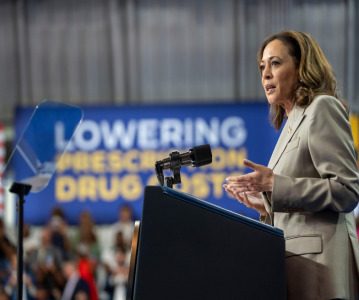
News Drug prices agreed upon as part of the US Inflation Reduction Act
The Inflation Reduction Act brought into constitution by the Biden administation in 2022, which proposed a drug price negotiation between the government and pharmaceutical companies, has reached it's first agreement.