- Home
- Excipients (Products)
CPHI Online is the largest global marketplace in the pharma ingredients industry
-
Products551,744
-
Companies7,781
-
Articles11,636
-
Events8
-
Webinars342
Excipients (Products)
Excipients (Products) Companies (200)

























































































































.png)





























Excipients (Products) News
-
News CPHI Podcast Series: What does an evolving pharmaceutical industry mean for excipients?
In the first episode of the CPHI Podcast Series for 2025, Evonne Brennan speaks about the future of the excipient field in pharma, and what challenges and changes could be on the horizon.
14 Jan 2025 -

News How to disrupt an industry as big as pharma for the better?
In this interview, hear from Matthew Wise, Head of Data at CCD Partners, on the companies they've been looking into that are offering new and interesting perspectives that have the potential to shake up the pharmaceutical industry, and how they'...25 Oct 2024 -

News What can you expect from CPHI Milan 2024?
CPHI Milan 2024 marks the 35th anniversary of CPHI. The 35th Edition of the show, taking place 8–10 October, promises to be a celebration of everything pharma, covering every sector, and featuring thought leaders and trailblazers shaking up the i...25 Jul 2024 -
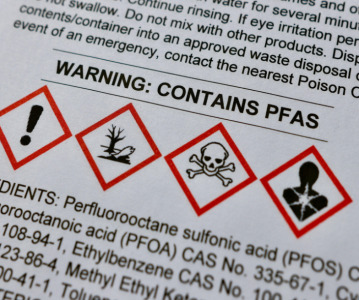
News How are new PFAS regulations impacting excipient manufacture? – CPHI North America Interview
In another interview from CPHI North America in Philadelphia in May, Peter Schmitt from Montesino Associates talks about his presentation on 'Navigating the Waters of Change: The Impact of New PFAS Regulations on the Manufacture of Excipients ...4 Jul 2024 -

News The CPHI North America agenda - see what's in store
CPHI North America will once again be held in Philadelphia this May. Philadelphia has been home to CPHI North America for several years and continues to be a hub for the US pharmaceutical market.
21 Mar 2024 -
News CPHI Podcast Series: What to expect from novel excipients?
In this month's episode of the CPHI Podcast Series, Digital Editor Lucy Chard is joined by Nick DiFranco, the Global Market Manager for Novel Pharmaceutical Excipients at Lubrizol Life Science to discuss the ins and outs of excipients, how the...29 Feb 2024 -
.png)
News Roquette expands plant-based excipient portfolio with Crest Cellulose acquisition
Crest Cellulose, an Indian excipient manufacturer, has been acquired by plant-based pharmaceutical excipient provider Roquette in a bid to increase the latter’s presence in the Asia Pacific region.
4 Oct 2022 -

News Dr. Paul Lohmann® - Your Partner for high value Mineral Salts
With our expertise in the chemical and physical modification of Minerals and our customer-oriented philosophy, we are the ideal partner to turn your ideas into reality. Meet us at CPHI stand #110F50!27 Sep 2022 -

News Accepting novel excipients for innovative drug development
With the rapid development and manufacturing of new drugs and therapeutics being pushed through the pipeline, excipient manufacturers are navigating a challenging landscape to meet the demand for new and novel excipients.
30 Aug 2022 -

News CPHI Podcast Series: The importance of novel excipients for innovative drug development
The latest episode in the CPHI Podcast Series dives into the world of novel excipients and explores their importance for innovative drug development.
2 Aug 2022 -

News Hovione and Zerion Pharma collaborate to commercialise low drug solubility solution
By joining forces, the two companies will be able to bring Dispersome to the market faster for novel drug development
22 Feb 2022 -

Sponsored Content Croda: Solutions for Your High Value Drug Products
Formulating a drug for parenteral delivery comes with its fair set of challenges. Aside from a high level of sensitivity to external factors like light and heat exposure, these large and complex drugs are prone to degradation when exposed to various ch...11 Feb 2022 -

News UPDATED: COVID-19 Vaccine and Therapeutic Development Tracker
The latest coronavirus updates and developments impacting the global pharmaceutical supply chain. Includes the latest news surrounding the therapeutic developments, updates to vaccines and boosters, and the global pharmaceutical regulations that need t...23 Aug 2025 -

News Roquette to advance drug delivery research with new US Innovation Center
The new facility will focus on the research of excipients for oral dosage forms, drug delivery systems, nutraceutical APIs and innovative pharma ingredients14 Dec 2021 -

News CPHI releases Pharma Trends 2022 report
CPHI has launched its forward-looking pharma trend report for 2022 and it is now available to read on CPHI Online.6 Dec 2021 -

News CPHI Podcast Series: Annual Report 2021 Roundtable
In this special edition podcast, Informa Markets pharma editor Gareth Carpenter speaks to Bikash Chatterjee, CEO at Pharmatech Associates and Dan Stanton, Editor and Founder at BioProcess International about some of the findings in the recently pu...23 Nov 2021 -

News CPHI Worldwide is back, and this time it’s hybrid
A new in-person and online edition of CPHI Worldwide, transforming your event experience.1 Nov 2021 -

Sponsored Content CPHI Webinar: Develop ODTs in a FLASH with UltraBurst™ - Watch On Demand
Catch up on the latest trends and developments in orally disintegrating tablet (ODT) formulation development
30 Sep 2021 -
Sponsored Content IFF Pharma Solutions: Paving the Way for Superior Suspensions
Shawn Branning, Global Strategic Marketing Manager at IFF – Pharma Solutions
30 Sep 2021 -

News The Top Ten CPHI Discover Company Showcases
CPHI Discover (May 17-28) gave Pharma companies, suppliers and service providers the opportunity to keep potential buyers and partners abreast of the latest news, product information and market trends in the form of free-to-access, downloadable content...3 Jun 2021
Excipients (Products) Products (200)
-
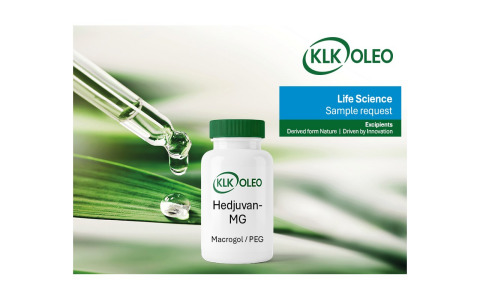
Product Macrogol / PEG liquid - Hedjuvan-MG400 - MG1000
Liquid Macrogols (PEG) are high quality excipients. The products are manufactured at the KLK OLEO site in Hedingen (Switzerland) and are tested according to the specifications of the current Ph. Eur. and USP. From the liquid Macrogols (PEG), Hedjuvan-MG400 is additionally tested for TEMC/TYMC/Bacterial ...
-
Product 6-Aminohexanoic Acid (Ph. Eur., BP, USP) IPEC grade CODE 63B764
6-Aminohexanoic Acid (Ph. Eur., BP, USP) IPEC grade

-
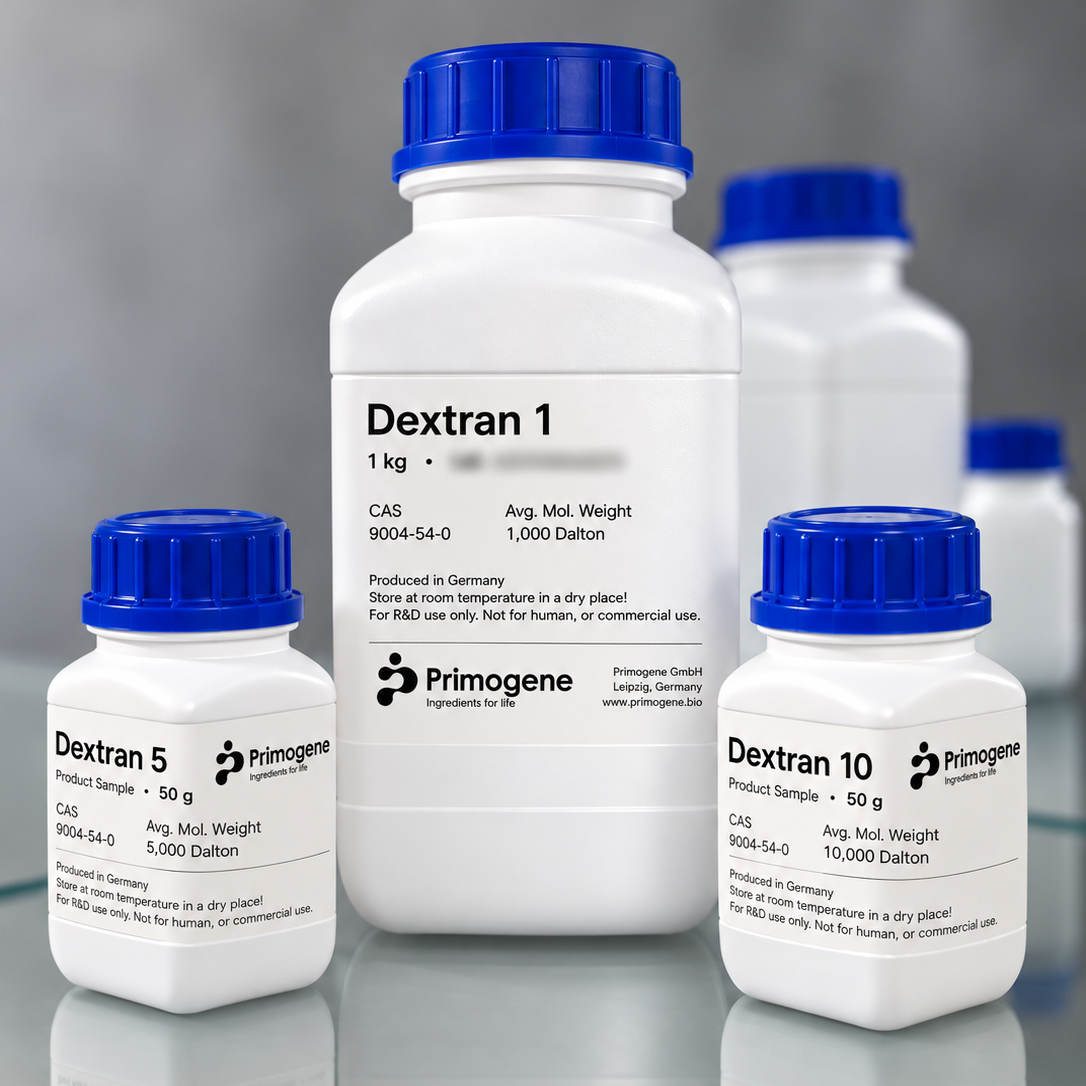
Product Dextran
Dextran 1 Dextran 1.5
Dextran 2
Dextran 2.5
Dextran 3
Dextran 4
Dextran 5
Dextran 10
Dextran 20
Please inquire for specific version of Dextran.
-
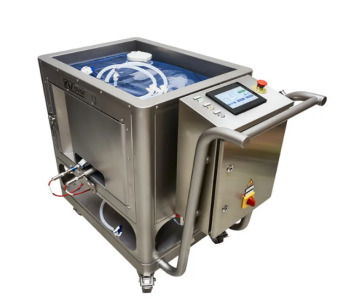
Product Avantor® Magnetic Mixing Systems
Avantor® Magnetic Mixer systems provide controlled, low-shear mixing for aseptic bioprocess applications. Featuring a levitating magnetic impeller design, they deliver consistent and efficient mixing while helping protect shear-sensitive materials, maintain product quality, and reduce contamination risk. A...
-
Product PURA Series™ Microcrystalline Cellulose (MCC)
PURA Series™ MCC offers a versatile portfolio tailored to the needs of the pharmaceutical and nutraceutical industries and beyond, with a broad range of particle sizes and unique morphologies.
Every product in the PURA Series™ delivers the highest standards of purity and quality while setting a new ...
-
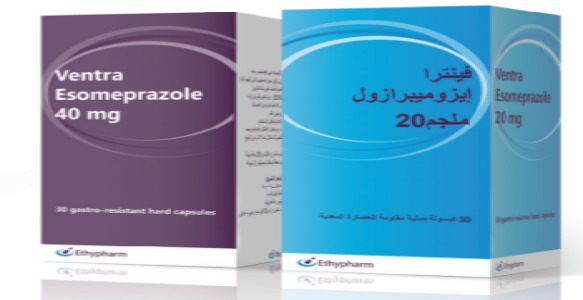
Product Esomeprazole Gastro-resistant Capsules
Ventra® is an esomeprazole-based gastro-resistant capsule designed for effective acid management and long-lasting gastric protection. Available in 20 mg and 40 mg strengths, it utilizes advanced microgranule technology to ensure controlled and sustained drug release, improving absorption and reducing varia...
-
Product Controlled Release
Colorcon offers an enhanced portfolio of polymers for controlled release drug delivery systems along with application expertise to meet customers’ formulation needs and help speed their products to market.

-
Product Complexol-HP (Hydroxypropyl Betadex)
Hydroxypropyl Beta Cyclodextrin (HPBCD) is a water-soluble derivative of Beta Cyclodextrin, widely used as a complexing agent in pharmaceutical formulations. It enhances the solubility, stability, and bioavailability of poorly soluble drugs, making it an essential excipient for modern drug delivery systems.
-
Product Magnesium hydroxide
MAGNESIA GmbH provides a wide range of mineral raw materials which includes Magnesium hydroxides. Contact us for more information.
-
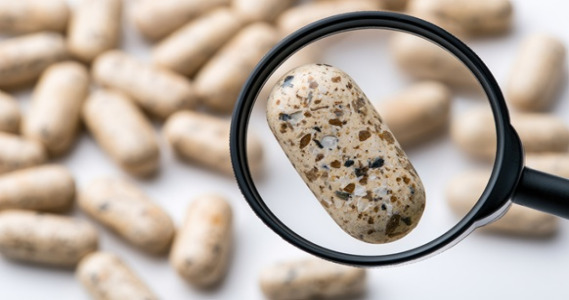
Product Contaminants
Neotron Pharma, thanks to its many years of experience in the Food department, is able to quantify the presence of contaminants such as Pesticides, Aflatoxins, Mycotoxins under GMP regime. This type of analysis can be fundamental for all those suppliers of raw materials and Erbal intended for the supplemen...
-
Product DuPont™ Liveo™ Silicone Topical Technologies
Improve the efficacy and compliance of your topical formulations with DuPont’s versatile range of silicone-based ingredients that allow you to formulate innovative solutions for the efficient delivery of your active pharmaceutical ingredients (APIs) in topical forms like creams, lotions, gels, ointments...

-
Product PEG Linkers for Targeted Protein Degraders (TPD), PROTACs, DACs, and LYTACs
High-quality GMP manufacture of monodisperse PEG linkers, for targeted protein degraders (TPD), including PROTACs, Ligands for E3 Ligase, and E3 Ligase Ligand– PEG Linker Conjugates, DACs, and LYTACs. Laboratory Synthesis to Large Scale GMP Manufacturing with Flexibility to Meet Customers’ ...

-
Product PALMSTAR ZPR-2-V-MI-MB
PALMSTAR ZPR-2-V-MI-MB is a Zinc Stearate for pharmaceutical applications. It is used as an alternative lubricant if Magnesium and Calcium Stearate are incompatible with the API. Furthermore it can be used as a hydrophobing agent with antimicrobial properties for creams and as a stabiliser as well as a rel...

-
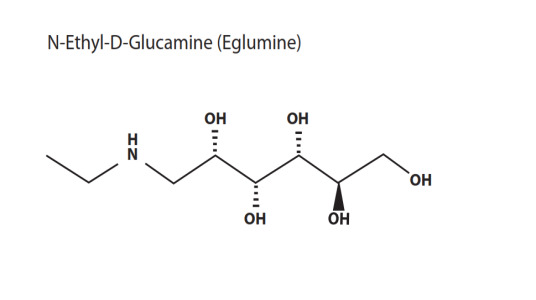
Product N-Ethyl-D-Glucamine / N Ethyl Glucamine / Eglumine
It is commonly used as a buffering agent in the manufacture of various drugs, including vaccines, antibiotics, and anticancer agents. Additionally, this compound is used as a chelating agent in chemical synthesis and in the purification of proteins.
-
Product Certified Zinc Oxide
Produced via the high-purity French (Indirect) Process, our pharmaceutical-grade ZnO serves as a high-performanceActive Pharmaceutical Ingredient (API) and excipient.
GMP certified conform ICH-Q7
First GMP Certified ZnO factory
CEP for your smooth registrations
ISO 9001:2015 certi...

-
Product viatel™ bioresorbable polymers
Designed for use in the pharmaceutical and medical industries, viatel™ bioresorbable polymers, the platform portfolio contains:- many GMP grades- viatel™ ultrapure high-purity bioresorbable polymers for long-acting injectables and implants, and- customized lactide/glycolide/caprolactone based polyester ch...
-
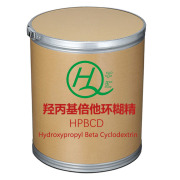
Product Hydroxypropyl Beta Cyclodextrin
In Pharmaceuticals:
Hydroxypropyl beta cyclodextrin is a solution to insoluble or low solubility drugs(including plant extracts).Through molecular encapsulation,it could increase the drug solubility and control the release rate of the drug,increase the drug's bioavailability and reduce the...
-
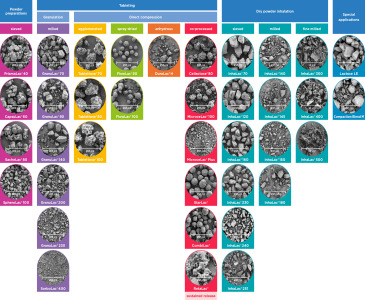
Product Lactose Product Portfolio
MEGGLE has it: The Right Lactose Product for all Needs
The world of lactose is our whole world. With this in mind, our products are aligned specifically to your needs and applications. For further information on any product shown here, please see the detailed, individual product brochure ava...
-
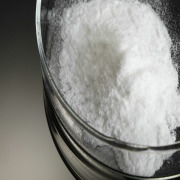
Product Sunvidone ®K/Povidone K series
Huzhou sunflower pharmacetuical co. Ltd offers a wide range of products which includes povidone K series. Feature: it is an aqueous solution of synthetic polymer compound is n vinyl pyrrolidone polymers are linear. It is white to milky white amorphous powder, having a bulk density of 0.4 to 0.6; odor...
-
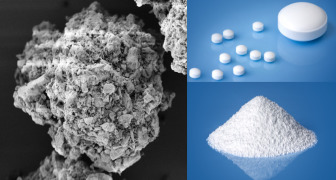
Product galenIQ™ 721
BENEO-Palatinit GmbH provides the pharmaceutical excipient galenIQ™ 721. It is an agglomerated spherical isomalt for direct compression applications. General benefits: high agglomerate stability and excellent flow; morphology ensures homogeneity of the mix and content uniformity; very low compression force...
-
Product AnyCoat-C® (Hypromellose); HPMC; Hydroxypropylmethylcellulose
AnyCoat-C® is a beloved brand name of the cellulose ether manufactured by LOTTE Fine Chemical.
Properties: white or yellowish white powder; soluble in mixed organic or aqueous solvent; making up transparent film when solvent remove.
Applications: Pharmaceutical excipient, food...

-
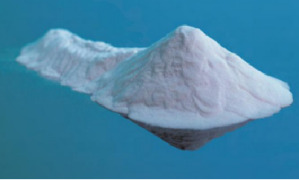
Product MOONITOL®️Mannitol
Qingdao Bright Moon Seaweed Group Co,Ltd provides wide range of raw materials including Mannitol. We are the earliest domestic manufacturer of mannitol in China, including industry, food, pharmaceutical excipient and API. Contact us for more information.
-
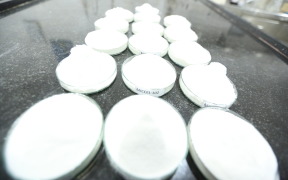
Product MICCEL-S (Silicified Microcrystalline Cellulose)
Ankit pulps & boards pvt ltd offers a wide range of products which includes MICCEL S.
Feature: It is the mixture of microcrystalline cellulose and colloidal silicon dioxide (mcc/csd at 98:2 ratio) and most compactible grade of smc with flow characteristics similar to doubling the parties size of mcc...
-
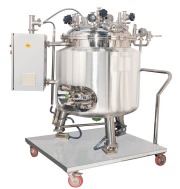
Product Sterile Process Manufacturing Vessel
Design as per ASME / APM Standard
All Contact part SS 316 L Quality and Non Contact Part SS 304 Quality
Provision for CIP/SIP Facility
Zero dead leg Flush Bottom Discharge valve with SIP Able.
Load cell Facility available
Ph Sensor / Conductivity Sensor / DO Sensor provide on Demand for Onli...
-
Product Polyglykol
Effective and high-purity ingredients including a complete range of Polyglykols (Macrogols) our universally applicable pharmaceutical polymers, with various molecular weights, supported by CEP certification and DMF type II documentation.

-
Product Glyceryl Dibehenate / Glyceryl Behenate
Our EP/USP/IIG listed Stelliesters DBHG, Is An Excellent Multifunctional Excipient, Lubricant, Sustained Release Agent, Taste Masking Agent And A Hotmelt Matrix.
Join Our Booth To Discuss Your Projects With Our Oral Formulation Experts.


-
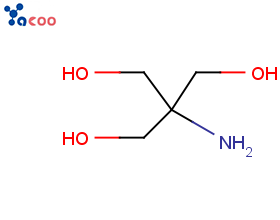
Product TRIS
English Name:Tromethamine
Molecular Formula:C4H11NO3
Molecular Wt:121.14
CAS:77-86-1
Assay : ≥99.5%
Appearance : White crystalline powder
TRIS is an important pharmaceutical intermediate that can be used to synthesize dexketoprofen tromethamine and ...
-
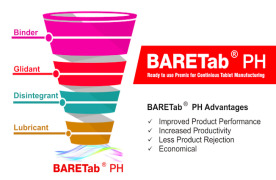
Product BARETab® PH - The All-in-one Excipient for Oral Solid Dosage Forms
BARETab® PH is an innovative multifunctional co-processed Ready To use excipient and comprising of three or four different Pharmacopeial excipients. Co-processing makes BARETab® PH superior in flowability, compaction, lubricity, disintegration, stability and content uniformity. BARETab® PH performance is s...
-
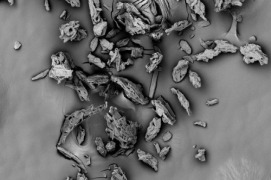
Product Pharmacel® 112
Pharmacel® 112 is a directly compressible microcrystalline cellulose grade with a low moisture content (LOD Max. 1.5% w/w), especially designed for formulating active pharmaceutical ingredients (APIs) with a high sensitivity for moisture.
Pharmacel® 112 can be used in a wide range of oral ...
-
Product Manufacturing
Custom API Manufacturing, Fermentation, Finished Dosage Form, High Potency, Lipid Nanoparticle, Rare / Orphan, Stability & Release Testing, Sterile Fill Finish, APIs & Intermediates, Fine Chemicals

-
Product Dispersome® Technology
Dispersome®️ – A green technology for drugs
The Dispersome® technology uses high quality whey protein, an environmentally friendly by-product from cheese production, to improve the solubility and bioavailability of poorly soluble drugs.
To watch explanatory Dispersome...
-
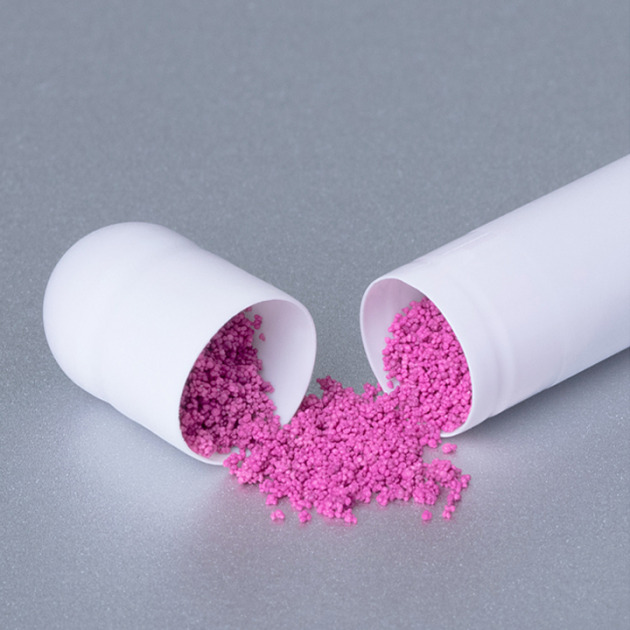
Product EUDRACAP® Functional ready-to-fill capsules
EUDRACAPTM functional ready-to-fill capsules can optimize your release profile, protect your active ingredients, and help accelerate your speed to market. EUDRACAP™ is ideal for use with active ingredients which are sensitive to heat, moisture or gastric acid to optimize absorption and avoid premature ...
-
Product DRUGCOAT - Methacrylic acid Copolymer based Basic Pharma Polymer
DRUGCOAT L 30D / L 100-55 / L 100-55DDRUGCOAT L 100 / L 12.5
DRUGCOAT S 100 / S 12.5 / FS 30D
DRUGCOAT E 100 / E PO / E 12.5
DRUGCOAT RL 100 / RL PO/ RL 12.5
DRUGCOAT RS 100 / RS PO/ RS 12.5
DRUGCOAT NE 30D

-
Product Sodium Carbonate
Dr. Paul Lohmann® offers a wide range of high-quality Mineral Salts suitable for pharmaceutical applications. Our Sodium Carbonate is a highly suitable as excipient for tablet dosage forms. Please contact us for more information.


-
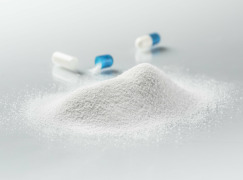
Product Lactalpha 50
Lactalpha 50 is a 50 Mesh pharmaceutical grade sieved lactose conforming with the lactose monohydrate monograph of the current Pharmacopoeias (Ph. Eur., USP-NF and JP). The flowability of Lactalpha 50 makes it efficient as a diluent in capsule or sachet formulation.
Manufactured in Retiers,...
-
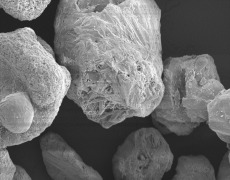
Product MANNITAB™ SD2
Mannitol powder
Binder for direct compression
USP/NF, Ph. Eur., BP, IP
Particle size: 200 µ

-
Product NOVOMIX Range
NOVOMIX,NOVOMIX-GEN,
NOVOMIX-MR,
NOVOMIX-ENT,
NOVOMIX-SP,
NOVOMIX-TR,
NOVOMIX-GLOW,
NOVOMIX-FAST,
NOVOMIX-MC,
NOVO-LEACH,
NOVO-SHINE
NOVOMIX-TF

-
Product Carbopol® Polymers
For over six decades, the pharmaceutical industry has utilized multifunctional Carbopol® polymers for developing differentiated drug product innovations. Today, the Carbopol® polymer range continues to provide highly effective controlled-release properties for oral tablets at ...

-
Product PVP K-Series (Povidone)
PVP K12 PVP K17
PVP K25
PVP K30
PVP K90
Povidones
Polyvinylpyrrolidone
SynVidone K-Series

-
Product PharSQ® Coarse
PharSQ® Coarse A/D/T are dibasic calcium phosphate or Tribasic calcium phosphate based products and are designed for direct compression and hard capsule filling. In addition to their excellent flow properties, they offer various solutions for technological challenges such as poor compactibility of active i...

-
Product sodium alginate
Sodium alginate is widely used in the pharmaceutical industry thanks to its biocompatibility, non-toxicity, and gel-forming ability.


-
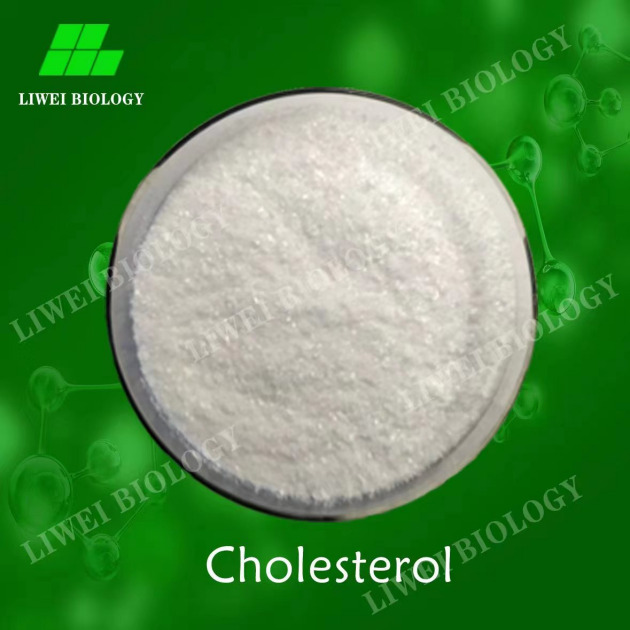
Product Cholesterol (Injection Grade)
Our Injection Grade Cholesterol is a pharmaceutical-grade raw material meeting strict injectable standards, ideal for biotech and pharmaceutical applications.It acts as a critical adjuvant in lipid-based drug delivery systems (e.g., liposomes) for vaccines and targeted therapies, enhancing formulation sta...
-
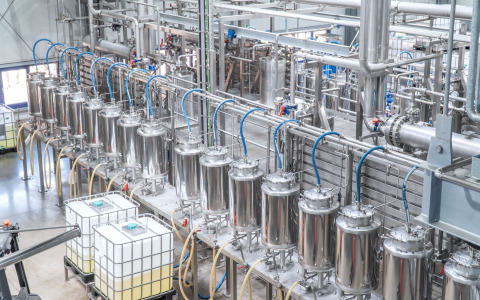
Product KD Pharma lipids APIs and Intermediates
Lipid Portfolio
Omega-3 APIs
· Largest producer of omega-3 APIs worldwide
· Ultra-high purity: EPA up to 99%, DHA up to 95%, tailored ratios
...
-
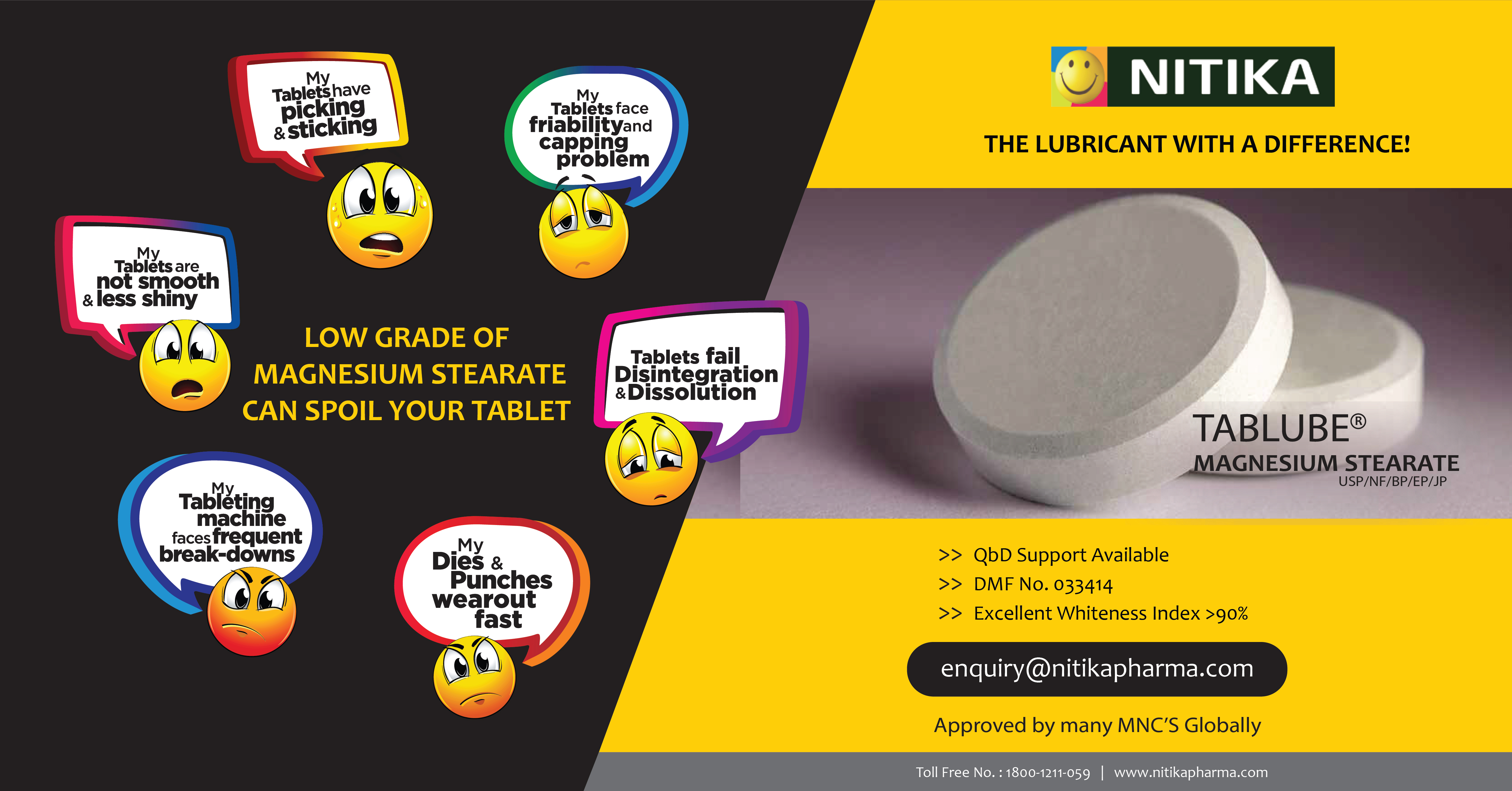
Product TABLUBE - MAGNESIUM STEARATE
Nitika Pharmaceutical Specialities Pvt Ltd provides wide range of excipients which includes Tablube - Magnesium Stearate. It's a type of lubricants and glidants.
Product Description:
· DMF Available
· &nbs...
-
Product PharmaSugar®
PharmaSugar® is the benchmark for formulations requiring dry or liquid sugar as an excipient.
Our products are manufactured by ISO 9001, ISO 14001, FSSC 22000 certified, GMO-free and ANSM registered sugar refineries. The batch-based management of PharmaSugar® products ensures full tr...
-
Product Hydroxypropylcellulose low-substitued (L-HPC)
Your benefits
- wide range of types to cover various applications and technologies
- produced according to IPEC-GMP guidelines
- Chinese DMF available
- increase the stability of your API in the finished dosage form and enables formulation of smaller table...
-
Product Emulfree Duo
Emulfree® Duo is a ready-to-use system. It has been designed to stabilize the oil phase within a bi-gel, an emerging topical formulation, by ensuring fine and homogeneous dispersion in the aqueous phase. As a PEG-free excipient, it is ideal for sensitive skins and mucosea.


-
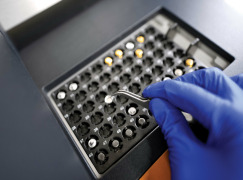
Product Analytical Services
Actylis performs routine and non-routine analytical testing for various industries, in support of manufacturing processes, QA/QC functions, R&D projects, and environmental applications. Leveraging state-of-the-art instrumentation, extensive knowledge base, as well as internal, cross-functional competen...
-
Product Montanox™
The MONTANOX™ range is composed of different grades of polysorbates that can be used to solubilize active pharmaceutical and/or biological ingredients and to formulate oil-in-water emulsions for oral, topical and injectable products.
• MONTANOX™20 PHA PREMIUM: Polysorbate 20 • MONTANOX™60 PHA PREMIU....png)

-
Product Multifunctional Excipients
The right excipient can substantially impact manufacturing efficiency, dissolution, therapeutic effectiveness, and stability of the final dosage form. SYLOID® FP silica’s unique, innovative design combines adsorption capacity, particle size, density, and internal surface area to provide multifunctional ben...

-
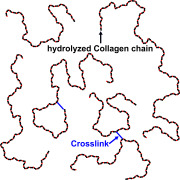
Product Polygeline
Serumwerk Bernburg AG is a knowledge base regarding the production of polymer-containing sterile solutions, which can be used for a wide variety of purposes (e.g. volume replacement therapy, adjuvant in the production of vaccines). In recent years, customized formulations based on starch or gelatin have be...
-
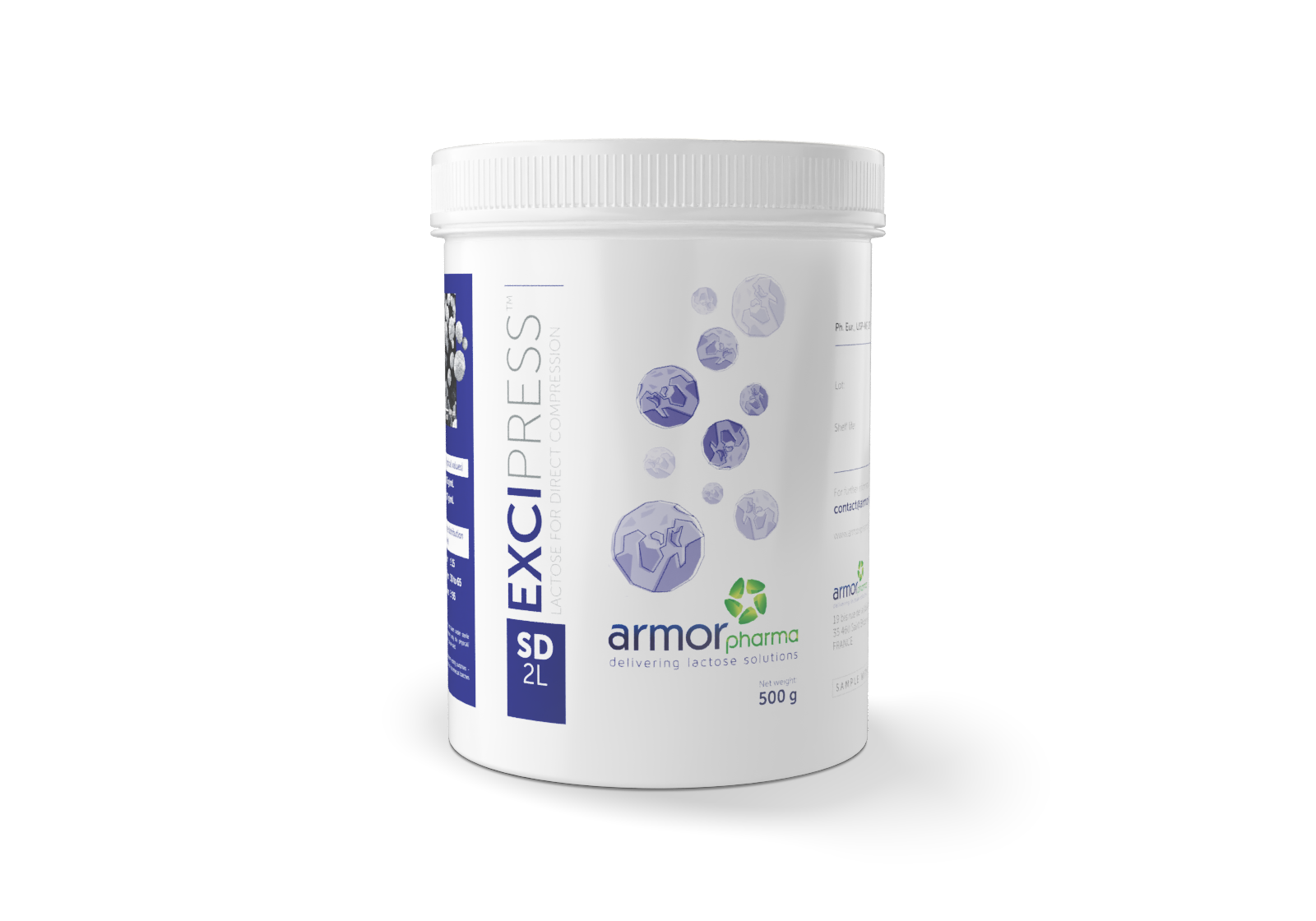
Product EXCIPRESS™ SD2L
EXCIPRESS™ SD2L is a Spray-Dried lactose typically used for Direct Compression.
Spray-Dried lactose consists of fine primary lactose particles bound in a matrix of amorphous lactose. Its spherical shape enables the highest flowability.

-
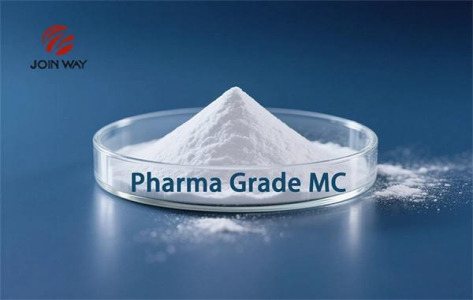
Product Pharma Grade Methyl Cellulose (MC)
Methyl cellulose (MC) is a safe, stable pharmaceutical excipient. Meska Joinway produces high-quality MC that meets GMP standards for reliable, consistent products. Its products have the following functions:
· Increases the viscosity of the liquid, making the formulation more stable;
· Help...
-
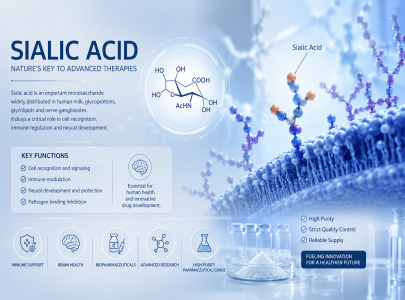
Product sialic acid
Bird's nest acid" is synonymous with sialic acid—scientifically known as N-acetylneuraminic acid. It is a naturally occurring nine-carbon monosaccharide derivative found widely on the surface of animal cell membranes
Promotes Brain Development: Sialic acid is a crucial component of brain gangliosi...
-
Product Propylene Glycol Ph.Eur./USP(JP) (parenteral grade)
Propylene Glycol is manufactured by Dow Deutschland at a dedicated facility in Stade. Manufacturing complies with requirements of IPEC-PQG GMP.
A GMP audit will perfomed by Hedinger every three years. A report is available for customer after signing a CDA.
Handling of Propylene Glycol by Hedinger...
-
Product Protected Amino acids and its derivatives for peptide synthesis
Comprehensive portfolio of N- and O-protected amino acids (Fmoc, Boc, Cbz, OtBu, esters) in L & D configuration for solid and solution phase peptide synthesis. Supporting GLP-1 analogues, peptide APIs, excipients, linkers and amino acid–based intermediates.
-
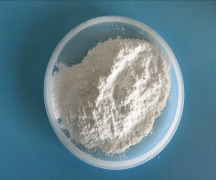
Product Magnesium Stearate
Magnesium stearate is a very fine, light white, precipitated or milled, impalpable powder of low bulk density,having a faint odor of stearic acid and a characteristic taste. The powder is greasy to the touch and readily adheres to the skin.
-
Product Commercial Support
Selectchemie AG provides a wide range of services including commercial support. Our experienced professionals are at your service at locations in 18 countries to deliver tailor-made solutions according to your needs. Contact us for more information.

-
Product CROSCARMELLOSE SODIUM
odium croscarmellose is an internally cross-linked sodium carboxymethylcellulose for use as a superdisintegrant in pharmaceutical formulations.
-
Product APISAL (Sodium chloride API)
For the exceptionally high requirements in pharmaceutical manufacturing processes, we produce pure pharmaceutical salt exceeding the purity requirements stipulated in the pharmacopoeias. All steps of production, analysis, and quality control comply with these strict principles. APISAL® is obtained from a p...
-
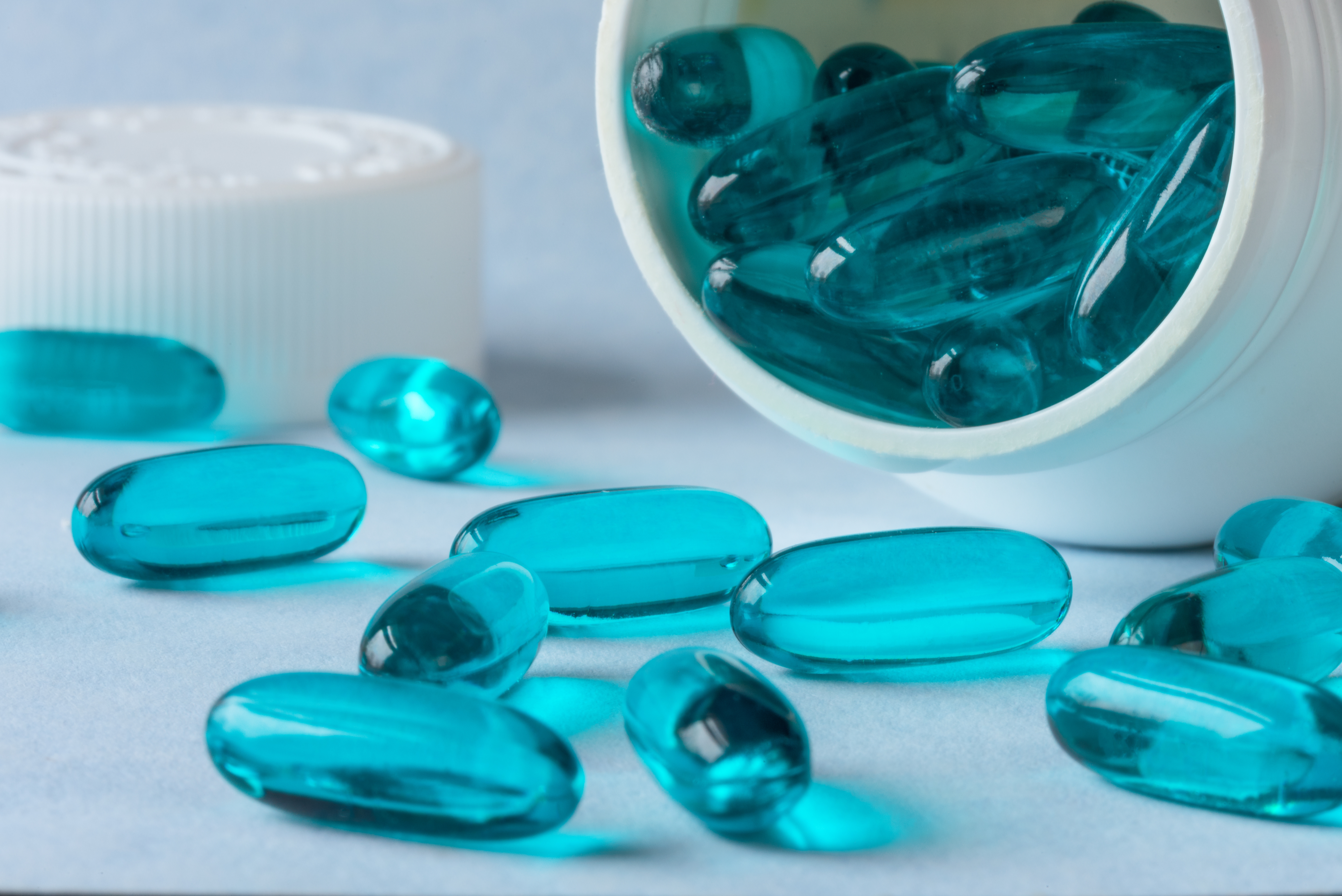
Product Excipients for Gel Capsules
CARBOWAX™ SENTRY™ Liquid Polyethylene Glycol (PEG) is a pharmaceutical excipient which can be used in the manufacturing of gel capsules as hydrophilic fillers aiding solubilization of active pharmaceutical ingredients (APIs). PEG also acts as a plasticizer in the coating of gel capsules. Our liquid PEG exc...
-
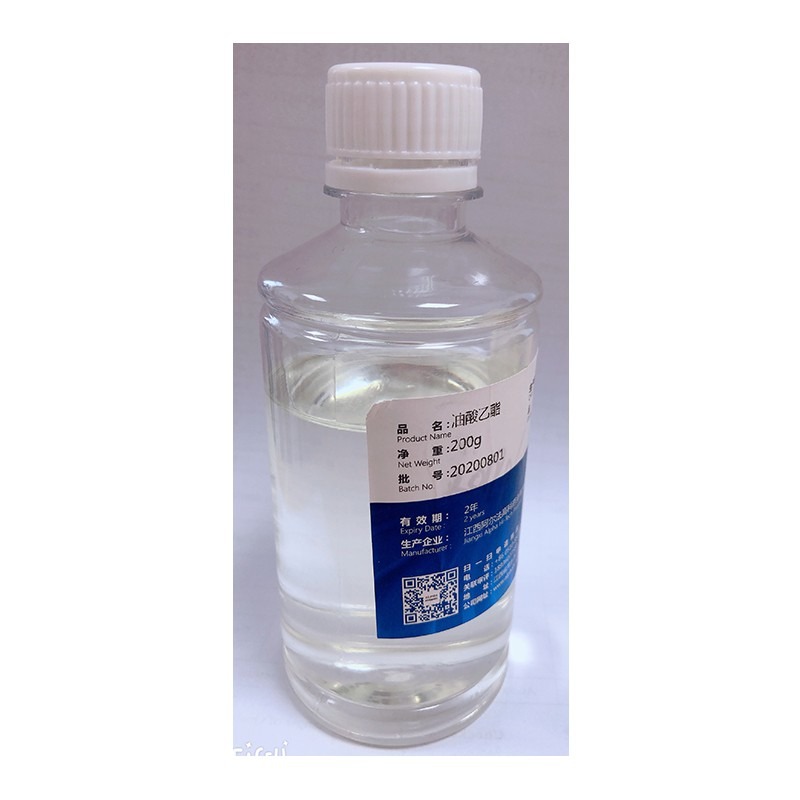
Product Ethyl Oleate
Appearance: Colorless to pale yellow clear liquid.
Almost insoluble in water, miscible with ethanol, dichloride methane or petroleum ether. It can be miscible with isopropanol in any proportion. Application:
Used as a solvent, a transdermal absorption enhancer, a lubricant and a pl...
-
Product Povidone K series
Povidone K series have been widely applied in medicine and is one of the three new pharmaceutical excipients advocated internationally, among which the most widely used as adhesives for tablets and granules. PVP can also be utilized as flow aid for capsules, detoxifying agent and lubricant for op...
-
Product Trusted Ingredients for Pharmaceuticals
With Spectrum Chemical, meet the requirements specified in the USP and NF monographs, which are the official standards for all prescription and over-the-counter medicines, dietary supplements, excipients and other healthcare products.
- Ideal for parenteral, oral, topical and ophthal...
-
Product Neohesperidin Dc pharma grade
Our Neohesperidin dihydrochalcone serves as an excipient, fulfilling a dual role as both a sweetener and a masking agent in oral drug delivery formulations. This additive is obtained through the hydrogenation of Neohesperidin, a flavanone naturally occurring in bitter oranges (Citrus aurantium). Its primar...

-
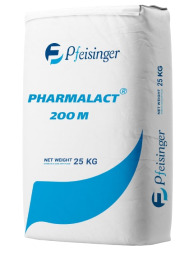
Product LACTOSE (80M, 200M, ANHYDROUS)
PHARMALACT® 200M is finely milled α-lactose monohydrate powder meticulously manufactured by Pfeisinger GmbH. This product, defined by its 200-mesh particle size, redefines excellence in tablet manufacturing through optimal compaction and blending properties.PHARMALACT® 80M, a coarse free-flow...
-
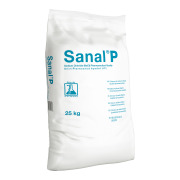
Product SANAL® P Pharmaceutical Sodium Chloride (API)
SANAL® P Sodium Chloride Pharmaceutical Quality is an active ingredient in both parenteral and peritoneal solutions and a base material for hemodialysis and hemofiltration solutions as well as other pharmaceutical applications.
Sanal® products exceed the stringent requirements of monographs...
-
Product Pharmaceutical Grade Polyethylene Glycol 400
Polyethylene glycol is widely used in various preparations, such as injection, local preparation, eye preparation, oral and rectal preparations.
At the solid level, Polyethylene glycol can be added to the liquid polyethylene glycol to adjust the viscosity for local ointments.
Polyethylene glycol ...
-
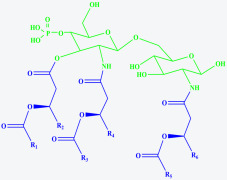
Product MPLA (Monophosphoryl Lipid A)
MPLA (Monophosphoryl Lipid A) refers to monophosphoryl lipid A, an effective, safe and non-toxic vaccine adjuvant. It is a highly specific TLR4 agonist that can activate the natural immune response, induce the production of cytokines, and increase the antigen uptake, antigen presentation and activation of ...
-
Product IMWITOR® 375
IMWITOR® 375 is a safe, powerful and versatile solubilizer for Pharma and Nutraceutical uses, that addresses a range unmet functional needs regarding innovativeness, bioavailability improvement, labelling and protectability. If processed correctly, IMWITOR® 375 is a key ingredient to topical and oral fo...
-
Product European Pharmacopoeia, Reference Standards & Certificate of Suitability
The European Pharmacopoeia (Ph. Eur.) is the official pharmacopoeia in Europe, providing legally binding quality standards (monographs) for medicinal products. These monographs ensure that any impurities resulting from the manufacturing process are identified and suitably controlled, so that the medic...
-
Product Ginkgo Biloba Extract
Changsha Huir Biological-Tech Co., Ltd. is a Pre-listed professional herbal extracts and APIs manufacturer with Five Plants in China, Three Warehouses in USA(CA,NY,FL), One warehouse in Europe Changsha Huir Biological-Tech Co., Ltd. Hunan Huirui Pharmaceuticals Co; Ltd Address: Fl 20, Jin...
-
Product Flavors and Taste modulation solutions for Pharma
Flavors and taste modulation solutions offer exciting opportunities for developers to enhance drug palatability, improve patient compliance, optimize treatment outcomes, and boost brand value. However, designing effective taste profiles is a complex science. We offer:- A pharma-specific taste portfoli...

-
Product Readycoat
Pre-mix coatings for Pharmaceuticals, Nutraceuticals and herbal industries to be applied on tablets, pellets, pills

-
Product Colours, Water Soluble Dyes, Solvent Soluble Dyes, Lakes, Pigments (Organic & Inorganic)
High Purity Colours with low impurity range of "One World One Quality" products meeting six major legislations of the world i.e. USA, Europe, Japan, China, India and JECFA wherever applicable. USFDA (CFR Title 21) certified FD&C and D&C Dyes and lakes, Water Soluble Colours (Powder & Gran...

-
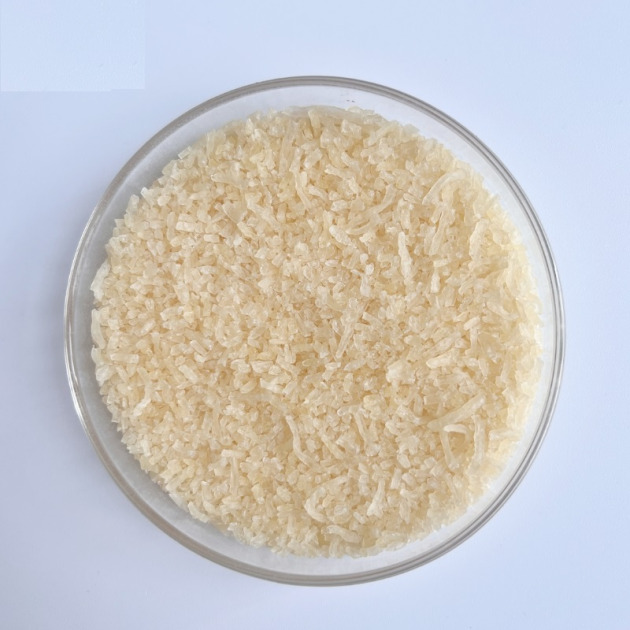
Product Gelatin
Pharma grade gelatin: Softgel, Hard capsules, tabletsFood grade: Dairy food, confectionary

-
Product BC SIMETHICONE ANTIFOAMS FOR PHARMACEUTICAL APPLICATIONS
Momentive offers a range of pharmaceutical-grade silicone antifoams (Simethicone) in compliance with US and European Pharmacopeia standards. Our solutions are versatile and deliver value to stakeholders across the pharmaceutical value chain, such as pharmaceutical ingredient manufacturers, finished do...

-
Product HPMCP (Hypromellose Phthalate)
HPMCP (Hydroxypropyl methyl cellulose Phthalate) is an Enteric Coating material used to protect drugs from degradation by gastric acid or to protect gastric mucosa from irritating drugs. Shin-Etsu offers various HPMC Phthalate grades with different pH solubilities and viscosities.

-
Product Calcium Carbonate Coral Source
Gangotri Inorganic Pvt Ltd - operating since 1997.We manufacturer & supplying of Calcium Carbonate Coral Source as per your requirement.

-
Product Active Pharmaceutical Ingredients and Excipients
Active Pharmaceutical IngredientsEcolab markets two APIs with registered DMFs to large pharmaceutical companies: Cholestyramine and Sodium Polystyrene Sulfonate. Cholestyramine is taken orally to reduce blood cholesterol, while sodium polystyrene sulfonate, is taken to control blood potassium to prevent hy...
-
Product Betadex Sulfobutyl Ether Sodium SBECD 182410-00-0
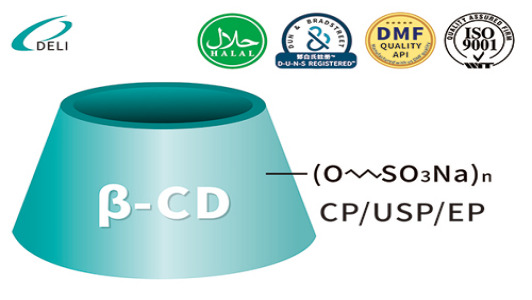
Betadex Sulfobutyl Ether Sodium SBECD for Parenteral Drug Formulations – Xi’an DELI BiochemicalBetadex Sulfobutyl Ether Sodium SBECD (CAS 182410-00-0) is a high-purity, water-soluble cyclodextrin derivative specifically designed for injectable and parenteral pharmaceutical products. This excipien...
-
Product Lactose Monohydrate
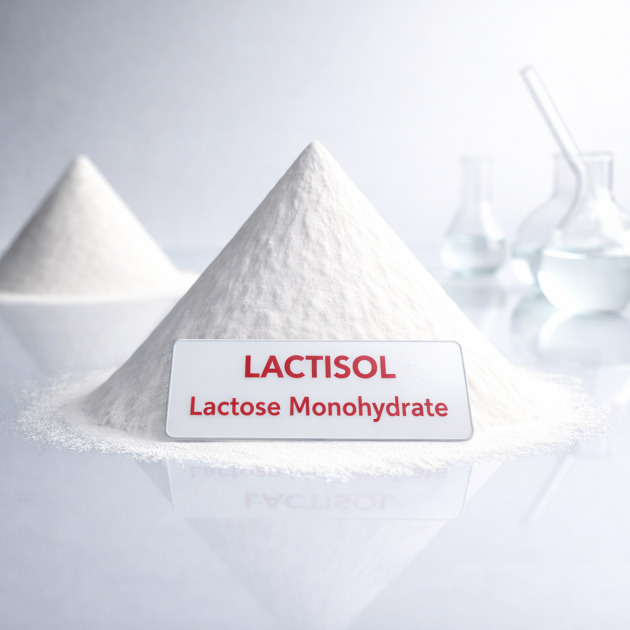
Lactose Monohydrate Powder is a high-purity, naturally derived disaccharide obtained from milk. It appears as a white, crystalline, free-flowing powder with a mild sweet taste and excellent stability. Widely used in pharmaceutical, food, and nutraceutical applications, it serves as an effective filler, dil...
-
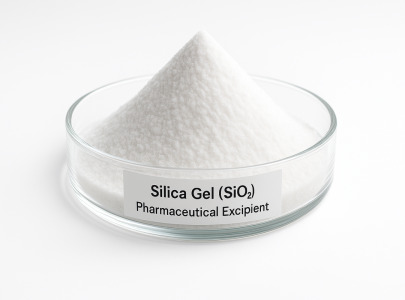
Product Gasil® GM2FP
Gel-type silica excipient with an amorphous porous structure and high adsorption/binding capacity for moisture protection.
-
Product OXIPURITY® Powder
Our Polyethylene Glycols (PEGs) in Powder provide excellent flowability and uniform particle size, supporting efficient manufacturing oftablets and hard capsule formulations. Produced in compliance with GMP standards and meeting USP and European Pharmacopoeia (EP) requirements, they help enhance formulatio...
-
Product Co-Process Excipients:SMCC(Silicified Microcrystlline Cellulose); Mannitol+Microcrystalline Cellulose+ Crospovidone+Silicon Dioxide50/90;Lactose+Microcrystalline Cellulose;
Co-Process Excipients:SMCC(Silicified Microcrystlline Cellulose)50/90;
Lactose+Microcrystalline Cellulose;Mannitol+Microcrystalline Cellulose+Silicon Dioxide;Mannitol+Microcrystalline Cellulose+ Crospovidone+Silicon Dioxide
-
Product GMP SM-102
SM-102 is an ionizable cationic lipid that has been used in the generation of lipid nanoparticles (LNPs) for the delivery of mRNA and plasmid DNA.1,2 SM-102 is manufactured as an excipient suitable for use in LNP preparation and small molecule encapsulation at Cayman Chemical in Ann Arbor, MI. GMP material...

-
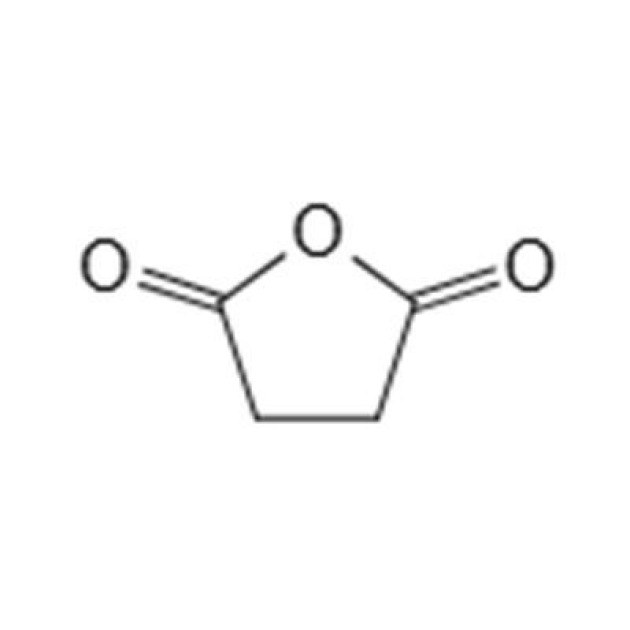
Product Succinic anhydride
CAS Number: 108-30-5; Molecular Formula: C₄H₄O₃Application: It is used for the preparation of succinyl gelatin injection and succinyl gelatin electrolyte injection.
-
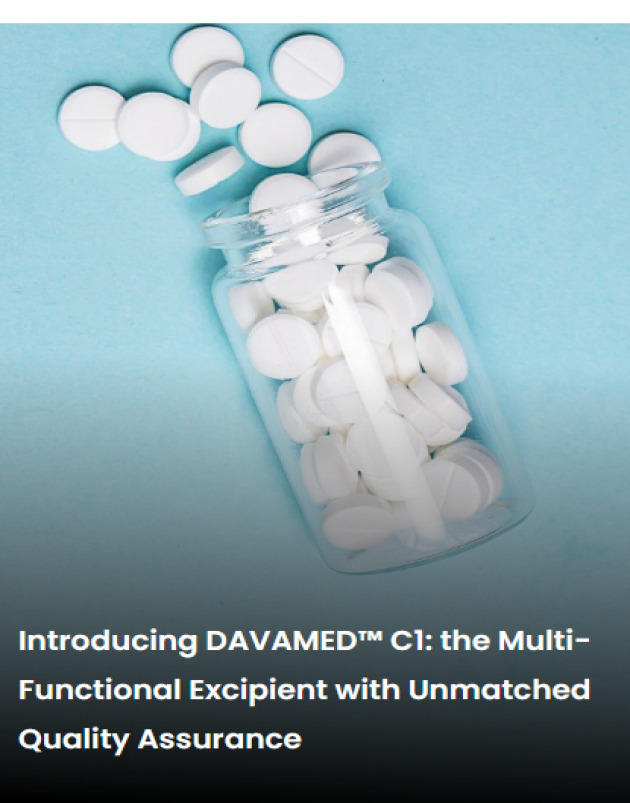
Product DAVAMED™ C1
DAVAMED™ C1 is a premium starch excipient designed specifically for direct compression in tablet manufacturing. It is a partially pregelatinized corn starch developed through advanced processing techniques to deliver superior functionality in pharmaceutical formulations.DAVAMED™ C1 is supported by a D...
-
Product Water Soluble, Solvent Soluble, Lake, Pigment (Organic & Inorganic)
High Purity Colours with low impurity range of "One World One Quality" products meeting six major legislations of the world i.e. USA, Europe, Japan, China, India and JECFA wherever applicable. USFDA (CFR Title 21) certified FD&C and D&C Dyes and lakes, Water Soluble Colours (Powder & Gran...

-
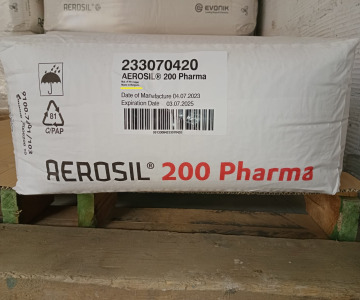
Product Colloidal Silicon Dioxide & Other Modified Grades
AEROSIL 200 PHARMA (EVONIK) is widely known for its Glidant properties.
Free flow and anti-caking agent to improve powder properties
Improves tablet properties such as hardness and friability
Used as viscosity increasing agent to thicken and thixotropize liquids
Used...
-
Product Flavours for Supplements
Flavour Excellence for Functional Nutrition With decades of expertise and strict quality standards, FREY&LAU develops flavour solutions for modern supplement applications – from protein products and dissolvable tablets to omega-3 capsules. Our spray-dried and liquid flavours deliver excellent tast...
-
Product Excipients & Reagents (GMP Grade)
FUJIFILM Wako Pure Chemical provides pharmaceutical raw materials that are used in the manufacturing process of pharmaceutical products. Ingredients listed in official compendia such as the Japanese Pharmacopoeia(JP), Japanese Pharmaceutical Codex (JPC), and Japanese Pharmaceutical Excipients (JPE) are ava...
-
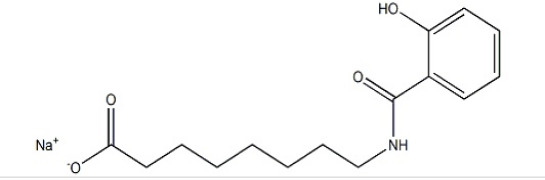
Product SNAC CAS 203787-91-1
Molecular Weight:301.31337
Molecular Formula: C15H20NNaO4
Appearance: white powder
Application: medical intermediate
Delivery Time: Available goods in stock
Package: inside: douple PE bag outside: paper drum
Port: Any port in Chi...
-
Product GMP Pharmaceutical Material
CertiPro are product series of pharmaceutical raw materials manufactured according to GMP guidelines; meeting high quality standards and specifications for increase productivity, process recovery and patient safety.
FUJIFILM Wako Pure Chemical provides pharmaceutical raw materials that ...
-
Product Magnesium Stearate Vegetable HSEP - FACI
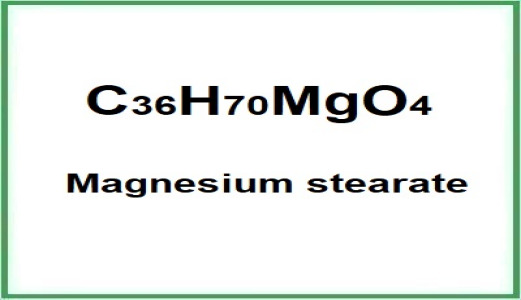
K Sevantilal & Co. offers a wide range of products including pharmaceutical excipients derived from Stearic acid- Magnesium Stearate is one of them. Contact us to know more about our product range. Write to us on [email protected]
-
Product Linagliptin & Combinations
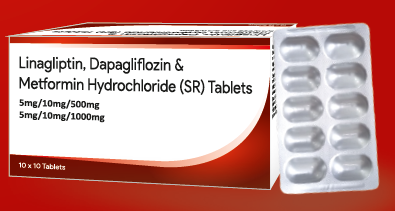
Theon Pharmaceuticals Ltd. offers wide range of pharmaceutical products which includes amoxycillin trihydrate. Contact us for more information.
-
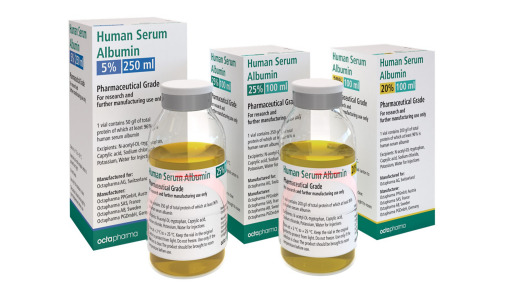
Product Human Serum Albumin
Human Serum Albumin for research and further manufacturing use.
Human Serum Albumin (HSA) is the most common plasma protein. The molecule is very flexible and easily changes shape when exposed to altered environmental conditions and upon binding to ligands.
HSA is widely used as an excipi...
-
Product EASYSEAL®
A new era of softgel production has begun. EASYSEAL® is a unique solution that enables manufacturers to optimize their process in one easy step. By switching to new EASYSEAL® gelatin, you can enjoy significant reductions in leakers, lower processing costs and higher quality end products.
S...
-
Product LYCAGEL® Flex hydroxypropyl pea starch
LYCAGEL® Flex hydroxypropyl pea starch, carrageenan and disodium phosphate blend is a plant-based, plasticizer-free premix for veggie soft capsules. It provides the Flexibility to select the optimal plasticizer and customize ingredient ratios. LYCAGEL® Flex offers excellent film-forming properties and is u...

-
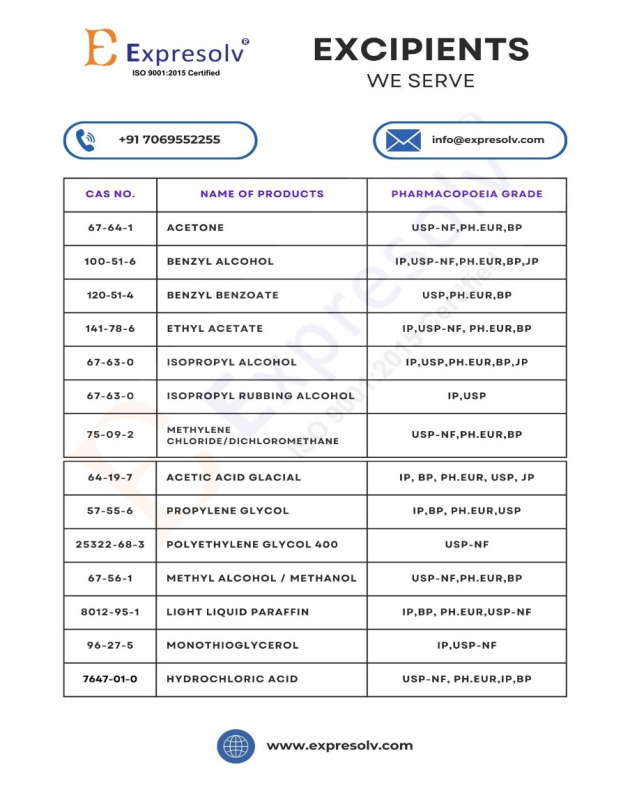
Product Excipient grade
Pharma Excipients:
The globalisation of the pharmaceutical industry combined with a global regulatory has created a need for a comprehensive excipient quality and control standard. Our FDA approved manufacturing facility with IOS 9001:2015 to produce high quality pharmaceutical excipients...
-
Product Calcium Excipients and Actives
Sudeep Pharma Offers Multiple Different Variant of Calcium Salts used as Excipients and Actives Largely in the Pharmaceutical and Nutraceutical Industry.
Dicalcium Phosphate - Anhydrous Dicalcium Phosphate - Dihydrate
Tricalcium Phosphate
Calcium Carbonate DC Grade
Calc...

-
Product Disintequick™ ODT
Disintequik™ ODT is a co-processed excipient designed for direct tabletting operations for use in orally dissolving tablets, in that the tablet is designed to be dissolved on the tongue rather than swallowed whole. An additional convenience is that the tablet can be taken without water. It can be blended w...

-
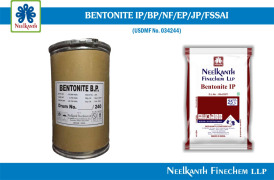
Product BENTONITE
Bentonite Powder FCC is a high-quality bentonite product sterilized using Gamma or ETO methods to ensure safety and purity. It adheres to the Food Chemicals Codex (FCC) specifications, making it suitable for applications that require stringent quality control. The product is packaged in 25 kg bags, ensurin...
-
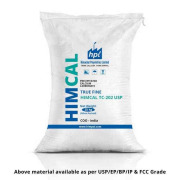
Product Calcium Carbonate Powder USP/EP/BP/IP & FCC (Available in GCC & PCC Grades)
Calcium Carbonate Powder As per USP/EP/BP/IP & FCC
Available in GCC & PCC Grades
-
Product Carbomer
CarboClear is a range of high-quality, benzene-free carbomers that are ideal for use in a wide range of personal care and pharmaceutical products. These are high molecular weight, water-soluble polymers that can be used as rheology modifiers to improve the texture, performance and stability of products. qq...
-
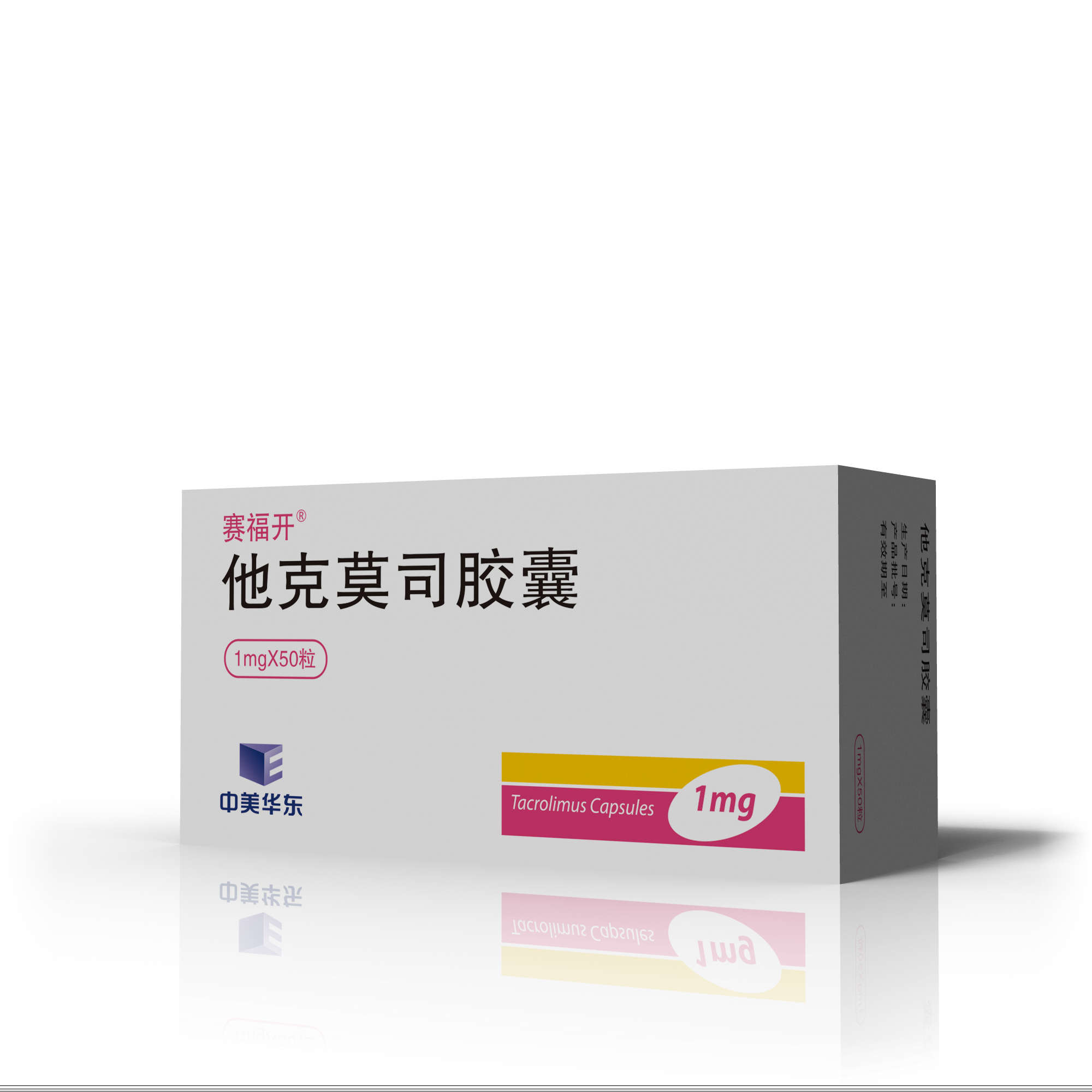
Product Tacrolimus capsule
Hangzhou Zhongmei Huadong Pharmaceutical provides wide range of pharmaceutical products which includes tacrolimus capsule. It belongs to formulation category. Indication: for prevention of transplant allograft rejection after liver or renal transplantation. For treatment of transplant allograft rejection f...
-
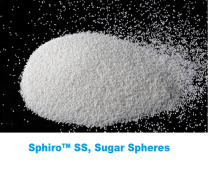
Product Sugar Sphere , Tartaric acid Pellets, MCC Pellets, Sugar globules, Mannitol Sphere
We manufacture excipients also Know as Starter Pellets/ Neutral Pellets they are white or off white in a color spherical shaped pellets. Available in all sizes. 150 to 2000microns, ASTM 10-100#.
Low Friability and Excellent Crushing Strength Hence can withstand the mechanical stress for...
-
Product A-Tab® MD
A-Tab® MD is a co-processed multifunctional excipient that enhances compressibility and simplifies formulations in pharmaceutical and nutraceutical tablets. Improve tablet integrity and hardness, increase manufacturing efficiency, and create smaller tablets with A-Tab® MD (Dicalcium Phosphate Anh...

-
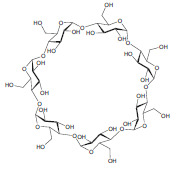
Product Cyclodextrin, CAVAMAX®, CAVASOL®
WACKER is the only company worldwide offering all three parent cyclodextrins, which are marketed under the trademark CAVAMAX®. WACKER also manufactures and offers chemically modified cyclodextrin derivatives, which are marketed under the trademark CAVASOL®. The modification of the guest with this molecular...
-
Product Neohesperdin DC Pharma Grade
HTBA Neohesperidin dihydrochalcone Pharma Grade is an excipient used as a sweetener as well as a masking agent for use in oral drug delivery formulations. Neohesperidin dihydrochalcone is an additive derived from the hydrogenation of Neohesperidin, a flavanone that is found in bitter oranges (Citrus aurant...
-
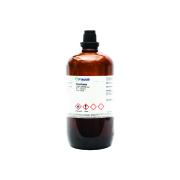
Product Acetone
Acetone is widely used as a pharmaceutical excipient in various formulations as a solubilizing agent and solvent. It can be utilized in formulation development of Solid orals (including Microspheres, Microcapsules, Spray drying) and other NDDS formulations.
Specification: USP-NF, Ph.Eur, BP...
-
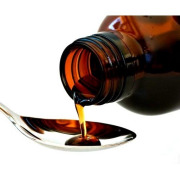
Product Liquid Flavours
Liquid flavours for formulation ranging from sweet orange to bittermask flavours.
-
Product Itraconazole Pellets 22%
Cornileus pharmaceuticals (p) ltd offers a wide range of products which includes itraconazole pellets 22%. It belongs to pellets category. Contact us for more information.
-
Product Excipient: Super Refined™ PEG 400
Super Refined PEGs are solvents for use with the most sensitive active ingredients across dosage forms including injectable and oral. Super Refining removes polar impurities (including primary and secondary oxidation products) from an excipient without altering its chemical composition, reducing excipi...

-
Product SODIUM STEARYL FUMARATE
Sodium Stearyl FUMARATE (SSF). It is a tablet lubricant for use in ODT tablets, in effervescent formulas, or in formulas where the active incompatible with magnesium stearate. It is an inert, less hydrophobic tablet lubricant than magnesium stearate. Tablets made with SSF exhibit less sensiti...
-
Product Polacrillin Potassium USP (Doshion P 544 DS)
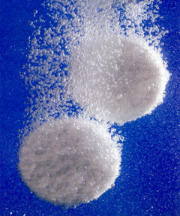
Manufacturer & Exporter of Polacrilin Potassium USP NF. Polyflash is a synthetic, insoluble and rapidly swelling poly methacrylic co-polymer in ionic form of potassium.
Generic Name: Methacrylic Co-polymer with divinyl benzene
KEY FEATURES:
• Confirms to USP specif...
-
Product MAIZE STARCH BP
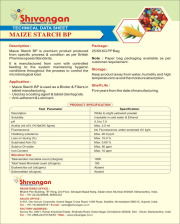
MAIZE STARCH BP IS A PREMIUM PRODUCT PRODUCED FROM SPECIFIC PROCESS AND CONDITION AS PER BRITISH PHARMACOPEIA STANDARDS.
-
Product Formulation Development
Our Formulation Scientists and Process Engineers are experts in poorly soluble compounds and high containment operations. Our formulation development lab and pilot plant suites are specifically designed for high containment and outfitted with cGMP matching technologies. We follow a data driven approach to ...

-
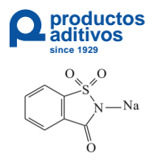
Product SACCHARIN (E-954)
Saccharin´s sole European producer: Productos Aditivos.
We supply our Saccharin mainly as excipient to the pharmaceutical industry and as additive to the food industry. We have a unique position in this market: based on our quality, reliability and ...
-
Product BonuLac® - Nutritional enteric film coating system (R2U)
BIOGRUND provides a wide range of film coating products which includes Bonulac®. It's a nutritional enteric coating product. It provides a protective film with excellent moisture sealing and enteric properties. With its superior taste and moisture protection it is recommended for the coating of natural ext...
-
Product 3F LuboMag
3F LuboMag is a Magnesium Stearate based lubricant used in solid form dosages like tablets and capsules. 3F LuboMag complies with all major pharmacopeia : USP, BP, Ph.Eur, IP. All the grades are produced in accordance with strict GMP conditions.
The product has best-in-class proper...
-
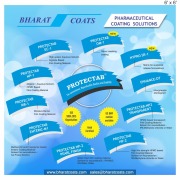
Product (1) PROTECTAB HP-1 , (2)PROTECTAB MB-1, (3) PROTECTAB ENTERIC M-1, (4)PROTECTAB HP-2, (5) PROTECTAB HP-2 TRANSPARENT, (6) PROTECTAB HP-2 PEARL FINISH, (7)PROTECTAB EC-1, (8)PROTECTAB OM-1, (9) HYPRO SR-1 (10) ENHANCE DT
1. PROTECTAB HP1 (HPMC based, Organic/Aqueous Film Coating Material) 2. PROTECTAB MB-1 (Moisture Barrier Film coating material)
3. PROTECTAB ENTERIC M1 (Methacrylic Acid Copolymer based Enteric Coating material),
4.PROTECTAB HP-2(High Film strength HPMC based Film Coating Material),
5. PROTEC...
-
Product Capryol™ 90
Gattefosse india pvt. Ltd offers a wide range of solubilizers products which includes capryol™ 90. Form: liquid. Features: it is a water insoluble surfactant for use in self emulsifying systems to obtain a coarse dispersion ie. Emulsion (sedds) or a fine dispersion ie. Microemulsion (smedds). Contact us fo...
-
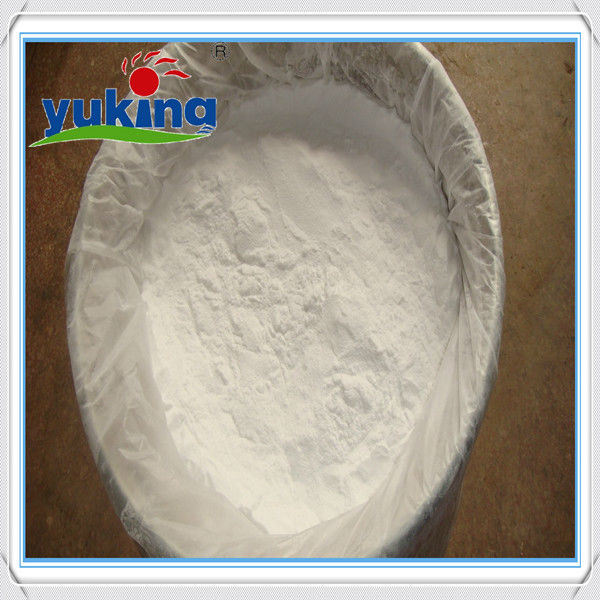
Product crospovidone/ cross povidone/ crosslinked povidone / PVPP
PVPP is widely used as Corrosion inhibitor and disintegrating agent in coating and tabletting, Stabilizers and clarifying agent in brewing and beverage. it can also be used to produce many daily commoditybrhrbrCross Povidone is often called as crosslinked PVP, or insoluble PVP. It appears as white or light...
-
Product Ammonium sulfate USP/NF PharmProve®
Ammonium sulfate
USP/NF PharmProve®
produced in accordance with EU GMP | IPEC GMP | EXCiPACT

-
Product Excipients
Broad range of essential and specialty excipients for pharmaceutical dosage forms
-
Product GMP Ethanol
Kimia supplies a range of high-purity ethanol products sourced from natural fermentation or synthetic routes. Our GMP EXCiPACT certified ethanol products provide complete reassurance to everyone in the pharmaceutical supply chain, for every single batch. Compliant with all major pharmacopoeia standards. Co...
-
Product Microcrystalline cellulose CEOLUS™ KG
CEOLUS™ KG Grades is highly compactible MCC with fibrous particles. Enable poorly compactible and/or high dose formulations. Solve tableting issue such as insufficient hardness, sticking or capping. Also enable unique and patient friendly dosage form like MUPS, ODT, multiple-layers, multiple APIs combinati...
-
Product Glycine
This amico acid can be used as a starting material, feed additive, food additive, cosmetical ingredient, excipient or API.

-
Product YTZ Grinding media
Grinding Media for wet milling process , compatible with pharmaceutical applications for API particle size reduction to nano scale. YTZ® is recognized by users as the best available product for grinding process, providing highest quality results for employed processes. Complete traceability from...
-
Product AshaKote ETHYLCELLULOSE AQUEOUS DISPERSION
AshaKote IS AQUEOUS DISPERSION OF ETHYCELLULOSE, COMPLYING WITH AQUEOUS DISPERSION ETHYLCELLULOSE USP NF MONOGRAPH USED FOR CONTROLLED RELEASE, MOISTURE BARRIER AND TASTE MASKING PURPOSES IN PHARMACEUTICALS. ASHA ALSO OFFERS TECHNICAL SUPPORT TO ITS CLIENTS WHEN IT COMES TO USE OF ITS PROD...
-
Product Acrycoat® Methacrylic Acid Copolymer
Acrycoat® family of polymers are Methacrylic acid copolymers type A, B & C which confirms to USP/NF, EP and JP specification.
Immediate Release: The Immediate release series work in wide application range which includes tablet binding, taste masking, odor masking and provi...
-
Product Pharmaceutical Excipients
Biesterfeld Spezialchemie GmbH offers a wide range of pharmaceutical excipients for solid, semi-solid and liquid dosage forms. For example starch, sweeteners, sucrose, silicone fluids, macrogol, lactose, carmellose sodium, biogums, zinc oxide, propanediol, stearates etc.

-
Product Pullulan
PULLULAN is a naturally occurring water soluble polysaccharide that has excellent binding strength and film forming properties, which makes it suited for tablets and granules. Low oxygen permeability of PULLULAN maintains potency of active ingredients when it is used as a coating.
-
Product Calcium Carbonate
CFL-Chemische Fabrik Lehrte GmbH provides wide range of products which includes calcium carbonate light and heavy. Contact us for more information.
-
Product Salcaprozate Sodium (SNAC)
SNAC is an absorption enhancer widely used in oral formulations of poorly permeable drugs. It acts by transiently increasing the permeability of the gastrointestinal mucosa, facilitating gastric absorption of macromolecules (e.g., peptides) without damaging the mucosal structure. SNAC has been successfully...
-
Product CROSCARMELLOSE SODIUM
Croscarmellose Sodium is a cross-linked cellulose derivative used as a superdisintegrant in tablet formulations. It facilitates rapid tablet disintegration and enhances drug dissolution and bioavailability.
-
Product Salt
From 2025, British Salt will start to manufacture a high purity salt (sodium chloride) compliant with EP/USP monographs.
-
Product Cosmetic Grade Vp/Va Copolymers
Jiaozuo zhongwei special products pharmaceutical co. Ltd offers a wide range of product which includes cosmetic grade vp/va copolymers. Properties: it is with different rations of n-vinylpyrrolidone to vinyl acetate,soluble in most organic solvents.which exists in powder,water solution and ethnol solution ...
-
Product Vitamin d2 crystal
Taizhou hisound pharmaceutical offers a wide range of products which includes vitamin d2 crystal. It belongs to Pharmaceutical Drugs category. It also known as ergocalciferol, has the physiological function to promote intestinal calcium absorption, regulate calcium and phosphorus metabolism and induce bone...
-
Product Alfacalcidol Soft Gels 0.25 mcg
Olive Healthcare offers wide range of healthcare products which includes alfacalcidol soft gels 0.25 mcg. It belongs to vitamin/ multivitamin/ mineral formulations category. Contact us for more information
-
Product Excepients
Vitalchemie provides a wide range of pharmaceutical products and services which includes excepients. Contact us for more information.
-
Product (Qing Chi Ling) lecithin tablets
Gansu dadeli pharmaceutical co., ltd offers a wide range of products which includes (Qing Chi Ling) lecithin tablets. It belongs to prescription drugs - non-antibiotic - Tablets category. It is is extracted from natural egg yolk, so far not found any reports of adverse reactions and side effects.. Package:...
-
Product 4% TMP+40% Sulfadiazine
Hebei veyong animal pharmaceutical co. offers a wide range of products which includes 4% TMP+40% Sulfadiazine. It belongs to solution for oral category. Content: 100ml, 250ml.500ml, 1000ml. Diversified specification and package are available on the basis of clients needs. Contact us for more information.
-
Product Albenclazole (albezole)
Eskay fine chemicals manufactures bulk drugs, chemicals and pharmaceutical formulations which includes albenclazole (albezole). Ibelongs to general - liquid oral / suspensions / sachets category. Packaging: 10ml & 30ml. Contact us for more information.
-
Product 5 - fluorouracil injection usp
Flagship Biotech International Pvt. Ltd offers wide range of oncology products which includes 5 - fluorouracil injection usp. Contact us for more information.
-
Product 5'-Deoxy-Fluorouridine(Doxifluridine)
Zhejiang Guobang Pharmaceutical Co Ltd offers a wide range of products which includes 5'-Deoxy-Fluorouridine(Doxifluridine). Contact us for more information.
-
Product Amlodipine besylate Film-coated tablet
HEC Pharm Group provides wide range of products which includes amlodipine besylate film-coated tablet. It belongs to formulation category. Contact us for more information.
-
Product Arginine
Shenzhen China Resources Gosun manufactures & market cephalosporin products which includes Arginine. It belongs to formulation products category. Contact us for more information.
-
Product Heparin Sodium
Hubei Enoray Biopharmaceutical Co Ltd provides wide range of products which includes heparin sodium. Contact us for more information.
-
Product Bleomycine Sulfate
NORTHEAST PHARMACEUTICAL GROUP CO.,LTD. provides wide range of products which includes bleomycine sulfate. It belongs to anti cancer series category. Contact us for more information.
-
Product Acanthopanax tablets
Shanxi yunpeng pharmaceutical co., ltd offers a wide range of products which includes Acanthopanax tablets. Contact us for more information.
-
Product CROSPOVIDONE TYPE A & CROSPOVIDONE TYPE B
Crospovidone is a white to creamy-white, finely divided, free flowing, practically tasteless, odourless or nearly odorless, hygroscopic powder.
-
Product Ascorbic Acid(Vitamin C)
(5R)-5-[(1S)-1,2-Dihydroxyethyl]-3,4-dihydroxyfuran-2(5H)-one.white or almost white, crystalline powder orcolourless crystals, becoming discoloured on exposure to airand moisture. Freely soluble in water, sparingly soluble in ethanol(96 per cent).
-
Product Aduxol OP-010/ E
Octoxinol 10 is used as a detergent in biochemistry. Not
denaturizing proteins, it is used in protein purification to
solubilize membrane proteins in their native conformation
from membranes. It is also used for viral inactivation
of enveloped viruses by the solvent detergent method. qq...
-
Product Lactose
A kind of widely-used pharmaceutical excipient, including the following types:1. Lactose monohydrate
2. Spray-dried lactose
3. Anhydrous lactose
4. Granulated lactose
5. Inhalation lactose
6. Co-processed lactose
-
Product Salcaprozate Sodium
Manufactured in FDA-approved site.Good product with competitive price.
Note: Products protected under specific atents in certain countries are not offered or supplied by us in such countries.
-
Product Destab™
Destab™ calcium and magnesium carbonate products are specifically engineered to deliver high functionality and streamlined performance in oral solid dose (OSD) manufacturing.
-
Product Bulk Supply of Critical Chemical Raw Materials
Biosynth supplies a broad range of bulk products and critical raw materials for the pharmaceutical, diagnostic, biotech, and life sciences industries.
Complex chemicals such as carbohydrates, nucleosides, enzyme substrates, natural products, and building blocks used in pharmaceutical and diagnostic ap...
-
Product Phospholipids
Natural Phospholipids: Unsaturated Phospholipids, Hydrogenated Phospholipids, Sphingomyelin (SM)
Synthetic Phospholipids: Phosphatidylcholine (PC), Phosphatidylglycerols (PE), Phosphatidylethanolamines (PE), Phosphatidylserine (PS), Phosphatidiy Acids (PA), PEGylated Phos...
-
Product Guanidine Hydrochloride 6M Solution, cGMP Excipient
Guanidine Hydrochloride 6M Solution is suitable for use as a cGMP chemical in pharmaceutical manufacturing processes. It can be used to denature proteins which become randomly coiled with no residual structure. This concentration is also used to decrease enzyme activity. The denatured proteins can be modif...
-
Product Refined Olive Oil
Gowell Pharma offers a wide range of products which includes (Refined Olive Oil). Contact us for more information.Specification: EP / USP
Documentation: DMF / CEP(In-Process) / COPP / WC
CAS Number : 8001-25-0
-
Product LABORATORY HOMOGENIZER & PILOT PLANTS 2.000 BAR
Plus:- Minimum volume of 10 ml
- Tabletop homogenizer
- Suitable for abrasive and viscous products
- Reliable scale-up from lab testing to production
- Low noise level
-
Product Raw materials
Apotek Produktion & Laboratorier AB offers a wide range of services which includes raw materials. It has a dedicated group for purchasing, logistics, analysis and release of raw materials. This means that you can always count on a cost-effective handling of starting materials for product. It offers a w...
-
Product Salcaprozate Sodium(SNAC)
Zhejiang hisoar pharmaceutical offers a wide range of products which includes Salcaprozate Sodium(SNAC) . Contact us for more information.
-
Product Moxdectin
PHARMAX offers wide range of products which includes Moxdectin. Contact us for more information.
-
Product Ammonium Di Hydrogen Phosphate
CAS NO:7722-76-1HSN CODE:28352990
MOLECULAR FORMULA:NH4H2PO4
MOLECULAR WEIGHT:115.03 g/mol
FORM:Powder
APPEARANCE/DESCRIPTION:Colorless or white crystals or crystalline powder ASSAY:98.0 % - 101.0 %
PACKING SIZE:25 Kg Bag
-
Product MANNITOL
We are sole selling agents of Qingdao Brightmoon Mannitol in India. Product is compliant with Halal, Kosher and Vegan norms. It is used as a excipient and as API. It is free from GMO, Melamine, Aflatoxins, Allergens, Gelatin, Gluten, BSE-TSE and other contaminants.
-
Product DICALCIUM PHOSPHATE DIHYDRATE POWDER/DC GRADE
DICALCIUM PHOSPHATE IS EXCELLENT FILLER. IT IMPROVES THE FLOWABILITY OF THE API. DC GRADE IS KNOWN TO REDUCE MANY STEPS IN TABLET FORMATION AND THUS REDUCE OVERALL COST.
-
Product ARBOCEL®
ARBOCEL®, powdered cellulose, is a plant-based functional filler. Powdered cellulose is chemically inert and is thus not metabolized by the human body. Because it is not digested, it has no functional caloric value. It is commonly used by formulators as an alternative to lactose. ARBOCEL®'s binding pr...
-
Product Nano-emulsions
Contract pharmaceuticals limited canada offers a wide range of liquid suspension and solutions which includes nano-emulsions. Contact us for more information.
-
Product Beta Arbutin
Sinoway industrial co., ltd offers a wide range of products which includes Beta Arbutin. It belongs to excipients category. Contact us for more information.
-
Product Pharmaceutical formulation
Artesan Pharma GmbH & Co. KG has the edge for sophisticated reformulation of recipes as well as optimisation of products already established in the market. Pharmaceutical Formulation department focuses on medicinal products, food additives, medicinal devices and cosmetics. Opportunities: Double-layer table...
-
Product DISOLCEL® Croscarmellose Sodium
DISOLCEL® Croscarmellose Sodium is an internally cross-linked carboxymethylcellulose sodium. Cross-linking was achieved without the use of cross-linking agents. Compared to the soluble carboxymethylcellulose sodium, cross-linked DISOLCEL® is essentially water-insoluble, yet swelling and absorbing many time...























Excipients
From coating and binding agents to ointment bases, antioxidants and more, search a wide range of excipients from hundreds of international suppliers online at CPhI Online.
The word excipient, derived from the Latin phrase excipere - to receive, to except, or take out, refers to any component other than the active pharmaceutical ingredient contained in solid dosage forms or used to manufacture a finished pharmaceutical product (FPP). Excipients play a significant role in the formulation and administration of dosage forms and the drug development process. They affect the aesthetics, processing capability, bioavailability, and performance of the drug substance and the compliance of patients using a specific dosage form.
Excipients can either act as carriers (basis or vehicles) or diluents, etc., of the active ingredients or components. They aid in the drug product manufacturing process and also enhance the bioavailability, stability, appearance, storage integrity, effectiveness, safety, and delivery of the drug product during use.
Excipients and active ingredients form the major components of drugs. However, excipients make up the bulk of drugs and medicines, making about 90% of each drug’s composition. These substances are mostly pharmacologically inactive or inert and serve specific purposes. However, as opposed to popular assumptions, excipients are not always inactive or inert and may result in side effects or adverse reactions if misused.
The wrong choice, quality, combination, or amounts of excipients used can have devastating effects on the patient’s health. Like every other drug component, these inactive ingredients need to be standardized, regulated, and validated to ensure the safety of the chemical decomposition products for consumption.
Pharmaceutical products contain not just active ingredients but also other components that largely influence the drug’s pharmacokinetics and pharmacodynamics.
There are a variety of excipients contained in FPP dosage form. The type of excipient included in each FPP is determined by the active ingredient contained, route of administration, and intended dosage form. For example, a tablet formulation is an oral dosage form and usually contains binders, fillers, diluents, disintegrators, and lubricants.
How many excipients are used in the pharmaceutical industry?
In almost every drug form, there is an excipient or combination of excipients and there are over 1,000 excipients used to manufacture finished pharmaceutical products.
Initially, excipients consisted of biologically inert, structurally simple, and naturally derived substances such as minerals, wheat, sugar, etc. Nevertheless, in recent times, the production of novel drug formation systems has led to several new and novel excipients such as coprocessed excipients.
How are pharmaceutical excipients classified?
Excipients are classified based on their route of administration (oral, parenteral, and topical excipients, etc.), on origin (Organic and inorganic chemicals), and by functionality (Fillers, emulsifying agents, excipients for direct compression, etc.). These classifications have subdivisions.
The oral dosage forms make up most dosage forms administered to patients due to their formulation, ease of formulation, administration, and transport, among many others. Given this, the main excipients are found in solid dosage formulations and serve as high revenue drivers in the pharmaceutical excipient market. Some main excipients include calcium phosphate, dicalcium phosphate, starch, magnesium stearate, gelatin, and several others.
Role of excipients in drug formation
The traditional use of excipients has been modified by the development of novel drug delivery systems. Beyond increasing the bulk of formulation and simplifying the manufacturing process, excipients perform a variety of roles such as binding ingredients, boosting patient’s acceptance and compliance (by masking unpleasant odors or tastes), enhancing the stability of active ingredients, extending viability and acting as diluents (for example, microcrystalline cellulose, starch), etc.
How do excipients affect the performance of drug products?
The bioavailability of drugs refers to the amount of and rate at which a drug’s active ingredient is being made available at its active site. Although excipients are generally pharmacologically inert or inactive, they can interact with drugs in various dosage forms and influence physiologic factors during absorption, distribution, and elimination.
Excipients that affect the bioavailability of drug formulations are capable of influencing their overall performance, either in a positive way by improving performance and therapeutic effect, or in a negative way by diminishing them. The extent of the impact is dependent on the dose and potency of the formulation, site of absorption, therapeutic window, or rate-limiting factors of drug absorption, and many other factors.
Excipients can result in pharmacokinetic interactions through modulation of intercellular tight junctions, metabolic enzymes, and transporter proteins. The bioavailability of drugs can be affected by excipients’ solubility at absorption sites, liability to enzymatic interaction and degradation, drug-excipient interactions, etc.
Poorly water-soluble drug formulations will result in low and erratic bioavailability. However, lipid-based, surfactant-based, and polymeric excipients have high solubility rates and can improve bioavailability.
Ionizable and soluble excipients can exhibit charge interactions with APIs. For example, positively charged drugs such as polymycin and neomycin can form precipitations in the presence of sodium alginate.
Excipients can also affect the dissolution kinetics of drugs by altering the medium in which the drug dissolves or reacting with the drug. Suspending agents help increase the viscosity of the drug vehicle, which, in turn, reduces the dissolution rate from suspensions. For example, an excessive amount of magnesium stearate in tablet formulations can repel water, and limit the rate of drug dissolution, thereby decreasing the rate of drug absorption and the bioavailability of the drug. Formulation processes such as wet granulation, also have a huge effect on the bioavailability of drugs.
Best practices in dealing with novel excipients
Novel excipients are simply excipients used in drug formulations or through a route of administration for the first time. These excipients could be new chemical products or a previously used and certified excipient that hasn’t been established for use by humans or through a specific administration route.
For example, new solubilizers are required to solve the drug delivery challenges associated with poorly water-soluble drugs. New and novel excipients usually include natural polymer excipients, synthetic polymers, natural polymers modified with/by synthetic polymers, coprocessed excipients, and synthetic polymers modified by other combinations or smaller molecules. Some examples of novel excipients include albumin, Soluplus, Kollicoat Smartseal 3D, etc.
Novel excipients play an essential role in producing and introducing new, advanced, and safer drugs to the pharmaceutical market. However, due to global regulatory policies, there have been various challenges to the development of new excipients. Regardless of this, more companies are adopting innovative excipients to develop novel drug formulations. This has given way for more recent and advanced drug delivery systems to provide safer and more effective drugs for patients and more convenient administration routes. The concept of novel excipients has further broadened the scope of pharmaceutical science.
What drug development challenges do drug sponsors encounter during the manufacturing process that could be addressed by using novel excipients?
With new and significant innovations in the pharmaceutical industry, such as the development of novel drugs for the treatment of rare and orphan diseases, the need for new and advanced excipients to boost drug delivery systems is on the rise. As drug products evolve and increase in structural complexity, the formulation challenges also increase. The use of novel excipients significantly impacts the drug development process, creating various treatment types available to patients, and introducing new therapies into the pharma market.
The development and evaluation of NCEs are costly to process compared to the process of modification of previously established excipients. This issue can be addressed by the development of multi-functional novel excipients, which can perform several roles such as boosting drug stability and bioavailability, controlling API release based on therapeutic needs, etc. These excipients’ production results in a significant decrease in manufacturing cost, hastens the drug development process and improves drug sales and company growth.
Other challenges encountered by sponsors include the need for solubility, stability and permeability modulation, loss of compaction due to wet granulations and high-moisture compatibility of drugs, and increased demands for ideal filler-binders for direct compression, among others.
What are the latest guidelines for novel excipients?
Currently, novel excipients are not evaluated and regulated independently. However, they can be submitted, evaluated, and regulated as part of an IND or IMPD. There are no clear-cut or approved regulatory pathways provided by the FDA or the European Medicines Agency (EMA) to independently assess the efficacy and safety of novel excipients. This present a major barrier and set-back to the pharmaceutical excipient industry and global market, limiting innovation of new and novel excipients regardless of whether they are modifications of existing chemical entities or new chemical entities (NCE).
Although the International Pharmaceutical Excipients Council has been advocating since 2011 for the implementation of a novel excipient approval process by the FDA, the evaluation process hasn’t been put in place. Implementing a novel excipient review or evaluation program will significantly drive the pharmaceutical industry and give room for innovative drug formulations.
Top trends in pharmaceutical excipients
The pharmaceutical excipient industry is rapidly evolving and is continuously searching for new ways to provide innovative and advanced drug formulations for therapeutic purposes. According to a recent study, the global pharmaceutical excipient market is anticipated to experience massive growth over the 2019-2025 forecast period. The market size is expected to reach an estimated value of USD 9.7 billion, at a steady CAGR of 5.8%.
The pharmaceutical excipient markets’ top trends include the increased use of nanotechnology, patent expiries, increased demand for multi-functional excipients, a competitive market landscape, the binders segment taking the lead as the fastest-growing market, and North America possessing the largest share in the global market. The pace of the global pharmaceutical excipient market growth serves as a pharma trend barometer.
Who are the top players in the pharmaceutical excipients industry?
Due to the increasing need for pharmaceutical excipients and the exponential growth of the global pharmaceutical excipient market, there has been a rising competition between excipient manufacturer and excipient supplier in this industry. Amongst the competitor is top players that have largely contributed to the growth of the pharmaceutical excipient industry.
Some of the top players in the pharmaceutical excipient industry include BASF SE, Evonik Industries AG, Lubrizol Corporation, Croda International Plc., Ashland Inc., Avantor Performance Materials Inc., The Dow Chemical Company, Innophos Holdings Inc., Archer Daniels Midland Company, Colorcon Inc., Kerry Group, Merck, Signet, and FMC Corporation amongst many others. The collaborative efforts, expansions, and agreements of these excipient manufacturers to boost the growth of the market.
What is the revenue, sales, and price analysis of top manufacturers of pharmaceutical excipients?
The binder’s segment is anticipated to dominate the pharmaceutical excipient market during the forecast period. In 2017, the pharmaceutical excipients market achieved a total revenue of about USD 4256.3 million, and this revenue is anticipated to grow at a rate of about 6% until 2023. The growing income levels, increasing health expenditures, and improved health awareness globally reflect the many potentials of pharmaceutical excipients.
In addition, the organic segment of the excipient market, including carbohydrates, proteins, petrochemicals, and others, is likely to contribute to the growth of the pharmaceutical excipients market. The rising demand for and application of organic excipients in pharmaceutical industries is expected to drive sales and market growth. Given this, the organic chemicals market share segment is anticipated to grow faster than the inorganic market segment. This benefits the manufacturers and the patients alike.
It is expected that top pharmaceutical excipients manufacturers in North America will record a spike in revenue generation during the forecast period. It would be influenced by the development of advanced infrastructures as well as better investment policies. Several pharmaceutical excipient manufacturing companies in this region participate in projects contributing to the growing demand for novel and advanced drugs.
In addition to this, the massive investments being made are also significant contributors to the anticipated revenue generation. Companies in Europe are also expected to partake in the revenue generation. Also, the Asia Pacific region is expected to experience an increase in revenue generation through structural investments.
Prices of manufactured excipients across various regions globally are dependent on the excipient supply and excipient demand chain within each region. Also, this is dependent on the quality of excipients being produced in each of these regions.
What key factors drive the global pharmaceutical excipients market?
The pharmaceutical drug market size is growing rapidly, and its growth is expected to drive positively impact the growth and size of the pharmaceutical excipient market. In addition to this, several other key factors have driven and are still driving the pharmaceutical excipient market’s growth. Some of these factors include advancement in functional excipient development, increased use and expansion of biopharmaceuticals, large patient population base, the prevalence of chronic diseases, the rapid growth of the biosimilar industry, increasing demand for generic drug, patent expiries, and development of multi-functional and co processed excipient. These key factors have primarily contributed to the growth of the pharmaceutical excipient market during the forecast period.
Excipients play a variety of roles in drug formulations and make up the bulk of almost every drug. The pharmaceutical industry is rapidly advancing through biotechnology to provide safer and more effective drugs for therapeutic purposes. Novel excipients are gaining worldwide attention, and the push for a novel excipient review and evaluation system is growing stronger. In a few years from now, there may be the creation of an established novel excipients evaluation process or system. The establishment of these evaluation processes would allow companies to grow, deliver on-demand health needs to patients, and spur the global pharmaceutical excipients market’s growth.
References
https://www.pharmaexcipients.com/pharmaceutical-excipients-some-definition/
https://www.biopharma-excellence.com/news/2019/12/13/best-practices-in-dealing-with-novel-excipients
https://www.pharmaexcipients.com/wp-content/uploads/attachments/CO5_2013_RGB_80-83.pdf?t=1446883266
https://www.slideshare.net/mobile/SalmanBaig6/novel-excipients
https://www.pharmaexcipients.com/news
References
Upcoming Events
Pharmaceutical Industry Webinars
-

Webinar Fast and Furious eBR Implementation: How Agentic AI Compresses the Path from Paper to Production
-
October 28, 2026
-
9am GMT/ 4pm SGT
-
-
.png)
Webinar The Continuum of Automation in Mechanical Testing of Combination Products
-
12th November 2026
-
3pm GMT/ 4pm CET
-

%20(1).png)
%20(1).png)
.png)
%20(1).png)
.png)
%20(1).png)



.png)


.png)