
On Track at CPHI Milan: Thermo Fisher Scientific Track Sponsor interview
.png)
With CPHI Milan just around the corner, we sat down with some of the sponsors for this year’s conference tracks to discuss the most pressing topics in pharma.
Anil Kane, PhD, MBA, Executive Director, Global Head of Technical & Scientific Affairs at Thermo Fisher Scientific, spoke with us about this year’s Manufacturing 5.0 track, the core tenants of Industry 5.0 and how it relates to biopharma, and what we can expect to see from this new revolution in the pharmaceutical industry and beyond.
1. What are the hallmarks of Pharma/Manufacturing 5.0?
Pharma and manufacturing 5.0 is transforming drug development and production by ensuring and leveraging advanced, human-centred technologies. This combination should not only help the industry but also puts patients first. Incorporating technologies like artificial intelligence and machine learning means more tailored therapies and faster, more efficient production processes. This can bring a stronger focus towards patient-centric solutions by combining the strengths of both human creativity and machine efficiency. Pharma 5.0 has the potential to drive innovation while maintaining a deep commitment to meeting individual patient needs.
2. How does Manufacturing 5.0 build upon current tenants of Industry 4.0?
Industry 5.0 represents a significant shift in how manufacturing processes are viewed and executed. Industry 4.0 has been around for a while, and it revolutionised production with advanced digital technology, automation, connectivity, and more. Industry 5.0 takes the industry further by reintroducing the human element into these processes. It emphasises the partnership between humans and technologies such as artificial intelligence, leading to a more personalised and value-driven approach to manufacturing.
3. Why are we now seeing a shift towards a new manufacturing revolution?
The landscape for bringing new pharmaceutical products to market is evolving with the growing complexity of novel therapies. Global supply chain uncertainties, increased competition, intensified regulatory scrutiny, and compressed timelines have forced pharma companies to search for new ways of working, including the integration of augmented or virtual reality technology for more efficient training, and the widespread adoption of continuous manufacturing to guarantee product safety and quality without sacrificing speed-to-market. Additionally, major trends such as personalised medicine and the rise of artificial intelligence are reshaping the market. This requires increased customisation and flexibility for pharma companies to remain competitive.
4. How do events like CPHI help highlight these leaps in pharmaceutical innovation?
Events like CPHI allow experts and executives in the pharmaceutical industry to come together from all branches from all over the world and collaborate on advancements and trends. CPHI gives an opportunity for the attendees to learn from other organisations who may have insights, experience, and share their knowledge and any applications about a certain market, or overcoming specific challenges. This collaboration is invaluable for advancing our industry and ensuring that medicines get to patients as quickly as possible.
5. What does it mean for Thermo Fisher Scientific to sponsor the Manufacturing 5.0 track at this year’s CPHI Milan?
The Manufacturing 5.0 track will explore the role of the Contract Development and Manufacturing Organization (CDMO) in pharmaceutical manufacturing and the way technological advancement is shaping industry trends. As a trusted CDMO partner, it’s important to us that there’s an opportunity to discuss such topics that have a great impact on the industry, such as regulatory compliance, quality control, the impact of artificial intelligence and machine learning, flow chemistry, continuous manufacturing, data analytics, digital twins, and more. Attendees will have the opportunity to attend various panels and presentations at this event on leveraging artificial intelligence for pharmaceutical development and manufacturing, and the impacts of technological advancement on patient care, as well as pharma manufacturing in emerging markets and economies.
6. What are you most looking forward to at CPHI Milan?
Personally, and as a company, we are looking forward to networking, as always. This is one of the industry’s biggest events and a great opportunity for industry representatives to come together. We are looking forward to strengthening existing contacts and relationships and building new ones. We’re also keen to learn about new topics and advancements from the companies that are represented at this event. Of course, we are excited to learn how organisations are applying and leveraging artificial intelligence to advance their drug development processes. It’s an exciting time for us to understand the technological advancements in the industry that impact everybody in healthcare.
7. Where do you hope to see Manufacturing 5.0 develop in the next few years?
Over the next few years, it is our hope that Manufacturing 5.0 will continue to emphasise the importance of patients as the priority of the pharmaceutical manufacturing sector. We also anticipate more approvals for life-saving therapies for difficult-to-treat diseases, like cancers and rare diseases. We believe this will revolutionise the research and development process and bring effective medications to treat these diseases to market.
Related News
-

News Swiss pharma industry warns US tariffs could harm global patient care
The Swiss pharmaceutical sector has raised alarms over new US tariffs on medicines, warning of disrupted supply chains, increased costs, and delayed innovation, all of which could jeopardise patient access to essential treatments worldwide.
-
News Women in Pharma: CPHI India – India’s Pharmaceutical Industry and Gender Inclusion Challenges
India’s pharmaceutical industry has emerged as a significant player in the global market, valued at USD 50 billion in FY 2023-2024, according to Frost & Sullivan’s analysis. This sector encompasses a diverse portfolio, including drugs, vacc... -
News Biogen acquires Apellis Pharmaceuticals to boost immunology and rare disease profile
Biogen Inc. has announced its acquisition of Apellis Pharmaceuticals, Inc., a move that is set to significantly enhance its growth portfolio in immunology and rare diseases. The agreement, valued at approximately US$5.6 billion, will see Biogen purchas... -

News Gilead Sciences acquires Ouro Medicines for over US$2 billion
Gilead Sciences confirms a deal to take over Ouro Medicines, adding to a portfolio of therapies for autoimmune diseases.
-
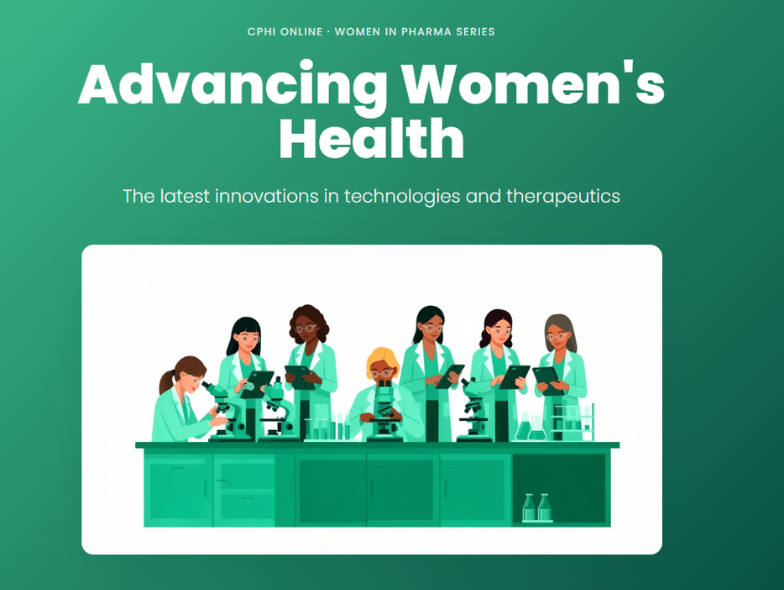
News Women in Pharma: Advancing Women's Health
Discover the latest innovations in technologies and therapeutics that are revolutionising women's health in our latest CPHI Online Women in Pharma infographic.
-

News CPHI Pharma Awards 2026: Recognising Excellence in an Evolving Industry
Submissions now open — deadline May 16
-

News Dr Reddy's to launch generic semaglutide in India
Dr Reddy’s Laboratories, one of India’s leading pharmaceutical companies, is preparing to launch a generic version of semaglutide, branded as Obeda, in March. Obeda is expected to provide a more affordable alternative to Ozempic a... -
News Frontier Biotech and GSK Forge RNA Therapy Partnership
Frontier Biotechnologies and GSK have entered a global licensing agreement to advance small interfering RNA (siRNA) therapeutics. This collaboration grants GSK exclusive rights to develop and commercialise two promising siRNA candidates, marking a mile...