
Overall benefits of ready-to-administer systems outweigh the initial cost disadvantages, says BD expert
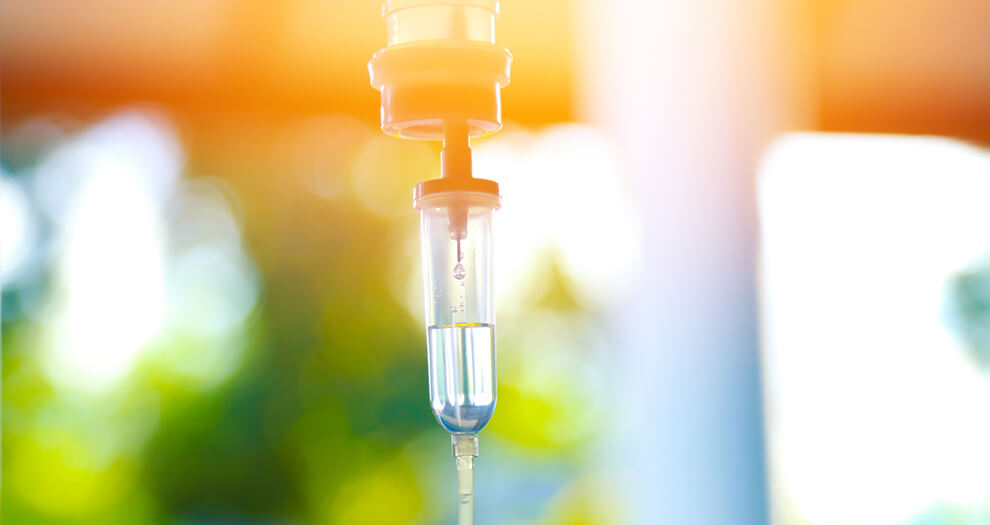
Pre-fillable syringes for intravenous drugs can replace traditional glass vials and ampoules, particularly in the time-sensitive and fast-paced world of emergency care
Ready-to-administer-systems such as pre-fillable syringes can provide benefits to numerous stakeholders including reduction in medication errors, risk of contamination and nurse saving time.
This was the main thrust of Wednesday’s CPHI Discover webinar, Vial to Ready-To-Administer Need and BD solution offerings in acute care, sponsored by BD Medical - Pharmaceutical Systems.
“The only disadvantage is that the cost of a drug-pre-fillable device combination are much higher than that of a drug in a vial or ampoule,” said Sagar Bejalwar, Senior Manager, Global Acute and Specialty Portfolio Marketing at BD Medical - Pharmaceutical Systems.
“There are quite a few benefits that have been documented: the primary benefits are a reduction in medication errors, the reduced risk of contamination, as well as nurse time saving and a reduction in wastage,” he said.
He pinpointed savings in labour time and accurate dosing as critical factors, given that the coronavirus pandemic has reinforced the need for healthcare systems – particularly critical care -- to be much more efficient.
“Ready-to-administer systems do play a part in bringing about that efficiency at least on the point of care,” Bejalwar said, adding that they have the most impact in systems of critical care, which are relatively fast-paced and where there is very little room for error during the medication process.
He said only around 70% of injectable biologic chronic treatments of 50mL or less are packaged in ready-to-administer formats, with only 50% of vaccines available in this format. However, for acute liquid injectable small molecule drugs, the penetration was much less with only 2% are in ready-to-administer format, he added.
As well as the efficiency and time saving benefits to hospital administrator, Bejalwar said prefilled syringes also presented benefits to pharmaceutical players.
“Pharma companies having a generic drug launched in a ready-to-administer system or a prefilled syringe does provide a competitive edge and an opportunity to differentiate in the market that may be dominated by vials and ampoules,” he said.
Bejalwar said BD had recently launched its BD Hylok glass pre-fillable syringe for intravenous drugs primarily in response to malfunction issues with certain types of pin-activated needleless access devices which essentially led to breakage of the tip of the syringes and ultimately disruption to workflows.
“This really did highlight the aspect of incompatibility of pre-fillable syringes with certain designs of needleless access devices and this was specifically highlighted in emergency care settings,” he said.
Bejalwar said that BD’s objective is to position BD Hylok as a solution that meets market needs: “Many pharma companies conduct steam sterilization prior to launching their drug-device combination, and therefore we’ve tested BD Hylok for steam sterilization with water-for-injection to ensure that the pharma companies have that data at hand and are sufficiently equipped to conduct their respective testing processes.”
This webinar will be available on demand from 31 May. In the meantime, for details on how to register for this ongoing virtual event, head to the CPHI Discover website

Related News
-
News Swiss pharma industry warns US tariffs could harm global patient care
The Swiss pharmaceutical sector has raised alarms over new US tariffs on medicines, warning of disrupted supply chains, increased costs, and delayed innovation, all of which could jeopardise patient access to essential treatments worldwide.
-

News Women in Pharma: CPHI India – India’s Pharmaceutical Industry and Gender Inclusion Challenges
India’s pharmaceutical industry has emerged as a significant player in the global market, valued at USD 50 billion in FY 2023-2024, according to Frost & Sullivan’s analysis. This sector encompasses a diverse portfolio, including drugs, vacc... -
News Biogen acquires Apellis Pharmaceuticals to boost immunology and rare disease profile
Biogen Inc. has announced its acquisition of Apellis Pharmaceuticals, Inc., a move that is set to significantly enhance its growth portfolio in immunology and rare diseases. The agreement, valued at approximately US$5.6 billion, will see Biogen purchas... -

News Gilead Sciences acquires Ouro Medicines for over US$2 billion
Gilead Sciences confirms a deal to take over Ouro Medicines, adding to a portfolio of therapies for autoimmune diseases.
-
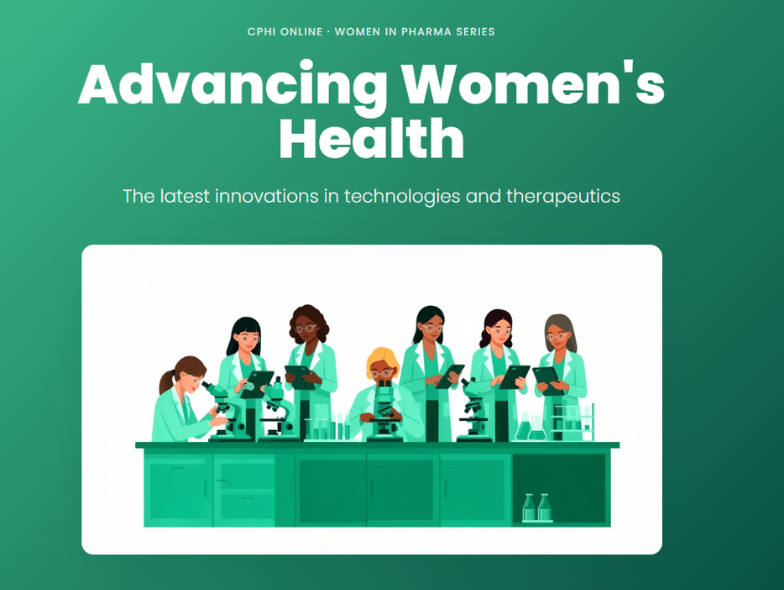
News Women in Pharma: Advancing Women's Health
Discover the latest innovations in technologies and therapeutics that are revolutionising women's health in our latest CPHI Online Women in Pharma infographic.
-

News CPHI Pharma Awards 2026: Recognising Excellence in an Evolving Industry
Submissions now open — deadline May 16
-
News Dr Reddy's to launch generic semaglutide in India
Dr Reddy’s Laboratories, one of India’s leading pharmaceutical companies, is preparing to launch a generic version of semaglutide, branded as Obeda, in March. Obeda is expected to provide a more affordable alternative to Ozempic a... -
News Frontier Biotech and GSK Forge RNA Therapy Partnership
Frontier Biotechnologies and GSK have entered a global licensing agreement to advance small interfering RNA (siRNA) therapeutics. This collaboration grants GSK exclusive rights to develop and commercialise two promising siRNA candidates, marking a mile...