
Packaging Toward a Sustainable Future

With the world’s attitude to tackling climate change arguably the global number one hot topic of 2019, the issue of sustainability is an emerging theme in pharmaceutical packaging.
In recognition of this developing trend, Pharmapack Europe launched the inaugural Eco-Design Award for the 2019 edition in Paris, in partnership with Adelphe under the Health Product Category, giving packagers the opportunity to showcase innovative packaging solutions that have made significant contributions in terms of reducing waste and increasing potential recyclability.
Traditionally, much of the scrutiny in this area has fallen on consumer and retail industries and rightly so – packaging of items such as food and cosmetics has drawn much criticism for their use of single-use plastic and often overelaborate design.
In the past, pharmaceutical packagers have not prioritized fitting eco-friendliness and sustainability into their manufacturing and distribution process for several reasons. First of all, the value of medicines dwarfs their packaging and logistics costs unlike many consumer goods. Also, the highly regulated sector needs to ensure that its packaging protects and preserves these vital products to ensure efficacy and safety.
As Greg Anderson, managing director of Pharmacentric Solutions and one of the Pharmapack Award judges points out, pharmaceutical packaging is very rarely excessive because firms are trying to make it as cost-effective as possible and also because behind-the-counter treatments do not require attractive packaging in the way consumer healthcare products do.
“Most solid dose packaging is very straightforward, primarily driven by the fact that when you get your prescription, you get it for the medicine, not the brand. It’s behind the counter in the pharmacy therefore you don’t choose it for the nice packaging,” he says.
Drivers of change
So what is driving the packaging industry to take sustainability much more seriously?
Anderson says the shift is partly being driven by drug retailers and hospitals -- payers for large volumes of pharmaceutical products -- who are continually challenging suppliers on how their packaging processes address sustainability.
“Some of the Nordic countries have built in life-cycle analysis of packaging as part as their tender process -- that’s a really forward-looking step,” he says. “And then with medicines that require devices such as inhalers and injectors, hospitals now have sustainability teams starting to look at this in more detail. They are still incredibly small but it’s a start.”
Delphine Pernot, eco-design services manager at Adelphe and another Pharmapack Awards judge, says that increasingly in the healthcare sector, customers are expecting packagers to be aware of environmental issues, display total transparency about their processes and how they are managing sustainability issues.
If packagers want to continue to have a license to operate, they need to satisfy stakeholders they are taking the subject seriously, she says: “Pharma companies’ main purpose is to improve health so if on the other hand, they are damaging the environment, this is not consistent.”
Previous winners
The first of 2019’s two joint winners of the Pharmapack Eco-Design award was Sterile Cosmetics by RPC Bramlage, co-developed with Pierre Fabre Cosmetic, comprising a sterile dispenser and airless container, including bag in bottle technology, allowing patients to dispense sterile cream but without the use of preservatives. The pump is 100% plastic and 100% recyclable.
Pernot says RPC Bramlage and PFC’s innovative design addresses the issue of a small metal component in the pump which was previously problematic for recycling.
“They not only invented a new pump without this metal, but also with a mechanism that ensures against bacterial infection,” she says. “This eco-design initiative has been helpful for them to innovate; they made new packaging which provides additional value.”
Meanwhile, UCB Pharma’s Cimzia 200mg/Vial Lyophilized Powder Pack, co-developed by Rondo, was also awarded an Eco-design award for integrating new and innovative packaging features, focusing on package size, recyclability, sustainability and waste.
Holistic approach
With the deadline for 2020 entries fast approaching, Pernot says judges will be looking for pharmaceutical packaging designs borne out of a completely holistic approach towards their environmental footprint which take into account the entire lifespan of the product and are easier to disassemble.“
For example, are the different plastic and metal parts easy to remove from each other?” she says, adding that companies will also be judged on whether they address sustainability and recycling challenges in the specific markets where their products are sold.
So what are the initial easy wins that drug packagers can achieve on the road to greater sustainability and eco-friendliness?
Anderson is of the view that they need to adopt a top-down approach and engage with all stakeholders from the very beginning: “You have to do a review of your portfolio to identify and prioritize where you can optimize your packaging, based on where you believe your quick wins are, and then in parallel actually look at your whole operation.”
He adds that it is a good strategy to create a sustainability role within the company that talks to customers and then focus on just a few realizable projects.
“Just pick two or three successes, work with your suppliers, and build a short- to medium-term list of goals because the simple rule is if you save carbon, you’ll save money.”
There are additional benefits to such a strategy in the form of increased efficiency and lower costs, he explains: “If you can lightweight one of your bottles or components, it makes it faster to manufacture but it also uses less material, so you’ve got a double advantage there.”
Pernot says companies hesitant to effect change may have to pay a heavier penalty later down the line. Giving the example of replacing PVC in blister packaging with more recyclable materials, she says many manufacturers find it difficult to make this transition, not so much because of technical difficulties but more due to perceived cost constraints.“
The industry should understand and realize there is a big need for changes in their packaging and this will arrive sooner or later,” she says. “If they wait for regulation to come in and they are obliged to change, I believe it will be more expensive for them.”
To learn more about the challenge of creating sustainable pharma packaging solutions, register your interest now for Pharmapack Europe 2021.
Related News
-
News Swiss pharma industry warns US tariffs could harm global patient care
The Swiss pharmaceutical sector has raised alarms over new US tariffs on medicines, warning of disrupted supply chains, increased costs, and delayed innovation, all of which could jeopardise patient access to essential treatments worldwide.
-

News Women in Pharma: CPHI India – India’s Pharmaceutical Industry and Gender Inclusion Challenges
India’s pharmaceutical industry has emerged as a significant player in the global market, valued at USD 50 billion in FY 2023-2024, according to Frost & Sullivan’s analysis. This sector encompasses a diverse portfolio, including drugs, vacc... -
News Biogen acquires Apellis Pharmaceuticals to boost immunology and rare disease profile
Biogen Inc. has announced its acquisition of Apellis Pharmaceuticals, Inc., a move that is set to significantly enhance its growth portfolio in immunology and rare diseases. The agreement, valued at approximately US$5.6 billion, will see Biogen purchas... -

News Gilead Sciences acquires Ouro Medicines for over US$2 billion
Gilead Sciences confirms a deal to take over Ouro Medicines, adding to a portfolio of therapies for autoimmune diseases.
-
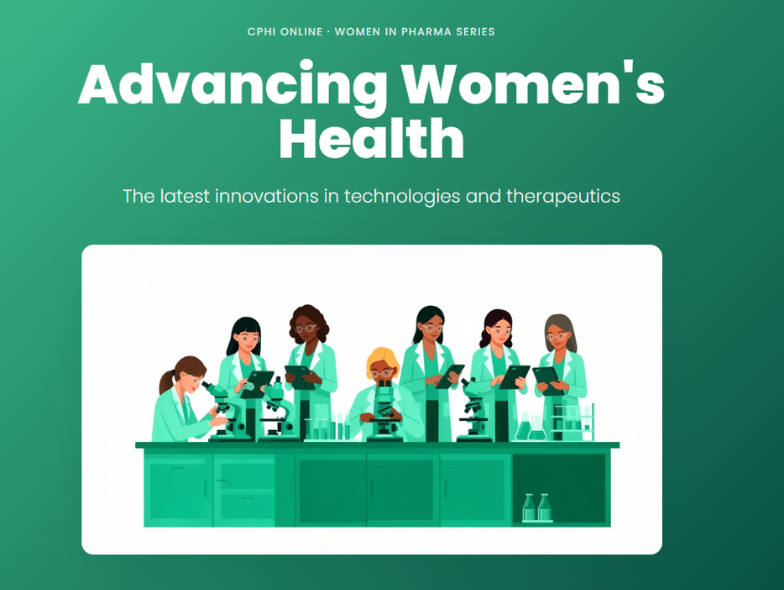
News Women in Pharma: Advancing Women's Health
Discover the latest innovations in technologies and therapeutics that are revolutionising women's health in our latest CPHI Online Women in Pharma infographic.
-

News CPHI Pharma Awards 2026: Recognising Excellence in an Evolving Industry
Submissions now open — deadline May 16
-
News Dr Reddy's to launch generic semaglutide in India
Dr Reddy’s Laboratories, one of India’s leading pharmaceutical companies, is preparing to launch a generic version of semaglutide, branded as Obeda, in March. Obeda is expected to provide a more affordable alternative to Ozempic a... -

News Frontier Biotech and GSK Forge RNA Therapy Partnership
Frontier Biotechnologies and GSK have entered a global licensing agreement to advance small interfering RNA (siRNA) therapeutics. This collaboration grants GSK exclusive rights to develop and commercialise two promising siRNA candidates, marking a mile...