
Pfizer and GSK spearhead development of promising RSV vaccines
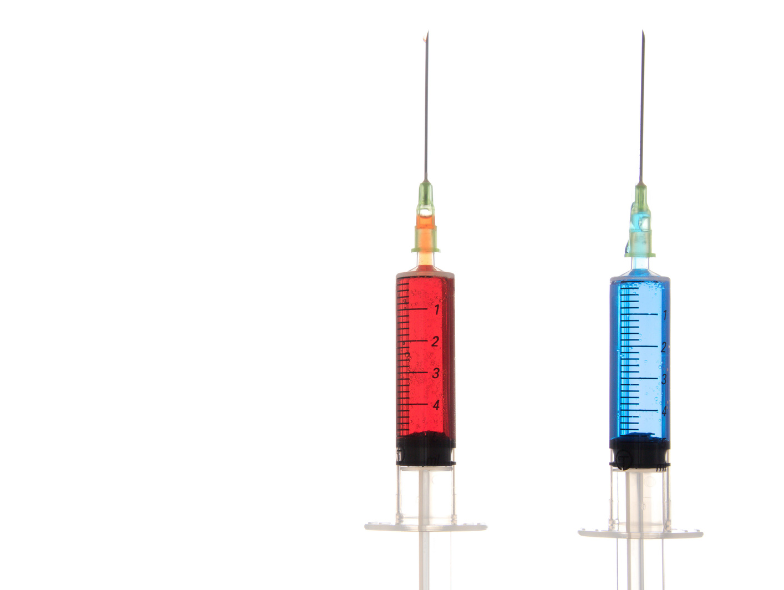
Vaccines for RSV from GSK and Pfizer to be analysed by a panel of experts with a view to informing a decision from the US FDA on their approval.
The next stage in an exciting head-to-head between Pfizer and GSK to develop the first vaccine for respiratory syncytial virus (RSV) will take place this week as a panel of experts for the US FDA come to assess the vaccines.
RSV is common cold-like respiratory virus that is responsible for the deaths of around 14,000 older adults in the US every year. A vaccine that could protect the most vulnerable from this virus would be a big step forward.
For GSK and Pfizer it would also mean securing their place in the market, with a return of up to $10 billion according to recent estimates.
The vaccine, for which approval is sought for use in adults aged 60 and over, will come under scrutiny from a panel of experts, who will then provide an independent report for the FDA to consider, eventually deciding on final approval by May of this year. If all goes to plan then the vaccine would be available for patients in time for the seasonal increase in virus prevalence in winter, providing timely protection.
Research into RSV has been ongoing since the 1960s, so to finally have a breakthrough in the development of a vaccine is a real win for the industry and a credit to the recent advances in the fields of vaccine development and infectious diseases.
"RSV is the last of the great big respiratory viruses that afflict our population on an annual basis," stated William Schaffner of Vanderbilt University Medical Centre.
Other leaders in the field, Merck, Moderna and Johnson & Johnson have also developed RSV vaccines, which are currently undergoing clinical trials.
GSK and Pfizer have been leading the charge after initial results from late-stage studies conducted by the two companies demonstrated that their vaccines prevented the occurrence of respiratory disease after infection by RSV.
The key results were as follows: GSK's vaccine was 82.6% effective in preventing lower respiratory tract disease in people of over 60 years old, and 94.1% effective in preventing severe disease in this population.
The vaccine from Pfizer was 66.7% effective in preventing lower respiratory tract disease that occurs with over two symptoms, and 85.7% effective against illness with over three symptoms.
The results are extremely promising and a favourable outcome from the panel assessment is expected with a view to approving the vaccines in the future.


Related News
-

News Swiss pharma industry warns US tariffs could harm global patient care
The Swiss pharmaceutical sector has raised alarms over new US tariffs on medicines, warning of disrupted supply chains, increased costs, and delayed innovation, all of which could jeopardise patient access to essential treatments worldwide.
-

News Biogen acquires Apellis Pharmaceuticals to boost immunology and rare disease profile
Biogen Inc. has announced its acquisition of Apellis Pharmaceuticals, Inc., a move that is set to significantly enhance its growth portfolio in immunology and rare diseases. The agreement, valued at approximately US$5.6 billion, will see Biogen purchas... -
News Eli Lilly confirms Pennsylvania for US$3.5bn manufacturing site
The company plans to create more than 2,800 manufacturing and construction jobs at Lilly's 10th US manufacturing site announced since 2020.
-

News Drug Approvals from 2025 – Triumphs in the midst of challenges
The following infographic outlines key drugs that have been newly approved by the US FDA in 2025. -

News Johnson & Johnson completes acquisition of Halda Therapeutics
Acquisition brings an advanced, highly differentiated treatment for prostate cancer, strengthening Johnson & Johnson’s longstanding commitment to innovation in the disease. Lead asset demonstrates potential to overcome key resistance pathways ... -
News AI-powered therapy offers hope for rare familial polyposis
Recursion Pharmaceuticals has announced promising results from its ongoing early- to mid-stage trial evaluating its AI-powered treatment, REC-4881, for familial adenomatous polyposis (FAP).
-
News CPHI Podcast Series: From Patents to Public Health: The GLP-1 Journey
The latest episode of the CPHI Podcast Series delves into the future of obesity management globally, offering opinins on might happen after patent expirys and new globals players entering the fray.
-

News From Pharma to Table? Direct-to-consumer pharma sales and price cuts ramp up in US
The pharmaceutical industry is witnessing a seismic shift as major companies embrace direct-to-consumer sales models and announce significant price reductions across the United States, responding to mounting pressure from the Trump administration to ta...