
Pharma 2030 and Packaging
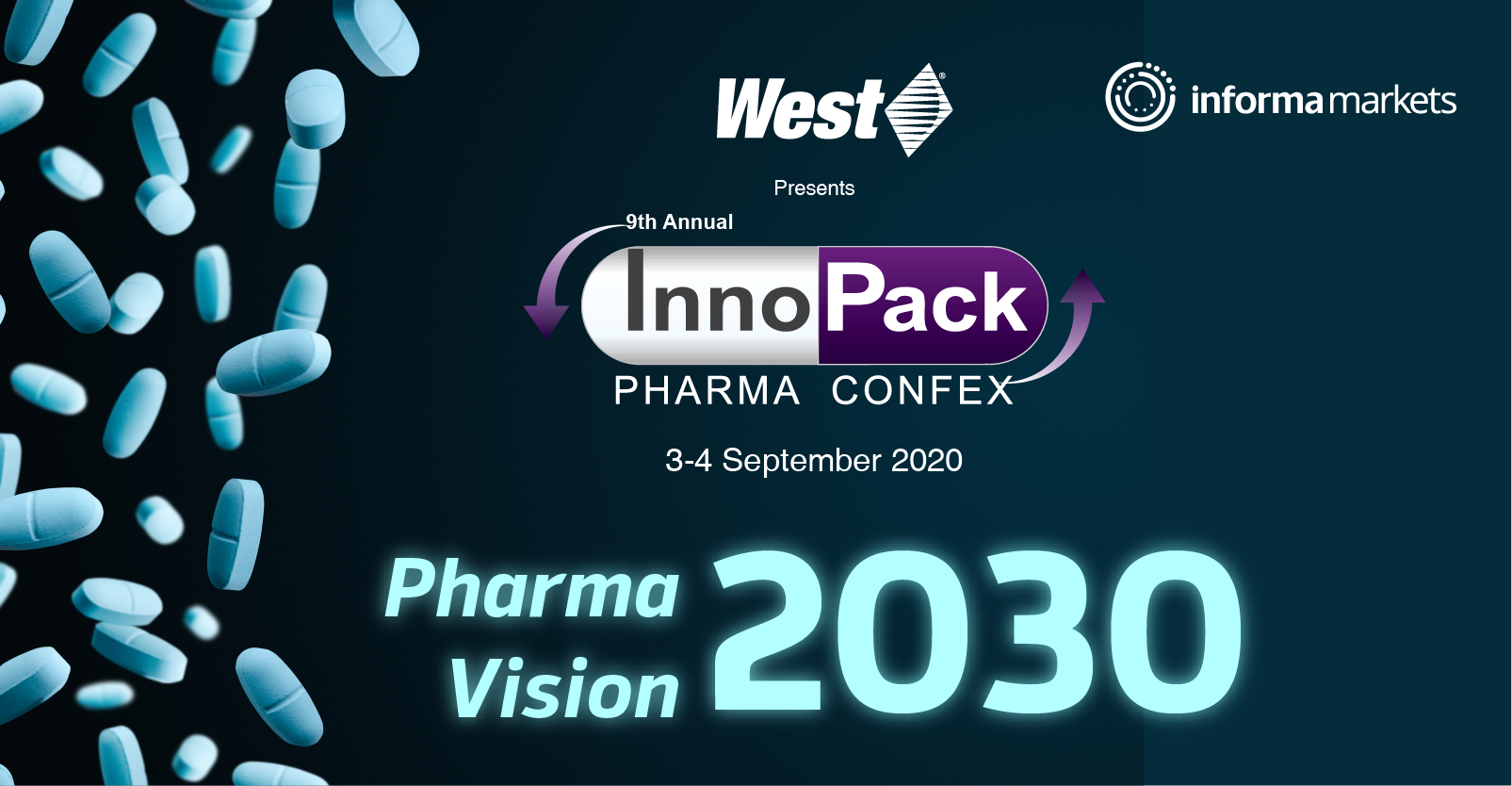
An exclusive interview with Mr. Sudarshan Jain, Secretary-General, Indian Pharmaceutical Alliance
With the recent slowdown in world economic growth, the pharmaceutical packaging industry has also suffered a certain impact but still maintained relatively optimistic growth. Increasing demand for pharmaceuticals owing to an increase in healthcare coverage, a growing aging population, and an increase in non-communicable disease in emerging economies are the major drivers for the pharmaceutical packaging market. The market growth is attributed to the growing demand for medicines and related packaging in these economies.
There is a much greater potential for India’s pharmaceutical sector now to increase trade partners both regionally and in other parts of the world. The government can encourage this by investing in more R&D for drug and pharma research within India (public medical colleges and universities can be used for this purpose) and providing more incentives to the private sector to enhance its production for export channels.
Sudarshan Jain (pictured below), Secretary-General of the Indian Pharmaceutical Alliance has a rich healthcare business experience of over 40 years which includes stints at Abbott, Johnson & Johnson and leading Indian companies. He also has extensive experience in field force management, brand building and overall business operations in healthcare companies.
In this interview, he gives his thoughts on the recent trends and developments in the Indian pharmaceutical industry and how the packaging sector can overcome logistical issues and supply constraints brought about by the current coronavirus pandemic.
What are the initiatives by the government for the Future of Pharma in India?
India is the global leader for pharmaceutical products, especially generic medicines. We already account for 60% of the global vaccine production, 25% of demand for medicines in the UK, and one in three pills consumed in the US. The pandemic has thrown unprecedented challenges at the industry. However, we strongly believe that it has also given the pharmaceutical industry the opportunity to rise to the occasion and ensure access to quality and affordable medicines to people across the world.
The right policy push can augment India’s position as the pharmacy of the world. IPA and the Government are working in an integrated manner throughout these pandemic times. The government has been taking steps such as releasing API guidelines to make India much stronger as a nation. The government has taken steps by releasing guidelines for the Production Linked Incentive (PLI) scheme for domestic manufacturing of Bulk Drugs and Medical Devices.
As a next step, it will be critical to focus on execution of these schemes to accelerate the intended objectives and provide health security to the country. Other major initiatives include consideration of a simplification of regulations and strengthening the R&D sector at this critical juncture; there is a need for a collaborative effort. We look forward to working with Government and regulatory agencies to help build a reliant ecosystem which will help the industry grow by 11-12%. India will continue to be the pharmacy of the world.
Please share your views on “Vision 2030,’ that aims to make the Indian pharma sector, the “world’s largest supplier of drugs by volume?
In 2019, we set an aspiration for increasing the revenue of India's pharma industry from USD 41 billion in 2019 to USD 120-130 billion by 2030. In doing so, we will become number one in volume terms and among the top three largest industries in value terms. This will be consolidating India’s position as “Pharmacy of the World.”
We believe that to achieve Vision 2030, a concerted action from the industry, the government and other stakeholders is required. We need to work on the following:
- Accelerate universal healthcare access by strengthening healthcare infrastructure and utilisation of digital technologies
- Create a stable and supportive regulatory environment for industry by reducing uncertainty around pricing and simplifying the regulatory approval process
- Focus on API manufacturing to reduce reliance on imports and create a self-reliant India
- Promote innovation by creating a research ecosystem, and make India a life sciences innovation hub
- Move towards liberalising pricing policy to increase investment in R&D and manufacturing and exports
- Increase our export thrust and capitalise on opportunities in US, EU and other markets
- Expand and consolidate our global footprint and collaborate with international regulatory bodies
What, according to you, are the major changes in pharma packaging brought about by COVID-19 and its impact on the entire value chain?
The pharma packaging industry and ancillaries have faced significant disruption owing to pandemic induced lockdown, especially with the constraints in manpower availability and logistical disruption leading to supply chain related challenges. The revival of the industry will require concrete efforts and collaboration across stakeholders, namely the Government, the pharma industry and the ancillary industry.
In the short term, accelerated recovery for business continuity in the form of financial relief from the Government and building resilience through cross-industry collaborations driving greater visibility in the ancillary value chain to proactively identify supply risks are imperative. In the long term, to manage supply disruptions, knowledge sharing facilitated by the various stakeholders in the pharma sector will enable ancillary competitiveness through access to frugal innovation and sourcing assistance. IPA pharma companies are providing necessary support to the MSMEs associated with it.
Are drug delivery devices and digitization the future of the healthcare industry?
The unprecedented nature of the pandemic has reinforced patient welfare as a primary focus. We have seen the entire pharma supply chain responding to the needs of patients during this pandemic. Stakeholders have worked in an integrated manner including the Government of India to ensure an uninterrupted supply of medicines. COVID-19 has impacted the traditional way of doing business and we are likely to see an increasing emergence of technology platforms going forward.
Related News
-

News Swiss pharma industry warns US tariffs could harm global patient care
The Swiss pharmaceutical sector has raised alarms over new US tariffs on medicines, warning of disrupted supply chains, increased costs, and delayed innovation, all of which could jeopardise patient access to essential treatments worldwide.
-

News Women in Pharma: CPHI India – India’s Pharmaceutical Industry and Gender Inclusion Challenges
India’s pharmaceutical industry has emerged as a significant player in the global market, valued at USD 50 billion in FY 2023-2024, according to Frost & Sullivan’s analysis. This sector encompasses a diverse portfolio, including drugs, vacc... -
News Biogen acquires Apellis Pharmaceuticals to boost immunology and rare disease profile
Biogen Inc. has announced its acquisition of Apellis Pharmaceuticals, Inc., a move that is set to significantly enhance its growth portfolio in immunology and rare diseases. The agreement, valued at approximately US$5.6 billion, will see Biogen purchas... -

News Gilead Sciences acquires Ouro Medicines for over US$2 billion
Gilead Sciences confirms a deal to take over Ouro Medicines, adding to a portfolio of therapies for autoimmune diseases.
-
News Women in Pharma: Advancing Women's Health
Discover the latest innovations in technologies and therapeutics that are revolutionising women's health in our latest CPHI Online Women in Pharma infographic.
-

News CPHI Pharma Awards 2026: Recognising Excellence in an Evolving Industry
Submissions now open — deadline May 16
-

News Dr Reddy's to launch generic semaglutide in India
Dr Reddy’s Laboratories, one of India’s leading pharmaceutical companies, is preparing to launch a generic version of semaglutide, branded as Obeda, in March. Obeda is expected to provide a more affordable alternative to Ozempic a... -

News Frontier Biotech and GSK Forge RNA Therapy Partnership
Frontier Biotechnologies and GSK have entered a global licensing agreement to advance small interfering RNA (siRNA) therapeutics. This collaboration grants GSK exclusive rights to develop and commercialise two promising siRNA candidates, marking a mile...