
Pharma companies research whether vaccines need upgrade to fight Omicron variant
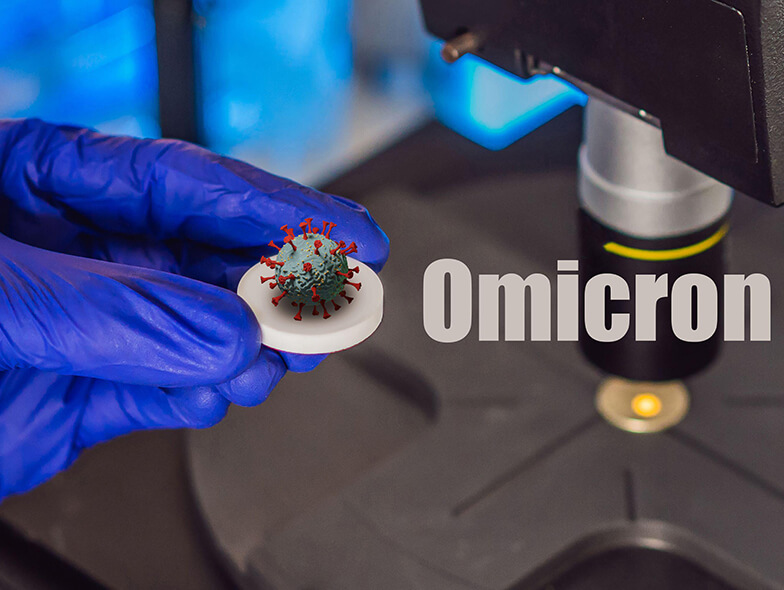
It could take pharmaceutical companies months to tweak their COVID-19 vaccines to provide sufficient protection against the Omicron variant of the coronavirus if it poses a risk of serious illness.
That is the message that Moderna chief executive Stéphane Bancel has conveyed as companies scramble to compile and analyse data on how existing vaccines are performing against Omicron.
In an interview with the Financial Times, Bancel predicted that existing COVID-19 vaccines will be much less effective at tackling the Omicron variant than earlier strains of coronavirus and warned it will take months before companies can manufacture new variant-specific jabs at scale.
He explained that with 32 of the 50 Omicron mutations on the spike protein, which the virus uses to infect human cells, as well as the rapid spread of the variant in South Africa, the current crop of vaccines may need to be modified next year.
“There is no world, I think, where [the effectiveness] is at the same level … we had with Delta,” he told the British newspaper.
However, other voices within the industry have struck a slightly more optimistic tone.
In a statement, Oxford University, which developed the AstraZeneca vaccine, said it would carefully evaluate the implications of the emergence of Omicron for vaccine immunity.
“Despite the appearance of new variants over the past year, vaccines have continued to provide very high levels of protection against severe disease and there is no evidence so far that Omicron is any different,” it said. “However, we have the necessary tools and processes in place for rapid development of an updated COVID-19 vaccine if it should be necessary.”
Talking to Reuters, BioNTech CEO and co-founder Ugur Sahin said Comirnaty, the COVID-19 vaccine the biotech developed with Pfizer, would likely offer strong protection against any severe disease from Omicron.
He said lab tests had already started to analyse the blood of people who had two or three doses of Comirnaty to ascertain whether antibodies found in that blood inactivate Omicron.
“We think it's likely that people will have substantial protection against severe disease caused by Omicron,” he said, specifying severe disease as requiring hospital admission or intensive care.
He added he expects the lab tests to show some loss of vaccine protection against mild and moderate disease due to Omicron, but the extent of that loss was still hard to predict.
While BioNTech is working on an upgraded version of its vaccine, of which more than 2 billion doses have been delivered, it remains unclear whether that is needed, Sahin said.
Merck & Co. said its antiviral molnupiravir is likely to be active against Omicron based on the treatment’s mechanism of action and currently available genomic information.
The company said it has yet to do specific research studying molnupiravir’s effect against Omicron but added that it had previously found that the drug works for the Gamma, Delta, and Mu variants.
On November 30, Merck said the US Food and Drug Administration’s (FDA) Antimicrobial Drugs Advisory Committee (AMDAC) voted 13-10 that the known and potential benefits of molnupiravir outweigh its known and potential risks for the treatment of mild to moderate COVID-19 in high-risk adult patients.
While the FDA is not bound by the committee’s guidance, it does take its advice into consideration.
Related News
-

News Swiss pharma industry warns US tariffs could harm global patient care
The Swiss pharmaceutical sector has raised alarms over new US tariffs on medicines, warning of disrupted supply chains, increased costs, and delayed innovation, all of which could jeopardise patient access to essential treatments worldwide.
-

News Women in Pharma: CPHI India – India’s Pharmaceutical Industry and Gender Inclusion Challenges
India’s pharmaceutical industry has emerged as a significant player in the global market, valued at USD 50 billion in FY 2023-2024, according to Frost & Sullivan’s analysis. This sector encompasses a diverse portfolio, including drugs, vacc... -
News Biogen acquires Apellis Pharmaceuticals to boost immunology and rare disease profile
Biogen Inc. has announced its acquisition of Apellis Pharmaceuticals, Inc., a move that is set to significantly enhance its growth portfolio in immunology and rare diseases. The agreement, valued at approximately US$5.6 billion, will see Biogen purchas... -

News Gilead Sciences acquires Ouro Medicines for over US$2 billion
Gilead Sciences confirms a deal to take over Ouro Medicines, adding to a portfolio of therapies for autoimmune diseases.
-
News Women in Pharma: Advancing Women's Health
Discover the latest innovations in technologies and therapeutics that are revolutionising women's health in our latest CPHI Online Women in Pharma infographic.
-

News CPHI Pharma Awards 2026: Recognising Excellence in an Evolving Industry
Submissions now open — deadline May 16
-
News Dr Reddy's to launch generic semaglutide in India
Dr Reddy’s Laboratories, one of India’s leading pharmaceutical companies, is preparing to launch a generic version of semaglutide, branded as Obeda, in March. Obeda is expected to provide a more affordable alternative to Ozempic a... -
News Frontier Biotech and GSK Forge RNA Therapy Partnership
Frontier Biotechnologies and GSK have entered a global licensing agreement to advance small interfering RNA (siRNA) therapeutics. This collaboration grants GSK exclusive rights to develop and commercialise two promising siRNA candidates, marking a mile...