
Pharmaceutical middlemen propose business practice modifications, hope to avoid new regulations

Pharmacy benefit managers (PBMs) are currently developing a proposal to voluntarily modify certain business practices in an effort to avoid new regulations from the Trump administration, according to sources familiar with the ongoing discussions.
The Pharmaceutical Care Management Association (PCMA), the primary lobbying organisation representing these pharmacy middlemen, has drafted recommendations intended for submission to the Centers for Medicare and Medicaid Services, as revealed in documents reviewed by Bloomberg News.
These PBMs have come under increasing scrutiny as the Trump administration calls for stricter regulations on how the industry negotiates discounts on prescription medications with pharmaceutical manufacturers on behalf of health plans and employers.
The proposed voluntary changes come amidst a broader push for PBM reform across the United States. In July 2025, Representative Earl L. Carter introduced the bipartisan PBM Reform Act, aimed at addressing what critics describe as anticompetitive and opaque practices within the industry. The legislation seeks to restore transparency and fairness in the prescription drug supply chain.
Several states have already taken action against certain PBM practices. California lawmakers, for instance, have been pursuing legislation that would prohibit spread pricing – where PBMs charge insurers higher rates for drugs than what they pay to pharmacies. The California bill would also bar PBMs from requiring patients to use only specified affiliated pharmacies.
Industry stakeholders remain divided on the issue. Insurance companies and employers argue that PBMs make administering pharmacy benefits more efficient and help control costs by challenging unreasonable prices from drugmakers. Pharmaceutical manufacturers, however, have advocated for increased restrictions on PBMs.
CVS Health, a major player in the PBM space, declined to confirm the report about voluntary changes but stated it stands "ready and willing to work with the Administration and Congress to support efforts that make prescription drug coverage more affordable and easier to use".
The Trump administration previously signed an executive order designed to lower prescription drug costs in the US, with provisions specifically targeting PBM control and encouraging competition and innovation in the pharmaceutical market.
As these discussions continue, multiple pharmaceutical manufacturers including Eli Lilly & Co., Pfizer Inc., Novo Nordisk A/S, and Bristol Myers Squibb have launched their own direct sales initiatives, whilst others such as AstraZeneca Plc, Roche, Merck KGaA, and GSK Plc have expressed interest in similar approaches.
The outcome of these voluntary proposals from PBMs could significantly impact the future regulatory landscape for prescription drug pricing and distribution in the United States.
Source:
Drug Middlemen Aim to Avoid New Rules With Voluntary Changes [Accessed September 25, 2025] https://www.bloomberg.com/news/articles/2025-09-24/drug-middlemen-seek-to-head-off-new-rules-with-voluntary-changes
Related News
-

News Swiss pharma industry warns US tariffs could harm global patient care
The Swiss pharmaceutical sector has raised alarms over new US tariffs on medicines, warning of disrupted supply chains, increased costs, and delayed innovation, all of which could jeopardise patient access to essential treatments worldwide.
-

News Women in Pharma: CPHI India – India’s Pharmaceutical Industry and Gender Inclusion Challenges
India’s pharmaceutical industry has emerged as a significant player in the global market, valued at USD 50 billion in FY 2023-2024, according to Frost & Sullivan’s analysis. This sector encompasses a diverse portfolio, including drugs, vacc... -
News Biogen acquires Apellis Pharmaceuticals to boost immunology and rare disease profile
Biogen Inc. has announced its acquisition of Apellis Pharmaceuticals, Inc., a move that is set to significantly enhance its growth portfolio in immunology and rare diseases. The agreement, valued at approximately US$5.6 billion, will see Biogen purchas... -

News Gilead Sciences acquires Ouro Medicines for over US$2 billion
Gilead Sciences confirms a deal to take over Ouro Medicines, adding to a portfolio of therapies for autoimmune diseases.
-
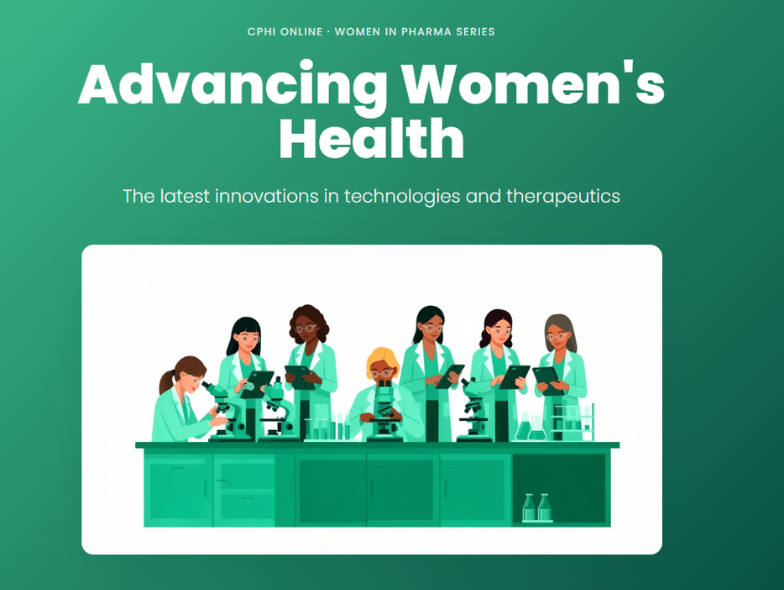
News Women in Pharma: Advancing Women's Health
Discover the latest innovations in technologies and therapeutics that are revolutionising women's health in our latest CPHI Online Women in Pharma infographic.
-

News CPHI Pharma Awards 2026: Recognising Excellence in an Evolving Industry
Submissions now open — deadline May 16
-
News Dr Reddy's to launch generic semaglutide in India
Dr Reddy’s Laboratories, one of India’s leading pharmaceutical companies, is preparing to launch a generic version of semaglutide, branded as Obeda, in March. Obeda is expected to provide a more affordable alternative to Ozempic a... -

News Frontier Biotech and GSK Forge RNA Therapy Partnership
Frontier Biotechnologies and GSK have entered a global licensing agreement to advance small interfering RNA (siRNA) therapeutics. This collaboration grants GSK exclusive rights to develop and commercialise two promising siRNA candidates, marking a mile...