
SenzaGen granted its first patent for GARD potency biomarker test
Company can now offer an animal-free test method to quantify the strength of an allergenic effect.
SenzaGen's patent application to protect a biomarker signature that measures how strongly allergenic a substance is has now been granted in Europe. The patent is SenzaGen's first patent in the area of potency classification. The patent's validity extends to 2036.
The technology of SenzaGen's patent is implemented in the company's testing application, which for the first time makes it possible to measure the allergenicity of chemical substances, so-called potency classification, without animal research.
“Getting this patent approved for the European market is commercially interesting, as there is a ban within the EU on the sale of animal-tested cosmetic products. Furthermore, to quantify how strong the allergenic effect is according to CLP/GHS is a requirement in the EU chemical regulation REACH. As the only company in the world, SenzaGen can now offer an animal-free test method for this”, says Anki Malmborg Hager, CEO of SenzaGen.
SenzaGen’s IP strategy is to protect the company’s technology in all geographically important markets. Already granted in Europe, China and Hong Kong, patent applications for GARD skin are currently being processed by the patent authorities in countries where animal testing is prohibited or where a ban is expected to be introduced, including the US, Canada and India. In addition, the patent portfolio includes several ongoing patent applications for GARD potency and other GARD products.
SenzaGen’s GARD product portfolio consists of a set of allergy tests with industry-leading performance and accuracy. The tests are performed on human cells in test tubes (in vitro) in combination with artificial intelligence, and replace animal experiments for the cosmetics, chemical and pharmaceutical industries for their tests on whether chemical substances in products can be allergenic.
Related News
-

News Pharmaceutical Supply Chain People Moves
The latest appointments, promotions, and structural changes across the pharmaceutical supply chain.
-

News Merck KGaA to buy US biotech SpringWorks for US$3.9 billion
The German multinational pharmaceutical company Merck KGaA have signed a deal to buy US biotech company SpringWorks Therapeutics at an equity value of US$3.9 billion in a move to add rare cancer therapeutics to their pipelines.
-

News Cassava Sciences halts Alzheimer's drug trial after limited progress
Cassava Sciences have drawn a close to their investigations and development of the drug simufilam, which they intended to be used for the treatment of Alzheimer’s disease.
-
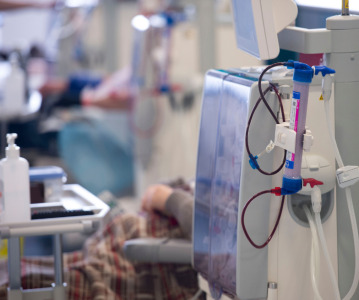
News US FDA adds haemodialysis bloodlines to devices shortage list
On March 14, 2025, the US FDA published an open letter to healthcare providers citing continuing supply disruptions of haemodialysis bloodlines, an essential component of dialysis machines.
-

News Vertex Pharmaceuticals stock jumps as FDA approves non-opioid painkiller
UK-based Vertex Pharmaceuticals saw their stock shares soar as the US FDA signed off on the non-opioid painkiller Journavx, also known as suzetrigine, for patients with moderate to severe acute pain, caused by surgery, accidents, or injuries.
-
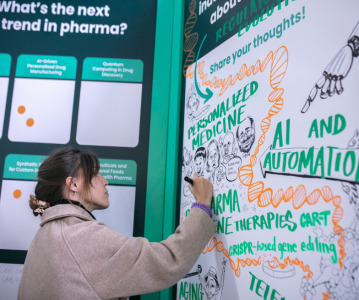
News Lessons from CPHI Milan 2024: Sunny Intervals for Pharma Manufacturing?
As the 2024 CPHI conference wrapped up in Milan, we caught up with L.E.K. Consulting – a global strategy consulting firm with deep expertise in pharma manufacturing – to discuss evolving market perspectives and business outlook. -
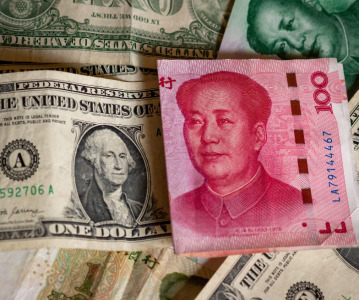
News US BIOSECURE Act passed by US House of Representatives
The controversial act, which has already impacted several foreign companies operating in the US, was passed by the House of Representatives on September 9, 2024. It is now headed for the US Senate before it can be signed into law by President Joe Biden... -
News Drug prices agreed upon as part of the US Inflation Reduction Act
The Inflation Reduction Act brought into constitution by the Biden administation in 2022, which proposed a drug price negotiation between the government and pharmaceutical companies, has reached it's first agreement.