Intermediates, Fine and Specialty Chemicals (Products)
Intermediates, Fine and Specialty Chemicals (Products) Companies (200)
































































































































































































.jpg)
Intermediates, Fine and Specialty Chemicals (Products) News
-

News Women in Pharma: Leading Change in STEM, Beyond Quotas
Our monthly Women in Pharma series highlights the influential lives and work of impactful women working across the pharmaceutical industry, and how the industry can work towards making the healthcare industry and workplace more equitable and inclusive. -
News Evotec enters drug discovery collaboration with Janssen Pharmaceutica NV
Evotec and Janssen Pharmaceutica team up to discover novel therapeutic candidates
-
News Seqens commits to US market with multi-million dollar investment in R&D
A redeveloped R&D facility will enhance Seqens' capabilities in developing and producing APIs and active delivery systems development
-

News Steps for Building Supply Chain Integrity and Resilience in Europe
Speakers from the European Fine Chemicals Group, the voice of fine chemical manufacturers in Europe, led a discussion on the ‘globalised, fragmented and complex’ API and raw materials supply chain, in this month’s edition of the CPHI ...







Grey-Overlay%20(1).jpg)
.jpg)
%20(2).jpg)
.jpg)
.jpg)

.jpg)
Intermediates, Fine and Specialty Chemicals (Products) Products (200)
-
Product N-Ethyl-2-(4-formylphenyl)acetamide
N-Ethyl-2-(4-formylphenyl)acetamide is an essential organic intermediate and structural fragment used in the multi-step chemical synthesis of Elacestrant. It acts as a key building block during late-stage coupling reactions and serves as a vital analytical reference standard for impurity profiling, method ...

-
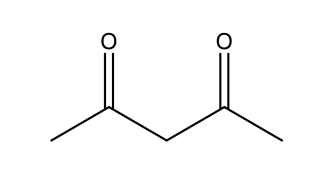
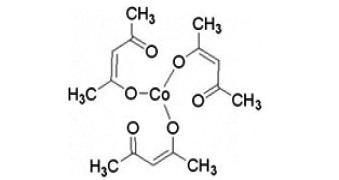
Product Acetyl Acetone
Acetyl acetone is a kind of important intermediates of organic synthesis, mainly used in the materials for producing sulphonamide and animal remedy.
Also it can be used as solvent of cellulose acetate, analyzing reagent, additive of gasoline and lubricant, dryer of paint and varnish, b...
-
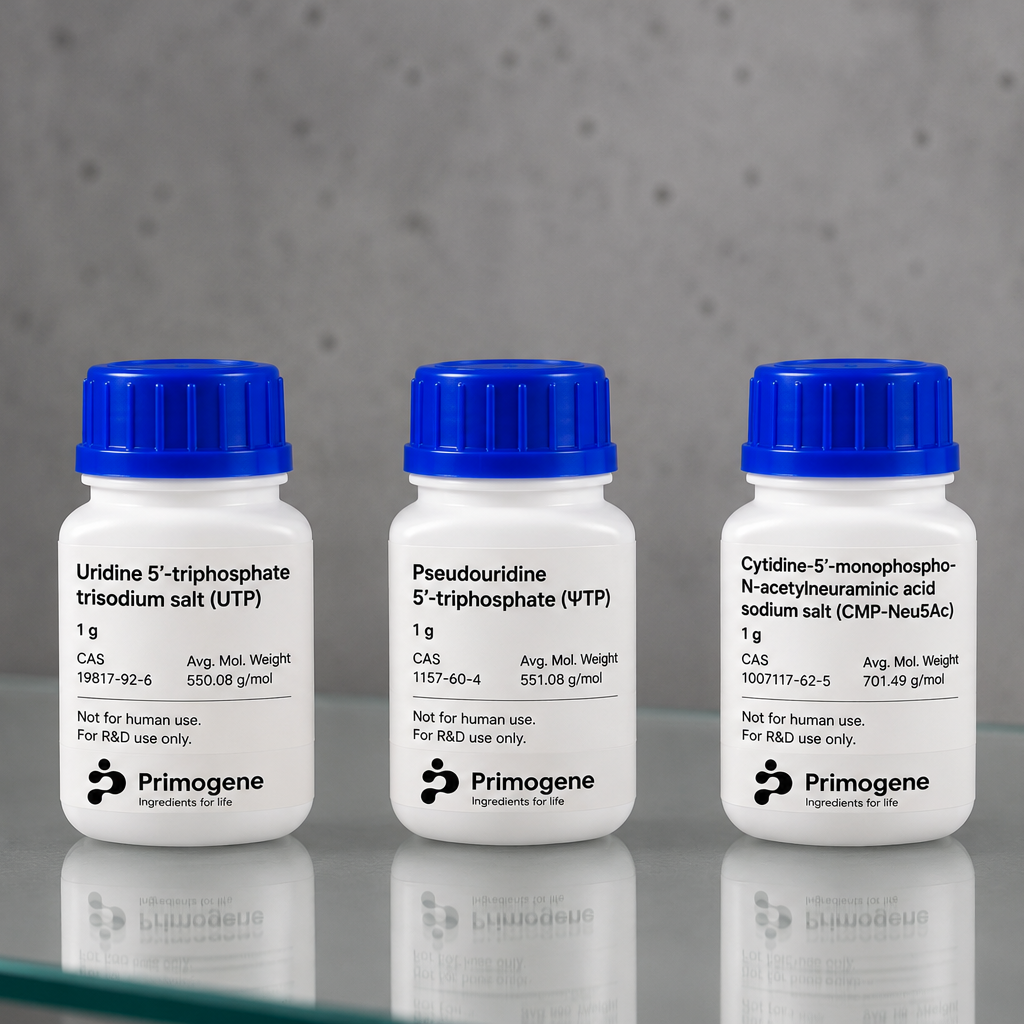
Product Nucleotides, NTPs & dNTPs, Nucleotide Sugars
We develop a broad range of Nucleotides, Nucleotide triphosphates (NTPs) and Deoxynucleotide triphosphates (dNTPs).
Nucleotide diphosphates:
Uridine 5'-diphosphate disodium salt (UDP);
Guanosine 5'-diphosphate disodium salt (GDP);
Cytidine 5'-diphosphate disodium salt (CDP...
-
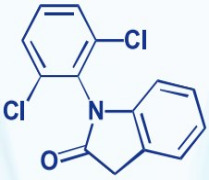
Product Indolinone
CAS NO.:15362-40-0Chemical Name: 1-(2,6-dichlorophenyl)-2-indolinone
Molecular Formula: C14H9Cl2NO
Molecular Weight: 278.13
Usage:Intermediate of Diclofenac Sodium
-
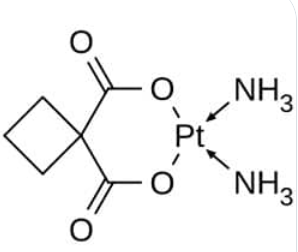
Product CARBOPLATIN
Carboplatin is a chemotherapy agent classified as an alkylating agent that contains platinum, which binds to and damages cancer cell DNA, preventing replication and leading to cell death National Cancer Institute. It is FDA-approved for the treatment of advanced ovarian cancer, both as a first-line therapy...
-
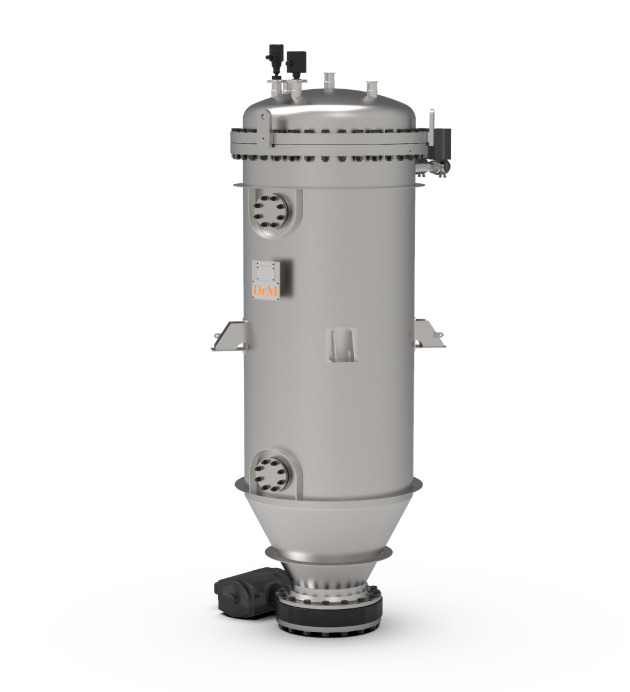
Product FUNDABAC® Candle Filter
Fully automated pressure candle filter for solid-liquid separation, with dry cake discharge in one closed cycle.
• Filters, washes, dries, and discharges; no manual steps • No rotating parts inside the vessel • Patented heel volume filtration for higher yield • 0.012 m² (lab) to 30...
-
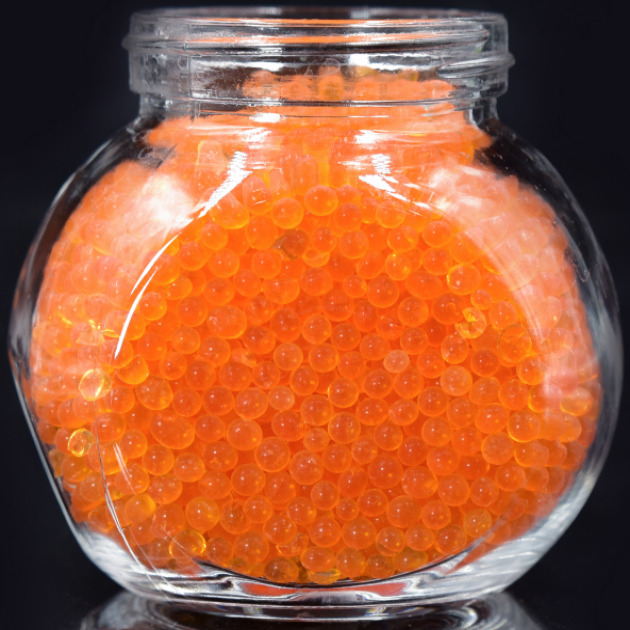
Product Silica Gel Orange Desiccant
Orange Silica Gel
Orange bead or lump, when absorbing moisture, the color will change to green or transparent. Orange silica gel doesn’t contain cobalt chloride, so it’s non-toxic and harmless.
Application:
Mainly used for drying and indicating the humidity, widely used in Precis...
-
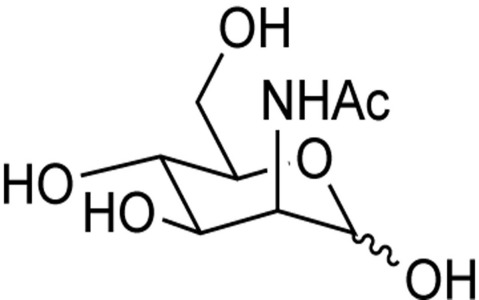
Product N-Acetyl-D-Mannosamine Monohydrate
In biological systems it is the precursor compound for the biosynthesis of the sialic acids especially N-acetylneuraminic acid (Neu5Ac, NANA). For this reason N-acetyl-D-mannosamine is of keen interest to scientists around the world. ICE Pharma’s N-acetyl-D-mannosamine is high purity semi-synthetic suitabl...
-
Product Poly(ethyleneglycol)bis(p-dimethylamino)benzoate
It can effectively absorb ultraviolet light and produce chemical reactions, and is widely used in coating, ink and other fields to improve the curing speed and efficiency of products.


-
Product 2-Thiobarbituric Acid
Color : White / Almost White / Light Yellow / Light Brown Form : Powder L O D (Loss on Drying) : Not more than 1% Sulphated Ash : Not more than 0.5% Foreign Matter : No Foreign Matter Assay by titration: Not less than 99% Packing : HDPE plastic drums with internal PE liners(25 Kg.Net each)

-
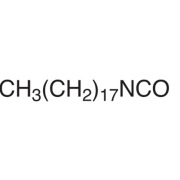
Product Octadecyl Isocyanate / 1-Isocyanatooctadecane
SpecificationsAppearance: Semitransparent Liquid or White Solid
Isocyanate content: 97.0 % min.
Packaging
150kg (200 L Iron Drum)
Applications
Release agents for tapes and films, Modifiers for paints and inks, Polymer denaturation, Water repellent, Antifoam, Cosmetic raw materials
-
Product Chemicals / Intermediates for Pharma & Biopharma
Since its foundation, Midas Pharma has been offering services in sourcing and supplying of substances complying with the corresponding industry requirements and uses. Meanwhile our portfolio involves a broad range of chemicals for industrial applications, starting materials and intermediates for small mole...

-
Product Microreactors: MicroFLO™ & PhotoFLO® (Flow Chemistry)
MicroFLO™ is Amar Flow Laboratory’s microchannel flow-reactor platform engineered for rapid mixing, efficient heat transfer and precise residence-time control. Its high surface-area process and utility channels enable fast heating and cooling, making it suited to highly exothermic, temperature-sensitive an...

-
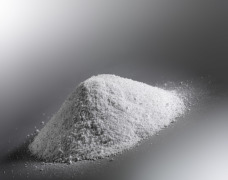
Product Sodium Hyaluronate (Hyaluronic Acid API): MW 7-250 kDa
Sodium Hyaluronat (Hyaluronan, HA): TYPE II (MW 7-250 kDa)
Very Low Molecular Weight - Pharmaceutical Grade (Injection suitable)Certificates: DMF, GMP, USP, EP
Sodium hyaluronate is a polysaccharide found in many locations in the human body, such as t...
-
Product Lithium borohydride
本品为白色或白色灰色粉末,在275°C熔融分解。溶于乙醚、THF和脂肪族胺。它在干燥空气中稳定,但在潮湿空气中可以水解。当pH值大于7时,它可溶于水,但分解非常缓慢。它与酸性介质反应非常快。





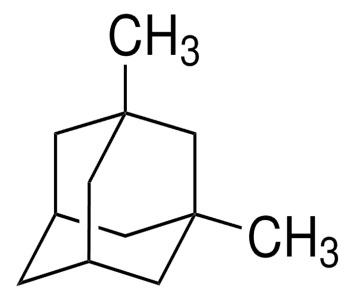



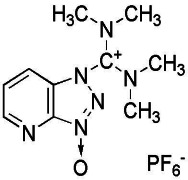

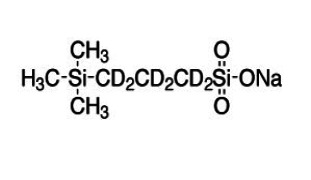






















![1,2-Bis(diphenylphosphino) ethane (DPPE) [CAS# 1663-45-2]](https://www.cphi-online.com/product/1-2-bisdiphenylphosphino-ethane-dppe-cas-1663-45-2/picture.jpeg)
























![(2S)-2-(8-amino-1-bromoimidazo[1,5-a]pyrazin-3-yl)-1-Pyrrolidinecarboxylic acid phenylmethyl ester](https://www.cphi-online.com/product/2s-2-8-amino-1-bromoimidazo-1-5-a-pyrazin-3-yl-1-pyrrolidinecarboxylic-acid/p0th_S.jpg)




![1-[(tert-butoxy)carbonyl]azetidine-3-carboxylic acid](https://www.cphi-online.com/product/1-tert-butoxycarbonyl-azetidine-3-carboxylic-acid/picture.png)















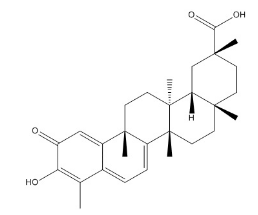

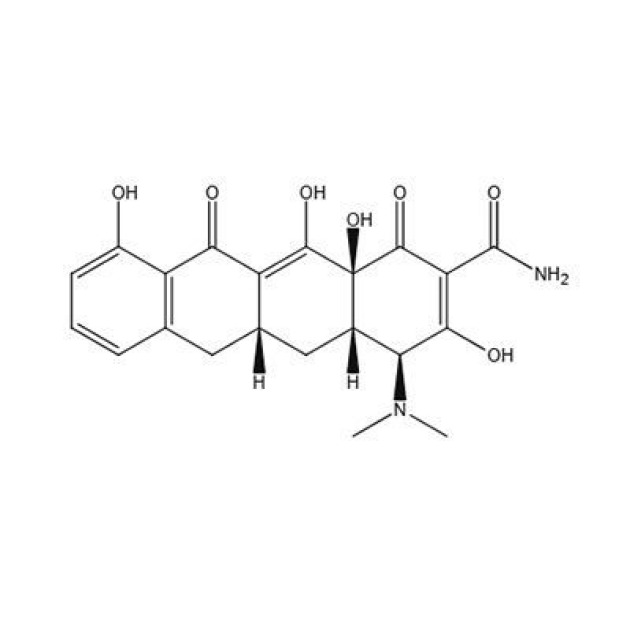

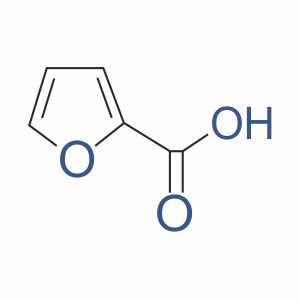

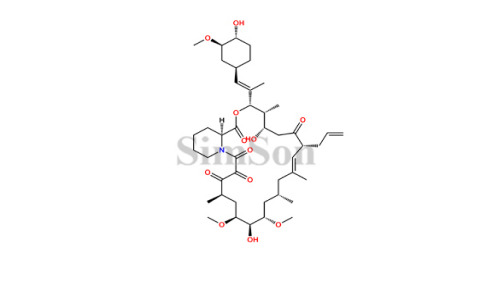

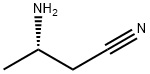

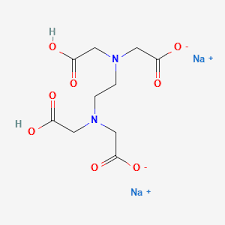

![(R)-1-[3,5-Bis(trifluoromethyl)phenyl]ethanol](https://www.cphi-online.com/product/r-1-3-5-bistrifluoromethylphenyl-ethanol-3/127852-28-2.png)

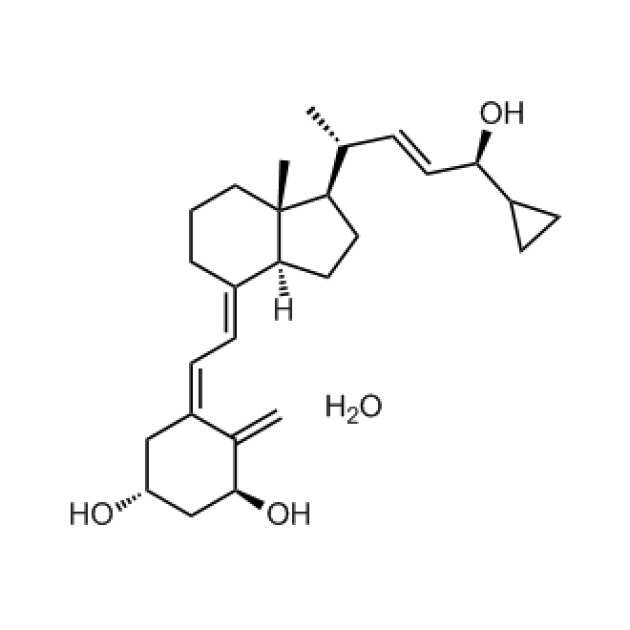



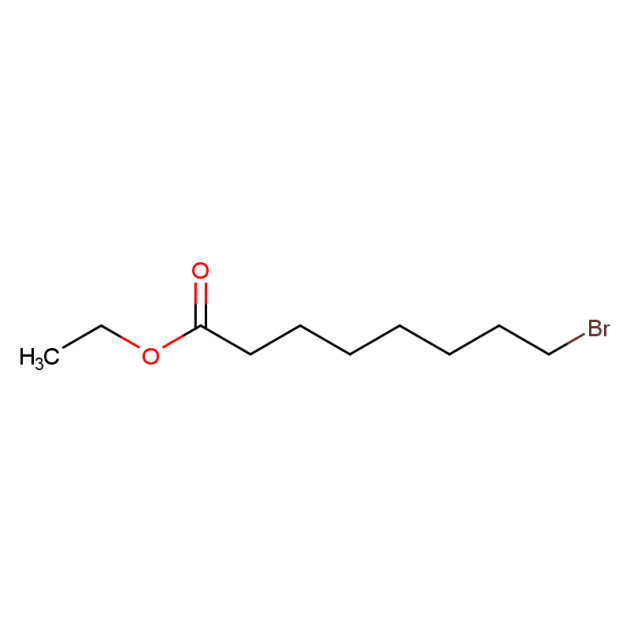

![Methyl (S)-2-(Chloromethyl)-1-(2-oxetanylmethyl)-1H-benzo[d]imidazole-6-carboxylate 2230200-76-5](https://www.cphi-online.com/product/methyl-s-2-chloromethyl-1-2-oxetanylmethyl-1h-benzo-d-imidazole-6-carboxylate/2230200-76-5.png)

![(3R,3aS,6aR)-Hexahydrofuro[2,3-b]furan-3-ol](https://www.cphi-online.com/product/3r-3as-6ar-hexahydrofuro-2-3-b-furan-3-ol-2/p0th_S.jpg)






















![2-chloro-8-cyclopentyl-5-Methylpyrido[2,3-d]pyriMidin-7(8H)-one](https://www.cphi-online.com/product/2-chloro-8-cyclopentyl-5-methylpyrido-2-3-d-pyrimidin-78h-one/p686884th_S.jpg)




























































































Upcoming Events
-
CPHI & PMEC Shenzhen 2026
Shenzhen Convention & Exhibition Center (SZCEC), China
16 Sep 2026 - 18 Sep 2026 -

CPHI Milan 2026
Fiera Milano, Italy
6 Oct 2026 - 8 Oct 2026 -

Pharmapack Asia 2026
Marina Bay Sands | Singapore
3 Nov 2026 - 4 Nov 2026
Pharmaceutical Industry Webinars
-

Webinar Fast and Furious eBR Implementation: How Agentic AI Compresses the Path from Paper to Production
-
October 28, 2026
-
9am GMT/ 4pm SGT
-
-
.png)
Webinar The Continuum of Automation in Mechanical Testing of Combination Products
-
12th November 2026
-
3pm GMT/ 4pm CET
-

%20(1).png)
%20(1).png)
.png)
%20(1).png)
.png)
%20(1).png)



.png)


.png)