
Sweeter treatment for breast and stomach cancers
Tweaking sugar molecules on anti-cancer antibodies improves cell-killing with fewer side effects.
Antibodies engineered to carry anti-cancer drugs are increasingly being used to treat a variety of diseases, including breast cancer, but next-generation treatments could be used at lower doses and have reduced side effects. Using biochemical techniques, researchers at the University of Oxford have shown that destruction of cancer cells can be enhanced by optimising trastuzumab antibodies (Herceptin), used to treat HER2+ breast and stomach cancers, while reducing dose and side effects.
Dr Weston Struwe, who is funded by Oxfordshire charity Against Breast Cancer, is one of the co-authors of the study that was published in the international journal Angewandte Chemie this month.
Looking at the molecular level, Dr Struwe and colleagues used the sugars normally present on trastuzumab antibodies as a scaffold for adding anti-cancer drugs. In doing so they could modulate the amount of drug added and select for those that exhibited enhanced killing of breast cancer cells in the laboratory as well as anti-inflammatory properties, to produce a more potent treatment with reduced side effects.
By producing an antibody mixture that was more than 90% pure, they propose that this new, optimized antibody drug conjugate (ADC) would work just as well at lower doses, or better, than the current antibody treatment available clinically, meaning fewer side effects would be experienced by breast cancer patients.
“We are learning how to manipulate the function and biological impact of antibodies, such as Herceptin, by altering the sugar molecules that decorate them to optimize activity” says Dr Struwe. “We are now exploring how the sugars could be used to attach cell-killing components to optimized antibodies and further improve their cancer-destroying capability.”
Common side effects of trastuzumab treatment include fever, nausea, fatigue, diarrhoea, and sleep issues but it can also cause more serious heart, lung or liver problems. However, trastuzumab remains one of the best treatments for most types of HER2+ cancer.
Related News
-
News GSK announces £400 million investment in new Cambridge R&D centre
Pharmaceutical giant to establish flagship research facility on Cambridge Biomedical Campus as part of strategic pipeline acceleration
-
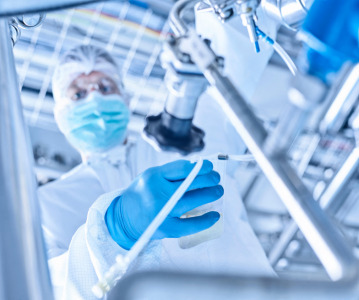
News Understanding the Benefits and Advances of Cleanroom Technology
In an industry where precision and sterility are crucial concerns, cleanrooms play a vital role in maintaining the integrity of pharmaceutical products like drugs, vaccines, and other medical products. So, what is a cleanroom?
-
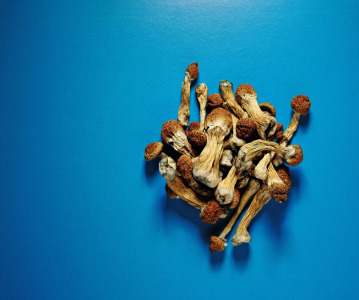
News AbbVie secures GBP£1.2 billion deal for Gilgamesh’s psychedelic programme
AbbVie has penned a significant agreement to acquire the bretisilocin programme from Gilgamesh Pharmaceuticals for up to £1.2 billion, marking a bold step in the pharmaceutical giant's quest to develop treatments for psychiatric disorders. -

News Gates Foundation commits US$2.5 billion to women’s health research
The Bill & Melinda Gates Foundation has announced a substantial US$2.5 billion commitment to accelerate research and development focused exclusively on women's health through 2030.
-
News Mid-year review: notable FDA drug approvals of 2025
As we fly past the halfway point of 2025, the pharmaceutical landscape reliably continues to evolve with innovative therapies addressing critical medical needs. The FDA has already approved 17 groundbreaking medications this year, each representin... -
News US FDA announces new priority vouchers for accelerated review times
The US FDA announced a new priority program for drug developers – the Commissioner’s National Priority Voucher (CNPV) program aims to enhance the health interests of the US by allowing drug developers to redeem a voucher, shortening th... -
News Google-backed start-up raises US$600 million to support AI drug discovery and design
London-based Isomorphic Labs, an AI-driven drug design and development start-up backed by Google’s AI research lab DeepMind, has raised US$600 million in its first external funding round by Thrive Capital. The funding will provide further power t... -
News AstraZeneca to invest US$2.5 billion in Beijing R&D centre
Amid investigations of former AstraZeneca China head Leon Wang in 2024, AstraZeneca have outlined plans to establish its sixth global strategic R&D centre in China. Their aim is to further advance life sciences in China with major research and manufact...