
Tackling Issue of Pharmaceuticals in the Environment from Manufacturing Emissions
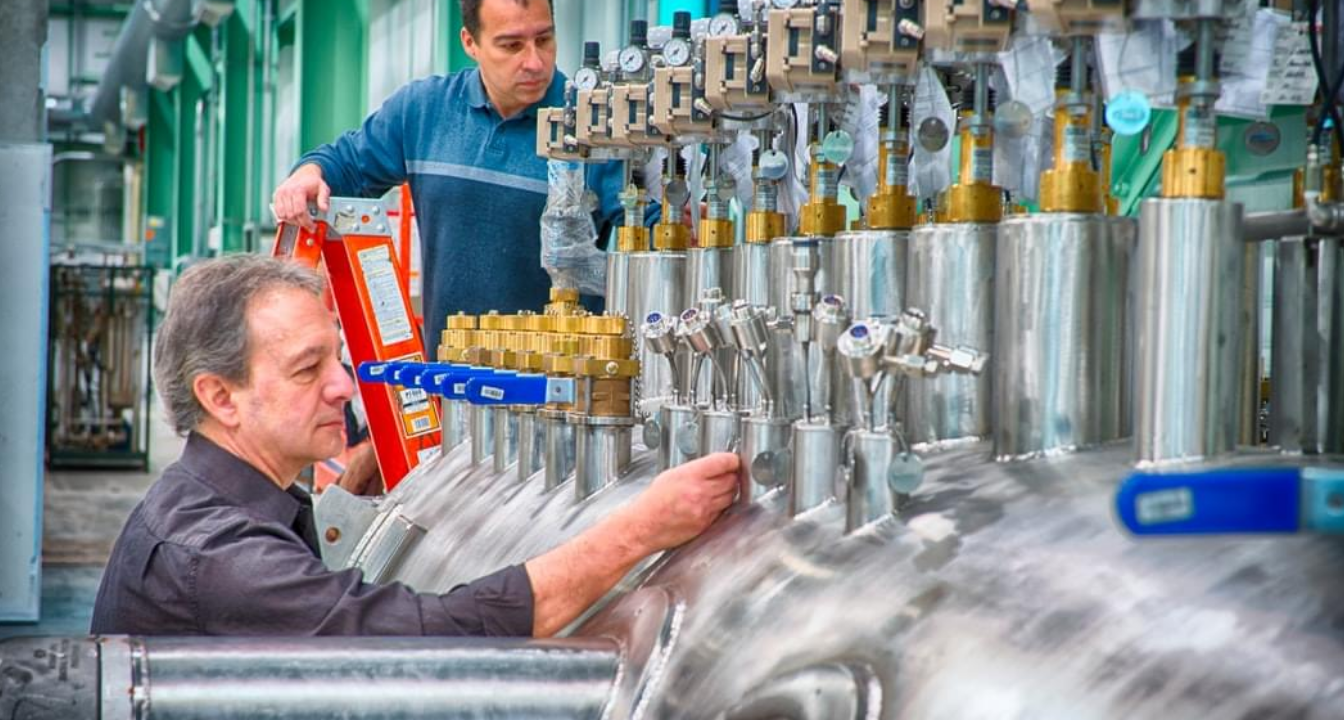
The second in a quarterly series of blog posts about responsible supply chain management from the PSCI Chair, Caroline O'Brien
As pharmaceutical supply chains adapt to the ‘new normal’, it’s vitally important we retain our high standards across social and environmental responsibility. Amongst the issues that have been front of my mind in recent years are Pharmaceuticals in the Environment (PiE) and anti-microbial resistance (AMR), which have the potential to significantly affect our lives in the future if not properly managed and to damage the reputation to our industry which delivers life-changing medicines to patients.
Both human and veterinary medicines bring enormous societal benefits by supporting public health and ensuring a safe food supply. One of the unintended but inevitable results however is that pharmaceutical residues find their way into the environment. A high-profile example of this was diclofenac, an anti-inflammatory drug, linked to the decline of the culture population on the Indian subcontinent. The excessive use of an unlicensed veterinary product containing diclofenac in cattle resulted in vultures being exposed to high levels of diclofenac when they fed on abandoned cattle carcasses. Although recent evidence suggests that diclofenac is unlikely to be a risk to the environment, human, or animal health at the levels typically found in the environment, this scenario highlights how unusual routes of exposure can have severe and unforeseen consequences.
As improvements in analytical capabilities have developed, they now allow extremely low levels of pharmaceutical residues to be detected in drinking water, surface waters (such as rivers and lakes), ground waters, sediments, and soils. And not surprisingly, these results have been the subject of increasing focus by the media, governments, NGOs, and the wider public.
"Reports of active pharmaceutical ingredients (APIs) in surface water downstream from pharmaceutical manufacturing in the European Union, the United States, India, and elsewhere indicate concentrations have in some cases reached unacceptable mg/L levels"
Most pharmaceutical residues in the environment come from patient and veterinary use as they pass through the body and are excreted, and from the inappropriate disposal of unused medicines. However, it remains that unintended release of pharmaceuticals in manufacturing emissions represents a minor, yet potentially important, environmental source that is controllable and could be minimised further. At a local level, manufacturing discharges can cause localised ‘hotspots’ unless they are adequately assessed and controlled.
Reports of active pharmaceutical ingredients (APIs) in surface water downstream from pharmaceutical manufacturing in the European Union, the United States, India, and elsewhere indicate concentrations have in some cases reached unacceptable mg/L levels when wastewater discharges were not adequately controlled. This problem was highlighted in India in 2015-2017 by the Nordic investment group Nordea, which has subsequently campaigned to reduce pollution from wastewater discharges by the pharmaceutical industry. This has contributed in 2019 to India being the first country in the world to move towards introducing legislation to control the environmental emissions of APIs, with draft effluent standards for the pharmaceutical industry now under consideration.
"Elevated concentrations of antibiotics downstream of some manufacturing facilities could potentially contribute to the evolution and selection for resistance in environmental and pathogenic bacteria"
Another important element of PiE is the potential contribution to the spread of AMR. The use, overuse, and misuse of antibiotics in humans and animals is the largest contributing factor to the development of AMR. Also, there is concern that when antibiotic residues in the environment are sufficiently high, they could create a selection pressure that favors the development of resistance. In particular, elevated concentrations of antibiotics downstream of some manufacturing facilities could potentially contribute to the evolution and selection for resistance in environmental and pathogenic bacteria. The pharmaceutical industry takes this issue seriously. Our partner, the AMR Industry Alliance, was set up in 2016 and one of their aims is to reduce the environmental impact of antibiotic emissions from manufacturing across their supply chains.
So how do you go about ensuring that the environmental emissions of your active pharmaceutical ingredients (including antibiotics) are effectively controlled? A good starting point is the Pharmaceutical Supply Chain Initiative (PSCI), the organisation I currently Chair. Our mission is to drive and promote social, health, safety, and environmentally sustainable practices within our members’ supply chains. In the area of PiE and AMR, the PSCI has established a dedicated team of specialists from across our member companies who have developed training materials, tools, and best practice guidance to help members and their suppliers improve the management of their environmental API discharges. We’re proud that these resources are made freely available.
In the area of antibiotics, the AMR Industry Alliance have developed a best practice guide in the form of the Common Antibiotic Manufacturing Framework and have developed science driven antibiotic discharge targets for a wide range of antibiotics. These materials are also free to access via their website.
As the issues of PiE and AMR continue to evolve, so too will the pharmaceutical industry continue to look as to how we can maintain our high standards to ensure that we minimise our supply chain contribution in this important environmental area.
Caroline O’Brien
Global Quality Audit, AsiaPac Director, AstraZeneca and Chair, PSCI
Join Caroline & PSCI at CPHI Festival of Pharma 05-16 October!
Caroline will deliver the keynote "Redefining Supply Chain Resiliency"
Find out more about Pharmaceuticals in the Environment during the session "An introduction to Pharmaceuticals in the Environment (PiE) and Anti-Microbial Resistance (AMR) " in partnership with PSCI

Related News
-
News Swiss pharma industry warns US tariffs could harm global patient care
The Swiss pharmaceutical sector has raised alarms over new US tariffs on medicines, warning of disrupted supply chains, increased costs, and delayed innovation, all of which could jeopardise patient access to essential treatments worldwide.
-

News Women in Pharma: CPHI India – India’s Pharmaceutical Industry and Gender Inclusion Challenges
India’s pharmaceutical industry has emerged as a significant player in the global market, valued at USD 50 billion in FY 2023-2024, according to Frost & Sullivan’s analysis. This sector encompasses a diverse portfolio, including drugs, vacc... -
News Biogen acquires Apellis Pharmaceuticals to boost immunology and rare disease profile
Biogen Inc. has announced its acquisition of Apellis Pharmaceuticals, Inc., a move that is set to significantly enhance its growth portfolio in immunology and rare diseases. The agreement, valued at approximately US$5.6 billion, will see Biogen purchas... -
News Gilead Sciences acquires Ouro Medicines for over US$2 billion
Gilead Sciences confirms a deal to take over Ouro Medicines, adding to a portfolio of therapies for autoimmune diseases.
-
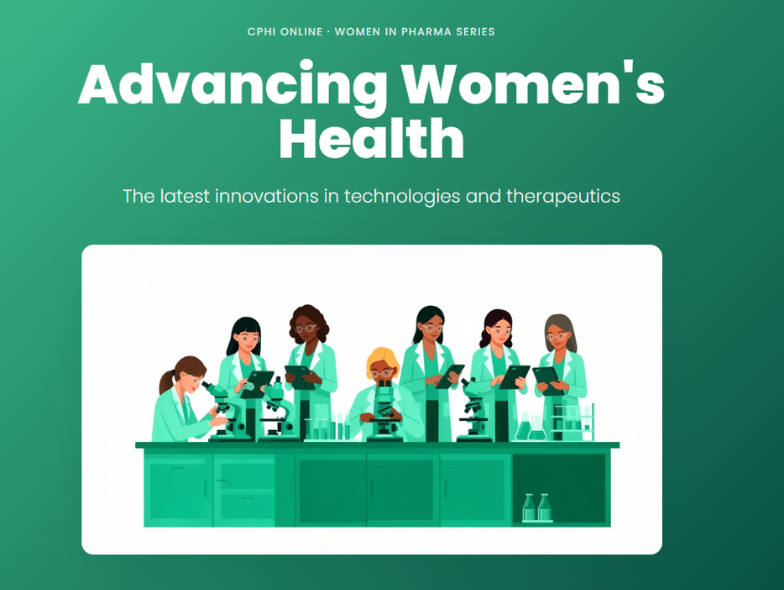
News Women in Pharma: Advancing Women's Health
Discover the latest innovations in technologies and therapeutics that are revolutionising women's health in our latest CPHI Online Women in Pharma infographic.
-

News CPHI Pharma Awards 2026: Recognising Excellence in an Evolving Industry
Submissions now open — deadline May 16
-
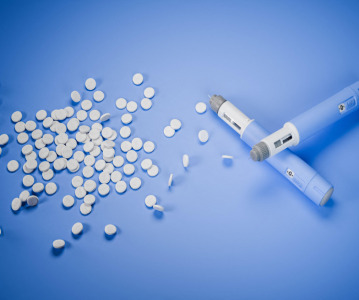
News Dr Reddy's to launch generic semaglutide in India
Dr Reddy’s Laboratories, one of India’s leading pharmaceutical companies, is preparing to launch a generic version of semaglutide, branded as Obeda, in March. Obeda is expected to provide a more affordable alternative to Ozempic a... -
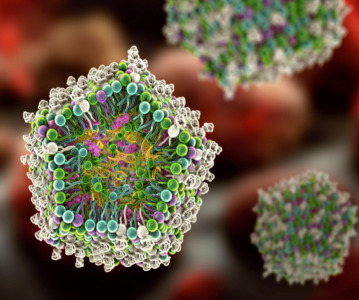
News Frontier Biotech and GSK Forge RNA Therapy Partnership
Frontier Biotechnologies and GSK have entered a global licensing agreement to advance small interfering RNA (siRNA) therapeutics. This collaboration grants GSK exclusive rights to develop and commercialise two promising siRNA candidates, marking a mile...