
Trends in autoinjectors and pre-filled syringes
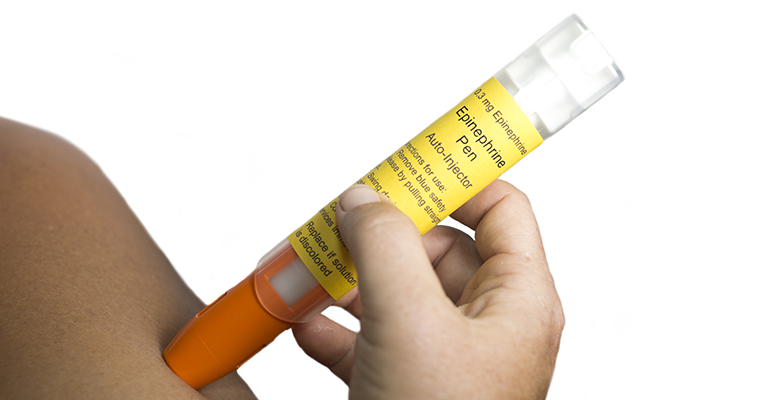
The rise of specialty and biologics has meant that one of the fastest growing segments by value today are Injectables demonstrating a 5-Year CAGR of 10%. This growth of course has implications and creates pressures across various areas such as treatment capacity and supply chain.
Yasemin Karanis, Consultant, European Thought Leadership, IQVIA
Growth of Injectables and Implications
Infusion is still one of the largest segments within Injectables today and has the biggest impact on hospital capacity constraints as they are timely and require preparation and HCPs for administration. In a post-COVID environment, alternative delivery sites and taking the patient out of the hospital setting where possible has become increasingly important and again infusions and certain vials etc. that need preparation are some of the more challenging products to do this with.
Within injectables, Pre-Filled Syringes and Cartridges/Pens are some of the fastest growing segments. (Figure 1) The strong growth of Pre-Filled Syringes and Auto-Injectors as types of injectables may be attributed to the convenience these delivery systems provide in the administration process. In comparison to intravenous infusions, they are quicker to prepare and administer as well as more convenient and comfortable for patients. Fixed dose pre-filled syringes have the potential to alleviate pressures on hospitals that are increasingly struggling with infusion capacity.
Figure 1
Therapy Area Trends for Pre-Filled Syringes and Auto-Injectors
Self-Administration is trending wherever possible and it’s certainly most developed in diabetes where we see the highest share of Auto-Injectors providing significant benefits to patients with easy to use dosing mechanisms and safe handling. (Figure 2)
Oncology which is a disease area where complex biologics and injectables make up a big segment, is slower in comparison on the uptake in Pre-Filled Syringe and Auto Injector delivery mechanisms. Figure 2 shows the Pre-Filled Syringe and Autoinjector segments as a part of overall injectables in these therapy areas. Even though Oncology has the largest injectables segment, a much smaller proportion comes from Pre-Filled Syringes.
However, we are certainly seeing a movement towards PFS in Oncology. Not only as life-cycle management such as Roche’s HER2 franchise or Darzelex this year being approved in its Sub-cutaneous Pre-Filled Syringe formulation but there are also a number of assets being developed as sub-cut injections from the start. There is certainly room for growth for Pre-Filled Syringes in Oncology as their value is increasingly recognized.
Figure 2
Innovation in PFS and AI
Pre-Filled Syringes and Autoinjectors certainly provide value to Hospitals and HCPs through quicker and easier drug administration process but maybe most importantly they provide value to patients. The importance of focusing on the patient is increasingly recognised by companies and other stakeholders, something that is in the heart of Auto-injectors and innovation in this segment.
Biggest promise technologies or products that are patient centric can provide sit within adherence. Connectivity and improving patient experience through easy to use auto-injectors and devices, for example with discreet needle systems and designs, could help reduce this burden non-adherence has on the global healthcare system. Drug delivery device companies with impressive technologies are increasingly collaborating with pharmaceutical and biotech companies to optimize patient experience.
As the sector is evolving, the packaging industry will play a pivotal role in bringing value to the healthcare system and most importantly to patients. And as the industry is shifting towards specialty medicines and injectables, Pre-Filled Syringes and Auto-injectors are at the heart of the pharmaceutical industry going forward.
Related News
-

News Swiss pharma industry warns US tariffs could harm global patient care
The Swiss pharmaceutical sector has raised alarms over new US tariffs on medicines, warning of disrupted supply chains, increased costs, and delayed innovation, all of which could jeopardise patient access to essential treatments worldwide.
-

News Women in Pharma: CPHI India – India’s Pharmaceutical Industry and Gender Inclusion Challenges
India’s pharmaceutical industry has emerged as a significant player in the global market, valued at USD 50 billion in FY 2023-2024, according to Frost & Sullivan’s analysis. This sector encompasses a diverse portfolio, including drugs, vacc... -
News Biogen acquires Apellis Pharmaceuticals to boost immunology and rare disease profile
Biogen Inc. has announced its acquisition of Apellis Pharmaceuticals, Inc., a move that is set to significantly enhance its growth portfolio in immunology and rare diseases. The agreement, valued at approximately US$5.6 billion, will see Biogen purchas... -
News Gilead Sciences acquires Ouro Medicines for over US$2 billion
Gilead Sciences confirms a deal to take over Ouro Medicines, adding to a portfolio of therapies for autoimmune diseases.
-
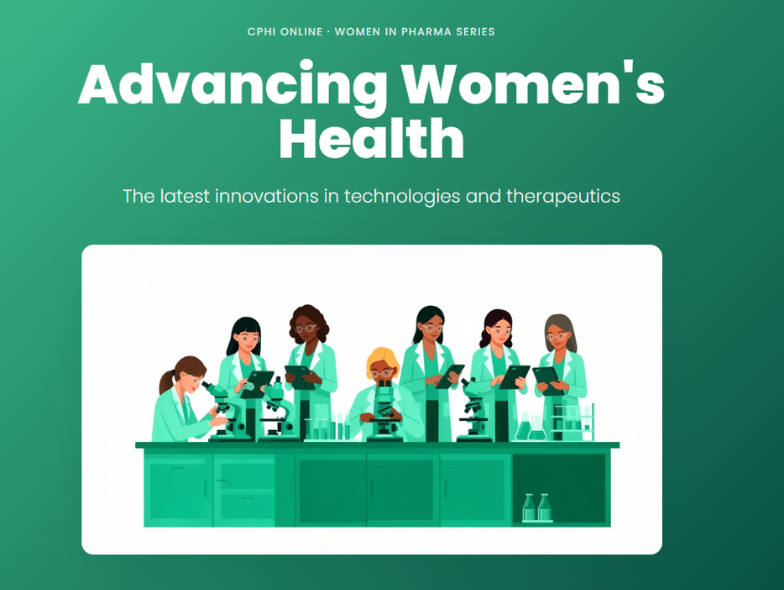
News Women in Pharma: Advancing Women's Health
Discover the latest innovations in technologies and therapeutics that are revolutionising women's health in our latest CPHI Online Women in Pharma infographic.
-

News CPHI Pharma Awards 2026: Recognising Excellence in an Evolving Industry
Submissions now open — deadline May 16
-
News Dr Reddy's to launch generic semaglutide in India
Dr Reddy’s Laboratories, one of India’s leading pharmaceutical companies, is preparing to launch a generic version of semaglutide, branded as Obeda, in March. Obeda is expected to provide a more affordable alternative to Ozempic a... -
News Frontier Biotech and GSK Forge RNA Therapy Partnership
Frontier Biotechnologies and GSK have entered a global licensing agreement to advance small interfering RNA (siRNA) therapeutics. This collaboration grants GSK exclusive rights to develop and commercialise two promising siRNA candidates, marking a mile...