
Trump 2.0: What does the US election result mean for the healthcare industry?

After Trump won the Presidential election in the US in early November, we take a look at some of the implications a new Trump administration could have on the health and pharmaceutical industry, and on US patients.
Over the past few terms there has been a lot of back and forth when it comes to healthcare reform in the US. The Obama administration revolutionised healthcare in the USA, increasing access to medicine for those that are less able to afford it, and setting the stage for further changes that the Biden administration has since implemented.
The republican reign, held by President Trump in between was considered a setback in terms of affordable healthcare, by actively undoing several steps as part of the Affordable Care Act, it left a lot of work to be recovered.
In 2022, the ruling of Roe v Wade was overturned, which led to several states across North America implementing laws to dramatically limit access to abortion medications.
2022 was also the year that President Joe Biden brought into effect the Inflation Reduction Act, part of which focuses on the Centres of Medicare and Medicaid services (CMS) legislation and has led to the ongoing price negotiations with pharma companies who produce some of the most sort after medicines in the US.
All of these acts could be set to go through another radical change now that President Trump has once again been voted into the White House.
Trump vs the IRA
Although it is thought that healthcare legislation will not be as high on Trump’s agenda as it was in his previous term, there may still be knock on effects from any changes made around insurance and CMS polices. A full reversal of the IRA, which Trump had claimed he would enact back in September, is still relatively unlikely, but suggests that it is more than likely that some acts will be reversed, and funding cut, particularly on some of the sustainability-focused initiatives.
The drug price negotiations as part of the Medicare and Medicaid acts led to the first 10 medications seeing reductions in list price after negotiations, in August 2024. The negotiations caused quite a stir, and some of the companies involved – including undisputed pharmaceutical giants Bristol Myers Squibb, AstraZeneca, and Janssen Biotech – strongly opposed the proposed price reductions. Currently, the next drugs and companies, are being determined for the second round of negotiations, which could leave them subject to more change depending on how the Trump administration decides to proceed.
The Biden Administration recently expanded the demarcation of GLP-1 drugs such as Mounjaro, Ozempic, and Wegovy beyond diabetes as obesity treatments under the CMS programmes. This expands the access to the medications to many more Americans. If Trump cuts the CMS programmes, access to medications such as these will be drastically reduced, affecting the quality of life of many people across the US [1].
The potential impact of a new wave of taxes
Another factor that could influence the price of drugs in a Trump-led North America is the promise of a new tariff being placed on all goods being imported from China (10% on top of the already-imposed taxes on the country), Mexico, and Canada (both 25%) [1].
Trump has stated that he will add this further tariff on China until changes have been made in the country to reduce the smuggling of fentanyl, the drug at the heart of the opioid crisis in America, into the country. The Biden administration had been working with Beijing to reduce the production of ingredients used to produce fentanyl, without causing other production issues.
The new taxes that Trump is promising will be a more extreme tactic to reduce production of the synthetic opioid, as well as reducing trade between the two countries, and will undoubtedly cause disruptions in the global supply chain – with China being one of the largest manufacturers and exporters of APIs – as a result.
These moves would mean the increased need for imported ingredients and drugs from other providers to the US, especially in generics. This would have a knock-on effect of increased prices at the consumer level, which could be devastating for patients and something that the IRA was aiming to combat.
As part of Trump’s initiative to create jobs in the US and limit reliance on international trade, reshoring of manufacturing processes will keep increasing. While the US relies on external markets for ingredients the supply chain remains vulnerable, but advancements in technology, such as automation and pharma 4.0, will mean the manufacturing stage will become more secure, reduce time-to-market and costs long-term, and be more environmentally friendly [2].
How the new Health Secretary could affect people’s welfare
The Trump administration’s health programme is starting to take shape as the President-elect builds his Cabinet. Notably, Robert F Kennedy Jr. has been designated as the Secretary of Health and Human Services (HHS), raising many questions as to how several high profile health initiatives will be affected.
Trump posted about the position in a message on the social media platform, Truth Social:
“The Safety and Health of all Americans is the most important role of any Administration, and HHS will play a big role in helping ensure that everybody will be protected from harmful chemicals, pollutants, pesticides, pharmaceutical products, and food additives that have contributed to the overwhelming Health Crisis in this Country.”
Kennedy has been viewed as a controversial character over the past few years in respect to his views on vaccinations and abortion access. Misinformation spread by Kennedy’s organisation, the Children’s Health Defense Fund, led to the encouragement of anti-vaccine groups and subsequently outbreaks of diseases including measles. Campaigns were also noted to target more at risk groups including mothers and Black Americans. This recent history calls into question Kennedy’s suitability for the role as a position of knowledge and power in this field [3].
On abortion law and the use of the abortion pill, mifepristone, Kennedy’s stance has fluctuated [4], when running as an independent candidate for President himself he alluded to his support for the federal restrictions on abortion, but has since sought to clarify his opinion on the matter in a statement posted on the platform X:
“I support the emerging consensus that abortion should be unrestricted up until a certain point. I believe that point should be when the baby is viable outside the womb. Therefore I would allow appropriate restrictions on abortion in the final months of pregnancy, just as Roe v. Wade did.”
The full impact of the appointment of Kennedy as HHS and any changes to health legislation will remain to be seen after January 2025 when Trump is officially inaugurated into the role as acting President of the United States once again.
Hopefully, developments in technology due to reshoring efforts will have a positive impact on pharmaceutical manufacturers in the region. However, the impacts of this election outcome on health on both a global and patient level could be bleak.
Sources:
1. The Guardian. US Politics Live - Trump Administration. www.theguardian.com/us-news/live/2024/nov/26/donald-trump-president-us-trade-tariffs-china-mexico-canada-latest-politics-news [Date Accessed 26/11/2024].
2. FTI Consulting. The Return of Manufacturing: North America’s Reshoring Movement. www.fticonsulting.com/insights/articles/return-manufacturing-north-americas-reshoring-movement. [Date Accessed 26/11/2024].
3. 19th News. Where Trump HHS pick RFK Jr. stands on vaccines, abortion and LGBTQ+ issues. https://19thnews.org/2024/11/robert-f-kennedy-hhs-vaccines-abortions-lgbtq/
4. The New York Times. Where Robert F Kennedy Jr. stands on the issues. www.nytimes.com/article/rfk-jr-issues-abortion-immigration.html [26/11/2024]
Related News
-
News Swiss pharma industry warns US tariffs could harm global patient care
The Swiss pharmaceutical sector has raised alarms over new US tariffs on medicines, warning of disrupted supply chains, increased costs, and delayed innovation, all of which could jeopardise patient access to essential treatments worldwide.
-

News Women in Pharma: CPHI India – India’s Pharmaceutical Industry and Gender Inclusion Challenges
India’s pharmaceutical industry has emerged as a significant player in the global market, valued at USD 50 billion in FY 2023-2024, according to Frost & Sullivan’s analysis. This sector encompasses a diverse portfolio, including drugs, vacc... -
News Biogen acquires Apellis Pharmaceuticals to boost immunology and rare disease profile
Biogen Inc. has announced its acquisition of Apellis Pharmaceuticals, Inc., a move that is set to significantly enhance its growth portfolio in immunology and rare diseases. The agreement, valued at approximately US$5.6 billion, will see Biogen purchas... -

News Gilead Sciences acquires Ouro Medicines for over US$2 billion
Gilead Sciences confirms a deal to take over Ouro Medicines, adding to a portfolio of therapies for autoimmune diseases.
-
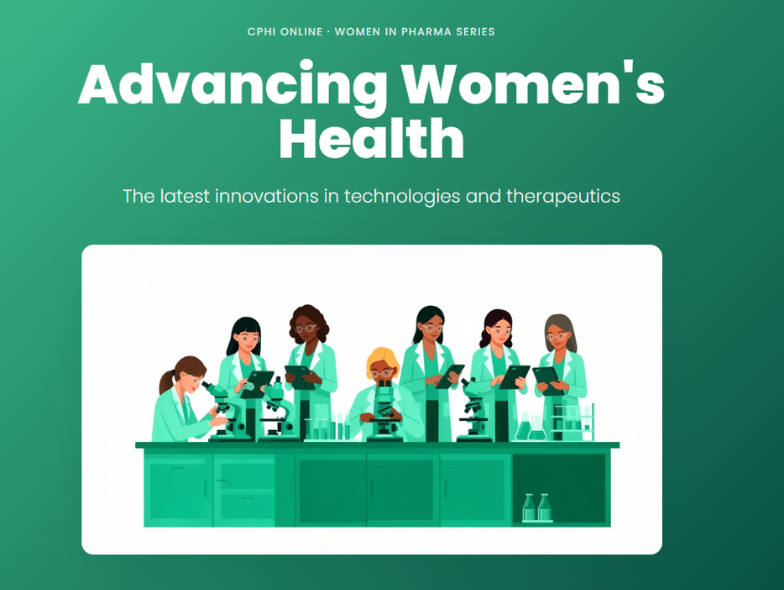
News Women in Pharma: Advancing Women's Health
Discover the latest innovations in technologies and therapeutics that are revolutionising women's health in our latest CPHI Online Women in Pharma infographic.
-

News CPHI Pharma Awards 2026: Recognising Excellence in an Evolving Industry
Submissions now open — deadline May 16
-
News Dr Reddy's to launch generic semaglutide in India
Dr Reddy’s Laboratories, one of India’s leading pharmaceutical companies, is preparing to launch a generic version of semaglutide, branded as Obeda, in March. Obeda is expected to provide a more affordable alternative to Ozempic a... -
News Frontier Biotech and GSK Forge RNA Therapy Partnership
Frontier Biotechnologies and GSK have entered a global licensing agreement to advance small interfering RNA (siRNA) therapeutics. This collaboration grants GSK exclusive rights to develop and commercialise two promising siRNA candidates, marking a mile...