
Women in Pharma: Connecting accessible pharma packaging to patients – a Pharmapack Special
.png)
Throughout our Women in Pharma series, we aim to highlight how CPHI events encourage discussions around diversity, equity, and inclusion initiatives in the pharmaceutical industry.
At Pharmapack 2025, held January 22-23, 2025 in Paris, France, we hosted a panel discussion on how pharmaceutical companies can integrate these values into practical actions surrounding packaging. Moderated by Elvire Regnier, Founder and President of Regenerative – Advisory, and featuring speakers Estelle Peyard, TechLab at APF France Handicap, Fatima Bennai-Sanfourche, Senior Director of QA & RA Compliance for Medical Devices and eHealth at Bayer AG, and Julian Dixon, Human Factors at Clarimed, the panel discussed how the pharmaceutical packaging industry plays a critical role in ensuring that patients of all abilities can access and use medications safely and effectively.
You can watch the full panel for free by registering here.
The panel kicked off with an introduction to the importance of considering accessible packaging, and how the industry must address the “innovation gaps” in healthcare. Peyard began by stating “When I interview others in the industry, I tell them that 40% of their clients may have disabilities, which represent a significant part of their potential clients. In the pharmaceutical industry, this percentage could even reach 100% even if they are temporary disabilities. A quick search on Google will show that pill packs for Parkinson's patients require the exact same dexterity as other types of packaging. Many patients need a nurse to come and help them take their medication. This isn’t just about patients with disability – sometimes the usability of medicines packaging is simply not adapted to the therapeutic applications.”
The history of patient advocacy in the pharmaceutical industry is nothing new, as Dixon pointed out when asked about what led to the rise of human factors in pharma by Regnier. “Human factors in the pharmaceutical industry started as advocacy groups from the early 1990s,” he answered. “All of that is really behind the FDA regulations for safety and medicine, and FDA regulation is what has driven human factor implementation in this place. By being part of the regulatory framework, you have this Faustian deal with the regulators – it's a good thing they are asking for all of these requirements, but it also makes processes quite restrictive... human factors has, in some ways, become imbalanced. It’s become a dominant thing in the regulatory framework, sometimes to a somewhat over-the-top degree. What we’re looking for here is balance, to make a better standard and more accessible platform, which would be wonderful. But this hasn’t happened yet. There are reasons why it hasn’t happened and there are reason why even now it is very hard for a standard to replace our current pre-filled syringe platforms.”
Building on an earlier presentation given by Regnier on working with suppliers to develop existing supply chains, Dixon called for efforts to be made around making existing packaging more accessible, a call that was echoed by the other panellists. “A pharmaceutical company is heavily involved in their supply chain systems,” Bennai-Sanfourche added. “With new drugs, what we have from the beginning are complex ecosystems because we need refill syringes for doses, digital tools for connectivity, cell and gene therapy tools – which require completely separate systems and supply chains – that need a lot of additional considerations. This complexity makes this difficult for all involved. It requires more testing and making sure that the end-user is able to use the drug that is sent to them... we also now have the ‘patient at home’ that is a lay-user that needs to operate many different parts of the medication, which was not the case before. This requires both the training and awareness on the patient’s end but also educating the healthcare provider that prescribes the medication, who may not be aware of the difficulties experienced by the patient population. How we make it more inclusive is the creation of these combined delivery systems of the drug and the device, and to have additional activities in our design process to ensure the performance of the delivery system, risk assessment, and how to make sure that the user can actually use it – this is the usability factor.”
Connecting patient, product, and industry
Connectivity was a key buzzword throughout the panel. Regnier drew on her experience in the fast-moving consumer goods (FMCG) and cosmetics sectors, commenting that suppliers are integral to approaching accessible packaging. However, such is not the case with pharma, she stated. In response, Bennai-Sanfourche explained that “For [pharma] there are rules and regulations we must follow. Packaging is not just to make a product look fancy – it is to protect the stability of the product in its lifecycle as well as to make sure the packaging is useful for users in their daily life... Because we are using medical devices and drug products together now, devices are a regulated product. That means we need to test it as well – it doesn’t make sense to have a delivery system that nobody can use.”
Peyard added that “We might have the most constraints compared to other industries, but we also have a great responsibility because some of the most vulnerable people will be using our products. Patients with problems with dexterity, or understanding labels, or concentration issues – these are all factors that can also be a source of creativity; it can really make for great innovation.”
Bennai-Sanfourche agreed. “All these constraints lead us to connectivity – connectivity of the device and drug to the patient when using their medication. Connectivity can really help a patient adhere to their prescription and help healthcare providers monitor the course of treatment. Sometimes, connectivity even means questioning the burden placed on the patient themselves. If the patient is unable to use new systems and not adhering to it, you must address this in your device design too.”
Connectivity wasn’t just used in relation to accessible drug delivery and devices – Peyard asked the panel to reflect on drug affordance, a concept she described as intuitive usage. “We describe it as the quality of a product that guides users on how to correctly use it – it is obvious and intuitive.” Bennai-Sanfourche stated that the complexity of some drug products often hinders the affordance of a delivery device. Dixon agreed, but gave some examples where such information could be intuitive. “If you look at the history of diabetes devices, it is amazing how the right affordances have won out. Pretty much all mainstream dialer dose pens have the same kind of interface. Similarly, the auto-injector has emerged with its own standard interface through this process of evolution. There’s only one thing to do with a two-step auto-injector, and that’s to pull the cap off and stab to deliver the medication.”
The challenge for Dixon, he stated, was how to bring about an ecosystem of change for complex platforms. Peyard responded that some innovations in fact came from patients themselves who struggled to use the devices for their medications, after which the industry adopted the platforms as standard. “That’s really the interesting part because that brings us to the important part of this discussion – you can innovate, but you must do it with the patients and the users.”
Related News
-

News Swiss pharma industry warns US tariffs could harm global patient care
The Swiss pharmaceutical sector has raised alarms over new US tariffs on medicines, warning of disrupted supply chains, increased costs, and delayed innovation, all of which could jeopardise patient access to essential treatments worldwide.
-

News Women in Pharma: CPHI India – India’s Pharmaceutical Industry and Gender Inclusion Challenges
India’s pharmaceutical industry has emerged as a significant player in the global market, valued at USD 50 billion in FY 2023-2024, according to Frost & Sullivan’s analysis. This sector encompasses a diverse portfolio, including drugs, vacc... -
News Biogen acquires Apellis Pharmaceuticals to boost immunology and rare disease profile
Biogen Inc. has announced its acquisition of Apellis Pharmaceuticals, Inc., a move that is set to significantly enhance its growth portfolio in immunology and rare diseases. The agreement, valued at approximately US$5.6 billion, will see Biogen purchas... -

News Gilead Sciences acquires Ouro Medicines for over US$2 billion
Gilead Sciences confirms a deal to take over Ouro Medicines, adding to a portfolio of therapies for autoimmune diseases.
-
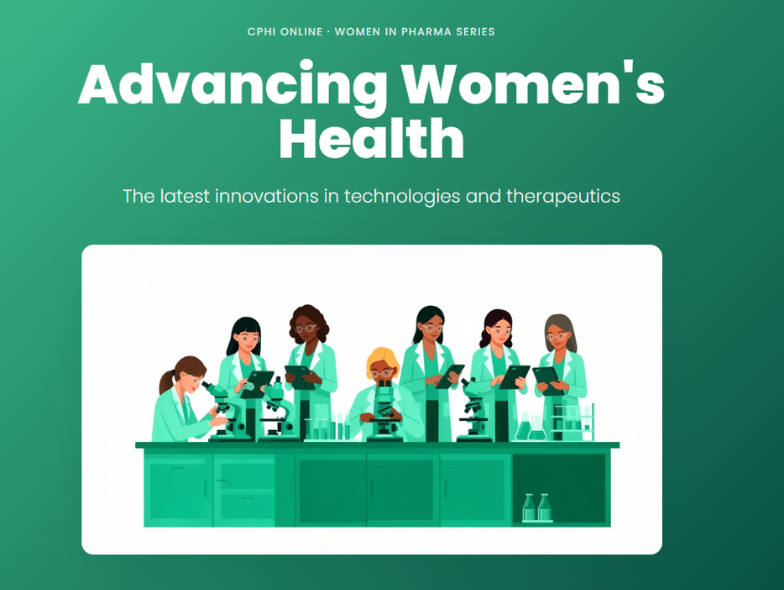
News Women in Pharma: Advancing Women's Health
Discover the latest innovations in technologies and therapeutics that are revolutionising women's health in our latest CPHI Online Women in Pharma infographic.
-

News CPHI Pharma Awards 2026: Recognising Excellence in an Evolving Industry
Submissions now open — deadline May 16
-
News Dr Reddy's to launch generic semaglutide in India
Dr Reddy’s Laboratories, one of India’s leading pharmaceutical companies, is preparing to launch a generic version of semaglutide, branded as Obeda, in March. Obeda is expected to provide a more affordable alternative to Ozempic a... -

News Frontier Biotech and GSK Forge RNA Therapy Partnership
Frontier Biotechnologies and GSK have entered a global licensing agreement to advance small interfering RNA (siRNA) therapeutics. This collaboration grants GSK exclusive rights to develop and commercialise two promising siRNA candidates, marking a mile...