
Women in Pharma: Upskilling both talent and businesses
.png)
Our monthly Women in Pharma series highlights the influential lives and work of impactful women working across the pharmaceutical industry, and how the industry can work towards making the healthcare industry and workplace more equitable and inclusive.
This month, we got in touch with Marianne Gissane, Director at Vector Talent, which offers talent solutions for the pharmaceutical outsourcing industry. With the current talent pool struggling to keep pace with industry innovations and subsequent skills needed, Gissane discusses her work with Vector in both building high-performing teams as well as coaching pharmaceutical businesses on diverse and equitable hiring practices.
1. Please could you give an overview of yourself and your role at Vector Talent?
I have a dual role, operationally running our back-office operations and as a legal Director with everything that comes with that here at Vector Talent. Day to day, I oversee the delivery of talent solutions for our clients in the pharmaceutical services sector. My role sits at the intersection of strategy and people, working closely with our team to understand our customers’ evolving business needs and align our recruitment processes to deliver the right talent, often in highly specialised areas. A big part of my focus is on enabling our team to operate with excellence, agility, and empathy, because we know the stakes are high in the pharma outsourcing industry. I’ve been in the talent industry for over 12 years, working in everything from early careers in universities to in-house talent operations and enablement at one of the largest CDMOs globally.
2. Vector Talent helps coach businesses to hire with a DEI approach – how does Vector Talent implement these practices into their own hiring procedures?
At Vector, we know that diversity, equity, and inclusion aren’t just initiatives; they’re the foundation of high-performing teams. We’ve built DEI into every stage of our own hiring process, from crafting inclusive job ads to training our team on spotting and tackling bias. A key part of this is how we review and present shortlists, we make it a priority to ensure they reflect a diverse range of perspectives and backgrounds. And we’re not afraid to challenge our clients when needed. If we see an opportunity to broaden their thinking or make their process more inclusive, we’ll lean into coaching hiring managers. Ultimately, we want to set the standard by living these principles ourselves, so we can authentically guide and support our clients to do the same.
3. You host a podcast called Elevate, in which you interview women throughout the pharmaceutical supply chain. What unique challenges of the workplace have you uncovered when talking with women in the pharmaceutical space?
Hosting Elevate affirmed for me the layered realities women face in pharma.
A recurring theme is the tension between authenticity and outdated expectations, especially at the executive level. Many are navigating leadership norms that weren’t built with them in mind, while still trying to lead in a way that’s true to who they are.
Another challenge is global leadership. These women are building inclusive teams across cultures, often under intense delivery pressure. They’re expected to hit targets and create space for diverse voices, which is a balance that’s far more complex than it appears.
Moreover, the pipeline remains thin in technical and operational roles. But what encourages me is how many women are actively reshaping the system through mentorship, sponsorship, and cultural change. Everyone I’ve spoken to has noted the impact that these connections have made on their own career journeys and how they continue to pass this on to others as they progress in their career. The leaders I’ve spoken with have made it clear that they’re not just advancing, they’re quietly redefining what leadership in pharma looks like.
4. With the pharmaceutical industry struggling with skills mismatches and a talent crisis, what steps can companies take to ensure the industry’s future?
The pace of scientific and technological innovation in pharma is breathtaking. But if we’re honest, talent strategy hasn’t kept up. In some cases, it’s even been left behind.
Over the past decade, we’ve built smarter platforms, faster pipelines, and connected global networks. Yet we’ve rarely applied the same forward-thinking integration to how we find, grow, and keep great people.
At Vector, we call this gap the reason for a new model: the Integrated Innovation Partner (IIP). It’s a way of working that depends on fluid cross-functional teams, shared outcomes, and true partnership fluency. In this model, talent isn’t just a resource – it’s infrastructure. And if that infrastructure cracks, nothing flows.
So the question isn’t simply “How do we fill today’s gaps?” but rather “How do we build a system that’s ready for what the next wave of science will demand?”
That starts with reimagining workforce development as a living system rather than a one-off training. AI and automation are already reshaping roles across R&D, clinical, and manufacturing. Companies need to invest in continuous capability-building, not just for technical teams, but for the leaders navigating ambiguity, integration, and accelerated timelines.
We also need to start thinking in ecosystems. No single organisation can solve the talent challenge alone. That means building deeper partnerships with universities, regional skills hubs, and even local governments, to co-design pipelines in areas like cell & gene therapy, regulatory sciences, and digital ops. I’ve seen this work but only when companies show up early, stay involved, and are willing to share the risk.
Globally we have to leave behind static, one-size-fits-all playbooks. The IIP mindset asks us to tune into regional nuance because what inspires top talent in Basel may be very different from Singapore, Raleigh-Durham, or the UAE. The companies that thrive will adapt their employer value proposition the same way they localise their product strategy: intentionally and respectfully.
But maybe the most important shift is how we think about retention. From what I’ve seen, people don’t stay just for a salary or a title. They stay for clarity, purpose, and growth. They stay when their work feels meaningful, their voice is heard, and they can see themselves as part of something bigger than the next quarterly report.
The companies that win this decade won’t just hire well. They’ll earn trust. And they’ll do it by treating workforce strategy not as an HR function but as a core lever of innovation.
5. How has the pharmaceutical talent acquisition and retention space progressed since the start of your career? Where do you see it heading in the future?
When I started, talent acquisition was often transactional, focused on filling vacancies quickly. Today, there’s a much greater reliance on data to shape the leadership teams' next moves, emphasis on strategic workforce planning, and building cultures that attract and retain top talent. Companies are more attuned to candidate experience and employee well-being, as feedback no longer comes from employee surveys; now social media plays a huge role. Looking ahead, I see the continued rise of skills-based hiring, where potential and capability are weighted as highly as traditional credentials. Technology and AI will continue to play a role, lifting the skills required to manage AI and also increasing the productivity of employees. The final area of evolution is the human connection, in the form of empathy, trust, and relationship-building. This was originally done in offices, but with the COVID-19 pandemic we migrated to virtual environments; now, those remote roles are migrating back to in-person. This has fundamentally shifted the way we handle recruitment several times, adopting and embracing the direction organisations adopt.
6. If you could give one piece of advice to Future Women Leaders of Pharma, what would you say?
Believe in your seat at the table and take it. Research has shown that women typically wait to feel 100% ready before applying for new jobs, stepping into bigger roles or putting themselves forward, but growth happens in the stretch. Seek out mentors and sponsors who will challenge and champion you, and do the same for others as you progress. The pharma industry needs diverse voices at every level to meet the challenges ahead. Your perspective is not only valid – it’s vital.
Have a story to share about diversity, equity, and inclusion in pharma? Contact [email protected] to learn how you can contribute to our Women in Pharma series.
Related News
-

News Swiss pharma industry warns US tariffs could harm global patient care
The Swiss pharmaceutical sector has raised alarms over new US tariffs on medicines, warning of disrupted supply chains, increased costs, and delayed innovation, all of which could jeopardise patient access to essential treatments worldwide.
-

News Women in Pharma: CPHI India – India’s Pharmaceutical Industry and Gender Inclusion Challenges
India’s pharmaceutical industry has emerged as a significant player in the global market, valued at USD 50 billion in FY 2023-2024, according to Frost & Sullivan’s analysis. This sector encompasses a diverse portfolio, including drugs, vacc... -
News Biogen acquires Apellis Pharmaceuticals to boost immunology and rare disease profile
Biogen Inc. has announced its acquisition of Apellis Pharmaceuticals, Inc., a move that is set to significantly enhance its growth portfolio in immunology and rare diseases. The agreement, valued at approximately US$5.6 billion, will see Biogen purchas... -

News Gilead Sciences acquires Ouro Medicines for over US$2 billion
Gilead Sciences confirms a deal to take over Ouro Medicines, adding to a portfolio of therapies for autoimmune diseases.
-
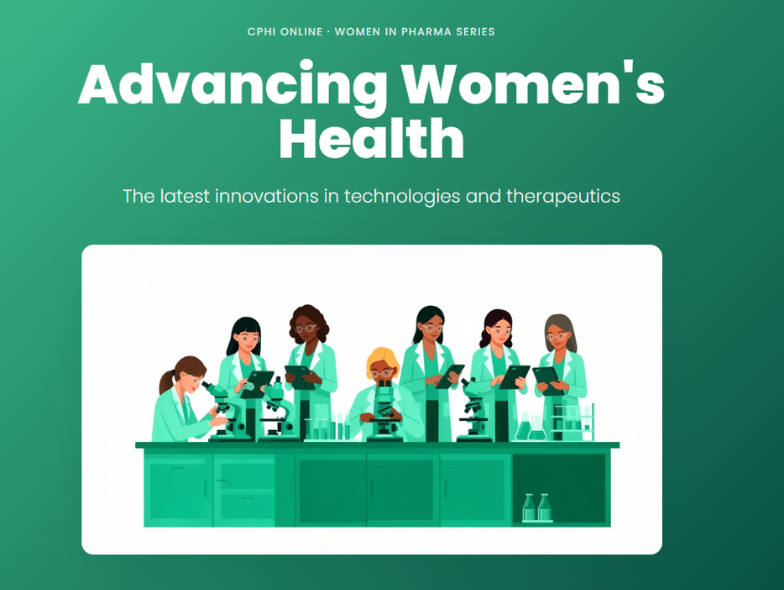
News Women in Pharma: Advancing Women's Health
Discover the latest innovations in technologies and therapeutics that are revolutionising women's health in our latest CPHI Online Women in Pharma infographic.
-
News CPHI Pharma Awards 2026: Recognising Excellence in an Evolving Industry
Submissions now open — deadline May 16
-

News Dr Reddy's to launch generic semaglutide in India
Dr Reddy’s Laboratories, one of India’s leading pharmaceutical companies, is preparing to launch a generic version of semaglutide, branded as Obeda, in March. Obeda is expected to provide a more affordable alternative to Ozempic a... -

News Frontier Biotech and GSK Forge RNA Therapy Partnership
Frontier Biotechnologies and GSK have entered a global licensing agreement to advance small interfering RNA (siRNA) therapeutics. This collaboration grants GSK exclusive rights to develop and commercialise two promising siRNA candidates, marking a mile...