
2024 Drug Approvals: a lexicon of notable drugs and clinical trials

50 drugs received FDA approval in 2024. The centre for biologics evaluation and research also identified six new Orphan drug approvals as under Biologics License Applications (BLAs). The following list picks out key approvals from the list, and highlights trials to watch in 2025.
34 drugs were small molecule drugs, and 16 were biologics, showing a trend of increasing focus on biologics.
Half way through 2024 we highlighted some of the approvals that had already been made, which can be seen here, including some high profile drugs. This article goes through other and more recent notable approvals from the past year.
COBENFY
(xanomeline-trospium) is a novel oral medication approved by the FDA in September 2024 for the treatment of schizophrenia in adults. Developed originally by Karuna Therapeutics and now manufactured by Bristol Myers Squibb, it combines a muscarinic agonist (xanomeline) with a muscarinic antagonist (trospium chloride), representing the first new mechanism of action for schizophrenia treatment in decades. Clinical trials demonstrated significant efficacy in relieving schizophrenia symptoms, as measured by PANSS scores, without some of the common side effects associated with traditional antipsychotics like excessive weight gain or movement issues. COBENFY is administered orally twice daily and offers a potentially improved treatment option for patients with schizophrenia.
KISUNLA
(donanemab-azbt) is a groundbreaking treatment for early-stage Alzheimer's disease, developed by Eli Lilly and Company and approved by the FDA in July 2024. Administered via injection, it's an amyloid beta-directed antibody that targets and removes brain amyloid plaques. Clinical trials showed that KISUNLA slowed cognitive decline by 22% compared to a placebo over 18 months. As only the second drug proven to slow Alzheimer's progression, KISUNLA represents a significant advancement in treatment options for patients with mild cognitive impairment or early-stage Alzheimer's disease.
OHTUVAYRE
(ensifentrine) is a novel inhalation suspension approved by the US Food and Drug Administration (FDA) on 26 June 2024 for the maintenance treatment of chronic obstructive pulmonary disease (COPD) in adult patients. Developed by Verona Pharma plc, it is the first selective dual inhibitor of the enzymes phosphodiesterase 3 (PDE3) and phosphodiesterase 4 (PDE4). OHTUVAYRE represents a new class of treatment for COPD, offering a unique mechanism of action. The drug was launched in the third quarter of 2024, providing a new option for COPD patients in need of maintenance therapy.
LAZCLUZE
(lazertinib) is a kinase inhibitor approved by the FDA on 20 August 2024 for the treatment of non-small cell lung cancer (NSCLC). Developed by Johnson & Johnson Innovative Medicine, it is used in combination with amivantamab-vmjw (Rybrevant) as a first-line treatment for locally advanced or metastatic NSCLC with specific EGFR mutations. The approval was based on positive results from the MARIPOSA clinical trial, offering a new targeted therapy option for patients with this type of lung cancer.
UNLOXCYT
(cosibelimab-ipdl) is a groundbreaking treatment for advanced cutaneous squamous cell carcinoma (CSCC), approved by the FDA on 13 December 2024. Developed by Checkpoint Therapeutics, Inc., it is the first and only FDA-approved anti-PD-L1 treatment for this condition. UNLOXCYT is indicated for adults with metastatic CSCC or locally advanced CSCC who are not candidates for curative surgery or radiation. This approval marks a significant advancement in the treatment options available for patients with advanced CSCC.
ENSACOVE
(ensartinib) is a kinase inhibitor developed by Xcovery Holdings, Inc., and approved by the FDA on December 18, 2024, for the treatment of ALK-positive locally advanced or metastatic non-small cell lung cancer (NSCLC) in adult patients who have not previously received an ALK-inhibitor. It is administered orally in capsule form. The efficacy of Ensacove was established in the eXALT3 clinical trial, an open-label, randomised, active-controlled study comparing Ensacove to crizotinib in patients with ALK-positive NSCLC. Additionally, a Phase II study demonstrated encouraging anti-tumour activity and a manageable safety profile in patients with NSCLC harbouring MET exon 14 skipping mutations, indicating potential broader applications for the drug.
MIPLYFFA
(generic name arimoclomol) is a groundbreaking medication approved by the FDA on September 20, 2024, for the treatment of Niemann-Pick disease, type C (NPC). Developed by Zevra Therapeutics, Inc., Miplyffa is the first FDA-approved treatment specifically for NPC. It is indicated for use in combination with miglustat to treat neurological manifestations of NPC in adult and paediatric patients 2 years of age and older. Miplyffa is administered orally in capsule form and functions as a heat shock protein amplifier. The approval of Miplyffa represents a milestone in the treatment of this rare genetic disorder, offering new hope for patients and families affected by NPC.
AQNEURSA
(generic name levacetylleucine) is a groundbreaking medication approved by the FDA on September 24, 2024, for the treatment of neurological symptoms associated with Niemann-Pick disease, type C (NPC). Developed by IntraBio Inc., Aqneursa is indicated for use in adults and pediatric patients weighing at least 15 kilograms. This approval marks a significant milestone as it is the second FDA-approved treatment specifically for NPC, offering new hope for patients and families affected by this rare genetic disorder. Aqneursa's approval, along with Miplyffa (arimoclomol), represents a major advancement in addressing the unmet medical needs of NPC patients, providing targeted therapies for the neurological manifestations of the disease.
For 2025, there are many new opportunities on the horizon in novel drug development, it is an area that hasn’t thus far showed signs of slowing down in the face of certain challenges surrounding regulations and geopolitical changes. Questions remain about how the healthcare industry will adapt to changes such as the appointment of Robert F. Kennedy Jr. to the Department of Health and Human Services in the US Government and new sanctions on international trade from the US.
Some of the biggest players in the field are continuing to invest in critical ventures surrounding oncology, neurological disorders, diabetes, and rare diseases as a priority. Some aspects of the industry are still facing some challenges in establishing themselves, such as biotech companies aiming to develop in new markets.
The bigger players however are increasingly open to innovation and looking at capitalising and pushing improvements in areas where we are seeing a lot of growth at the minute.
With this in mind there are several clinical trials that would be worthwhile to keep an eye on going into 2025 and beyond.
Incretins are still a hot topic and being tested for different indications, Eli Lilly, Novartis, and Novo Nordisk are all working on therapeutics that could come under assessment in 2025. Other therapies including for sickle cell disease, immune and inflammatory drugs are on the horizon from Vera Therapeutics and Beam Therapeutics. Psychedelics are increasingly coming up in clinical trials, thus far there are still several hurdles to overcome in the journey for approval, as a recent trial from Compass Therapeutics proved in their rejection from the FDA, but they are looking to continue the trial and seek approval in the next year or so.
For the next couple of years (or four) it will be interesting to see how the drug development and clinical trial field will evolve as the geopolitical climate continues to shift unpredictably.
Related News
-

News Swiss pharma industry warns US tariffs could harm global patient care
The Swiss pharmaceutical sector has raised alarms over new US tariffs on medicines, warning of disrupted supply chains, increased costs, and delayed innovation, all of which could jeopardise patient access to essential treatments worldwide.
-

News Women in Pharma: CPHI India – India’s Pharmaceutical Industry and Gender Inclusion Challenges
India’s pharmaceutical industry has emerged as a significant player in the global market, valued at USD 50 billion in FY 2023-2024, according to Frost & Sullivan’s analysis. This sector encompasses a diverse portfolio, including drugs, vacc... -
News Biogen acquires Apellis Pharmaceuticals to boost immunology and rare disease profile
Biogen Inc. has announced its acquisition of Apellis Pharmaceuticals, Inc., a move that is set to significantly enhance its growth portfolio in immunology and rare diseases. The agreement, valued at approximately US$5.6 billion, will see Biogen purchas... -

News Gilead Sciences acquires Ouro Medicines for over US$2 billion
Gilead Sciences confirms a deal to take over Ouro Medicines, adding to a portfolio of therapies for autoimmune diseases.
-
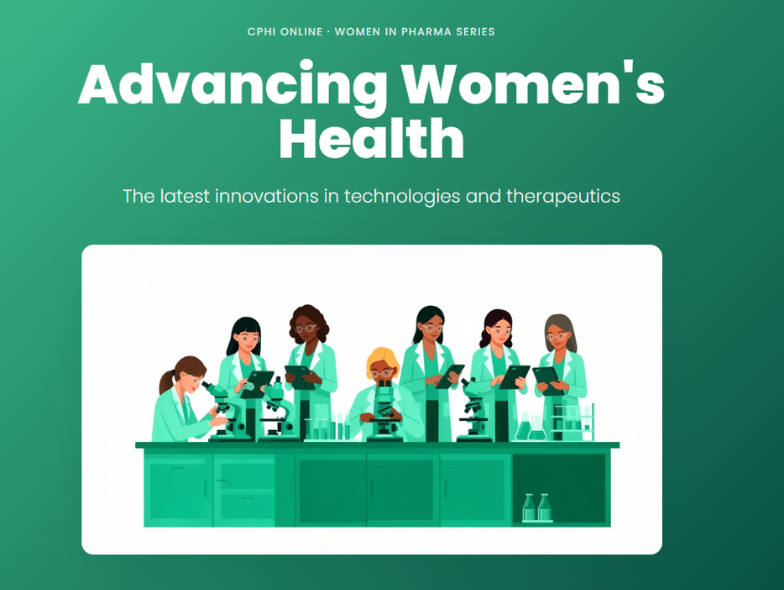
News Women in Pharma: Advancing Women's Health
Discover the latest innovations in technologies and therapeutics that are revolutionising women's health in our latest CPHI Online Women in Pharma infographic.
-

News CPHI Pharma Awards 2026: Recognising Excellence in an Evolving Industry
Submissions now open — deadline May 16
-
News Dr Reddy's to launch generic semaglutide in India
Dr Reddy’s Laboratories, one of India’s leading pharmaceutical companies, is preparing to launch a generic version of semaglutide, branded as Obeda, in March. Obeda is expected to provide a more affordable alternative to Ozempic a... -
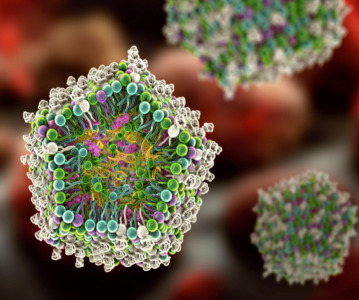
News Frontier Biotech and GSK Forge RNA Therapy Partnership
Frontier Biotechnologies and GSK have entered a global licensing agreement to advance small interfering RNA (siRNA) therapeutics. This collaboration grants GSK exclusive rights to develop and commercialise two promising siRNA candidates, marking a mile...