Article: From Prefilled Syringes to On-body Devices
From Prefilled Syringes to On-body Devices How Optimized Biologics Formulations Improve Patient Adherence
This new article from Coriolis Pharma highlights the growing need for high-concentration biologic formulations suited for self-administration. It outlines Coriolis’ expertise in overcoming formulation and packaging challenges to deliver stable, user-friendly therapies ready for clinical and commercial success.
As biologics increasingly shift toward self-administration, the demand for high-concentration formulations compatible with prefilled syringes and on-body devices continues to rise. These delivery formats improve patient adherence but pose unique developability and manufacturability challenges. With deep expertise in high-concentration formulation development, drug–container compatibility, and collaborative drug product development involving multiple stakeholders, Coriolis Pharma helps drug developers transform complex biologics into stable, patient-friendly therapies that are ready for real-world use.
Why Self-Administration Matters: Improving Experience and AdherenceThe vast majority of biologic drugs must be delivered by injection. Traditionally, this has meant intravenous administration in clinical settings, typically under the supervision of a healthcare provider. Many biologics also require frequent dosing, making regular trips to hospitals or infusion centers time-consuming, disruptive, and, for many patients, unsustainable. This burden is one of the most common causes of treatment discontinuation.
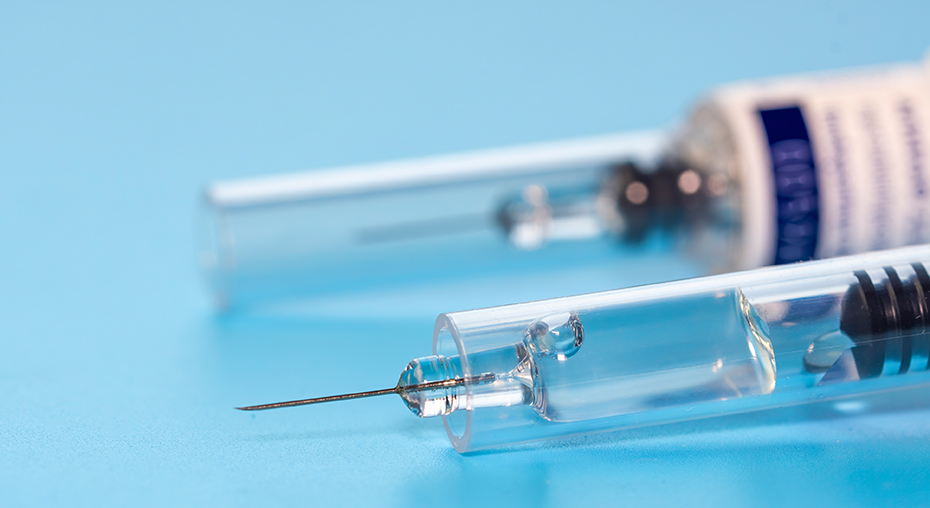
Shifting from intravenous to subcutaneous delivery opens the door to self-administration, enabling patients to receive their medications at home or even while traveling. This change significantly improves convenience, comfort, and autonomy, all of which contribute to better treatment adherence, and with that ultimately to treatment success. As a result, self-administrable formats — especially prefilled syringes, autoinjectors, and on-body devices — have become a growing focus in drug product development.
These advanced application systems offer psychological as well as practical benefits. Because the needles are often hidden inside the device, patients are spared the stress of visually being confronted with the injection process, an important factor for individuals with needle anxiety. This design can make a profound difference in whether patients feel confident enough to administer their medication independently.