
Biosimilars save patients $11B annually, but barriers to adoption remain in US market
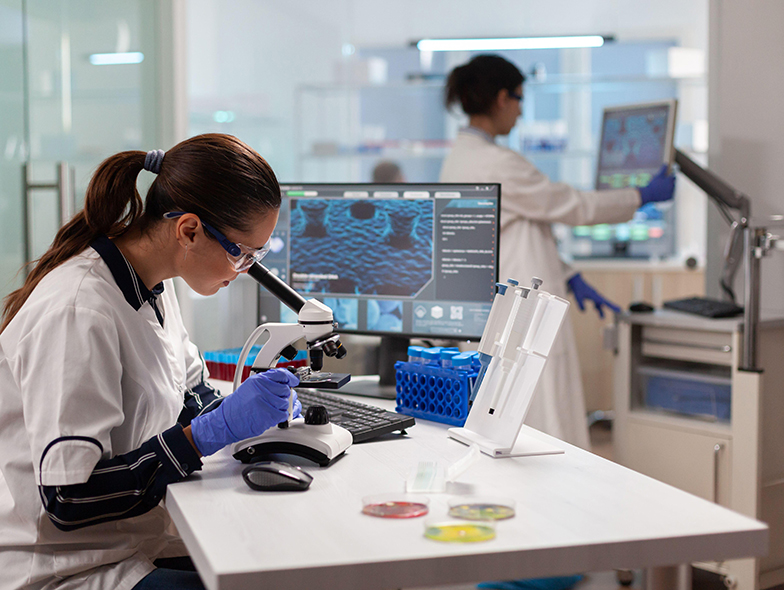
Biosimilars introduce competition into the biologics market, driving down prices and increasing patient access.
Biosimilars save patients more than $11.2 billion annually and even more savings could be generated if US price rules are reformed, according to a new report from the Pacific Research Institute’s Center for Medical Economics and Innovation.
The report, titled Falling Prices, examines how biosimilars provide competition across seven biologic drug classes, as well as the factors that influence pricing of originators and biosimilars.
A biosimilar is a biologic medical product that is almost an identical copy of an original product made by a different company. Due to the high cost of developing a new therapy – estimated to be nearly $2.9 billion including post-approval R&D - innovator biologics are initially expensive by necessity.
On average, developers of an originator biologic have 12 years of patent protection once the drug has been authorised for sale, during which time the developers can recoup their capital costs. Once this opportunity has been provided, competition in the biologics market is empowered through the introduction of biosimilars.
Looking at seven biologic drug classes where biosimilars provide robust competition, the report’s author notes one common thread – the prices of all originator biologics were consistently rising prior to the introduction of competitive products.
When competitive products are introduced, patients end up paying less for two central reasons – the originator product lowers its price to compete with the biosimilar, or the originator fails to lower its price and is squeezed out of the market by the biosimilar, which gains market dominance over time. The report also found that more biosimilars competing against the originator are associated with greater price reduction pressures.
This can be seen in an example from the US market. In 2018, a biosimilar in the Pegfilgrastim drug class entered the market and began to drive down the price of Neulasta - the originator biologic. By 2022, the price of Neulasta was 54% lower and the price of four biosimilar competitors were 30-50% lower than Neulasta’s 2018 price.
Similarly, when an infliximab biosimilar entered the market in 2017, the price of Remicade (the originator biologic) more than halved in the five years since. In 2022, Remicade’s price was 56% lower than in 2017 and the prices of the two biosimilar competitors were 54% lower.
Barriers to adoption
In Falling Prices, the report’s author notes that there are several challenges associated with increased biosimilar adoption. He says, ‘Paramount among these barriers is the current opaque pricing and rebate system that creates anticompetitive obstacles’ and calls for an end to the ‘anti-competitive practice’ commonly known as a ‘rebate wall’ or ‘rebate trap’.
Rebate walls occur when rebates are tied to specified volume targets and can have negative impacts on drug affordability and patient access.
The report also notes that disincentives can arise when originator biologics match biosimilars’ lower prices. While a price reduction is welcome news for patients, sales data shows that when an originator lowers its price to match a biosimilar, the originator tends to retain dominant market share. Lower biosimilar market share decreases the expected value from biosimilar investments, reducing the incentive to invest in future biosimilars. Essentially, originator price matching now may lead to fewer biosimilars later.
It is also important to understand some of the cultural and organisational factors that determine the level of biosimilar adoption in hospital formularies. According to data from Vizient’s 2022 biosimilar survey, released on Tuesday, biosimilars are being adopted more widely in formularies, but utilisation in patient care is lower.
Respondents said the longer a biosimilar has been available, the more likely the product is to be added to an organisation’s formulary, but the length of time did not necessarily translate into higher utilisation. For example, 88% of respondents said they have adopted a biosimilar for infliximab (Remicade), used in the treatment of rheumatoid arthritis and inflammatory bowel conditions, and 85% said they are utilising it to some degree. However, data shows that the originator product retains a larger market share than the competing biosimilar.
Looking forward
It is clear that increased competition promotes patient affordability in the biologics space, as is common in many other markets. Compared to the pre-competition prices of originator products, biosimilar competition generates tens of billions of dollars in annual savings and could generate even more if biosimilars enter the adalimumab and etanercept markets.
In the Falling Prices report, the author notes: ‘Policies that improve the competitive incentives in the biologics market will promote the dual goals of continued drug innovation and greater drug affordability.’
He concludes by calling for government drug policies to ‘remove current barriers to competition, promote a transparent drug pricing system, and ensure that formularies do not block patients from accessing the widest available number of biosimilars.’
Related News
-
News Swiss pharma industry warns US tariffs could harm global patient care
The Swiss pharmaceutical sector has raised alarms over new US tariffs on medicines, warning of disrupted supply chains, increased costs, and delayed innovation, all of which could jeopardise patient access to essential treatments worldwide.
-
News Women in Pharma: CPHI India – India’s Pharmaceutical Industry and Gender Inclusion Challenges
India’s pharmaceutical industry has emerged as a significant player in the global market, valued at USD 50 billion in FY 2023-2024, according to Frost & Sullivan’s analysis. This sector encompasses a diverse portfolio, including drugs, vacc... -
News Biogen acquires Apellis Pharmaceuticals to boost immunology and rare disease profile
Biogen Inc. has announced its acquisition of Apellis Pharmaceuticals, Inc., a move that is set to significantly enhance its growth portfolio in immunology and rare diseases. The agreement, valued at approximately US$5.6 billion, will see Biogen purchas... -
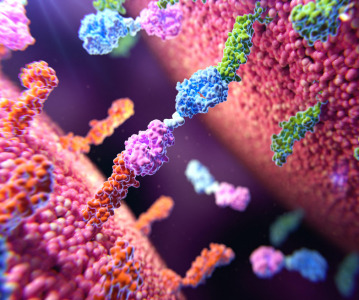
News Gilead Sciences acquires Ouro Medicines for over US$2 billion
Gilead Sciences confirms a deal to take over Ouro Medicines, adding to a portfolio of therapies for autoimmune diseases.
-
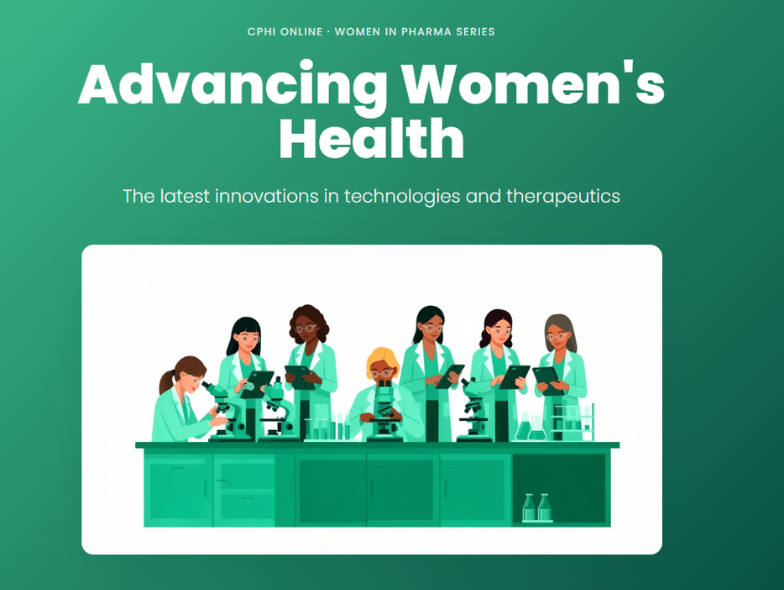
News Women in Pharma: Advancing Women's Health
Discover the latest innovations in technologies and therapeutics that are revolutionising women's health in our latest CPHI Online Women in Pharma infographic.
-

News CPHI Pharma Awards 2026: Recognising Excellence in an Evolving Industry
Submissions now open — deadline May 16
-
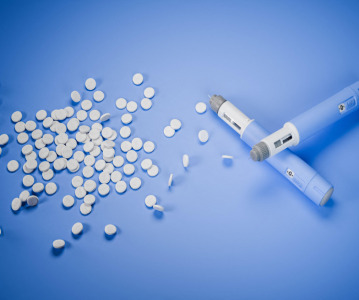
News Dr Reddy's to launch generic semaglutide in India
Dr Reddy’s Laboratories, one of India’s leading pharmaceutical companies, is preparing to launch a generic version of semaglutide, branded as Obeda, in March. Obeda is expected to provide a more affordable alternative to Ozempic a... -
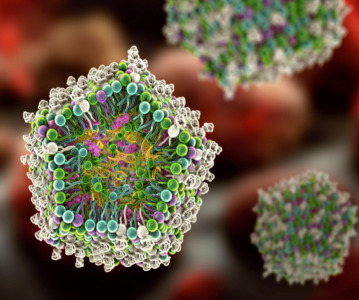
News Frontier Biotech and GSK Forge RNA Therapy Partnership
Frontier Biotechnologies and GSK have entered a global licensing agreement to advance small interfering RNA (siRNA) therapeutics. This collaboration grants GSK exclusive rights to develop and commercialise two promising siRNA candidates, marking a mile...