
China focused on meeting international API demand amid pandemic, say officials
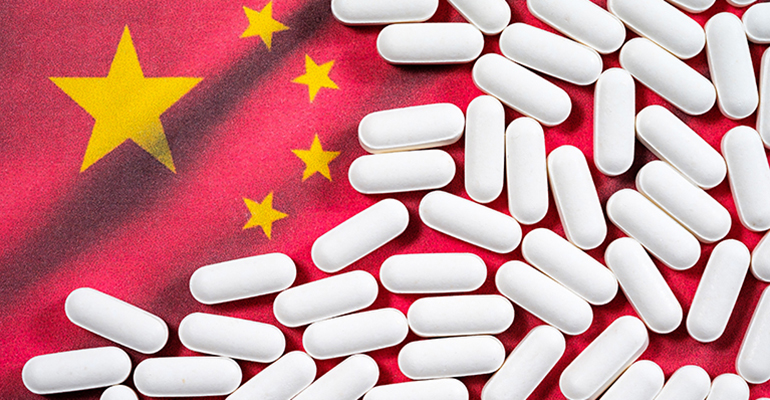
China is stepping up its efforts to produce and ship active pharmaceutical ingredients (APIs), with a focus on meeting international demand, particularly for those showing potential to treat the COVID-19 disease, according to Chinese officials on Tuesday.
Overall export volumes of Chinese APIs so far in 2020 have decreased by 10-20% year-on-year due to the coronavirus pandemic, officials said at a press conference arranged by China’s State Council Information Office.
Xin Guobin, deputy minister of industry and information technology said the main cause of the export decline was a combination of greatly reduced sea freight and international shipping and increased transportation costs.
“International transportation has become a bottleneck for the supply of APIs,” he said.
He added that Chinese API production had stalled in January and February due to the impact of the epidemic, with some manufacturers stopping production, causing a shortfall in supply even before the logistics and transportation problems arose in March.
Xin said that while overall current Chinese API production levels were at 80% of normal levels, volumes of those with potential to fight COVID-19 were already higher than year-earlier yields.
He described the country’s production at the two major producers of the API chloroquine phosphate as “stable” and said one of them, Chongqing Kangle Pharmaceutical, had managed to export 4.9 tons of the API in five days.
Earlier this week, the US Food and Drug Administration approved chloroquine phosphate and hydroxychloroquine sulphate for use against COVID-19, following a few anecdotal studies showing possible benefits to relieve the acute respiratory symptoms of the disease.
China is the world’s largest producer of APIs with more than 1,500 manufacturers, producing around 3 million tons a year.
However, since the coronavirus pandemic erupted, other countries such as the US and India have emphasised the need to find alternative API suppliers or increase domestic production to reduce their exposure during unforeseen events such as COVID-19.
Related News
-
News Swiss pharma industry warns US tariffs could harm global patient care
The Swiss pharmaceutical sector has raised alarms over new US tariffs on medicines, warning of disrupted supply chains, increased costs, and delayed innovation, all of which could jeopardise patient access to essential treatments worldwide.
-
News Women in Pharma: CPHI India – India’s Pharmaceutical Industry and Gender Inclusion Challenges
India’s pharmaceutical industry has emerged as a significant player in the global market, valued at USD 50 billion in FY 2023-2024, according to Frost & Sullivan’s analysis. This sector encompasses a diverse portfolio, including drugs, vacc... -
News Biogen acquires Apellis Pharmaceuticals to boost immunology and rare disease profile
Biogen Inc. has announced its acquisition of Apellis Pharmaceuticals, Inc., a move that is set to significantly enhance its growth portfolio in immunology and rare diseases. The agreement, valued at approximately US$5.6 billion, will see Biogen purchas... -

News Gilead Sciences acquires Ouro Medicines for over US$2 billion
Gilead Sciences confirms a deal to take over Ouro Medicines, adding to a portfolio of therapies for autoimmune diseases.
-
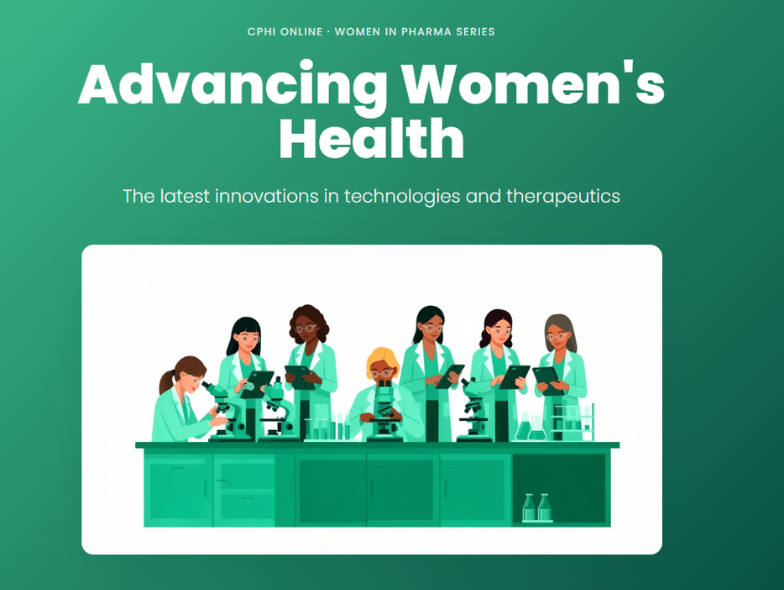
News Women in Pharma: Advancing Women's Health
Discover the latest innovations in technologies and therapeutics that are revolutionising women's health in our latest CPHI Online Women in Pharma infographic.
-
News CPHI Pharma Awards 2026: Recognising Excellence in an Evolving Industry
Submissions now open — deadline May 16
-
News Dr Reddy's to launch generic semaglutide in India
Dr Reddy’s Laboratories, one of India’s leading pharmaceutical companies, is preparing to launch a generic version of semaglutide, branded as Obeda, in March. Obeda is expected to provide a more affordable alternative to Ozempic a... -
News Frontier Biotech and GSK Forge RNA Therapy Partnership
Frontier Biotechnologies and GSK have entered a global licensing agreement to advance small interfering RNA (siRNA) therapeutics. This collaboration grants GSK exclusive rights to develop and commercialise two promising siRNA candidates, marking a mile...